PPE Guide
What each category of safety gear is for, the standards it's tested against, and how to choose the right one, a reference for buyers, site supervisors, and procurement teams.
Head Protection
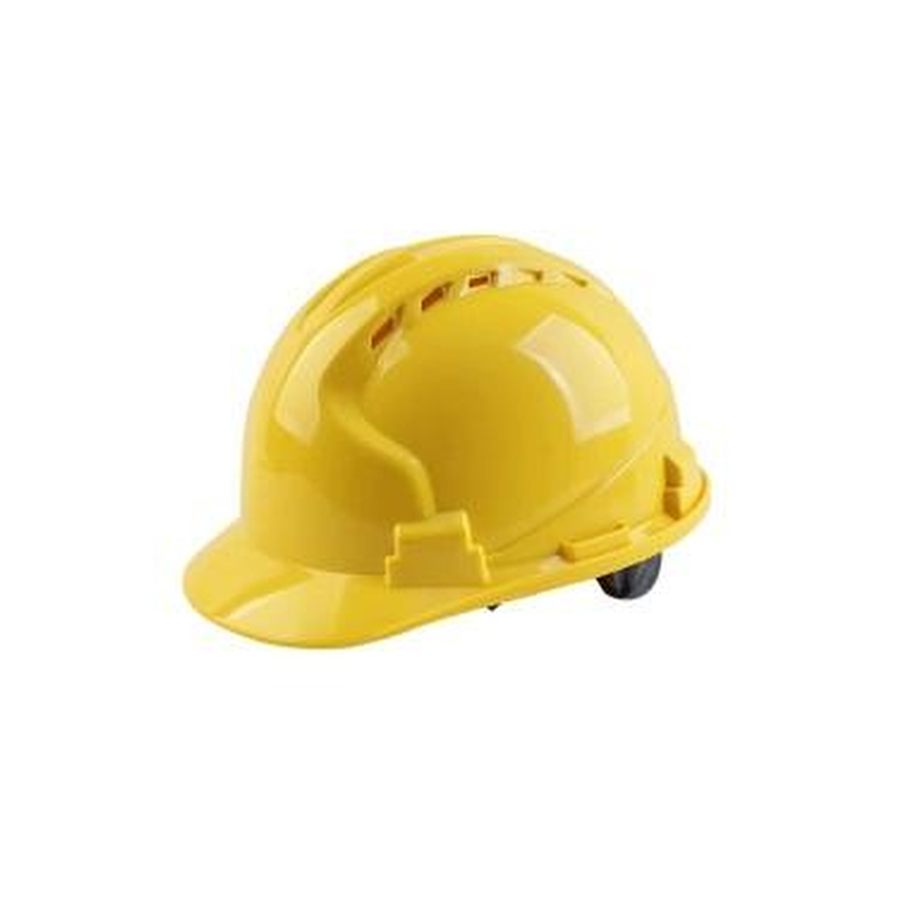
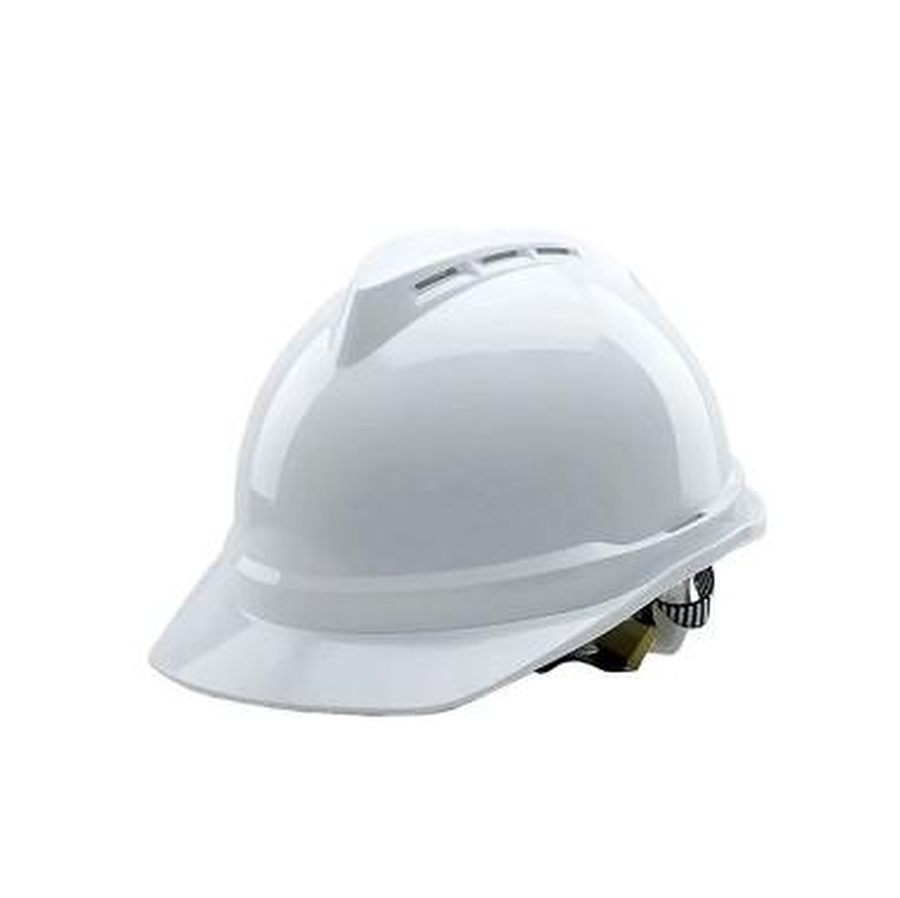
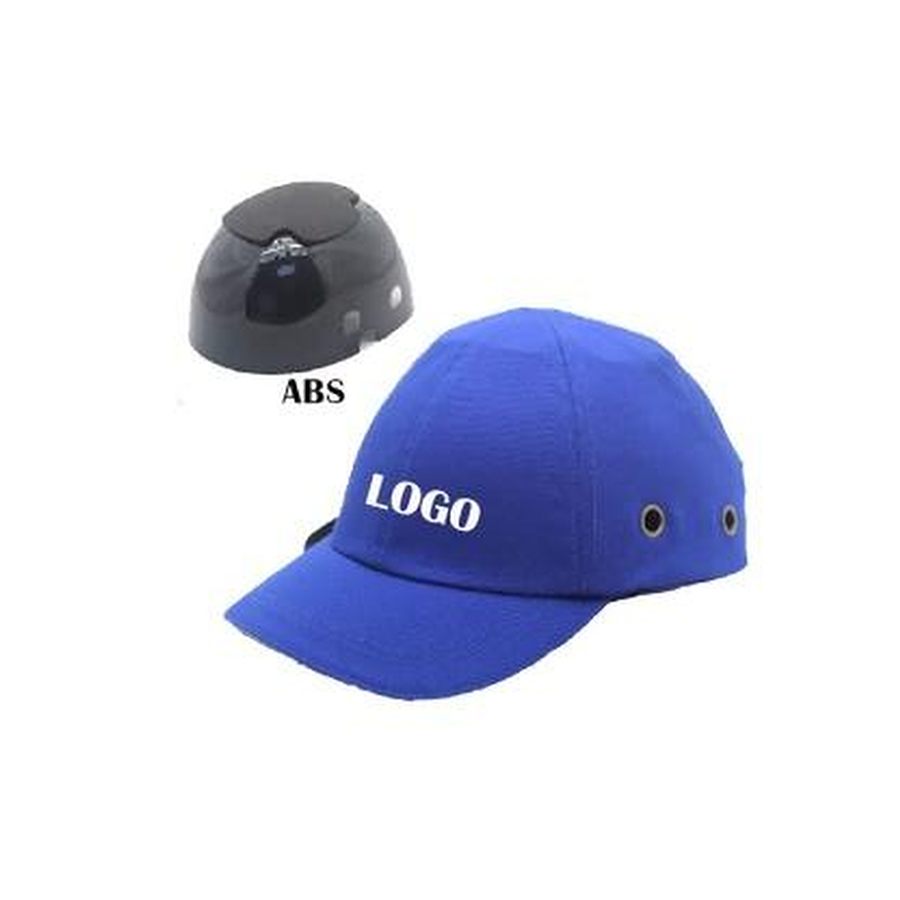
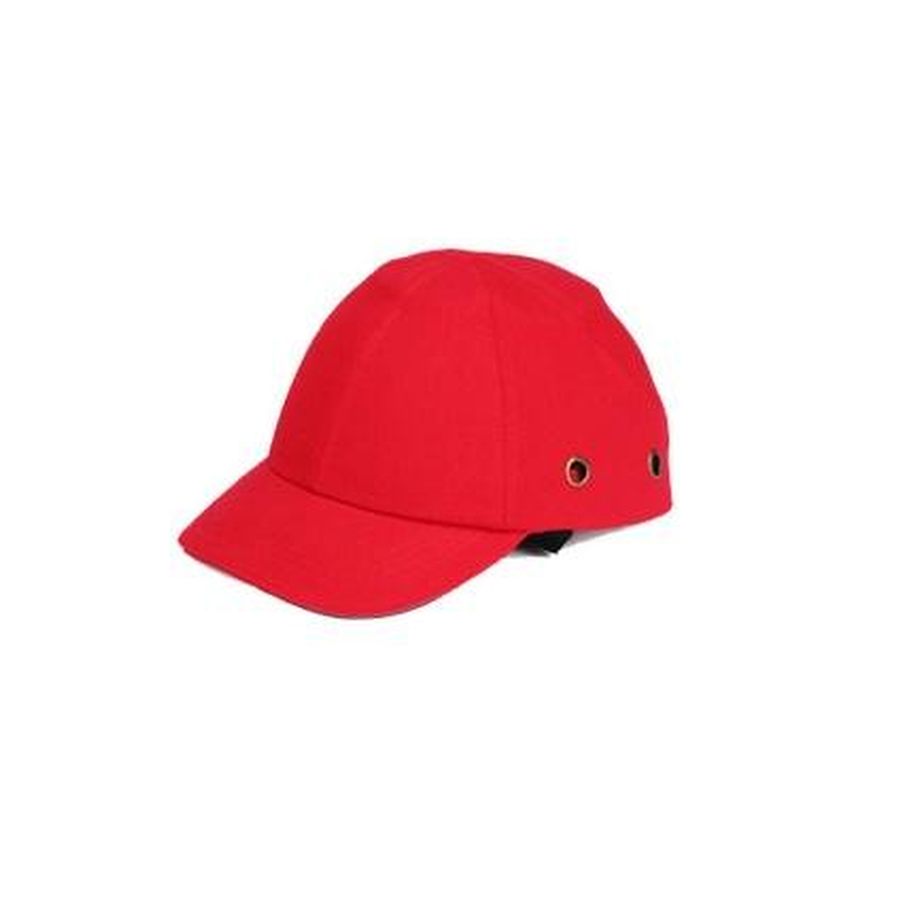
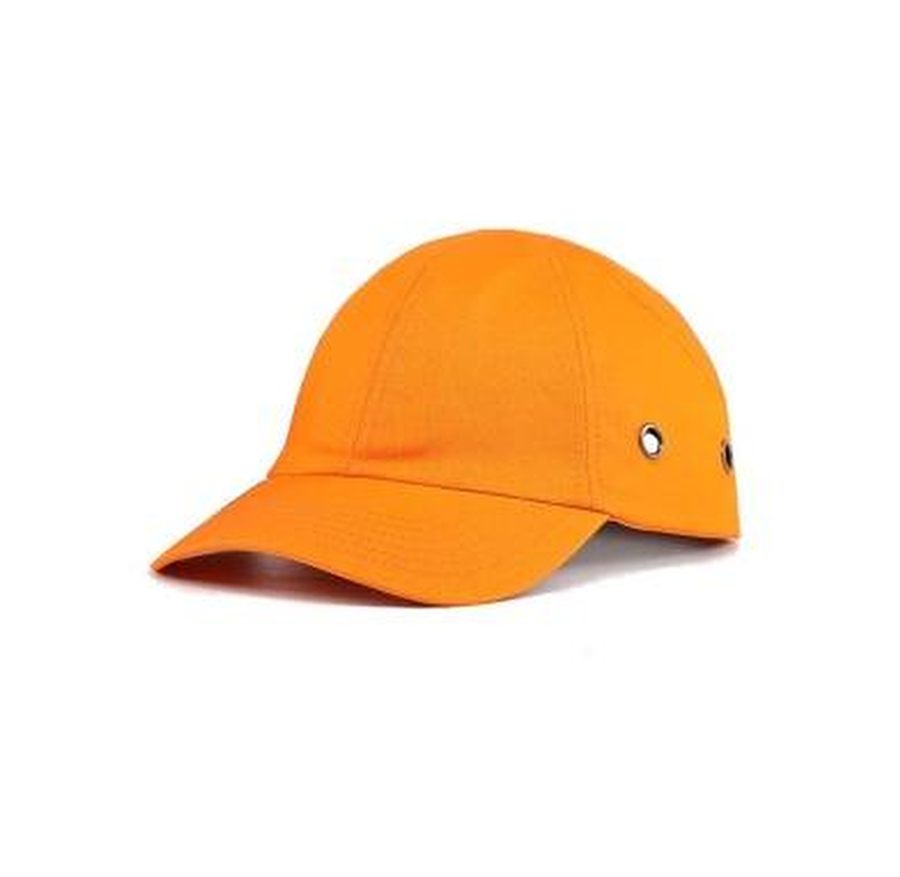
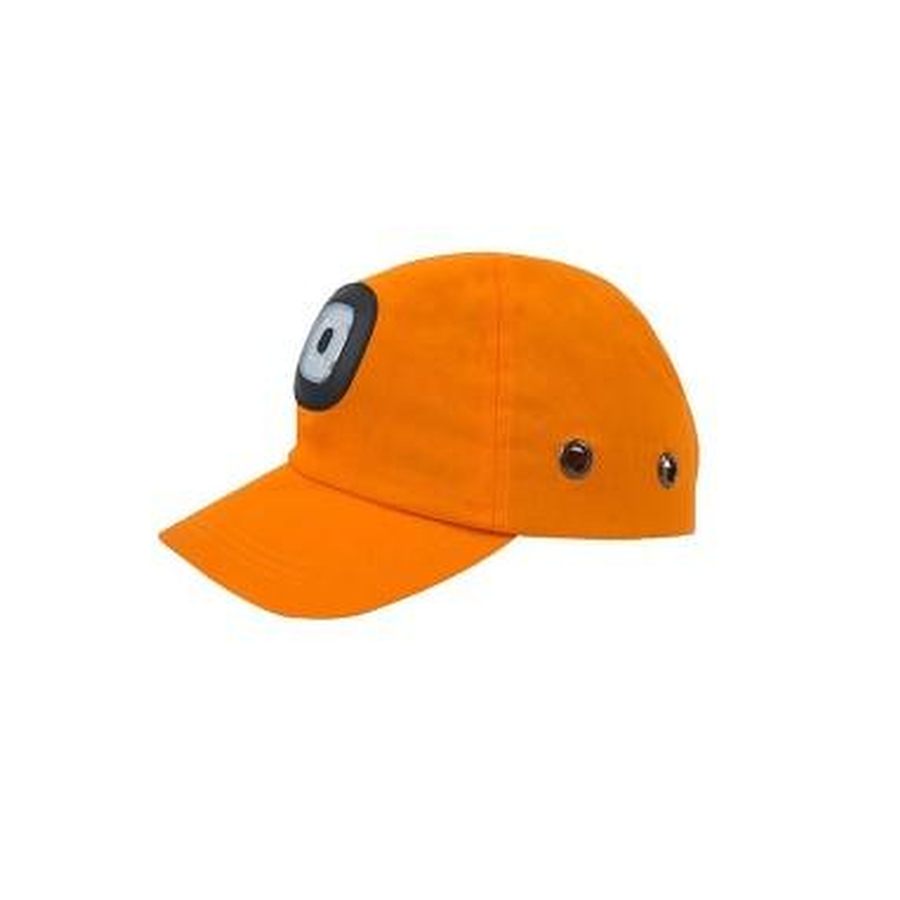
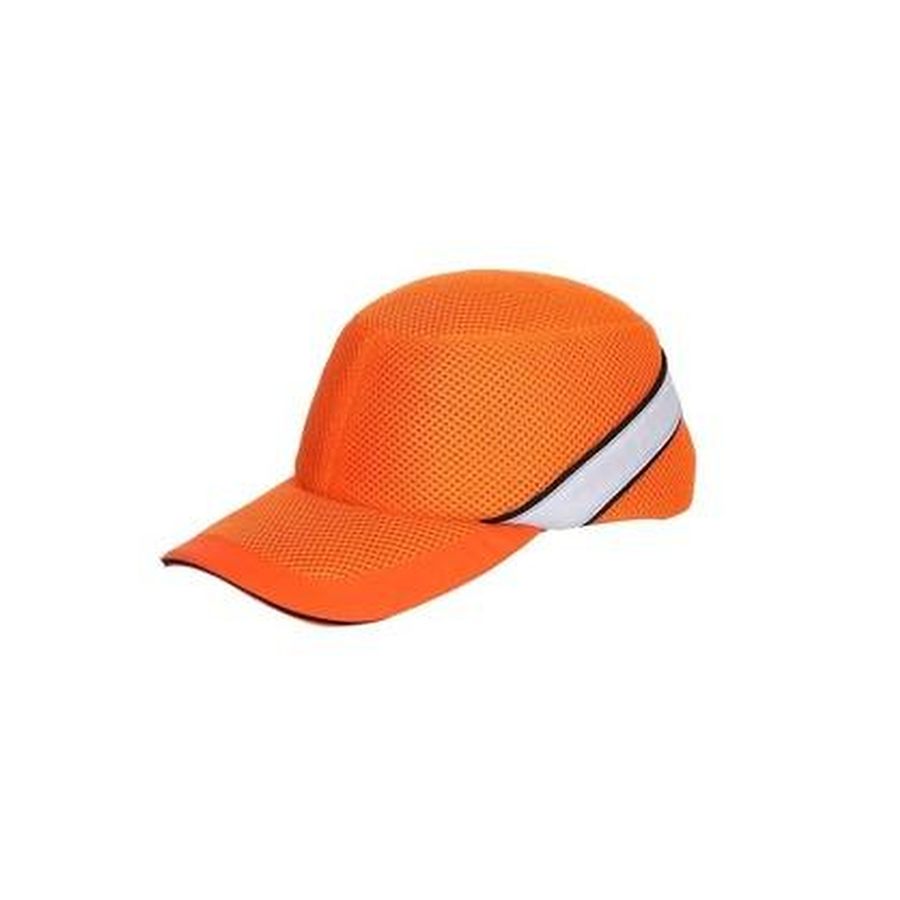
Industrial safety helmets and hard hats, rated for impact and penetration resistance under ANSI Z89.1, with Class E, G, and C ratings based on the level of electrical protection provided.
<<<<<<< Updated upstream
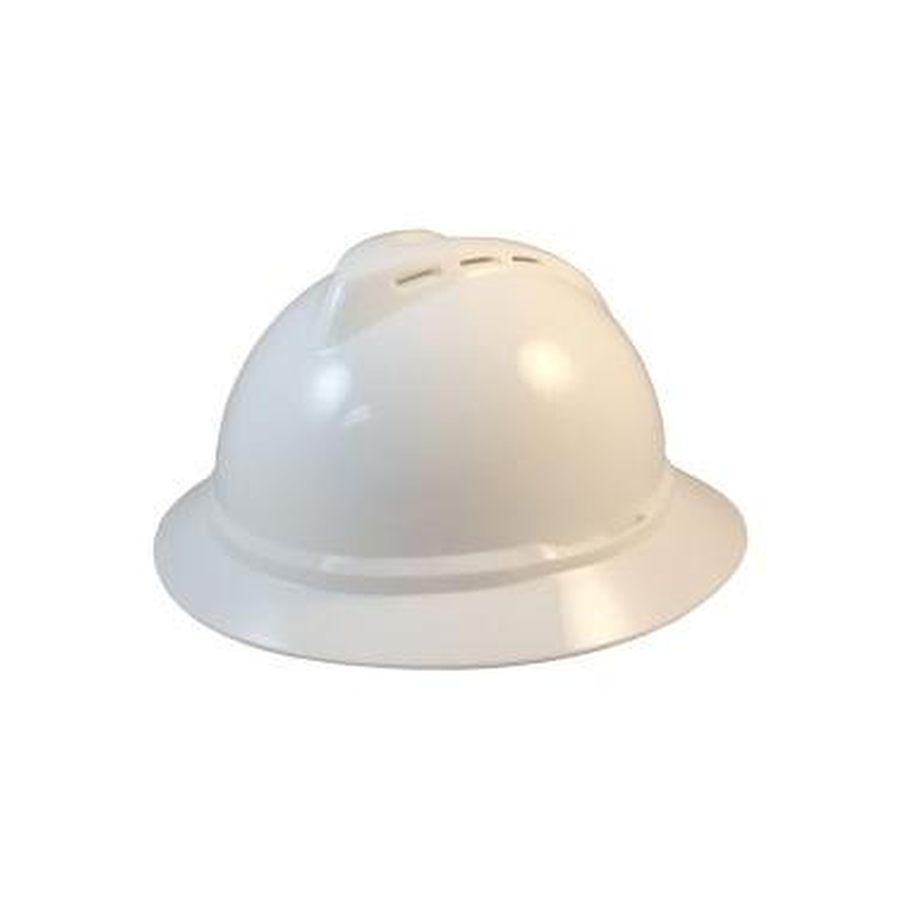
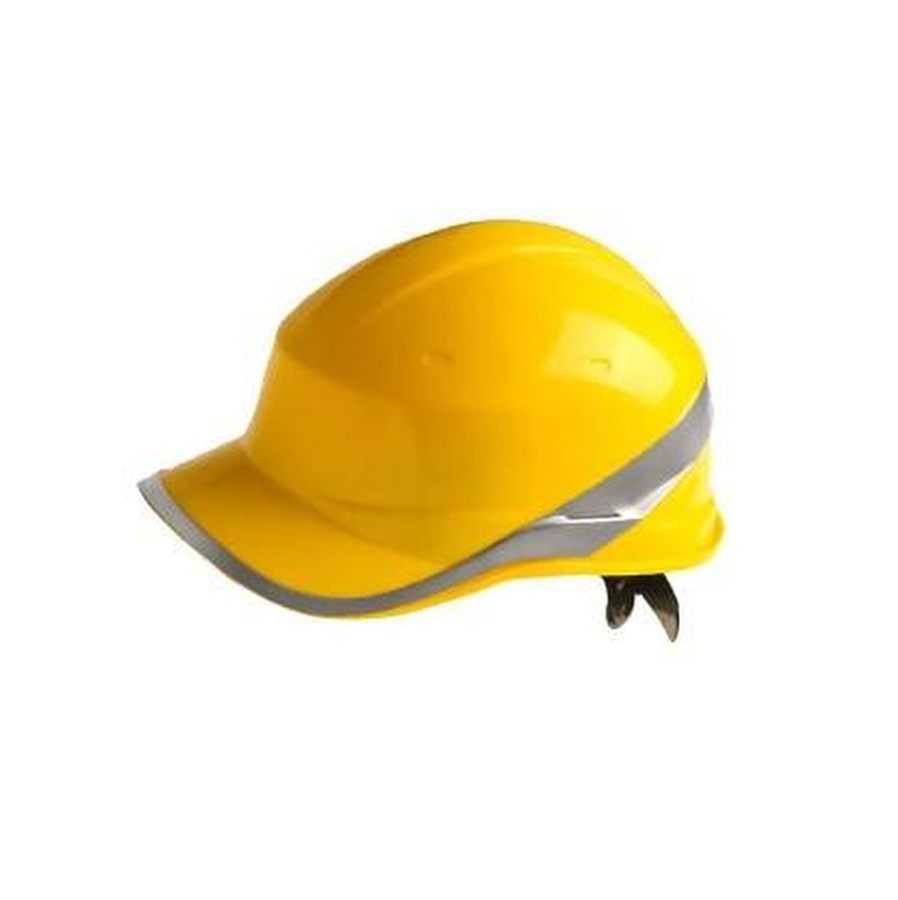
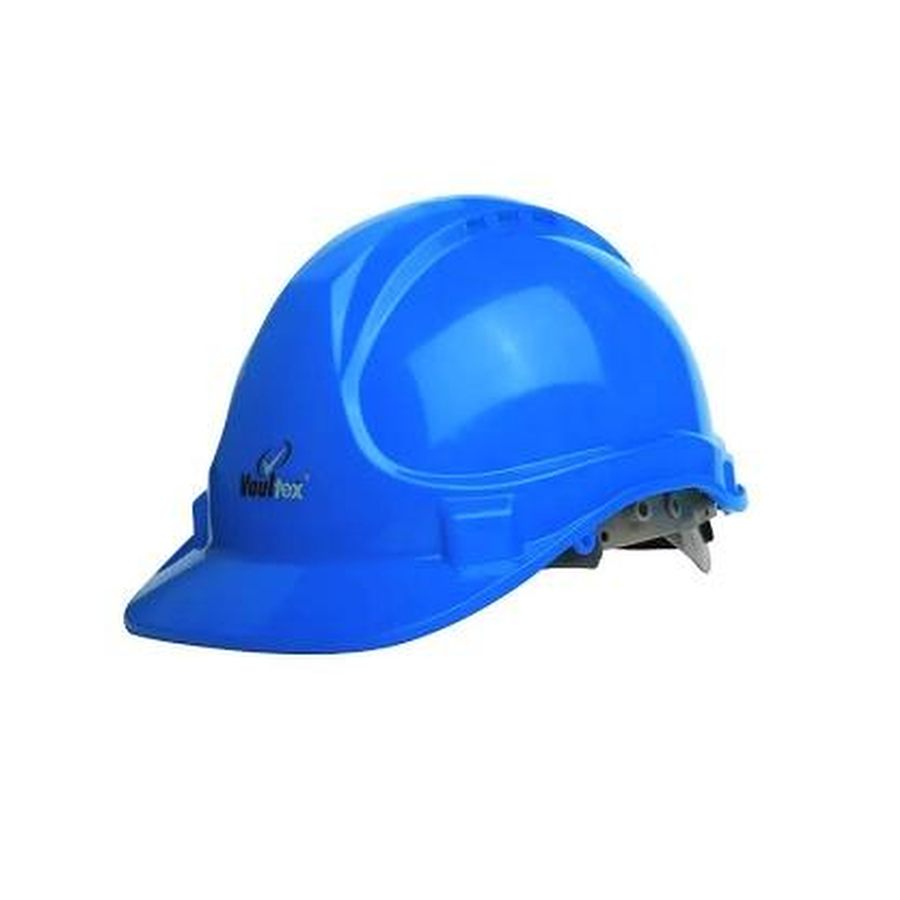
Hard Hat Colour Code and Meaning
Care, Inspection & Replacement
- Inspect before every useCheck the shell for cracks, dents, deep scratches or discoloration, and check the suspension webbing for fraying or stretching, before putting the helmet on.
- Replace the shell on scheduleMost manufacturers recommend replacing the shell after no more than two years of regular use, or five years from the date of manufacture, whichever comes first.
- Replace the suspension more oftenThe internal suspension wears out faster than the shell and should generally be replaced every twelve months, even if the shell still looks fine.
- Replace after any significant impactA helmet that has taken a hard blow should be replaced immediately, even if no damage is visible, since impact-absorbing materials can be compromised without showing it.
- Store and clean it properlyKeep it out of direct sunlight and away from extreme heat, and avoid paint, stickers or chemical solvents, all of which can weaken the shell over time.
Types of Head Protection
Industrial head protection is generally classified by two standards: impact type and electrical class.
| Standard | Classification | Protection Provided |
|---|---|---|
| Impact Type | Type I | Reduces the force of impact from blows only to the top of the head. |
| Type II | Protects against impacts to the top, front, back, and sides of the head. | |
| Electrical Class | Class G (General) | Proof-tested at 2,200 volts to reduce exposure to low voltage conductors. |
| Class E (Electrical) | Designed for high-voltage work, proof-tested at 20,000 volts. | |
| Class C (Conductive) | Lightweight and ventilated; impact protection only, no electrical protection. |
Common Safety Helmet Color Codes
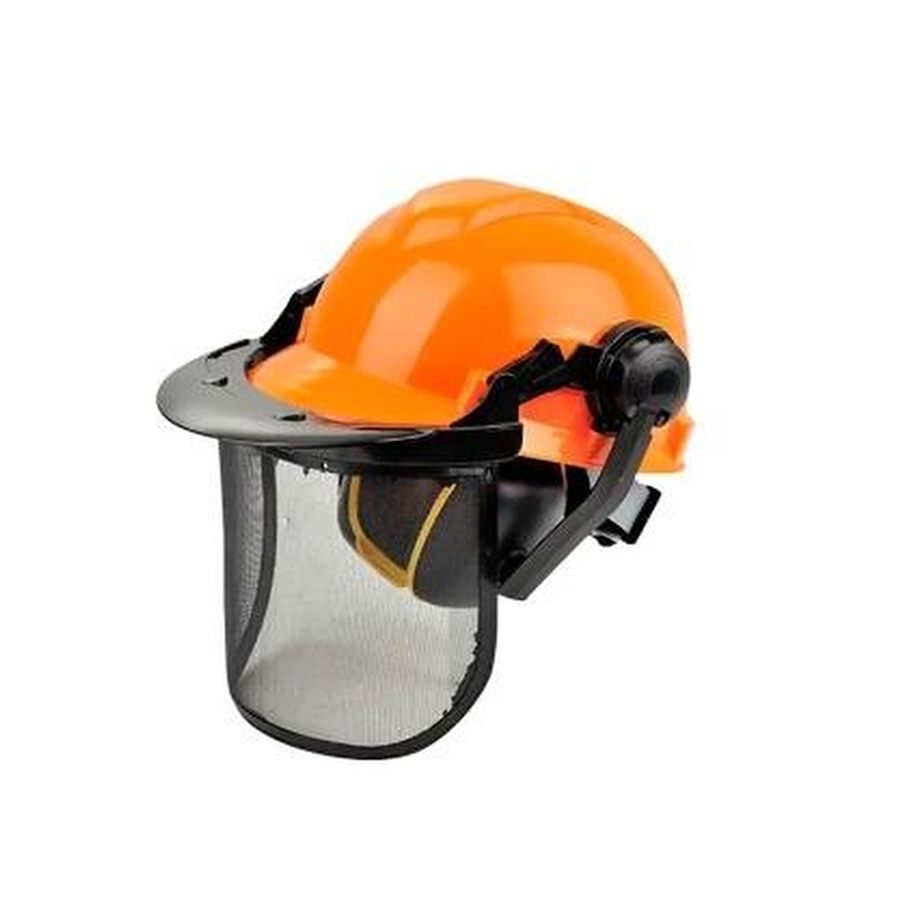
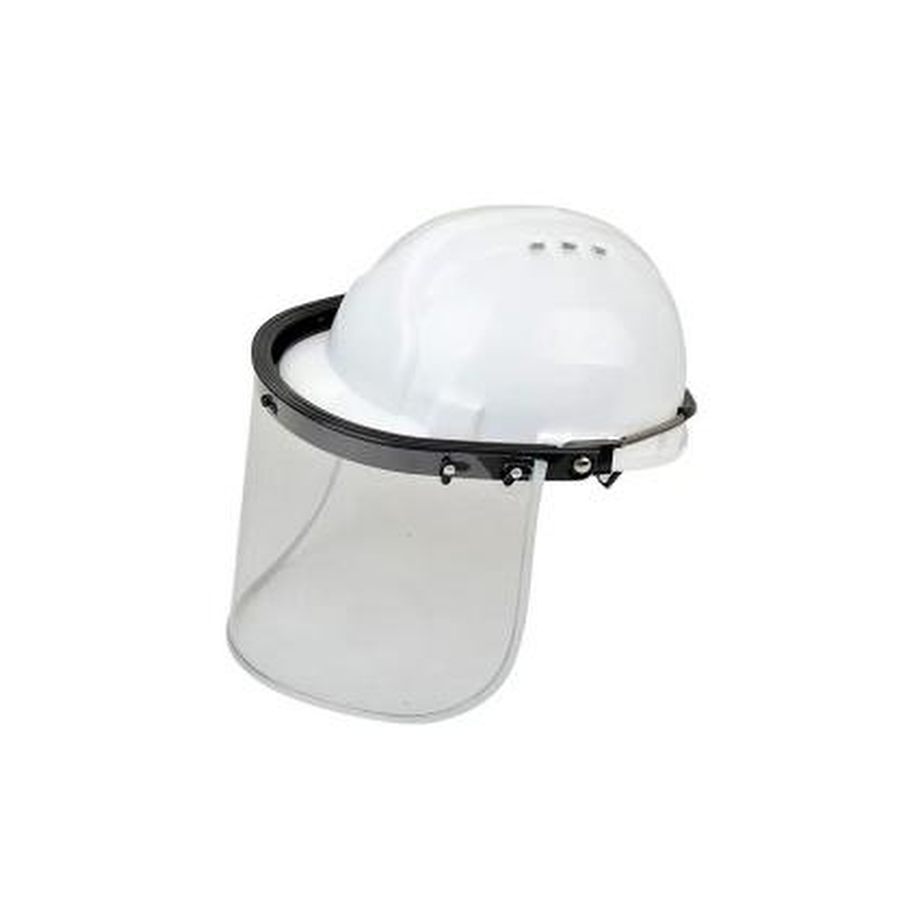
Essential Components
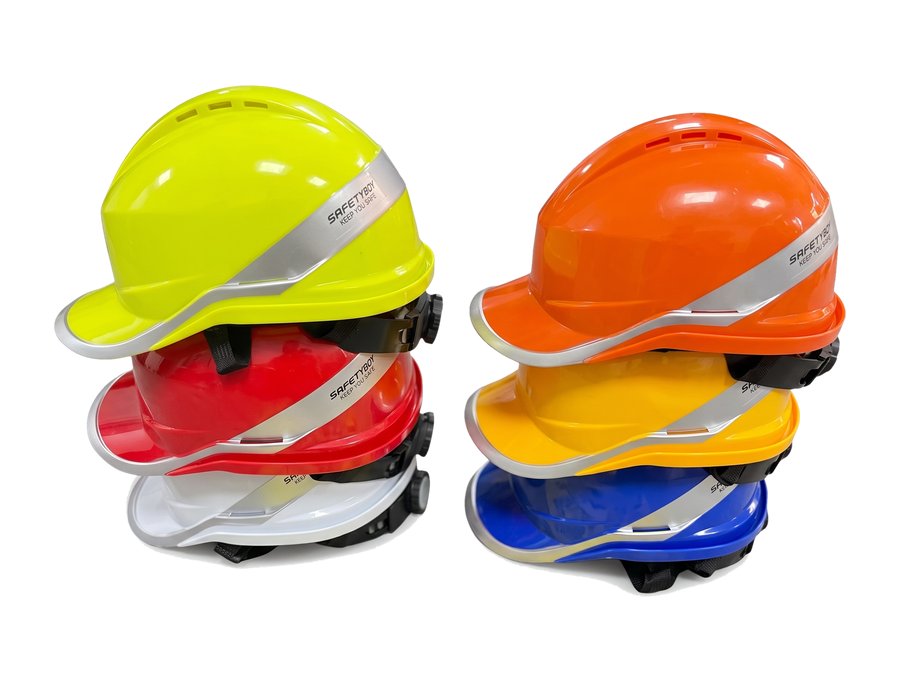 All colours
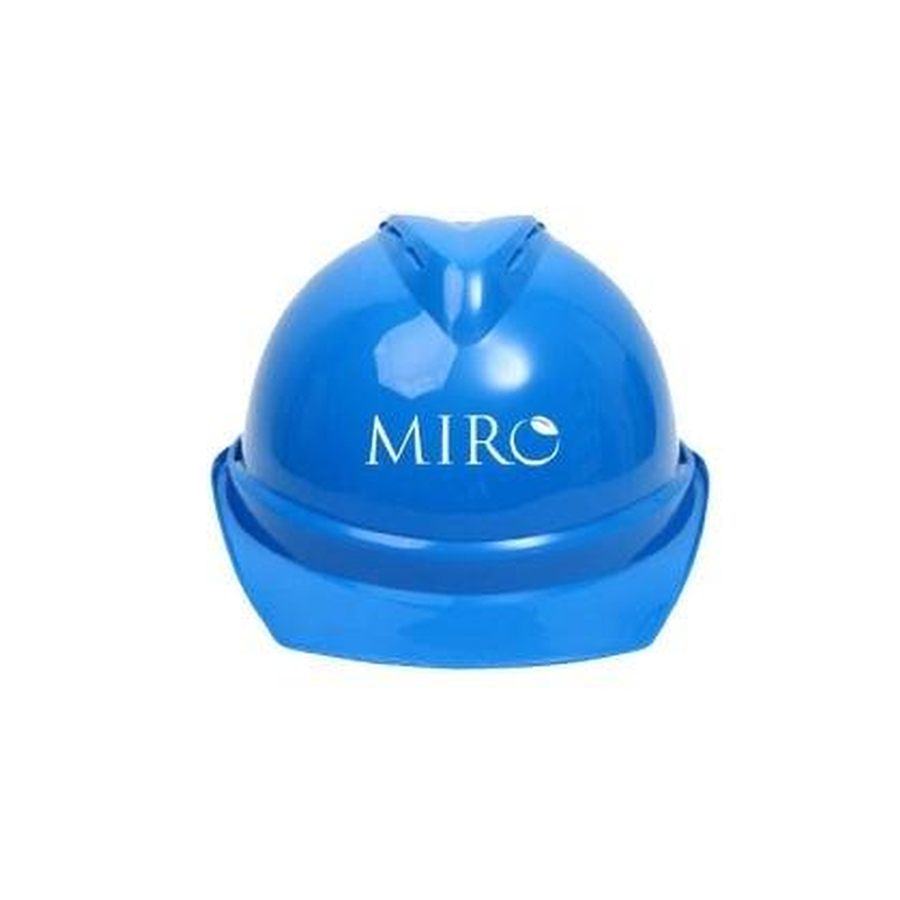 Blue
Blue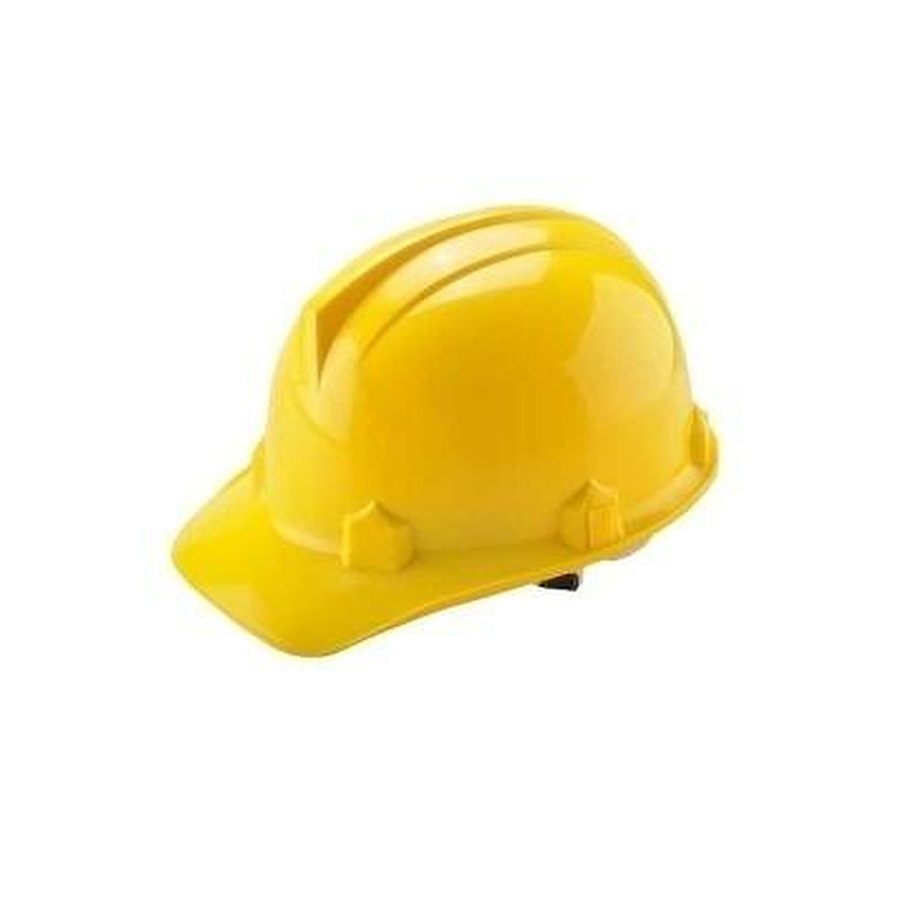 Yellow
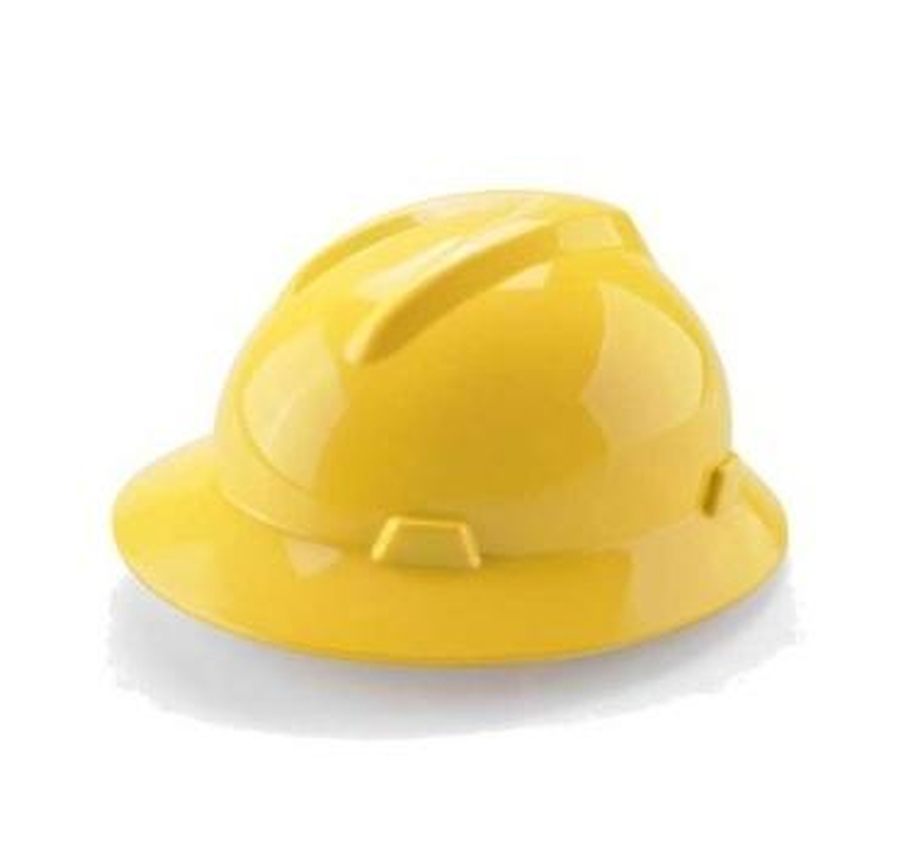 Yellow
 Yellow
 White
White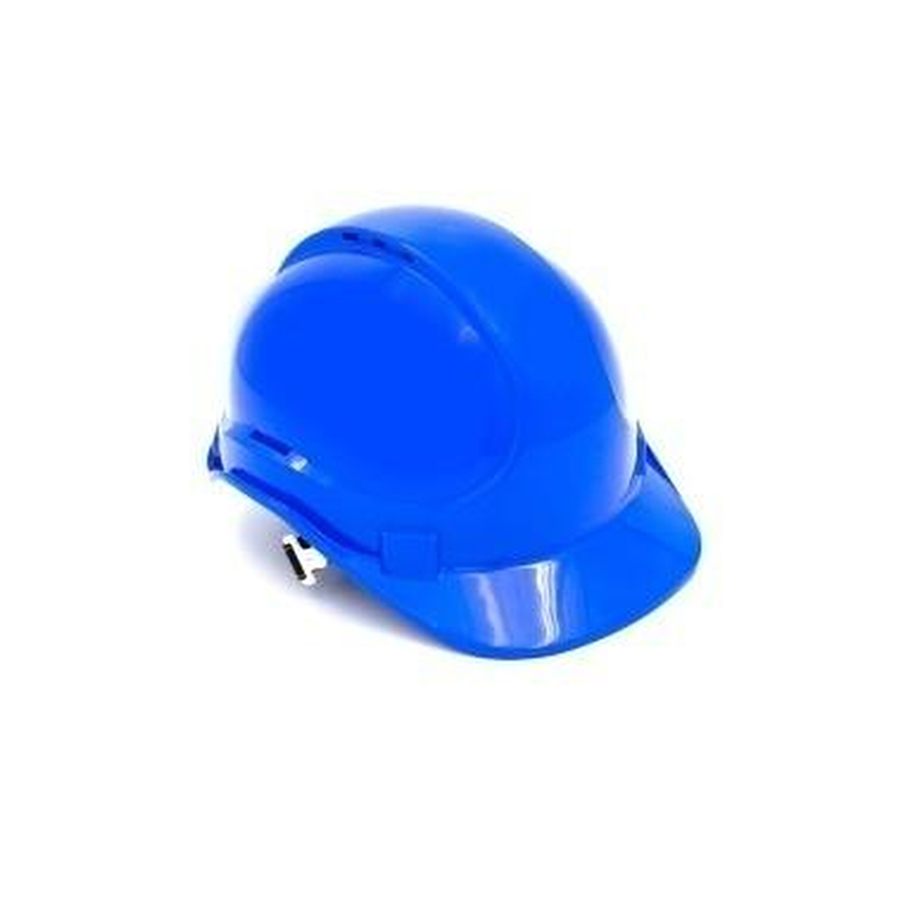 Blue
Blue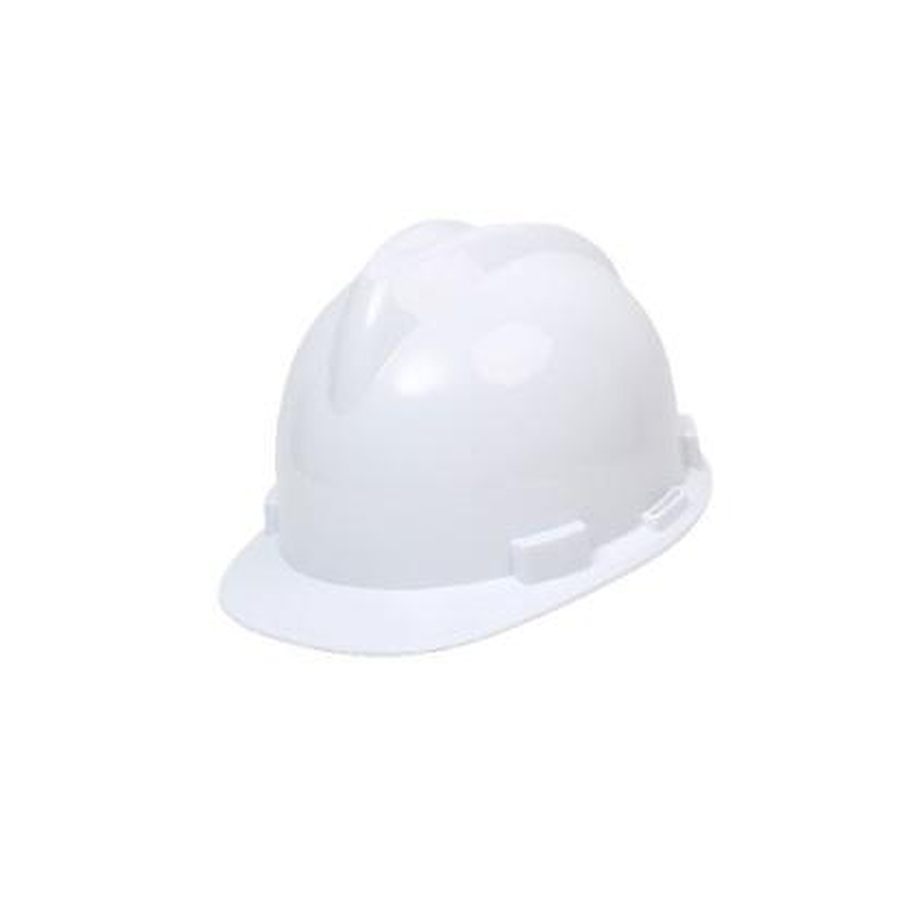 White
White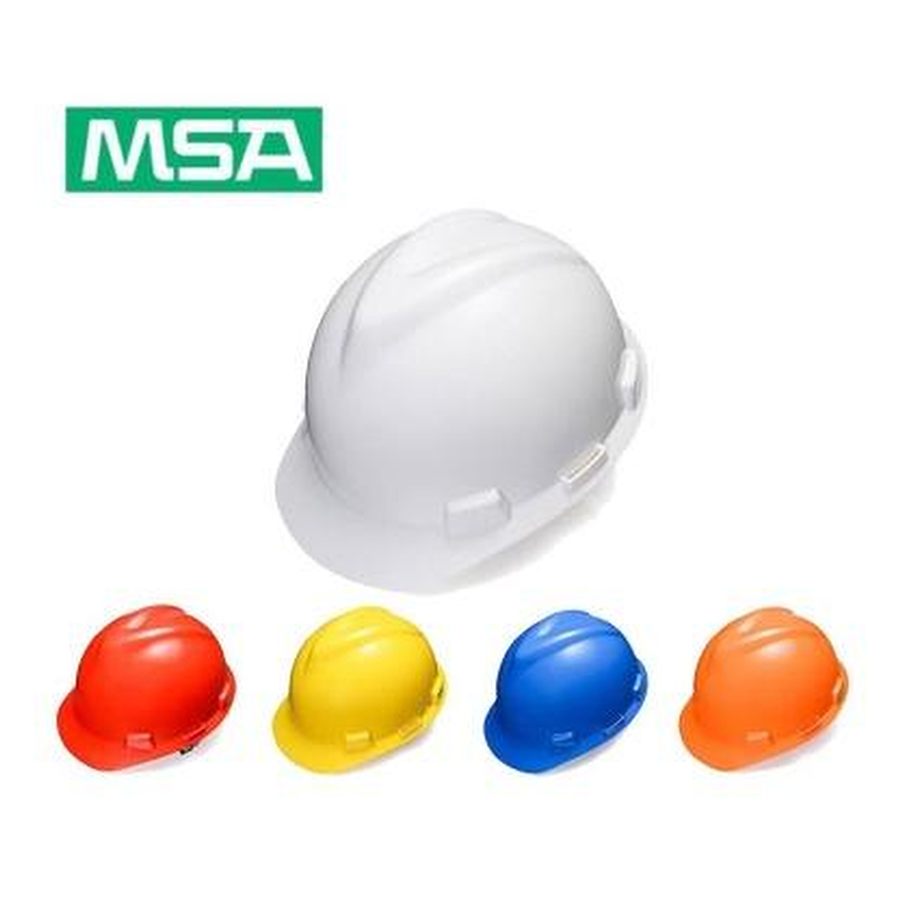 Multi-colour
 Orange
 White
White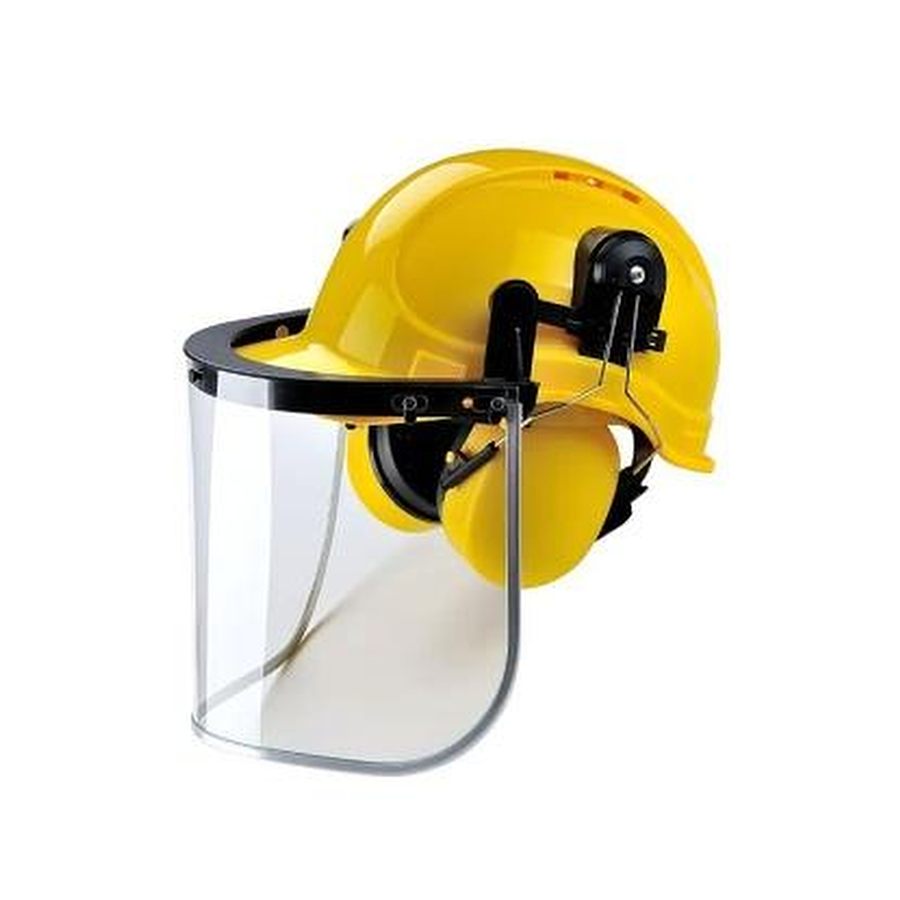 Yellow
 White
White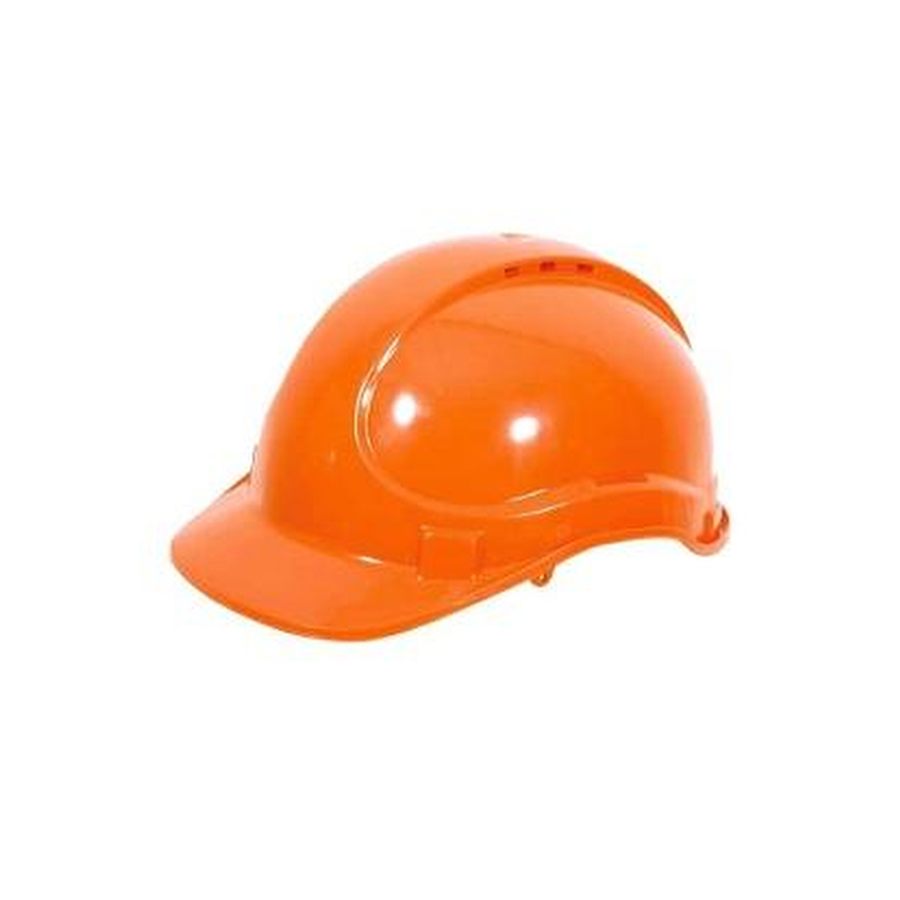 Orange
 Yellow
 Blue
BlueEye & Face Protection
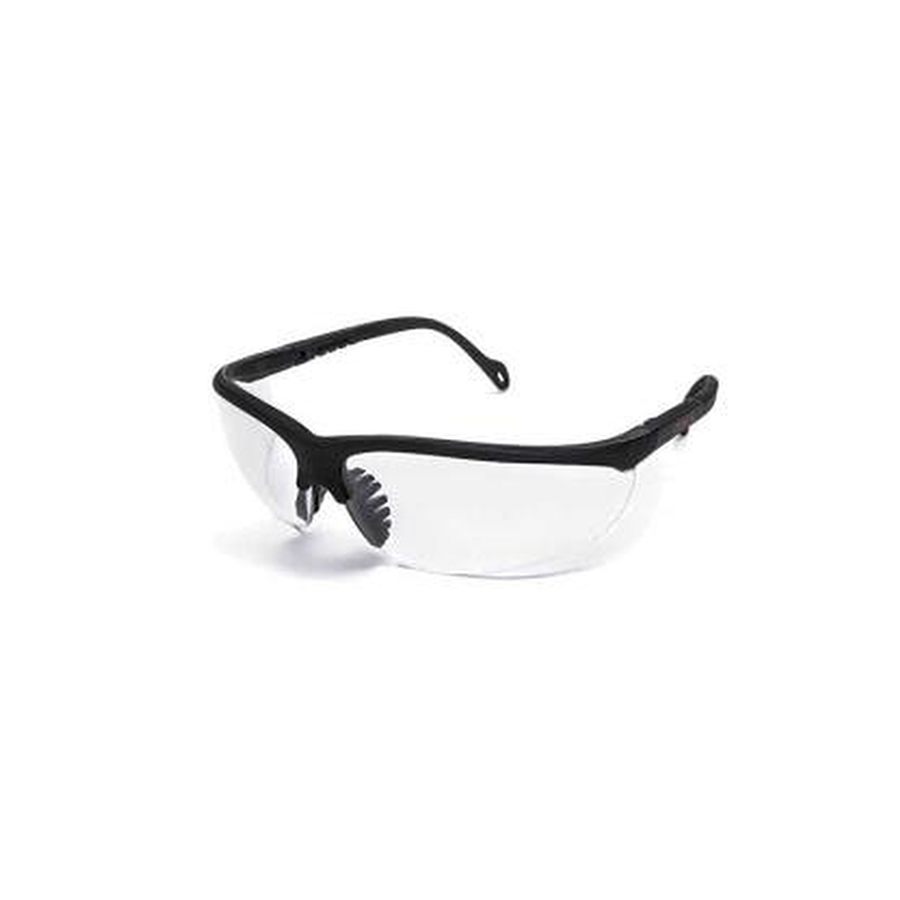
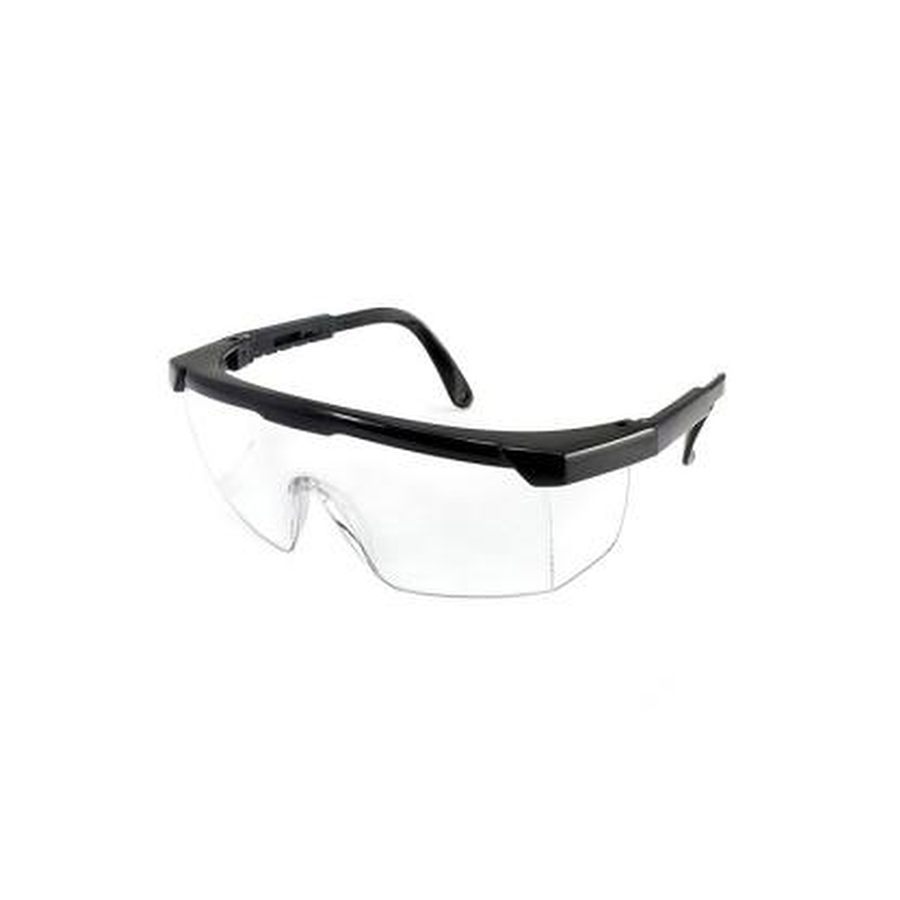
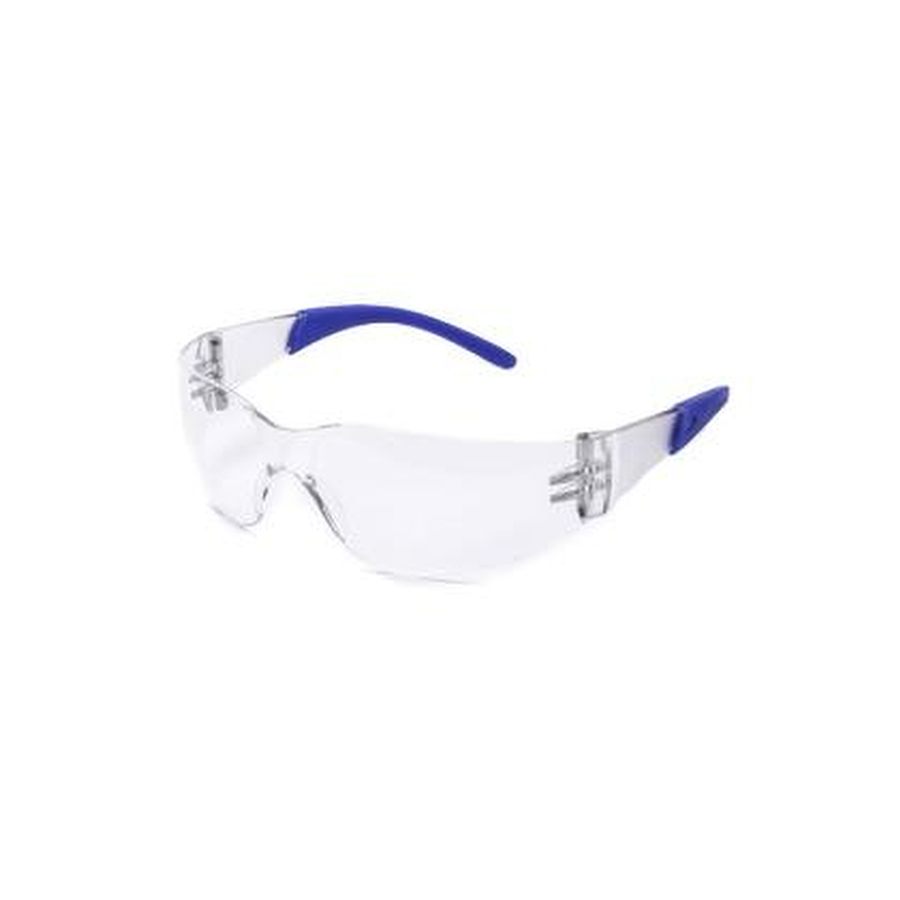
Covers safety goggles, safety glasses, and face shields, tested for impact resistance, optical clarity, and coverage area.


Impact Ratings
| Marking | Meaning |
|---|---|
| Z87 (Basic Impact) | Meets minimum impact resistance, tested with a small steel ball dropped from a set height. |
| Z87+ (High Impact) | Passes high-mass and high-velocity impact tests and protects from the side; marked with a plus symbol. |
Additional markings cover splash, dust, fine-dust, UV, infrared, and welding-filter performance. Face shields are secondary protection; they're worn over safety glasses or goggles, not instead of them.
website

- Warehousing
- Plant rooms
- Cold storage
- Facilities maintenance
website
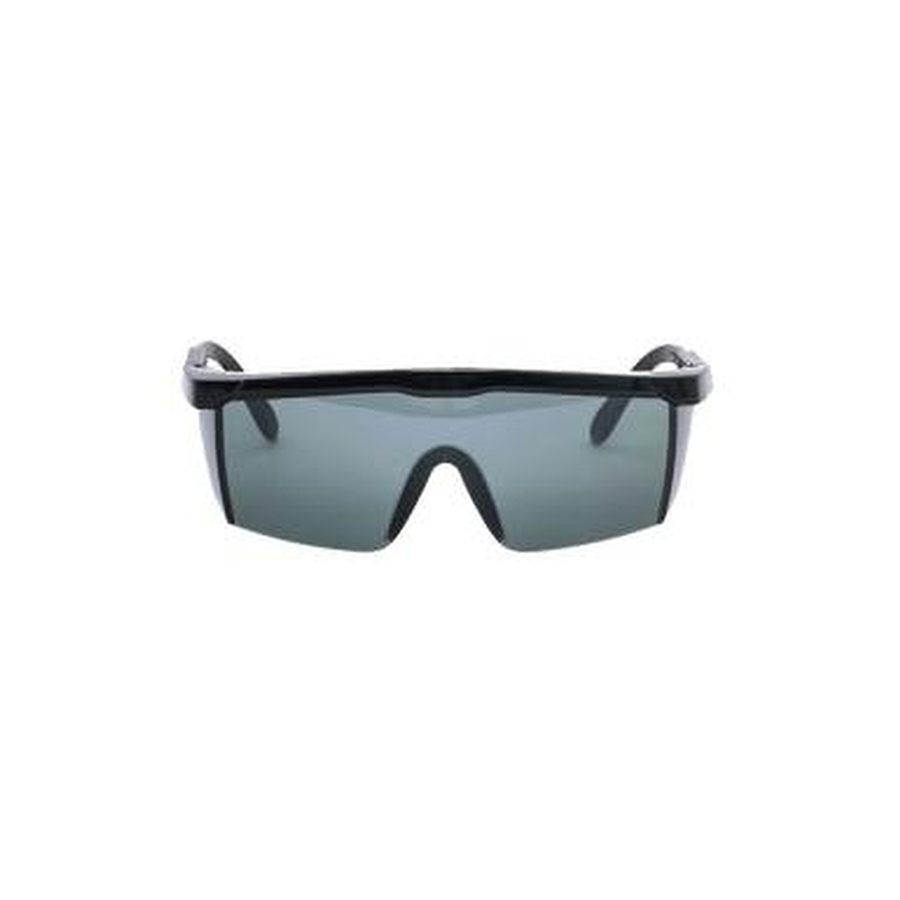
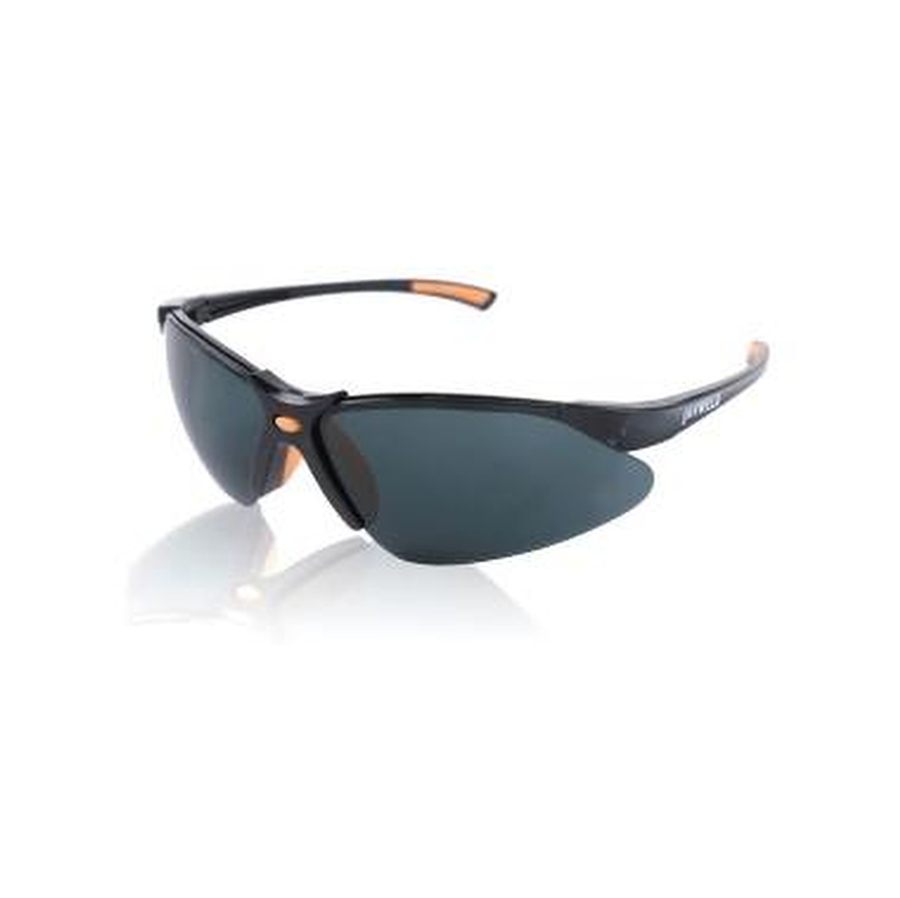
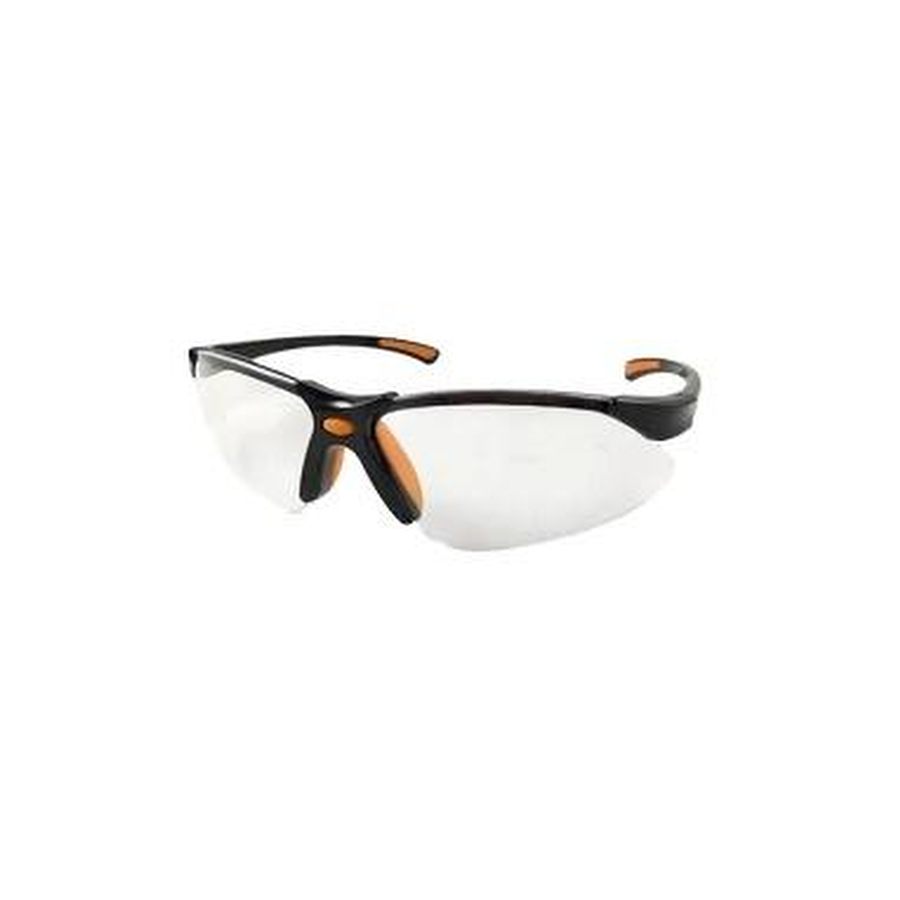
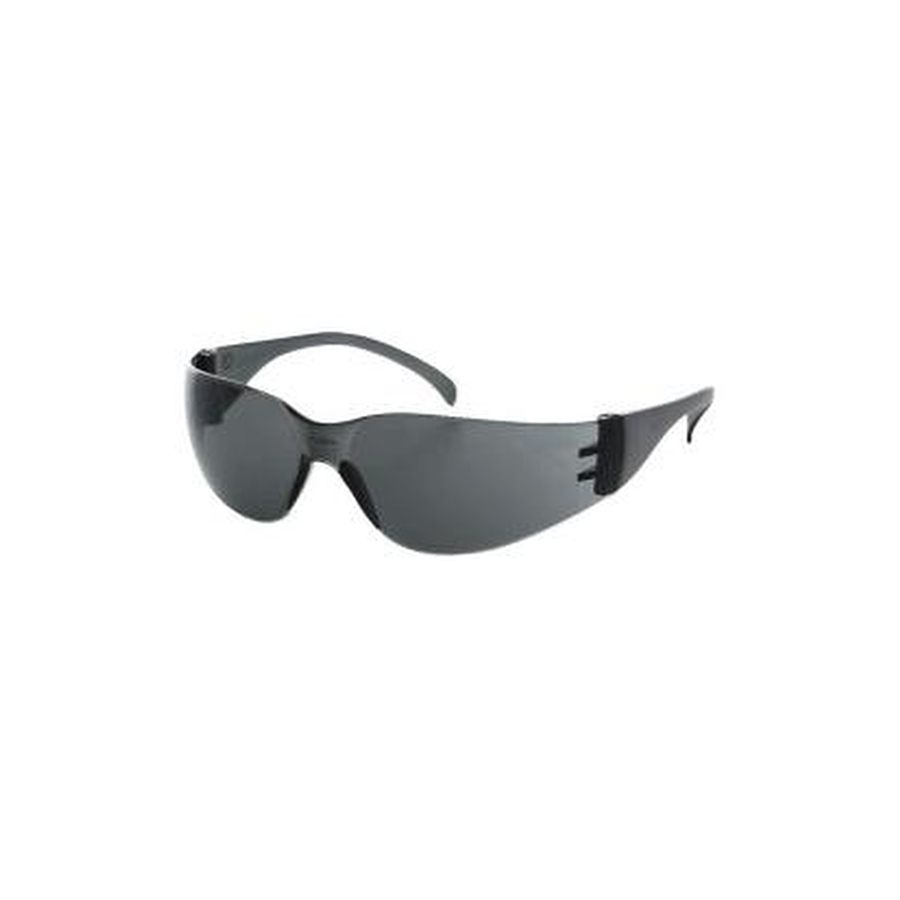
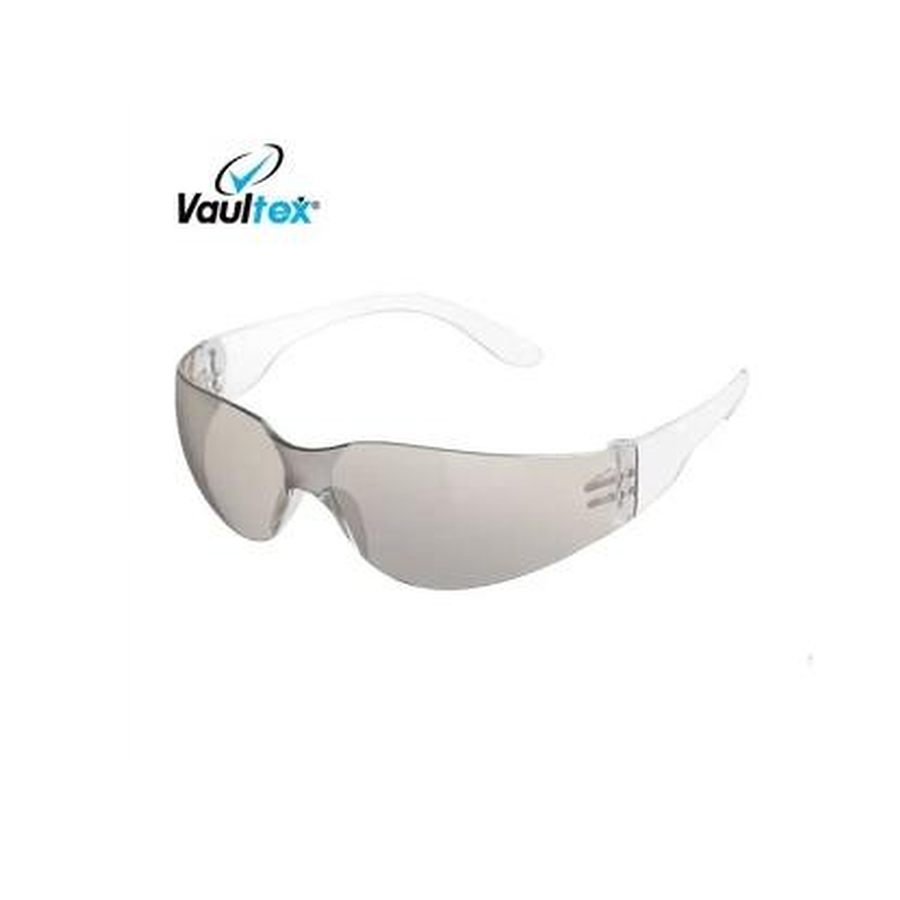
- Construction sites
- Workshops and machine shops
- Warehousing
- Outdoor site work
website
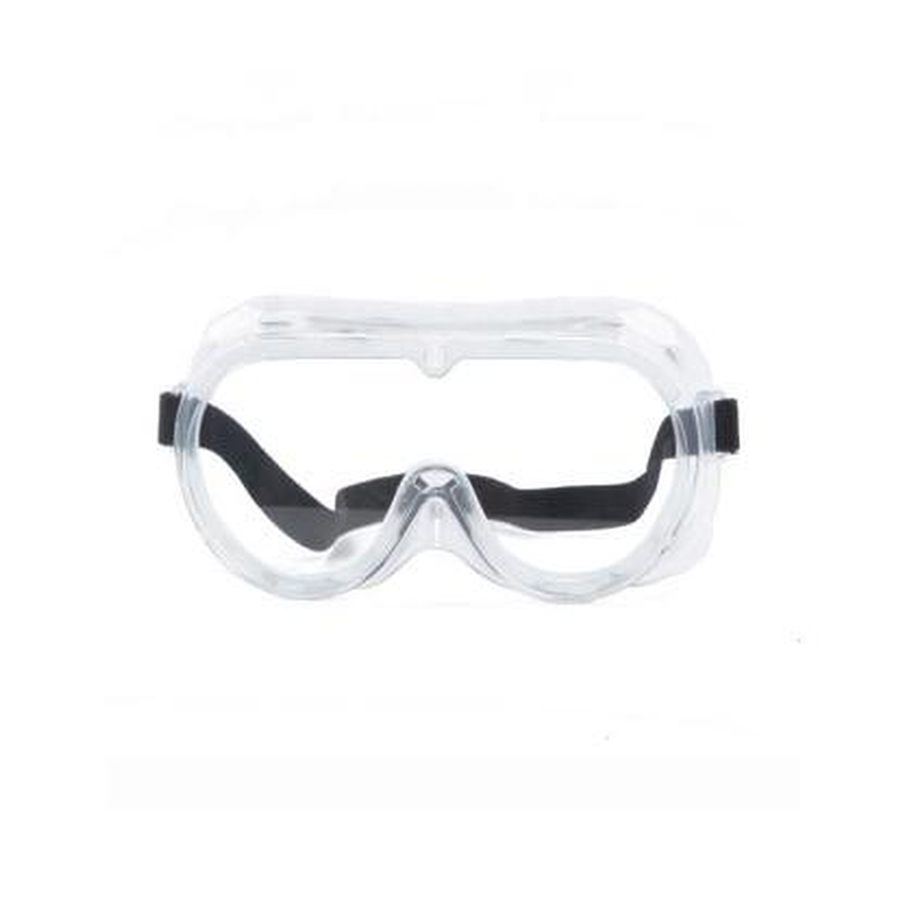
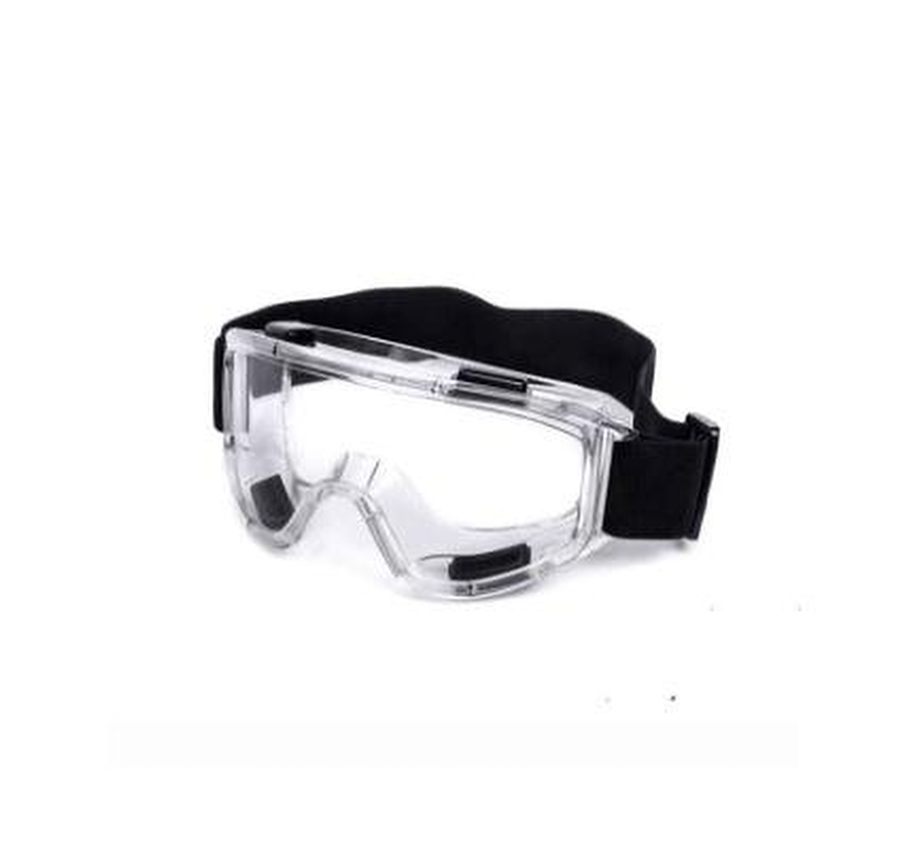
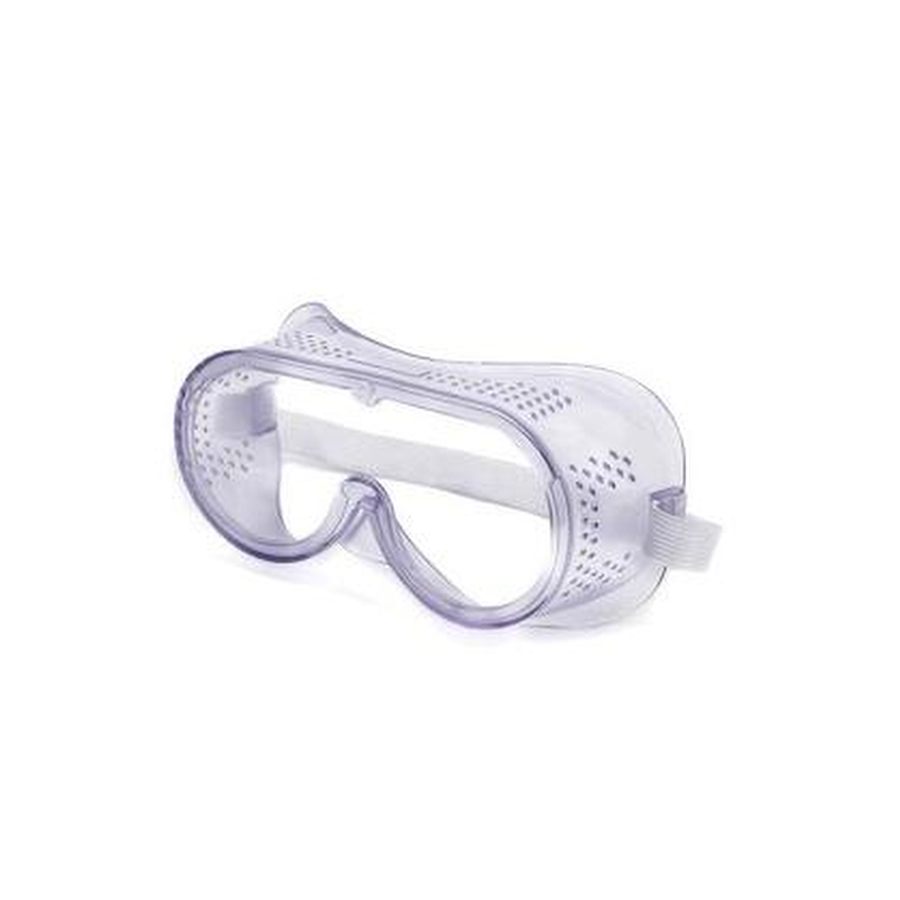
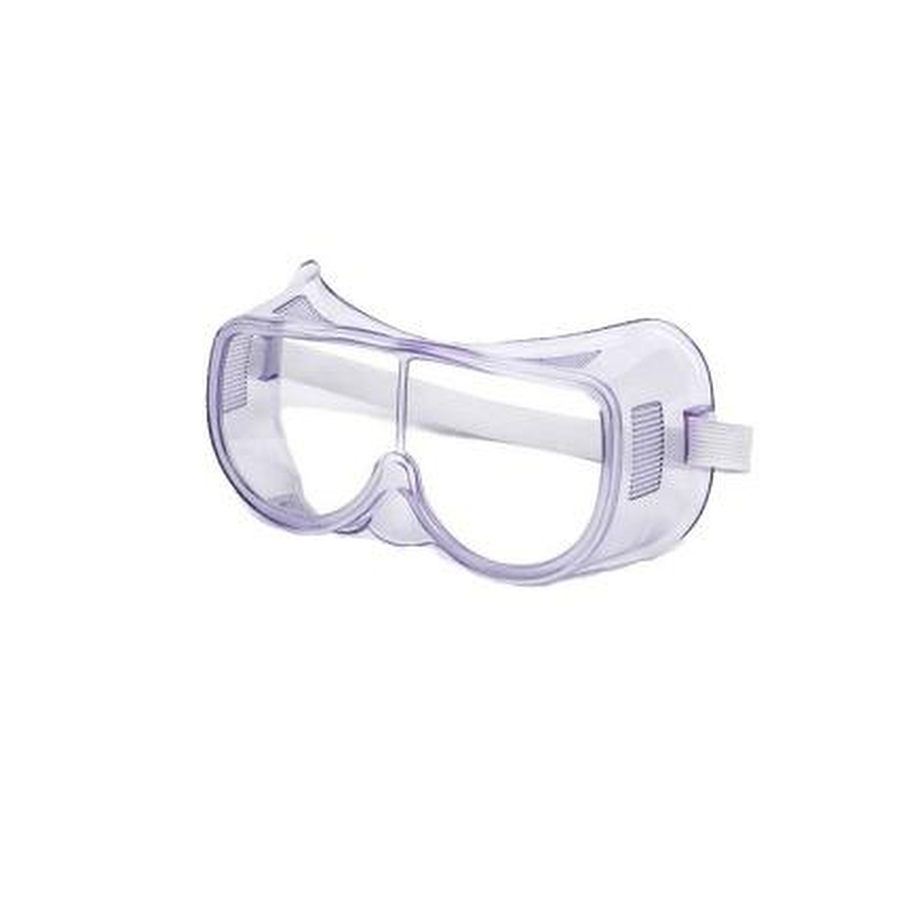
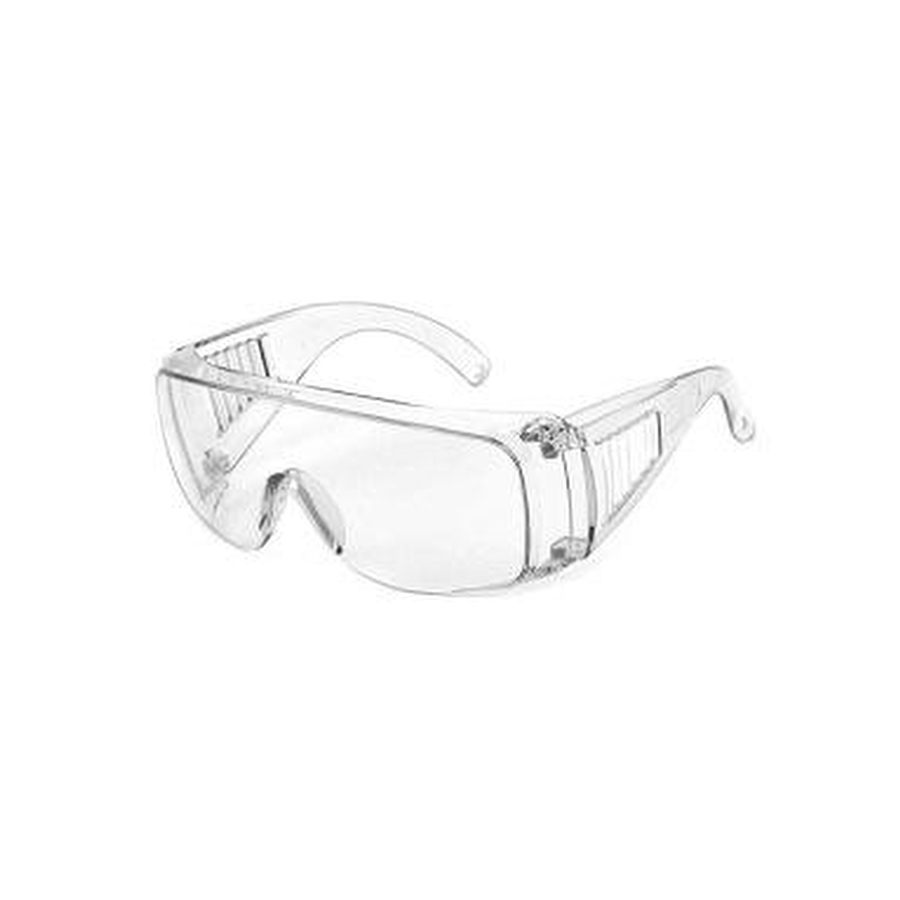
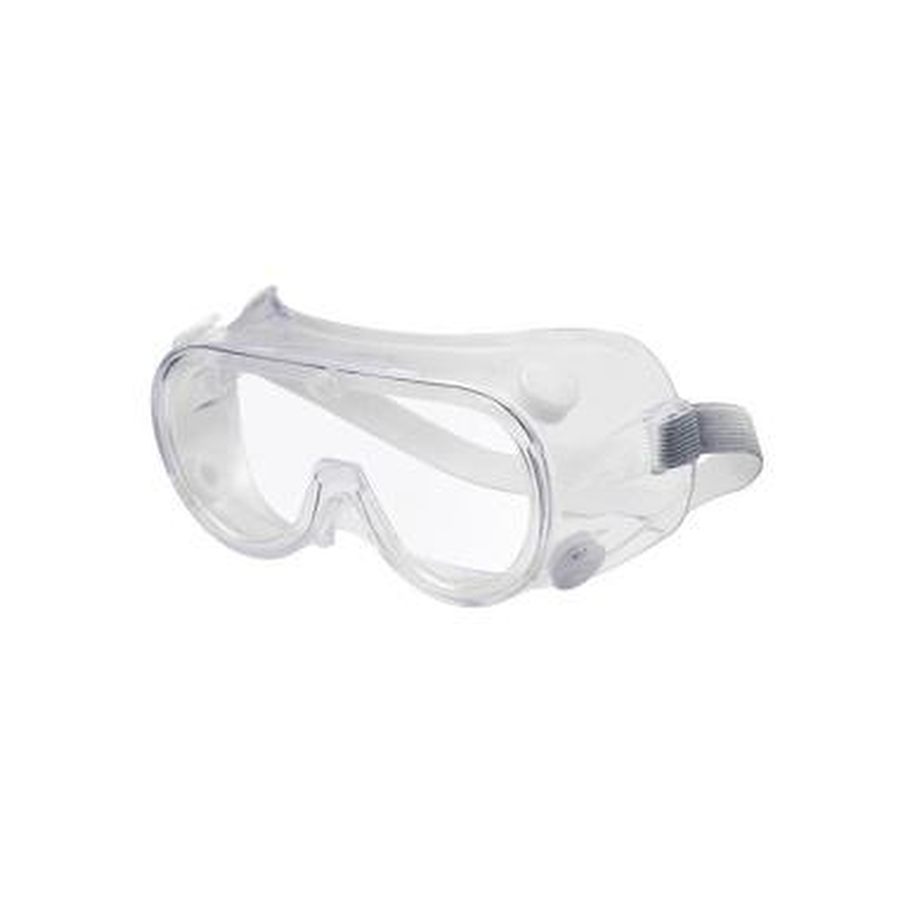
- Laboratories and clean rooms
- Chemical handling
- Grinding and cutting
- Medical and healthcare settings
website
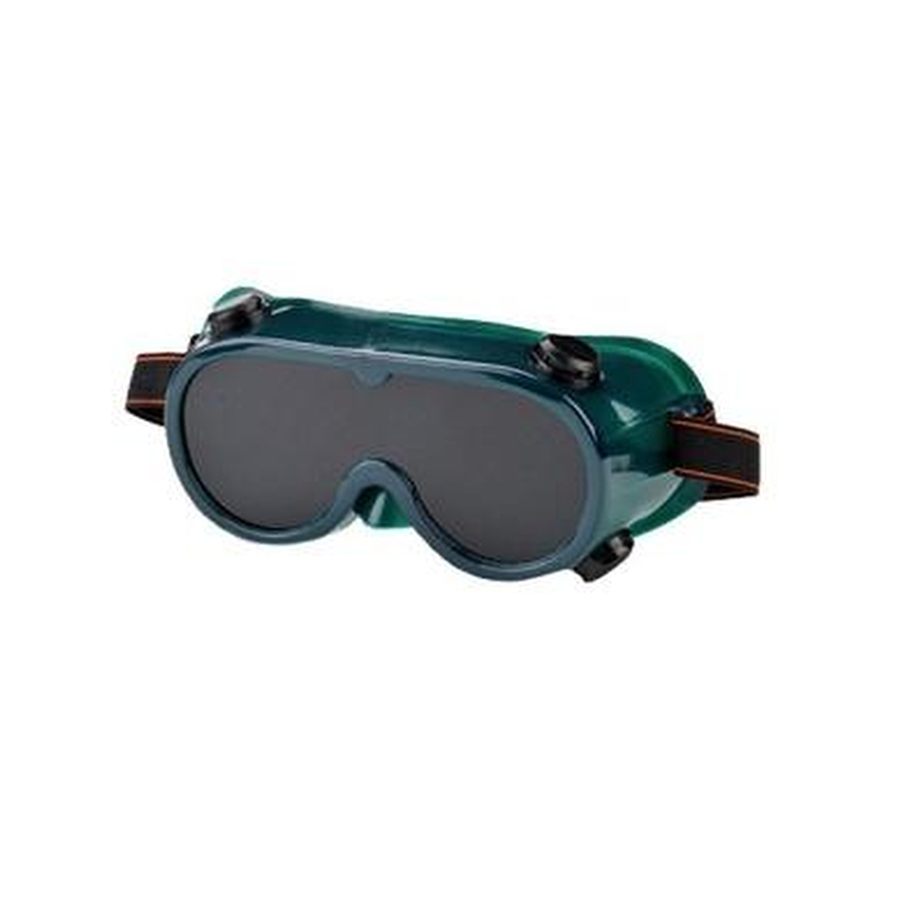
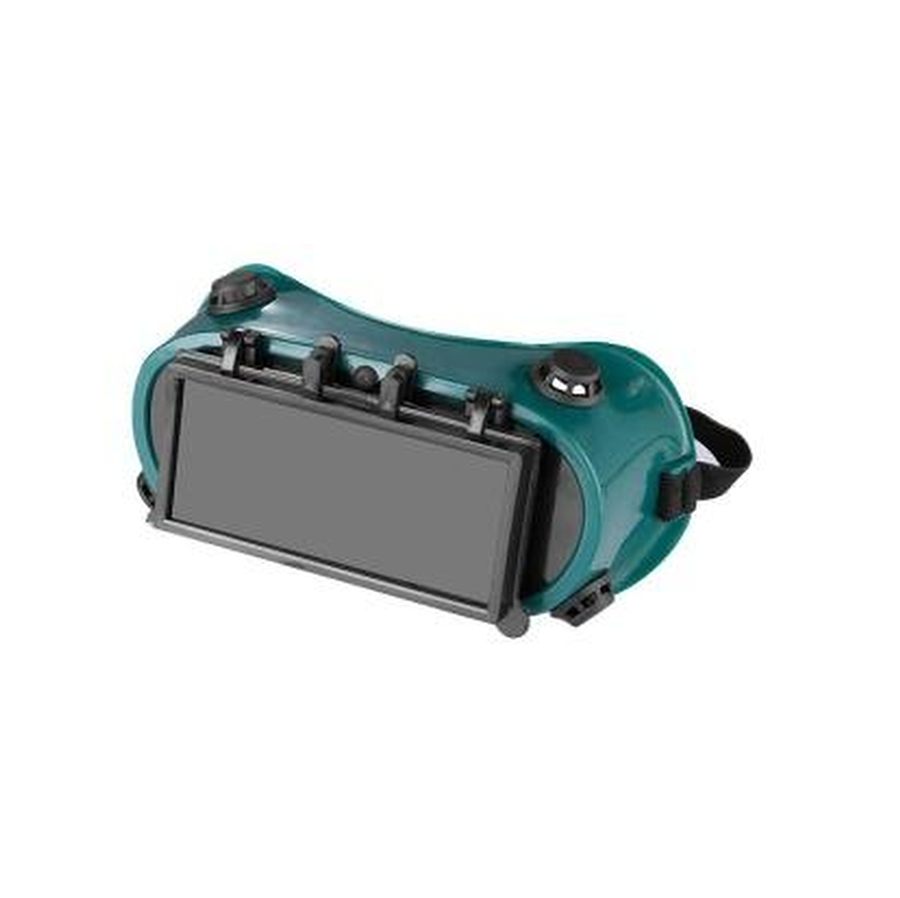
- Arc welding
- Gas welding and cutting
- Brazing and soldering
website
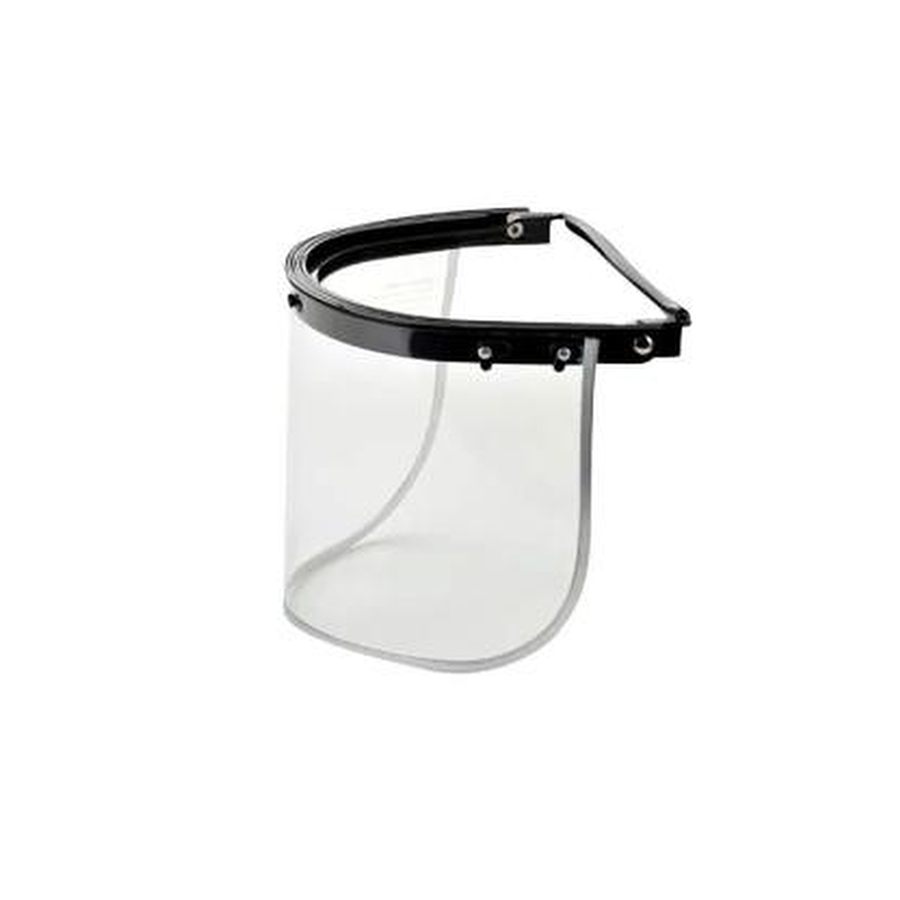
- Grinding and cutting
- Chemical splash risk
- Woodworking
website
Hearing Protection
OSHA requires hearing protection once workers are exposed to 85 decibels or more over an 8-hour period. Effectiveness is measured by the Noise Reduction Rating (NRR), in decibels.


| Type | Notes |
|---|---|
| Ear Plugs | Better attenuation at lower frequencies; must be rolled/inserted correctly to reach the rated NRR. |
| Ear Muffs | Better attenuation at mid frequencies; faster to put on and take off, good for intermittent noise. |
| Combined (plugs + muffs) | Add 5 dB to whichever item has the higher NRR; don't simply add the two ratings together. |
Real-world attenuation is typically about half the labelled NRR, since the rating assumes a perfect fit.
website
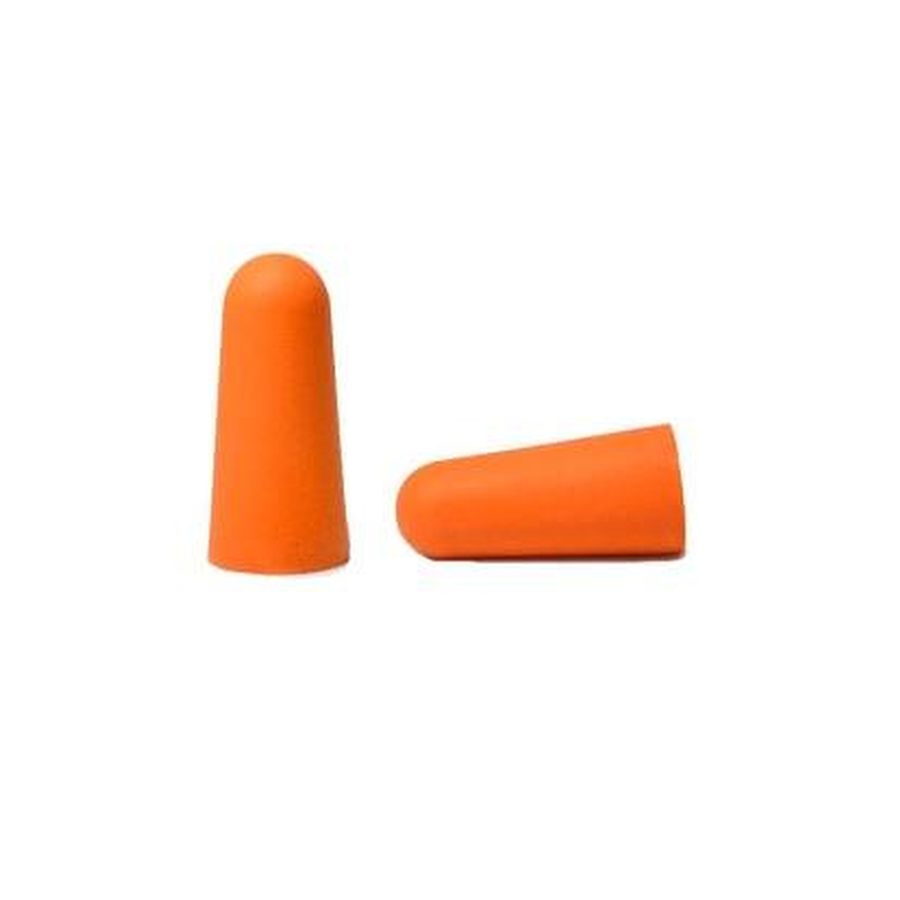
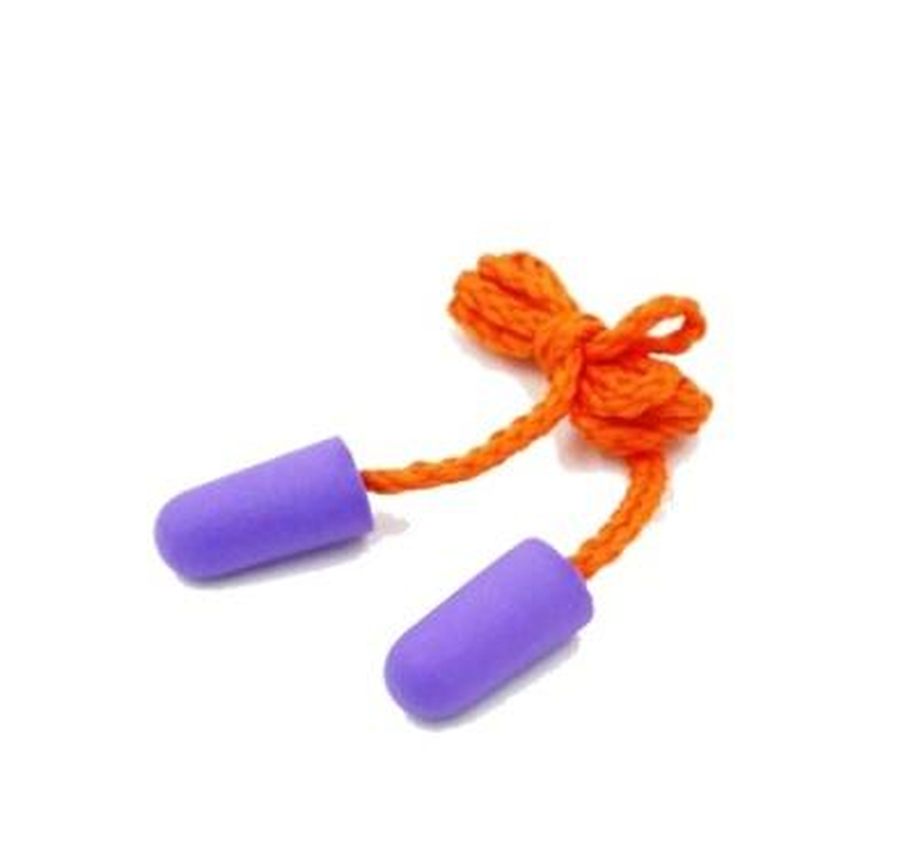
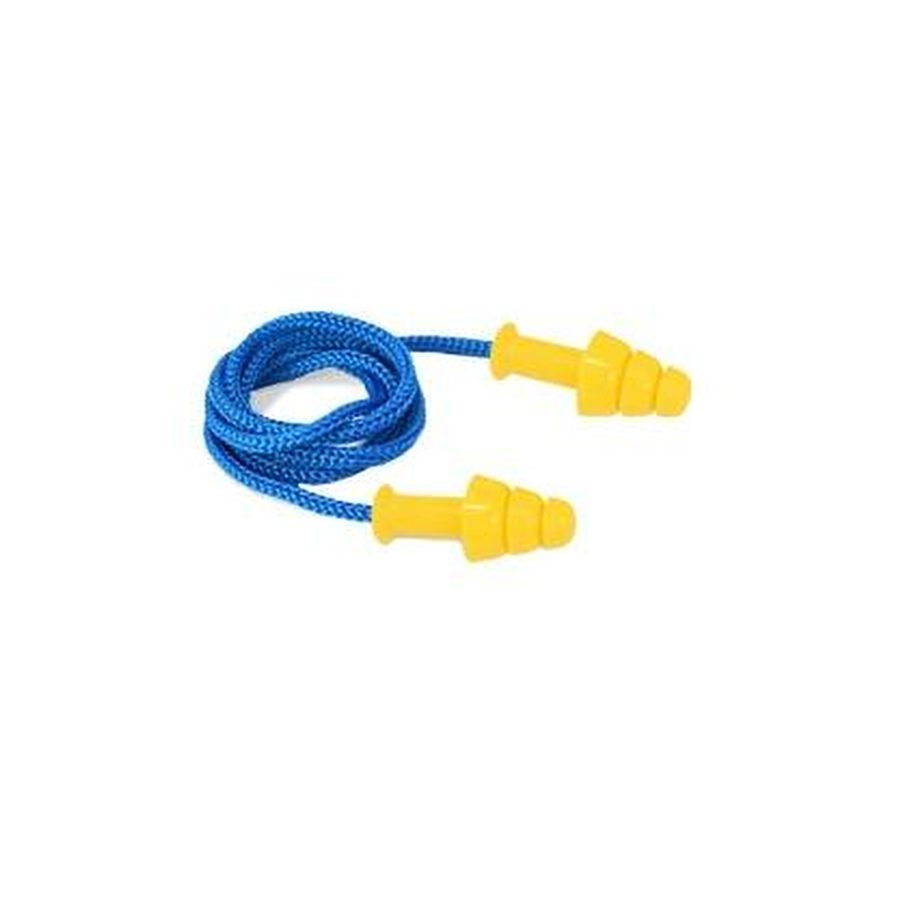

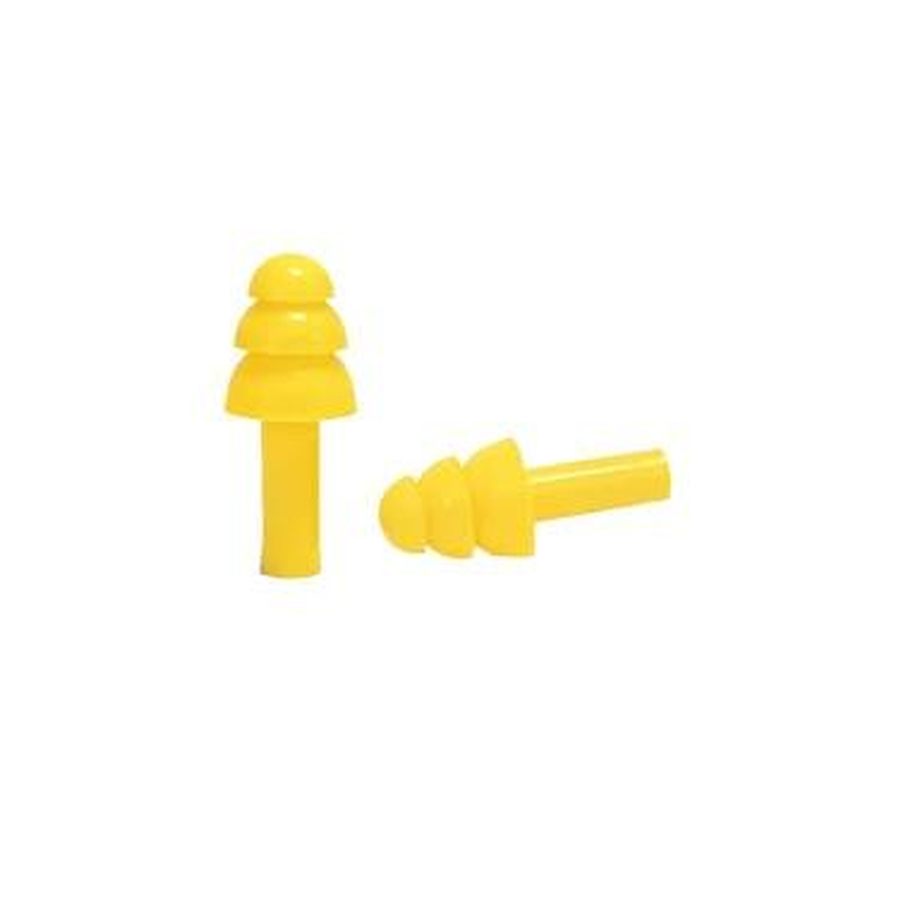
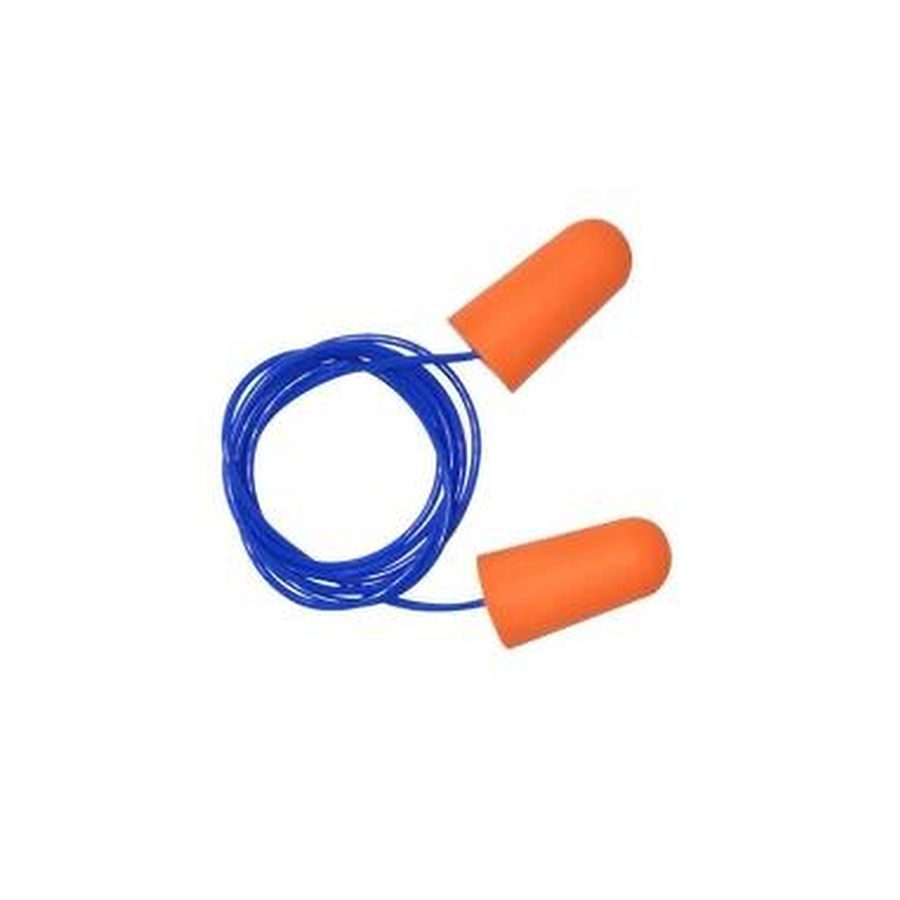

- Manufacturing floors
- Road and traffic work
- Any job with intermittent noise exposure
website
Masks & Respiratory Protection
NIOSH filter names combine a letter (oil resistance) and a number (filtration efficiency): N = not oil resistant, R = oil resistant, P = oil-proof; the number is the % of 0.3-micron particles filtered.


| Type | What it does |
|---|---|
| N95 | NIOSH-certified, filters ≥95% of 0.3-micron particles, seals to the face with two head straps. |
| KN95 | China's GB 2626 equivalent to N95, not NIOSH-certified; testing has found some products underperform their rating. |
| Surgical / Medical Mask | Cleared for fluid and splash resistance; does not seal to the face, so filtration is well below a properly fitted N95. |
| Cloth / Reusable Mask | Lowest level of filtration; a barrier, not a certified respirator. |
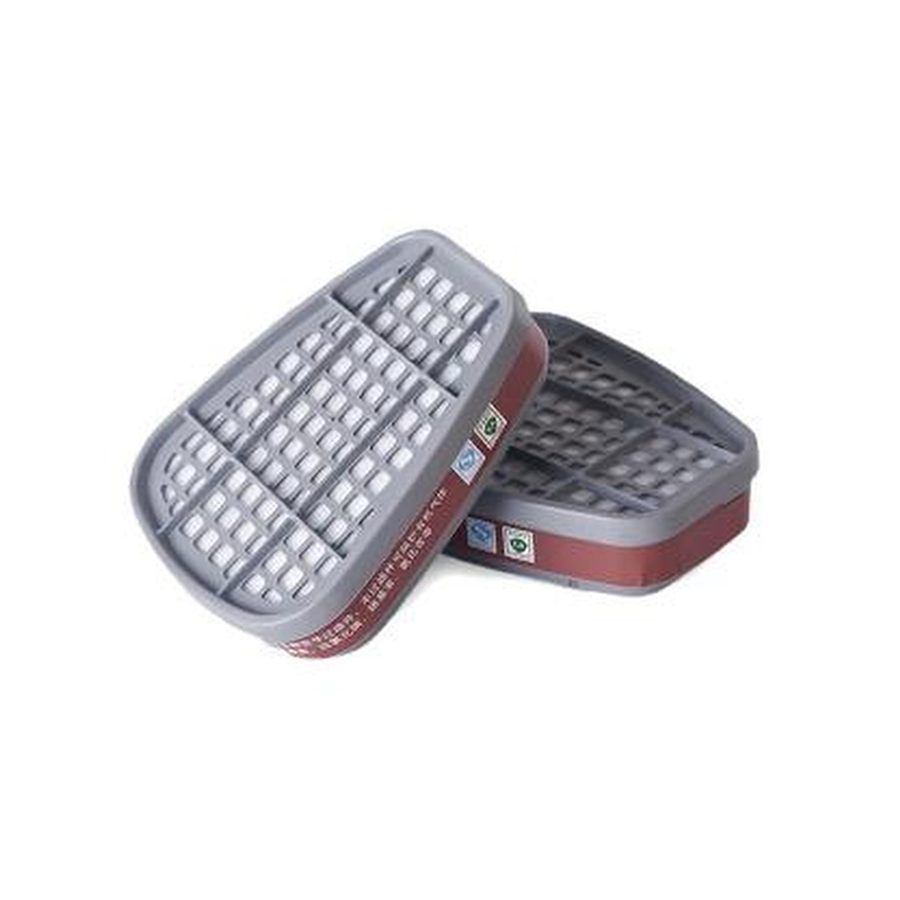
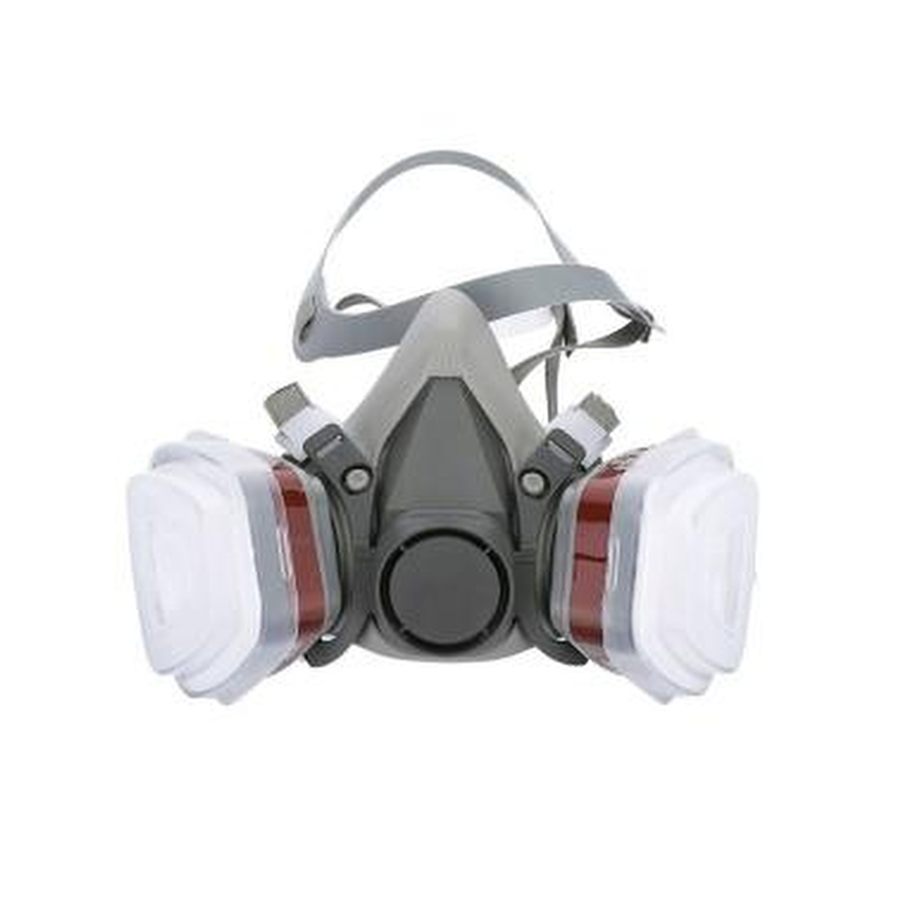
| Half-Face Cartridge Respirator | Reusable elastomeric mask with swappable particulate/vapour cartridges (e.g. P100 filters ≥99.97%). |
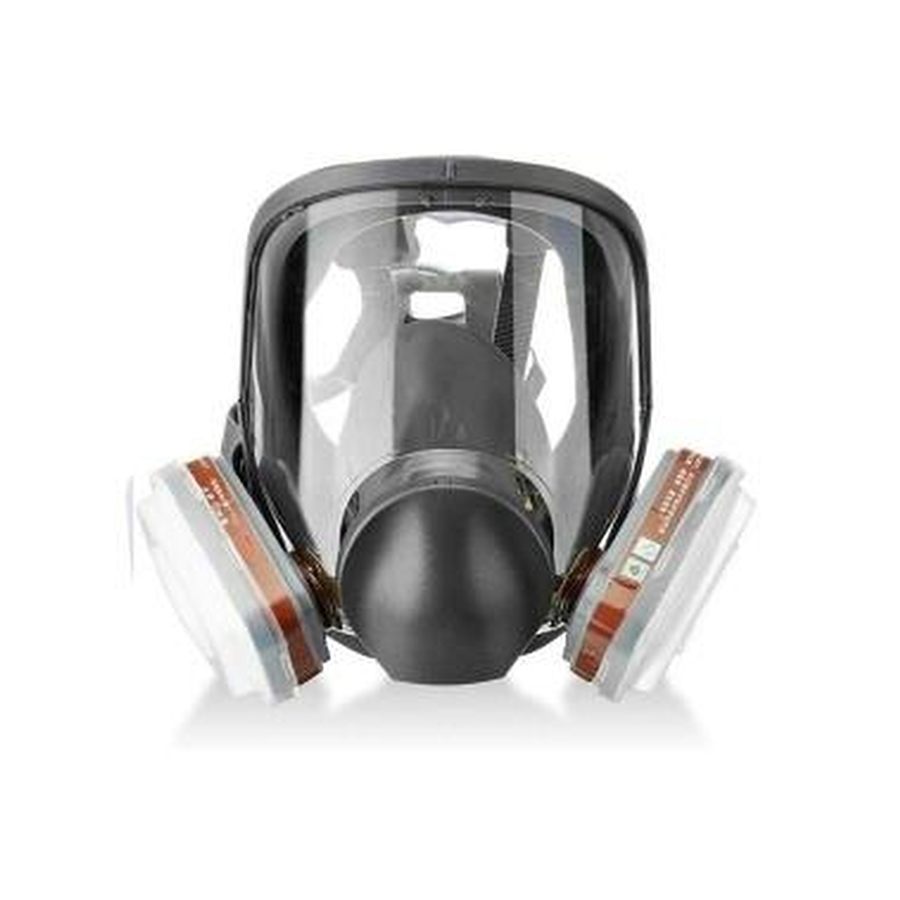
| Full-Face Respirator | Adds eye and face protection to respiratory protection; used for higher-hazard atmospheres. |
website
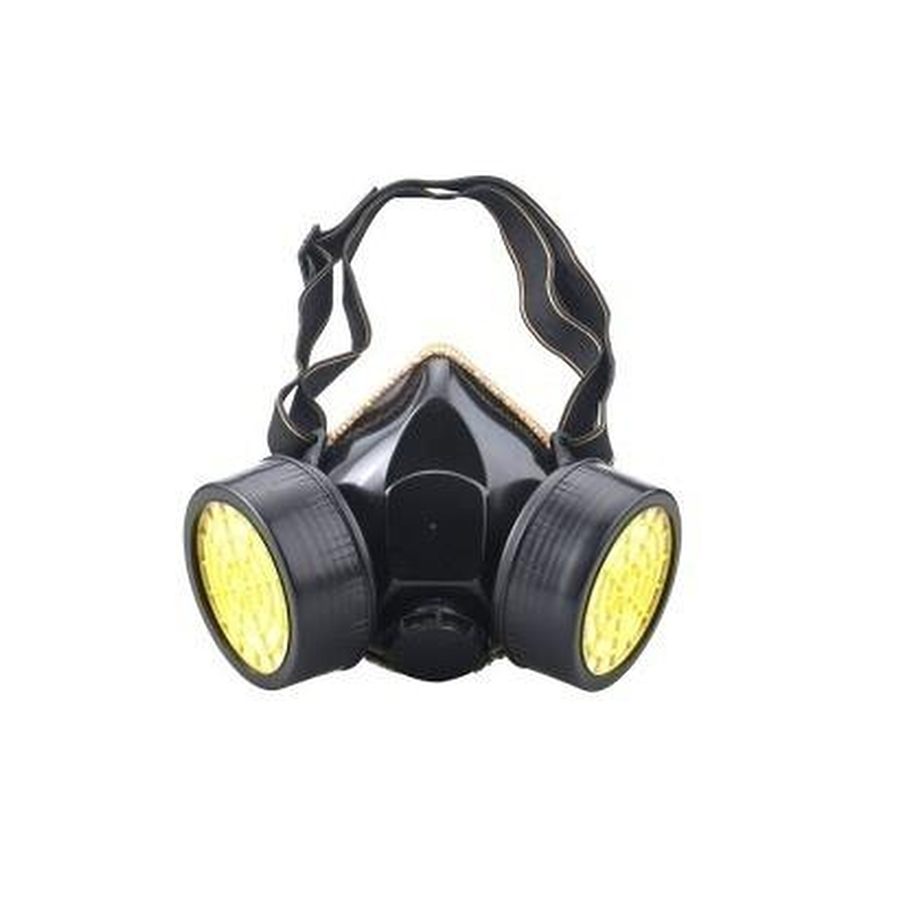
- Chemical handling and spraying
- Fumigation
- Confined space entry
- Industrial painting
website
Hand Protection
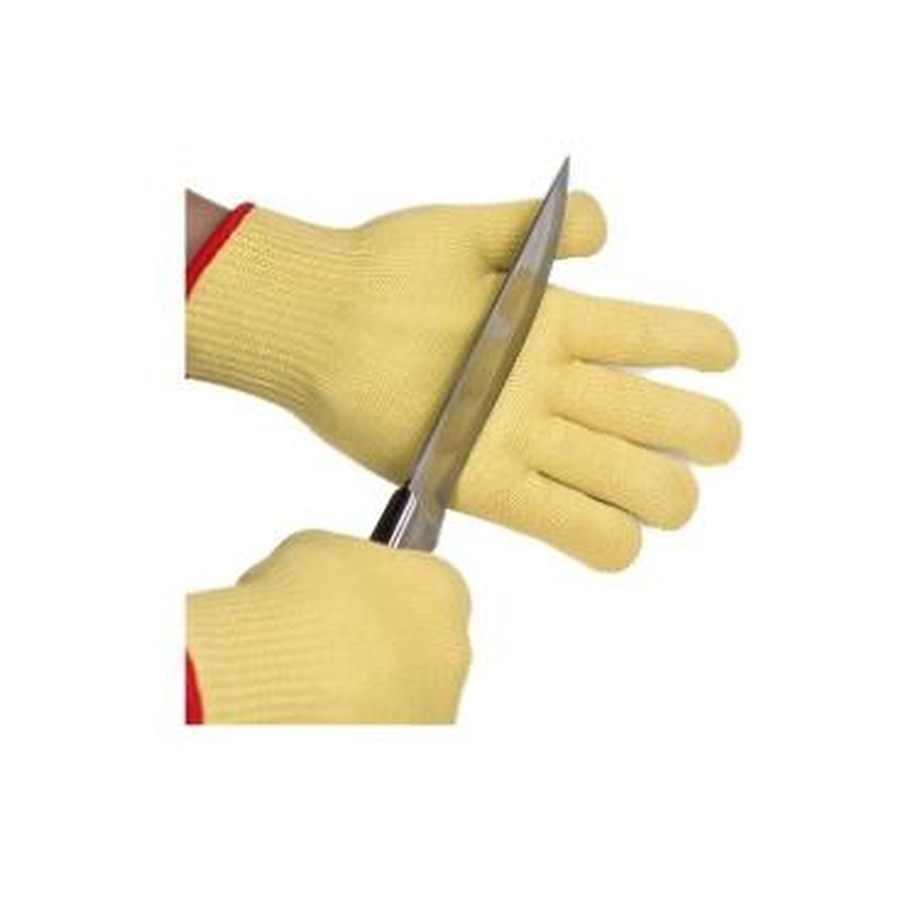
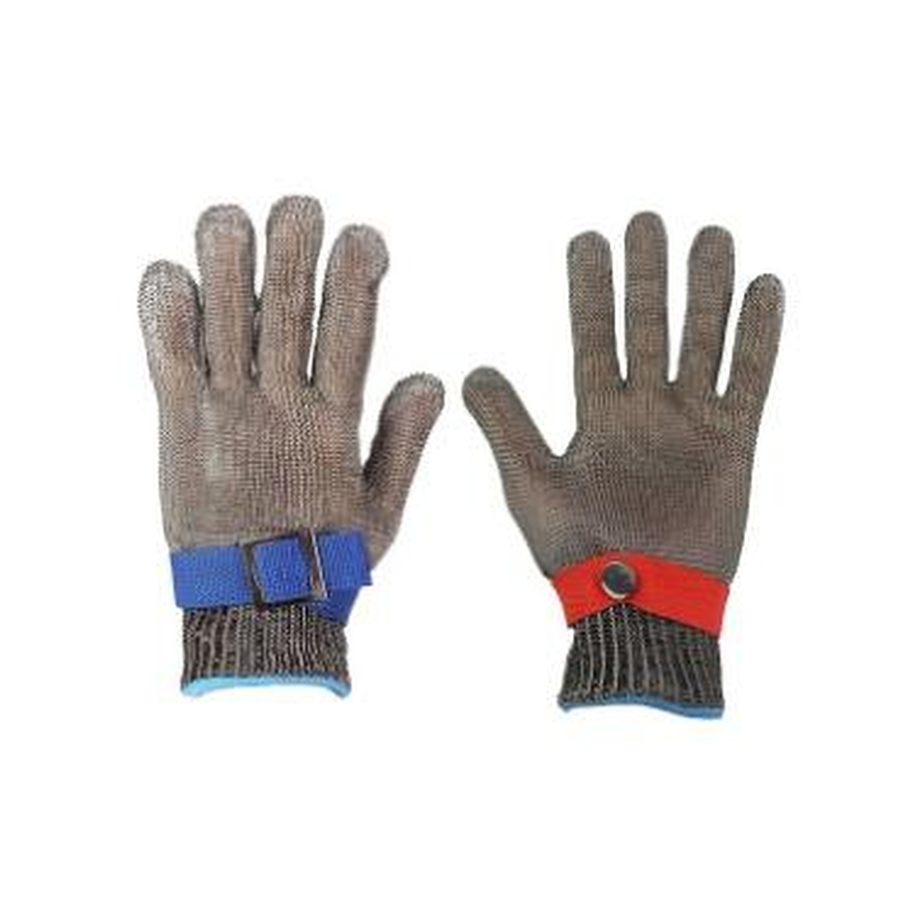
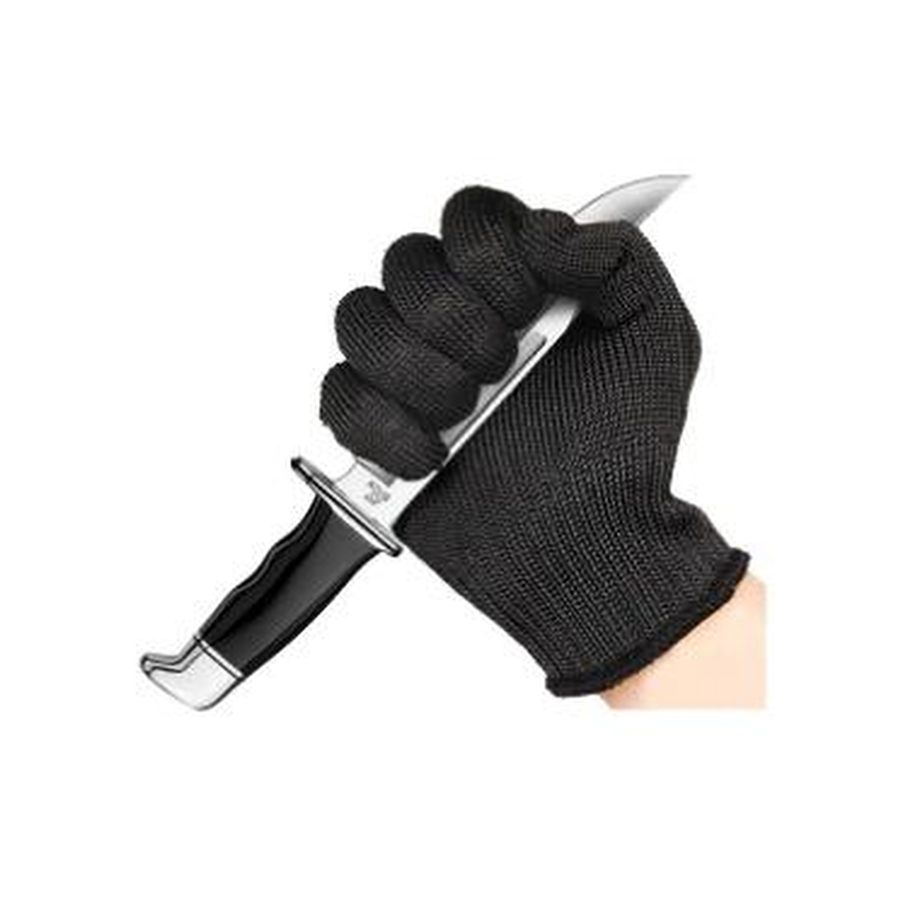
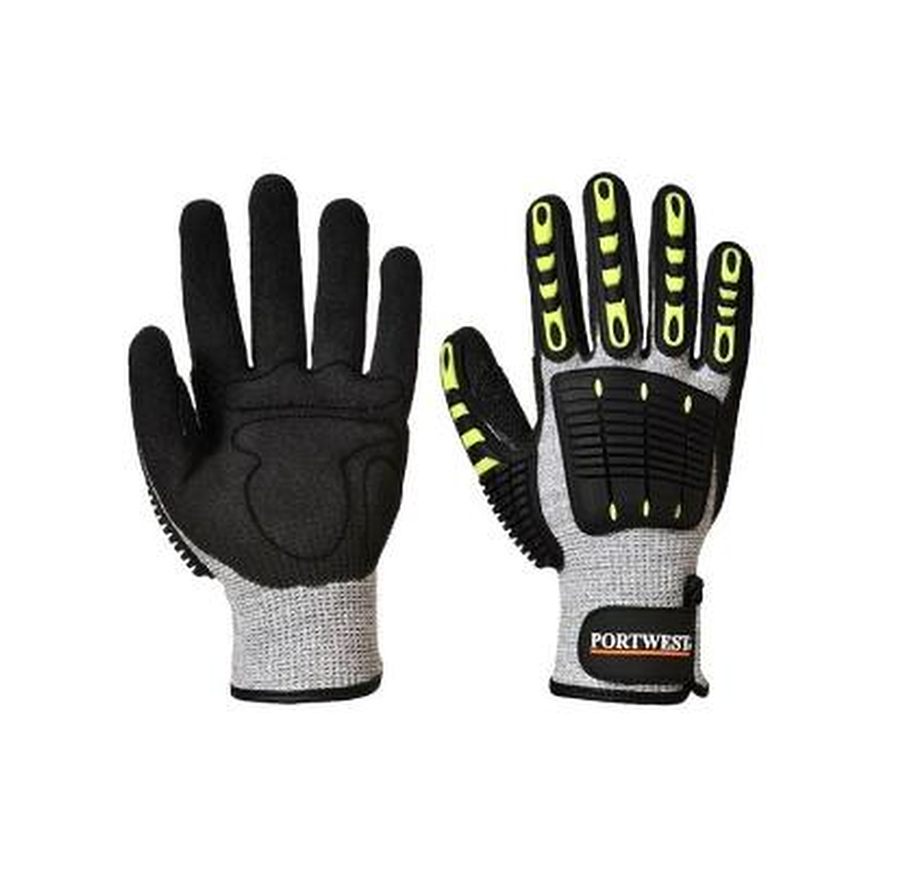
Cut resistance is rated A1 (lowest) to A9 (highest) under ANSI/ISEA 105. Electrical insulating gloves are rated separately, by maximum working voltage.


Cut Resistance (ANSI/ISEA 105)
| Level | Typical Use |
|---|---|
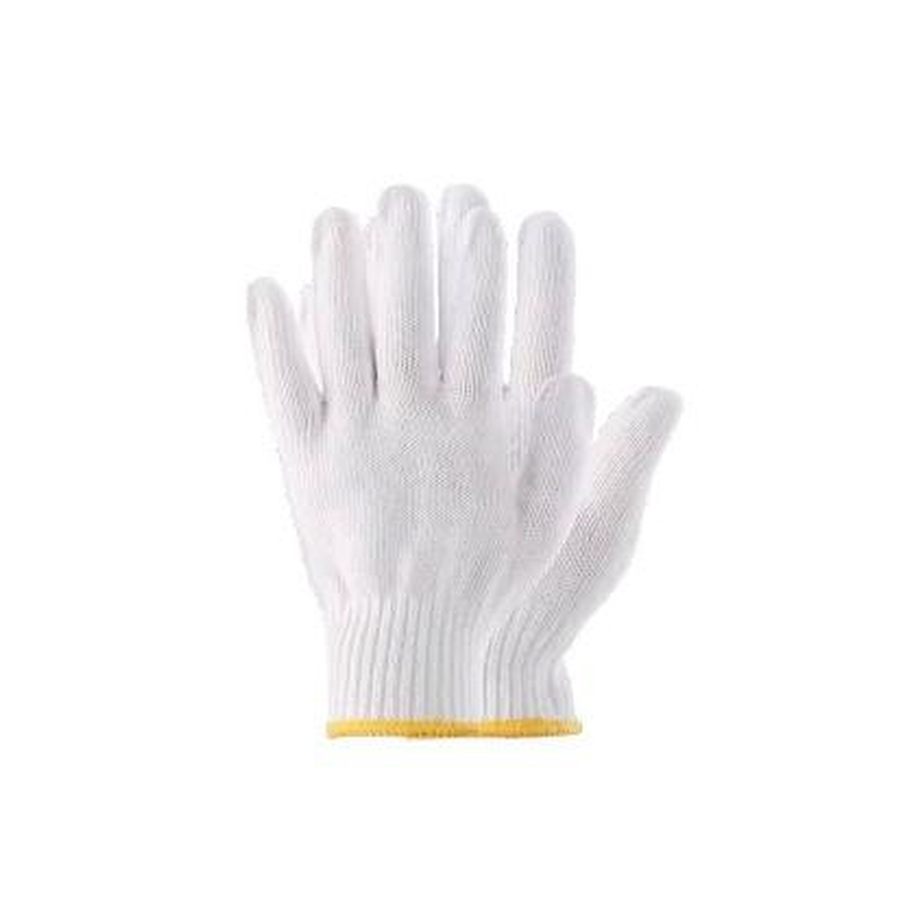
| A1–A3 | Light duty: food prep, packaging, general handling. |
| A4–A6 | Medium risk: construction, glass handling, sheet metal. |
| A7–A9 | High risk: heavy blades, forceful cutting. |
Electrical Insulating Gloves (ASTM D120)
| Class | Max Use Voltage (AC) |
|---|---|
| Class 00 | 500 V |
| Class 0 | 1,000 V |
| Class 1 | 7,500 V |
| Class 2–4 | 17,000 – 36,000 V |
Insulating gloves are always worn with leather protector gloves over them, and must be tested/inspected before each use.
website
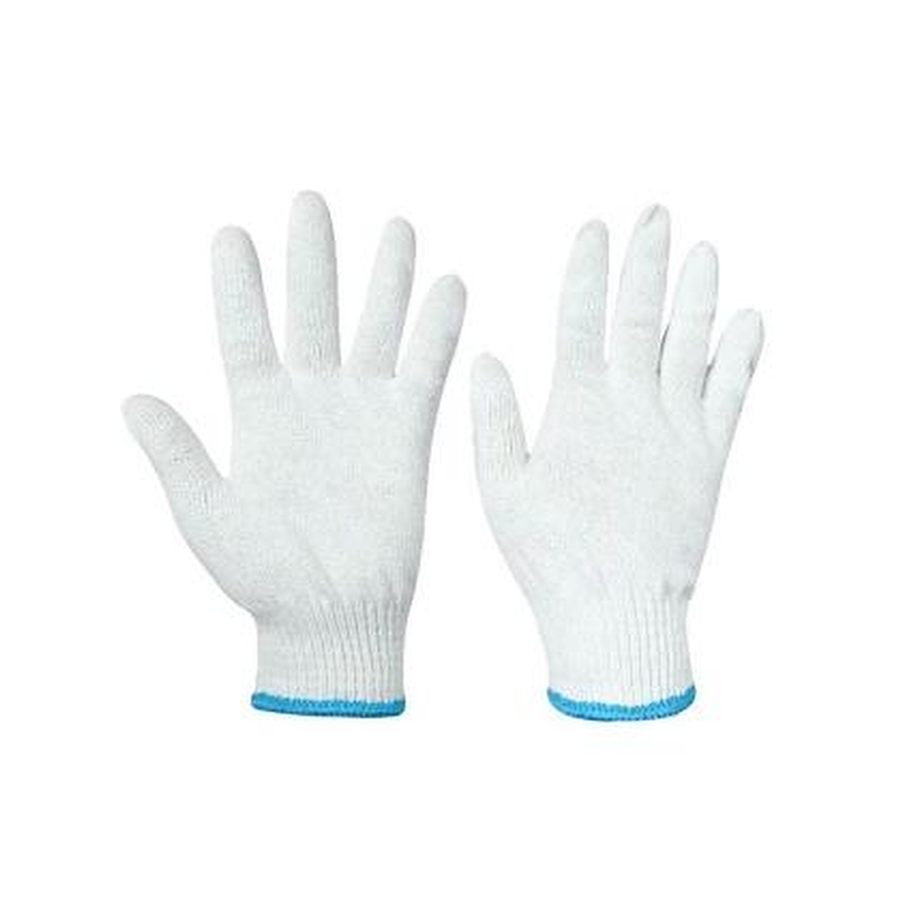
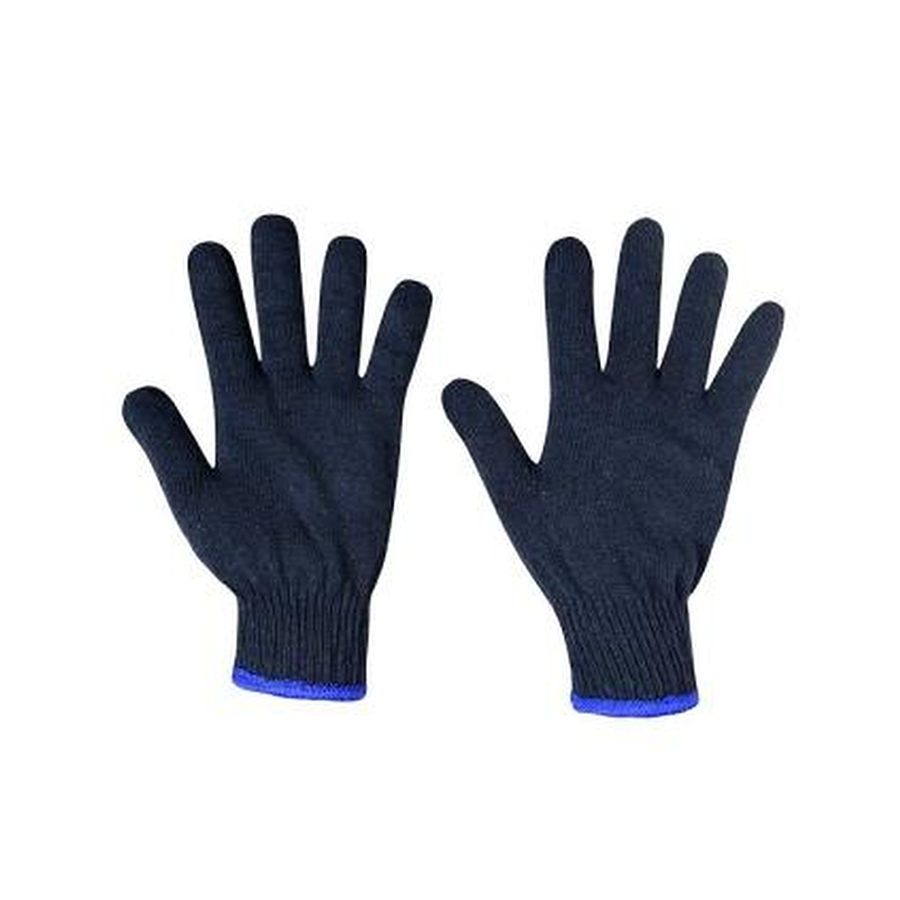
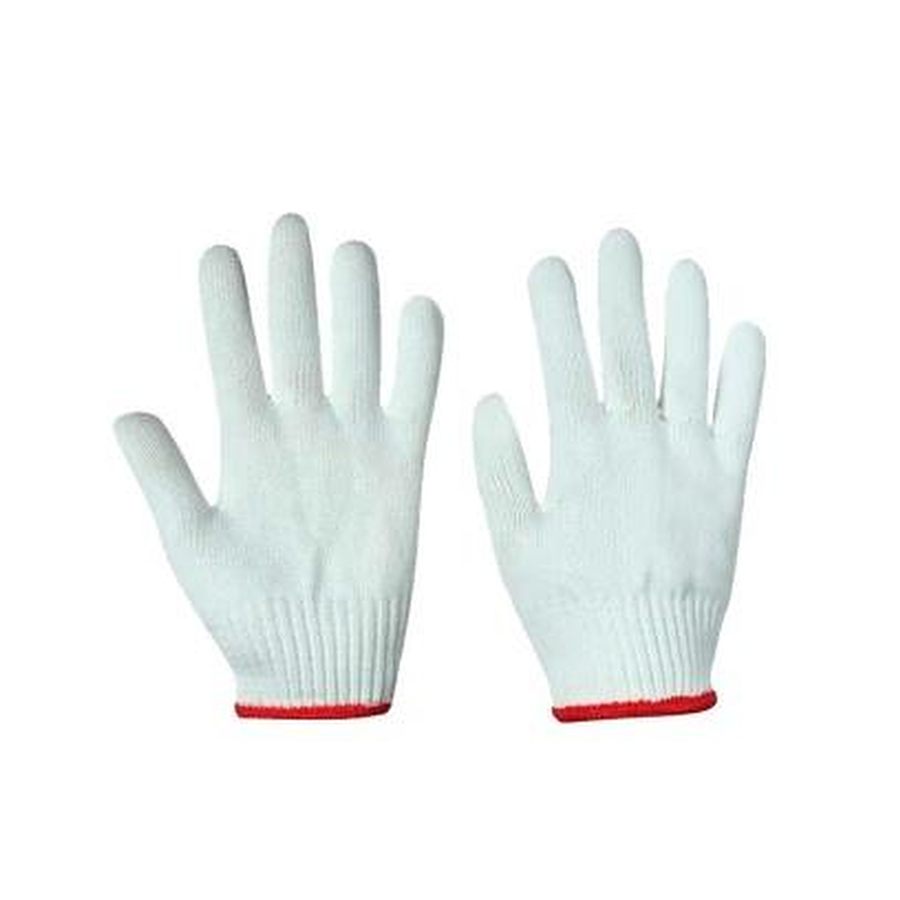
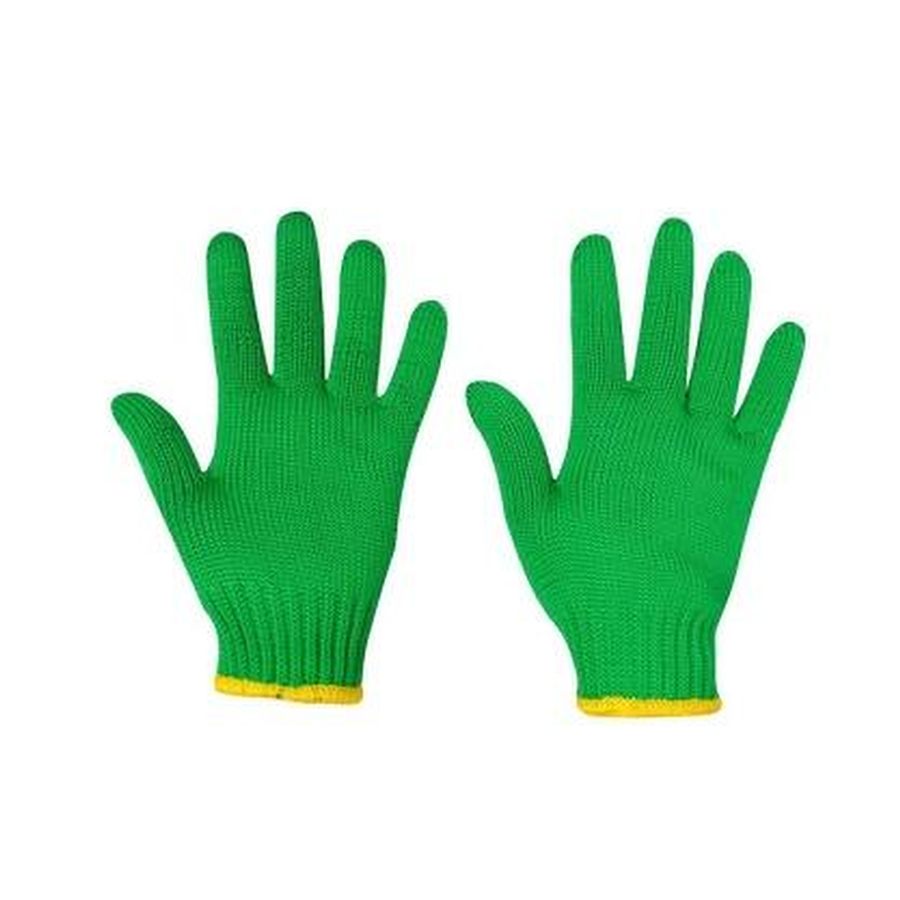
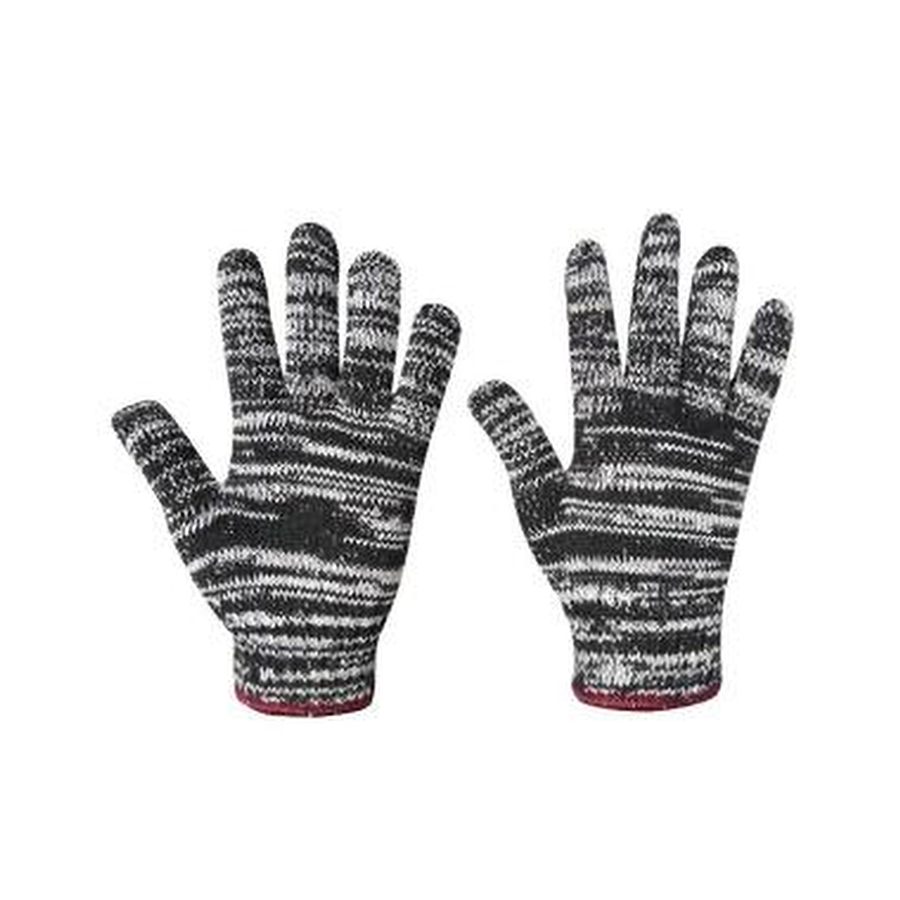
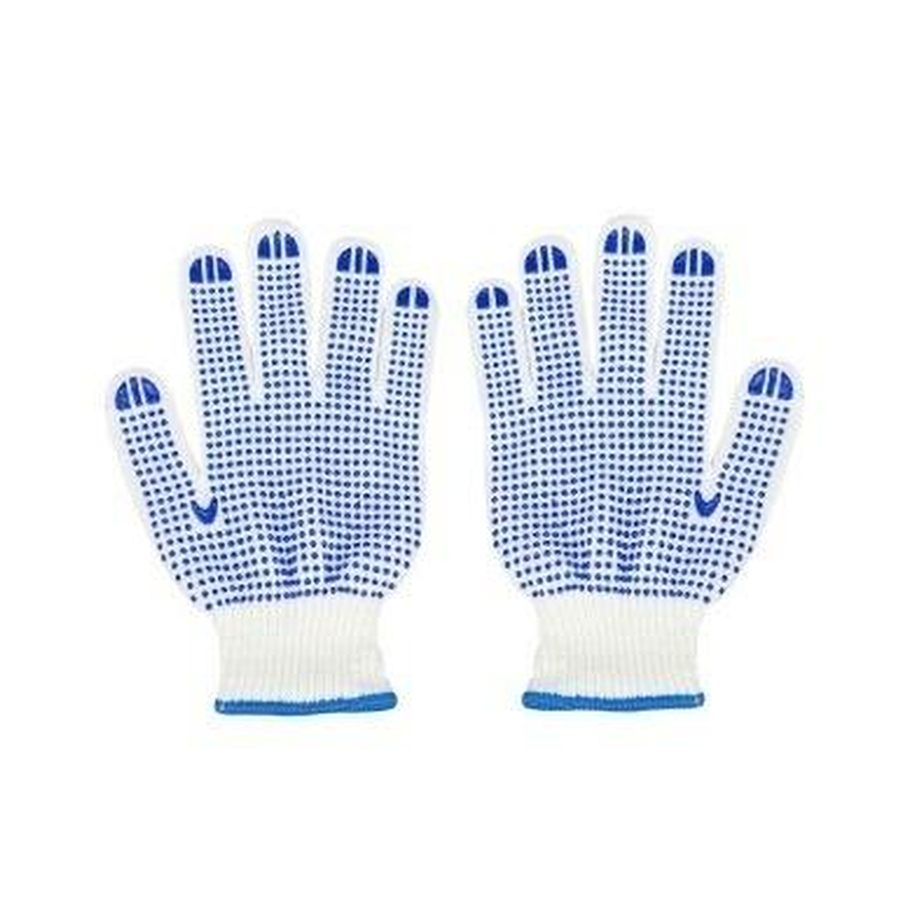
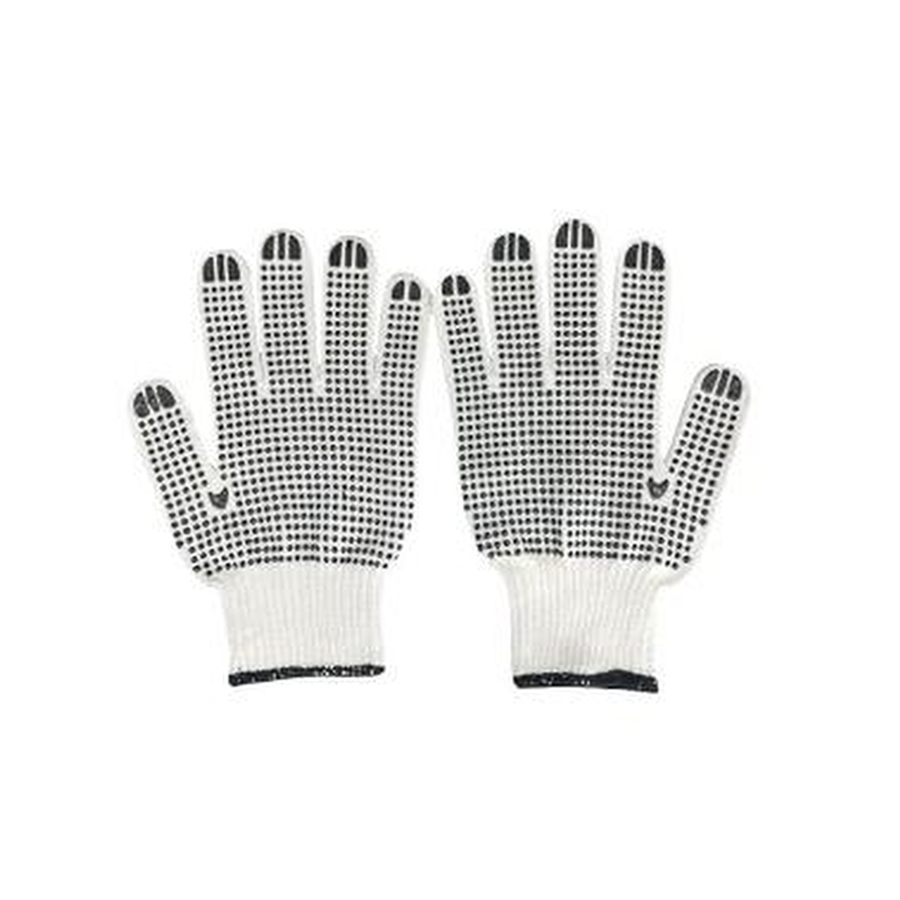
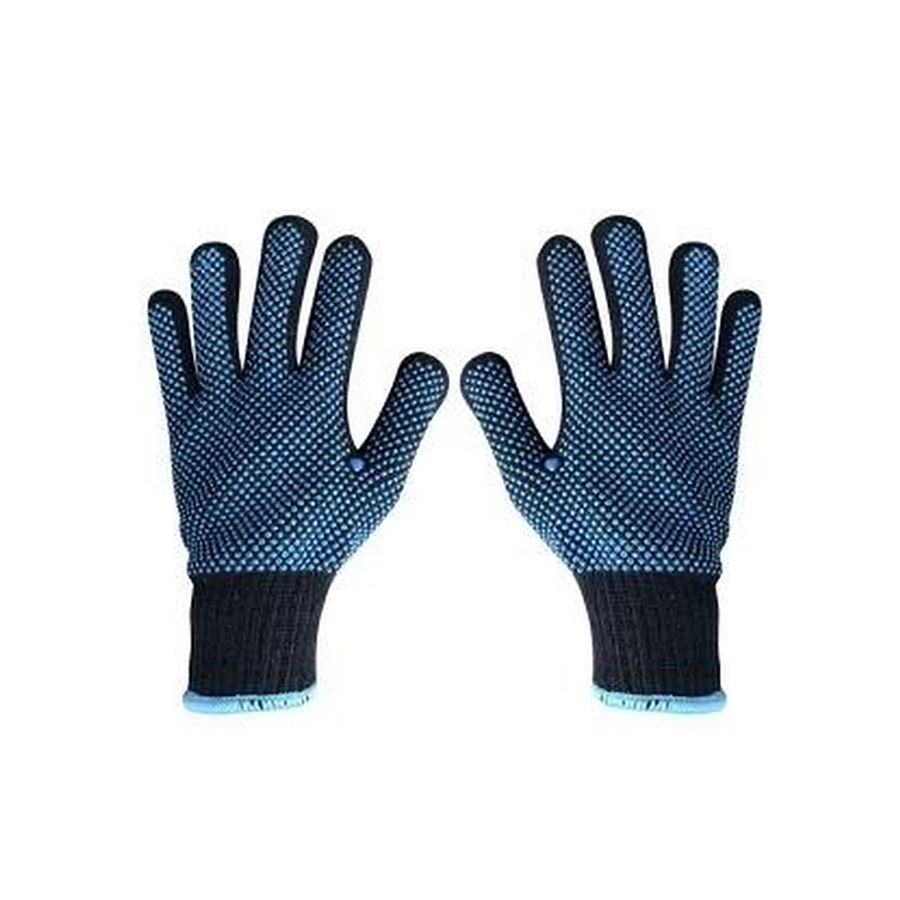
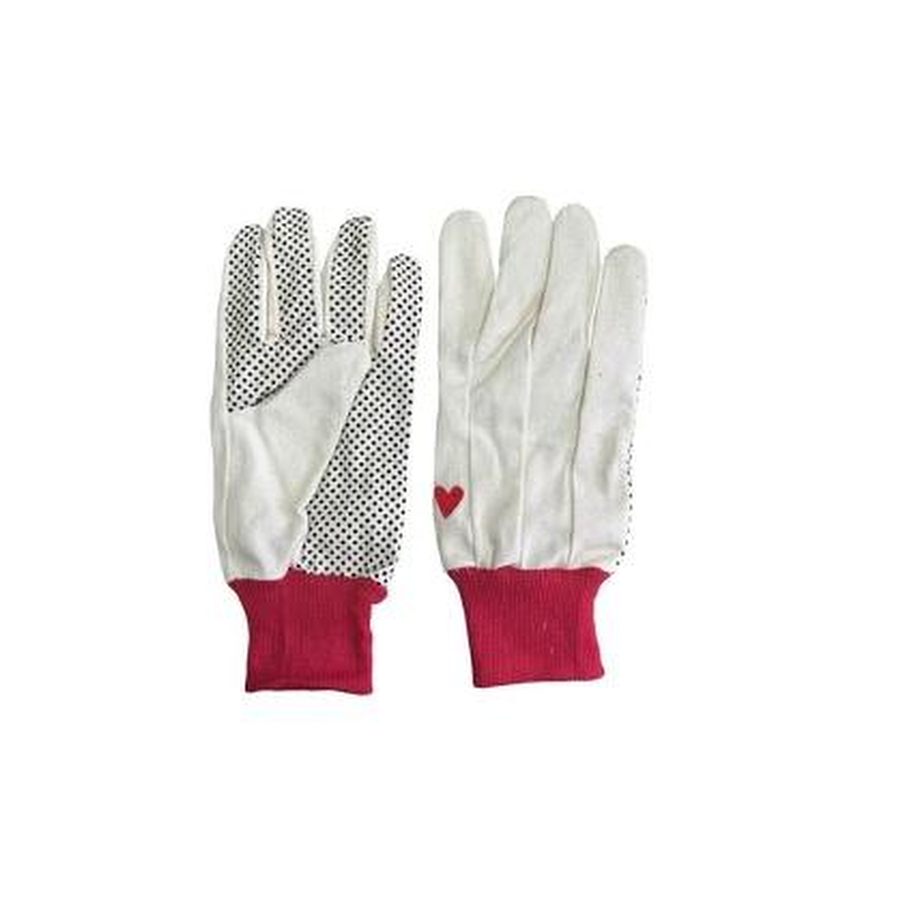
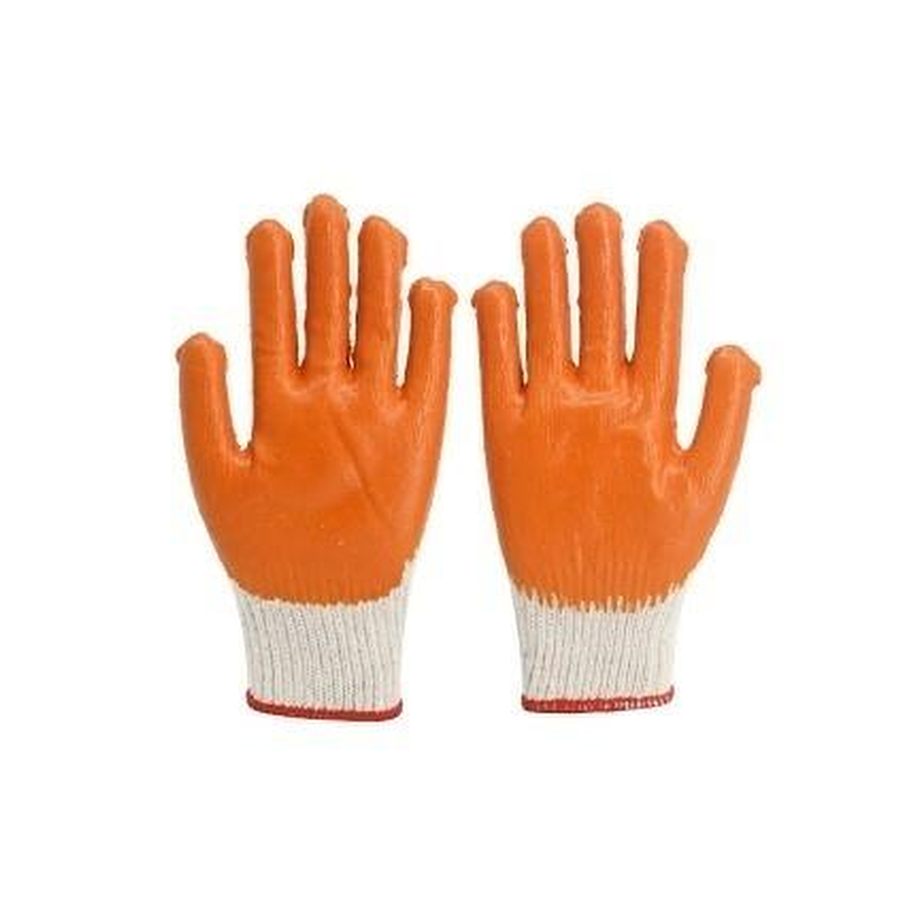
- Warehousing and picking
- Light assembly
- Gardening
- General site labour
website
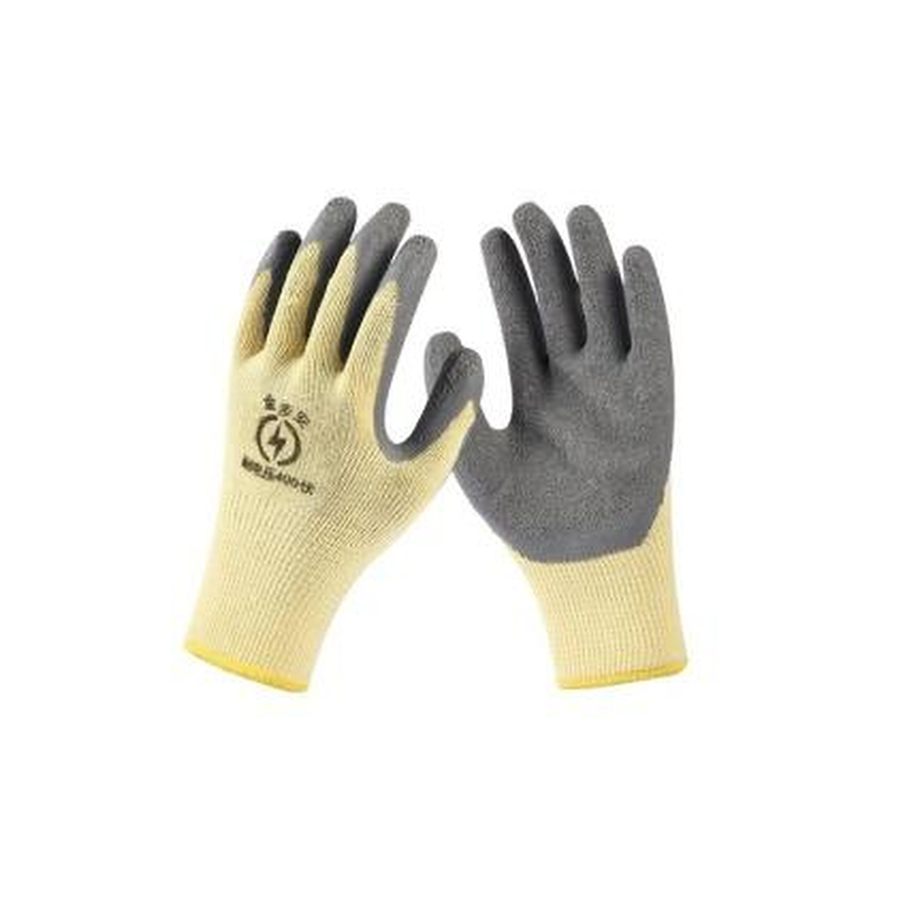
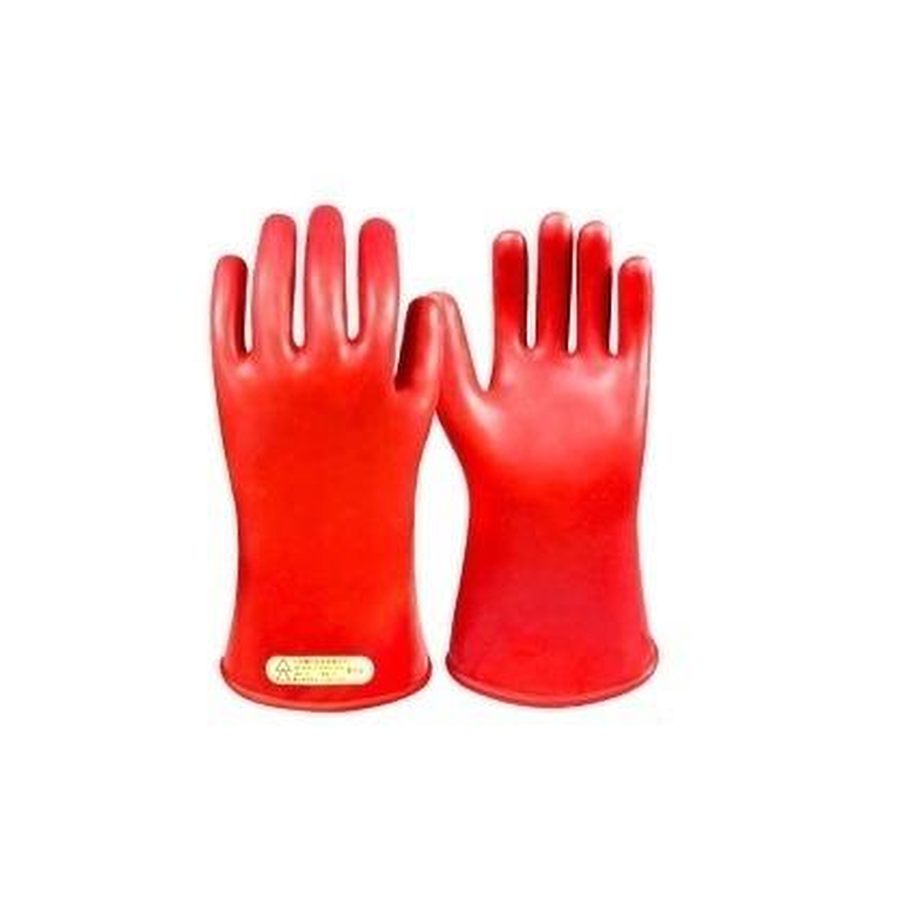
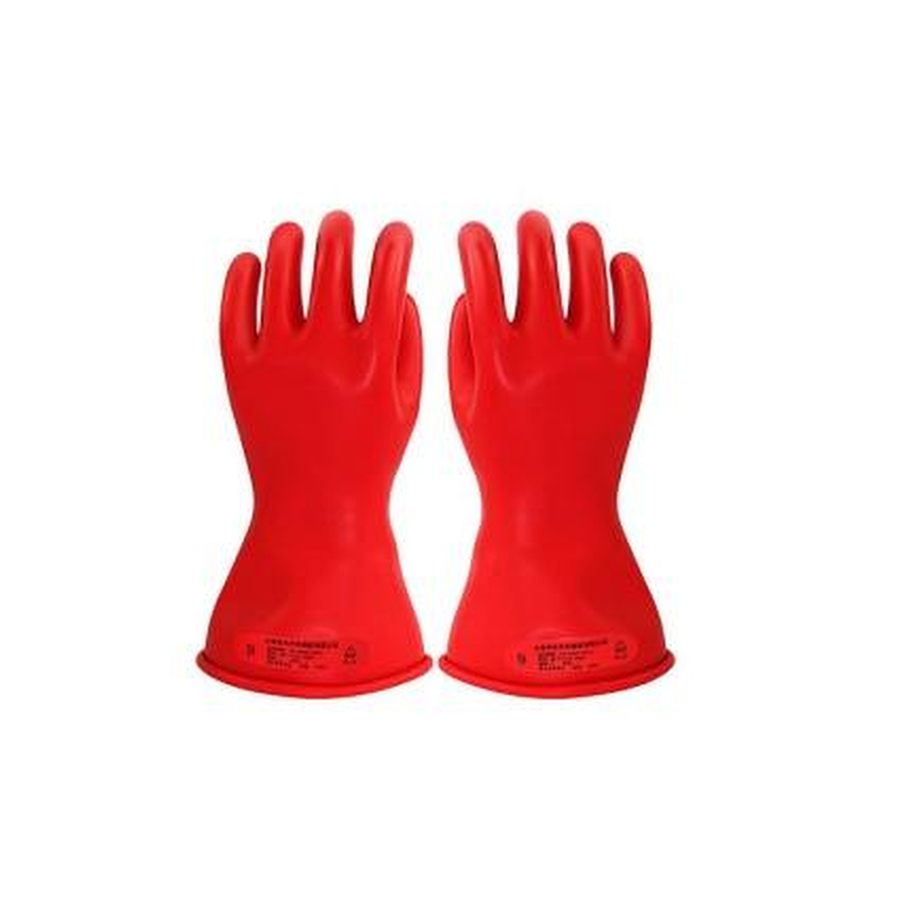
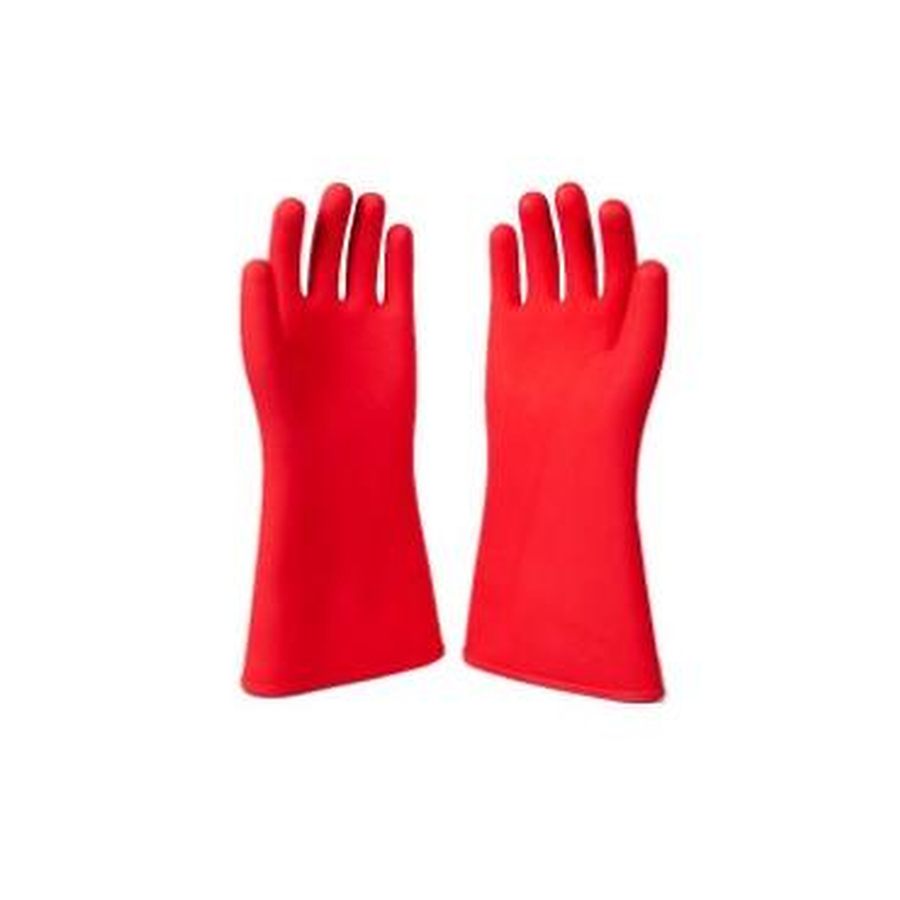
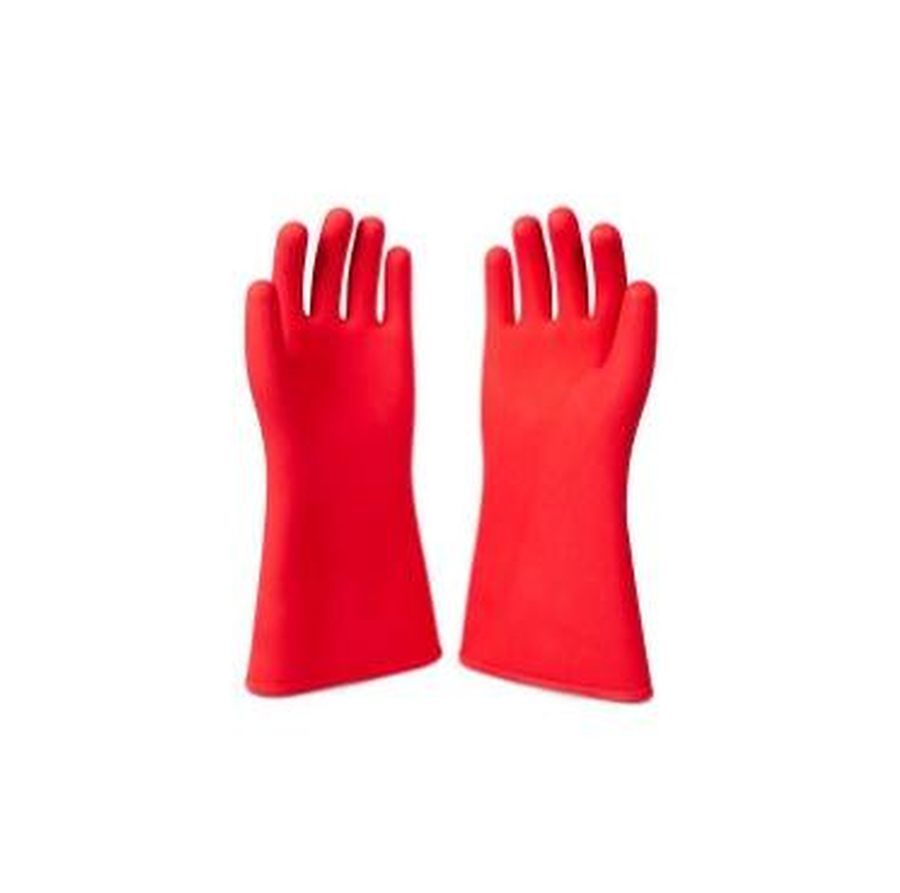
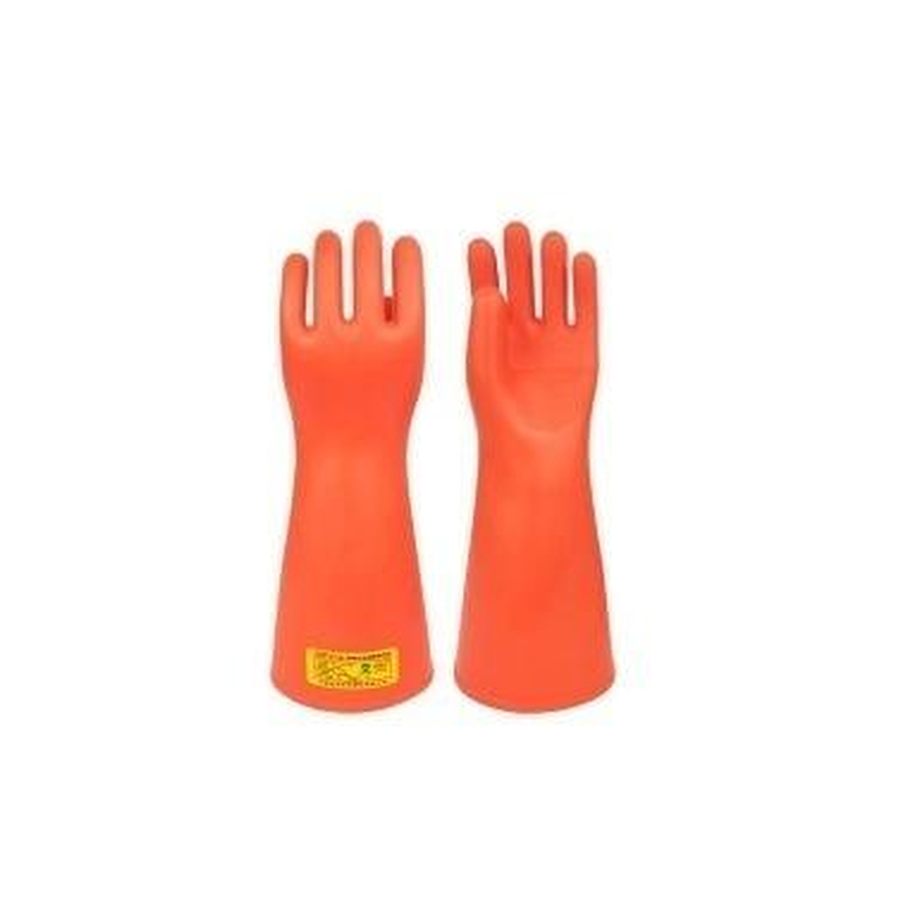
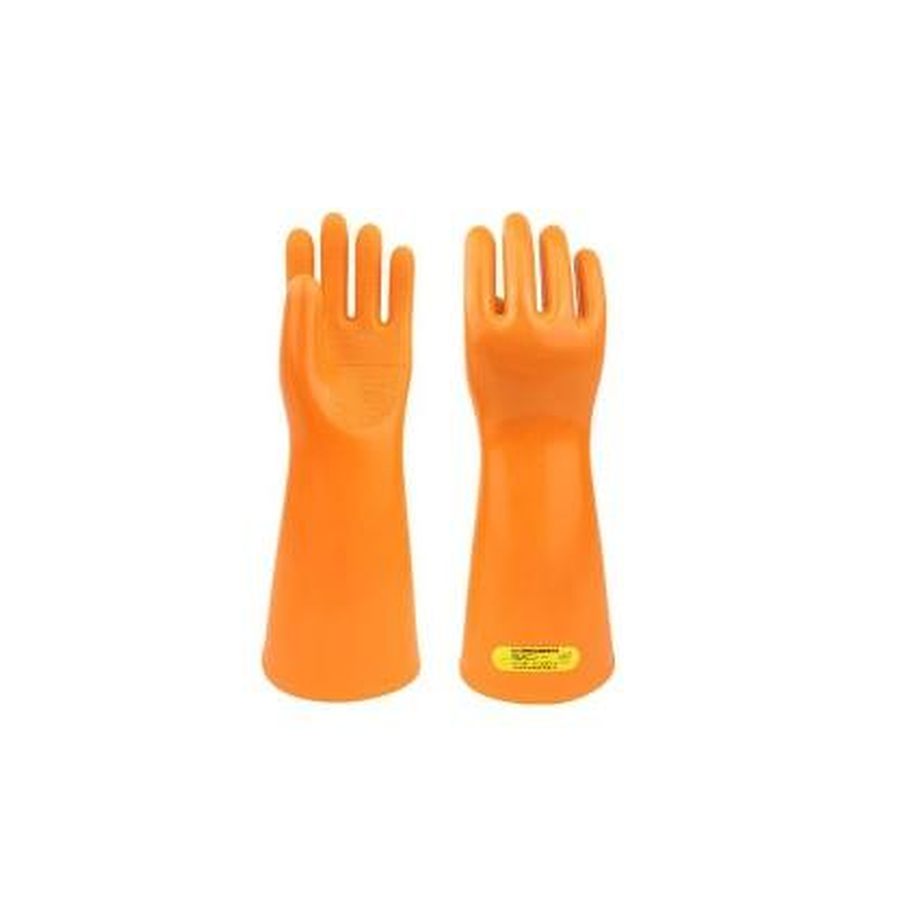
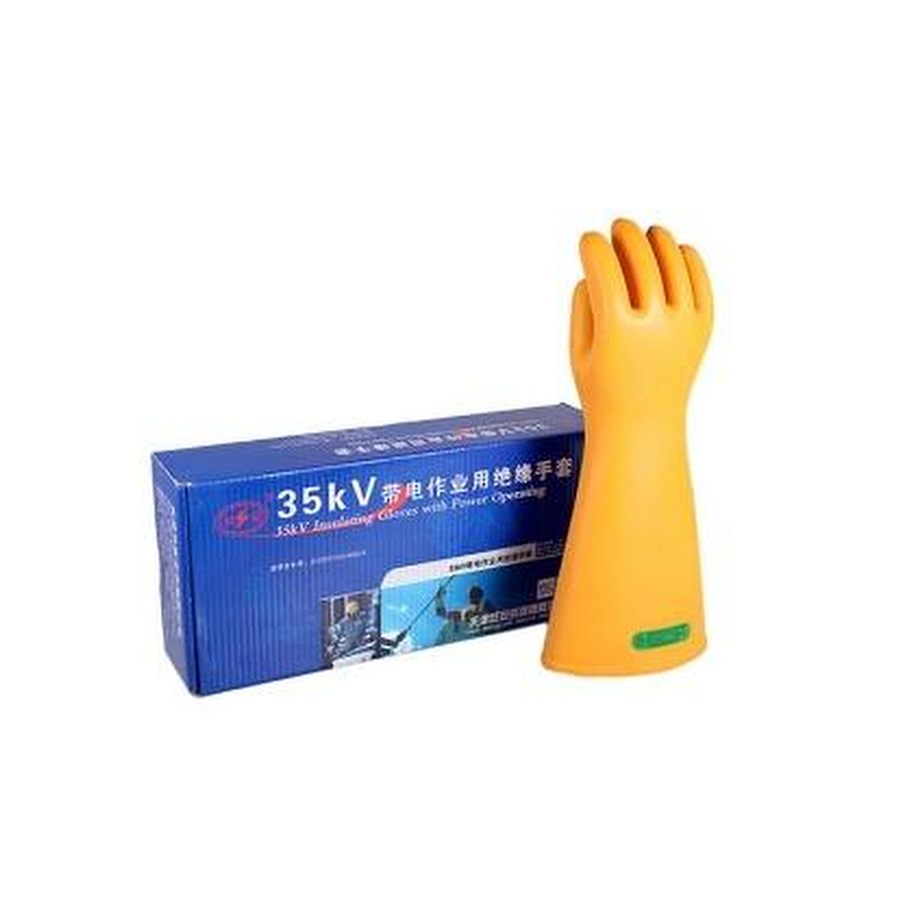
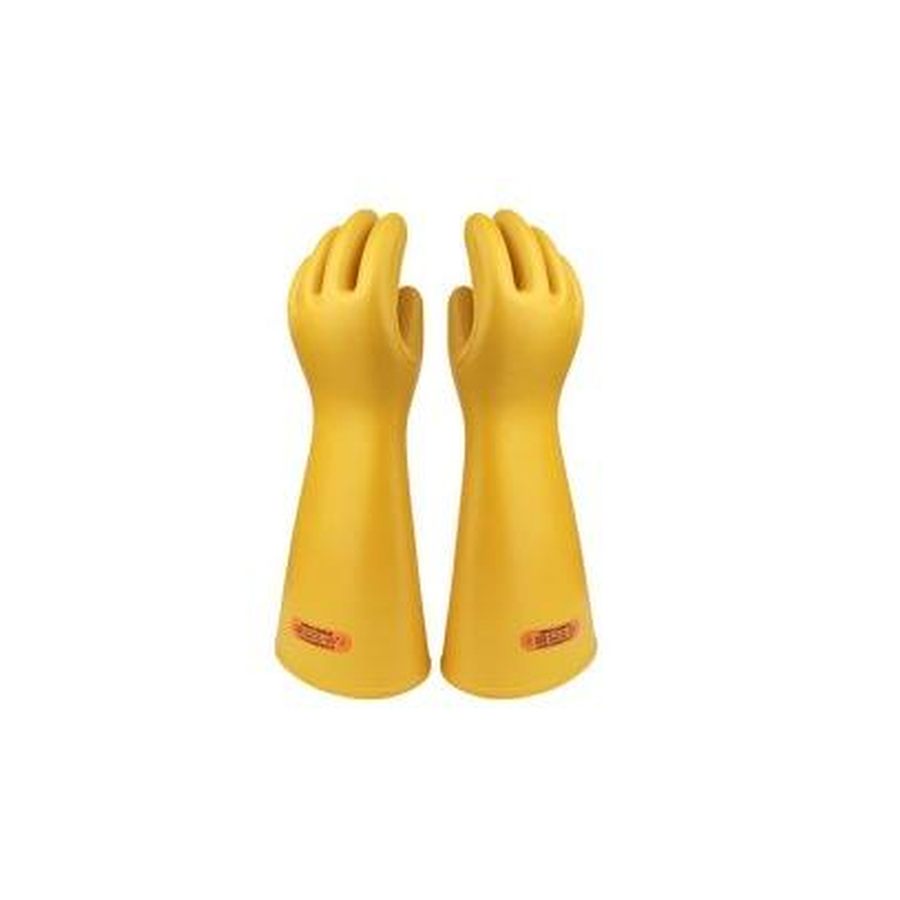
- Live electrical work
- Substation maintenance
- Utility line work
website
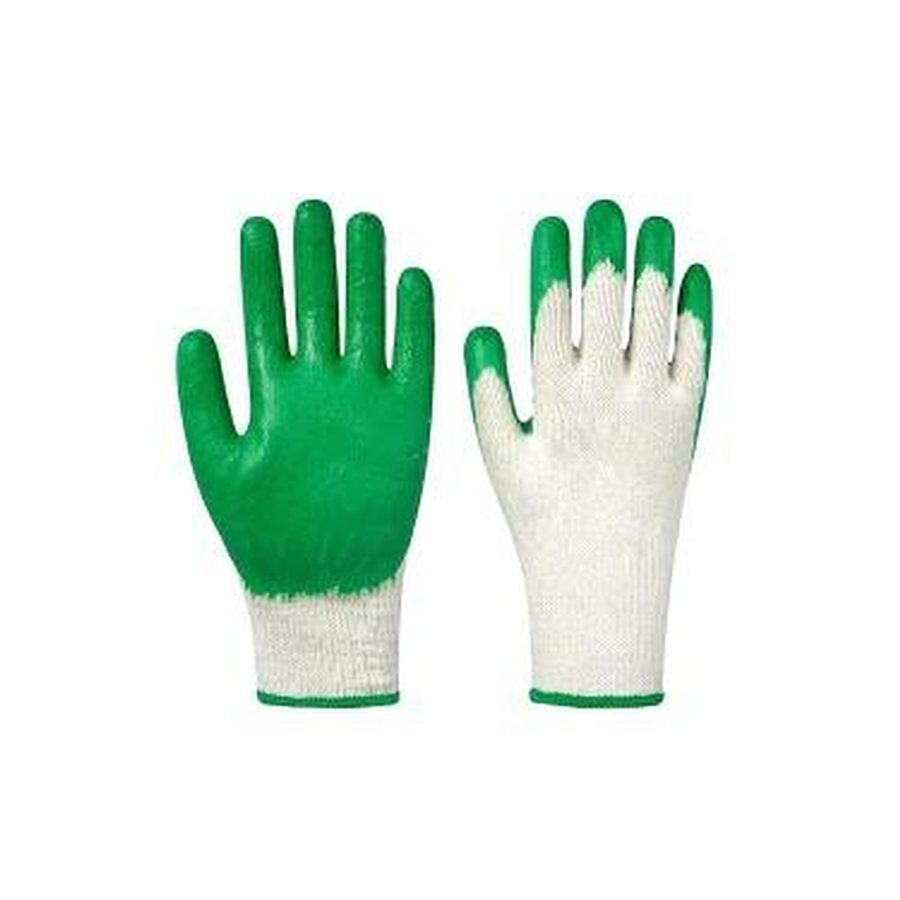
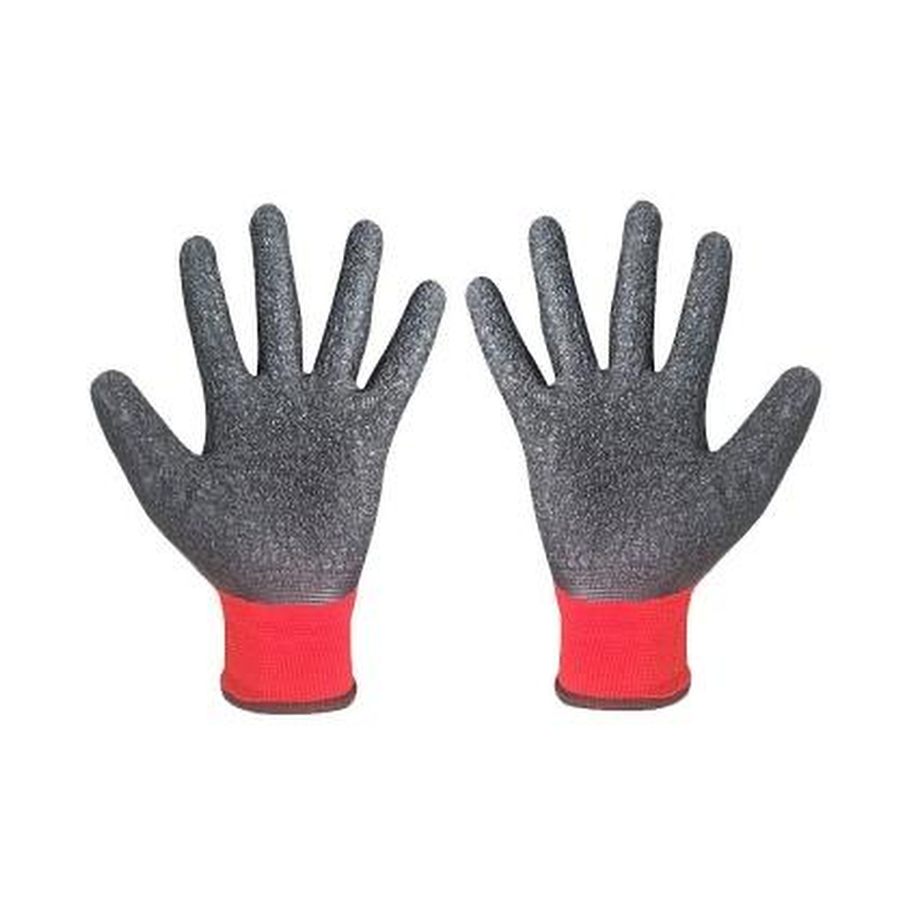
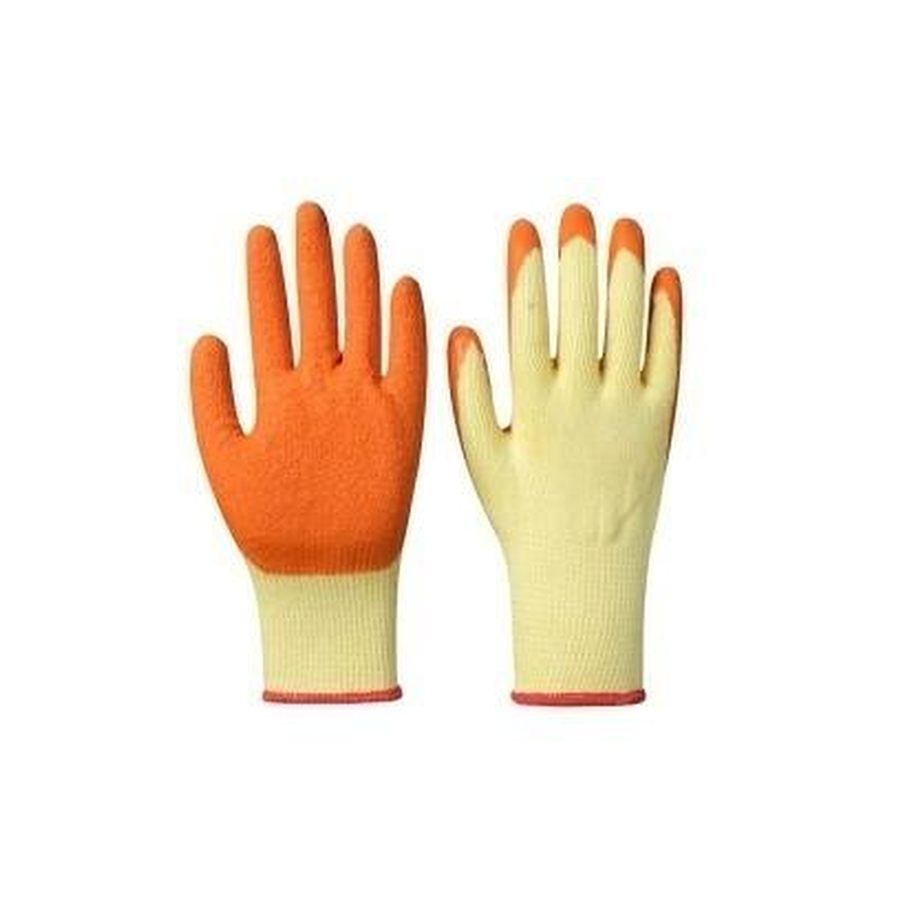
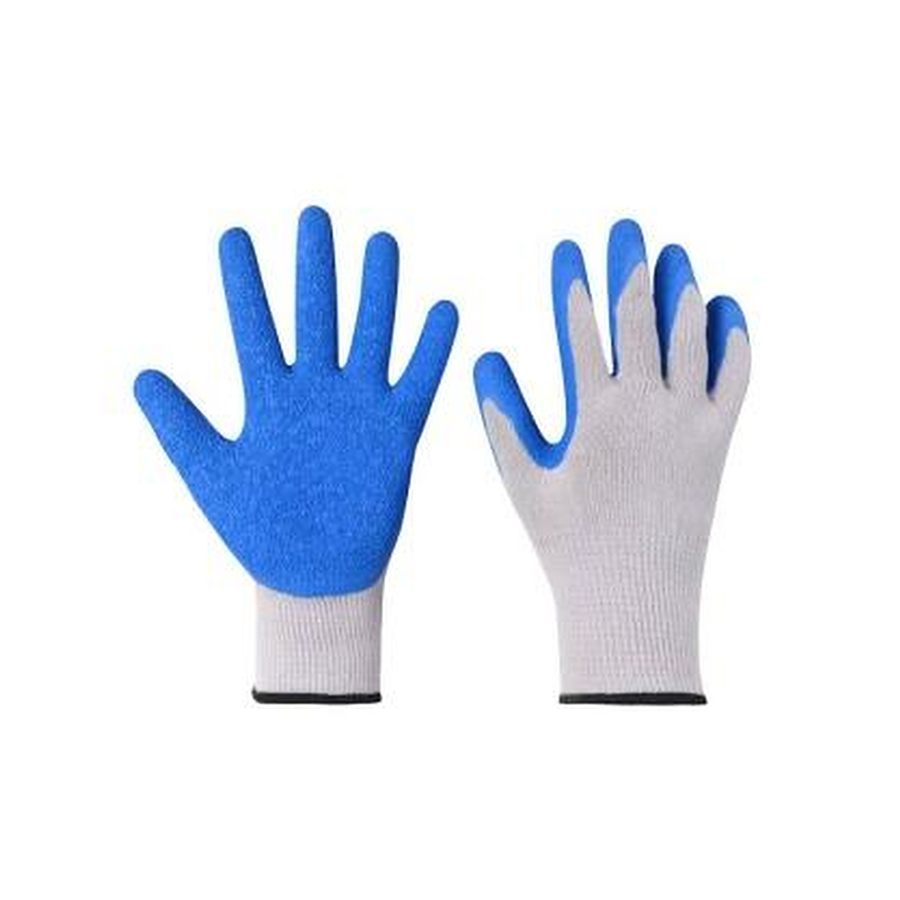
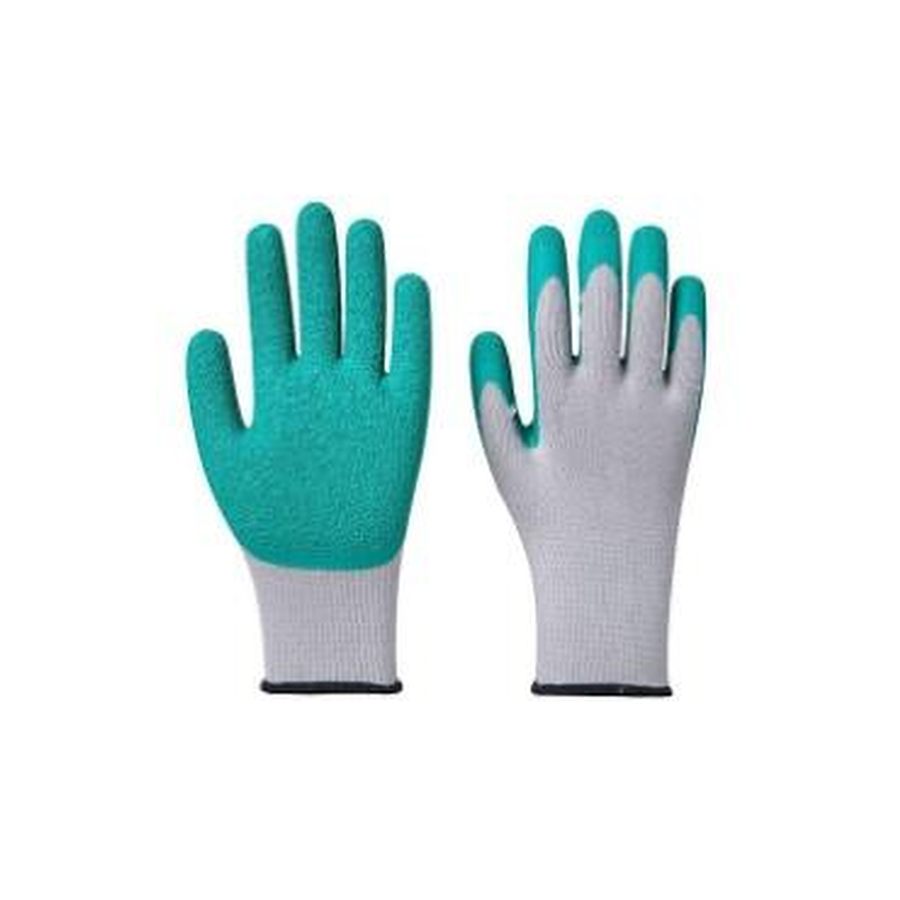
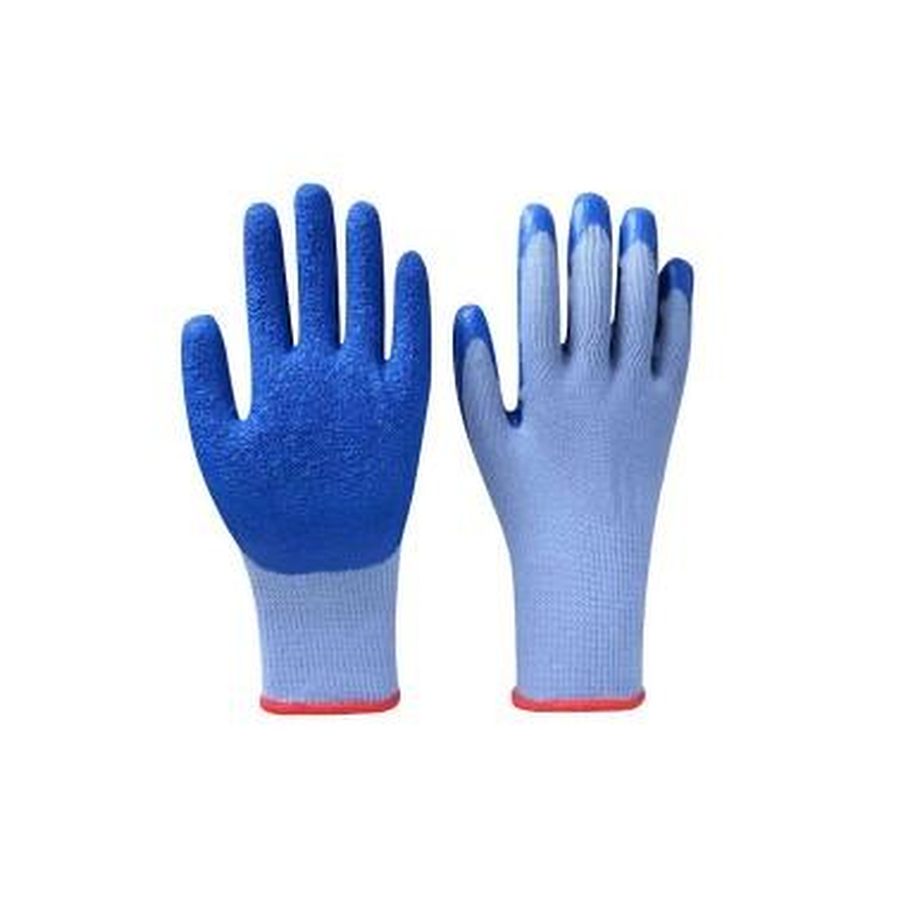
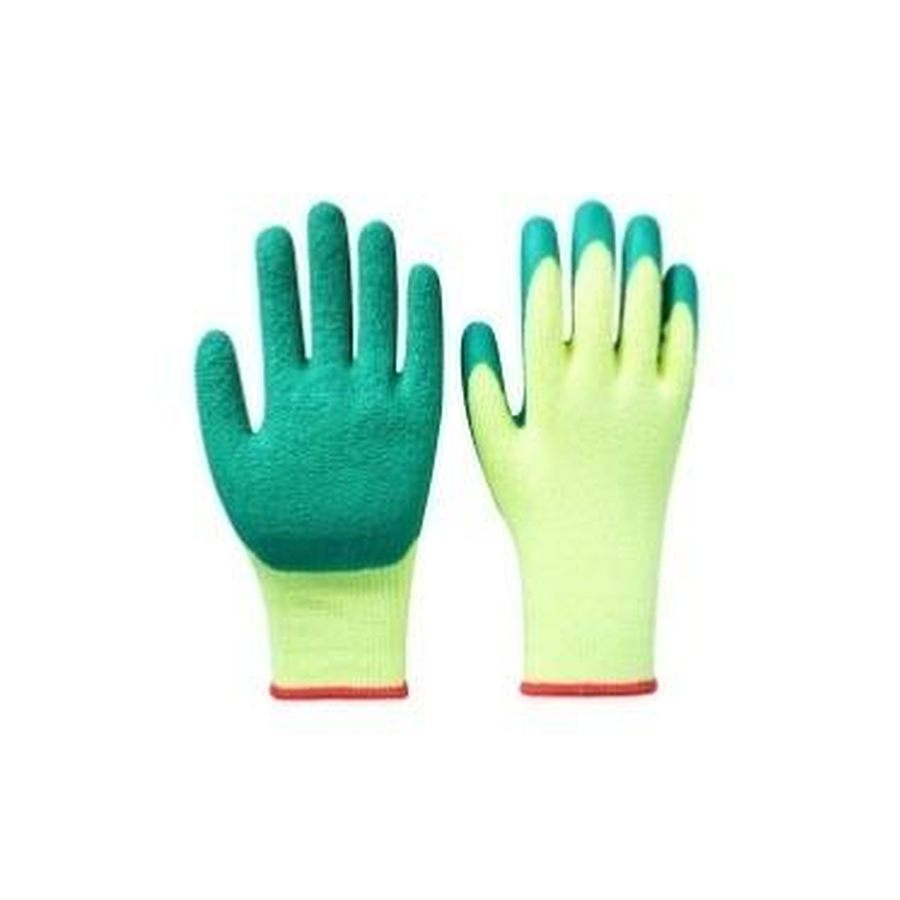
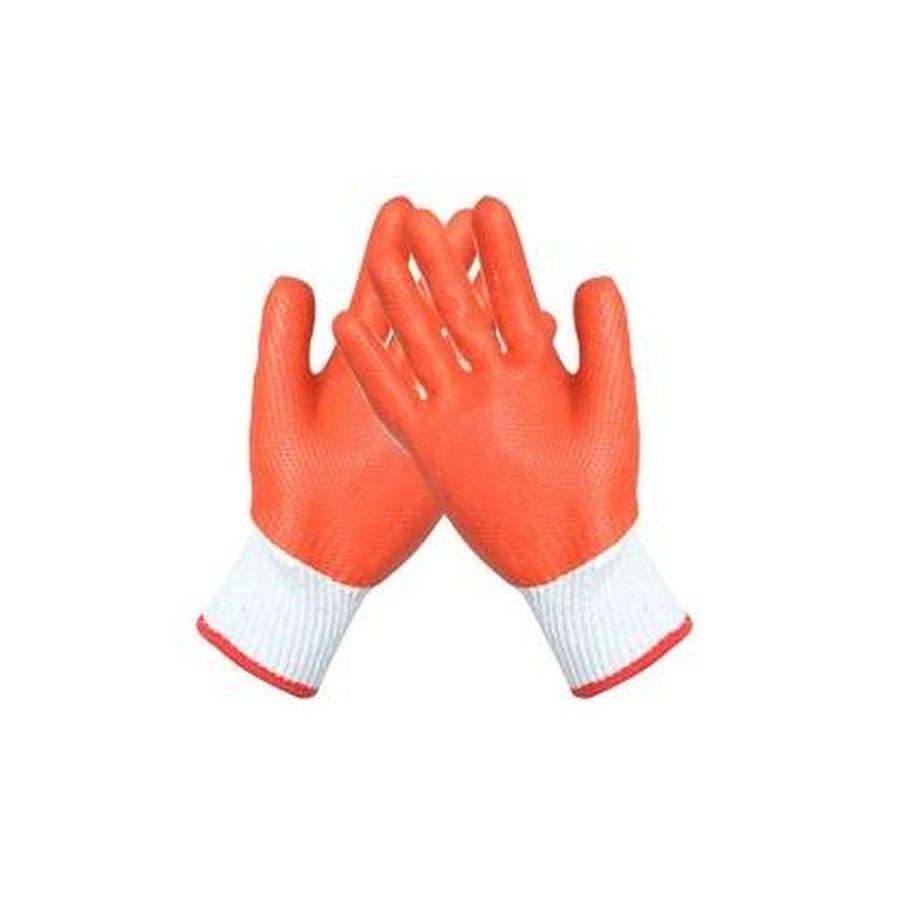
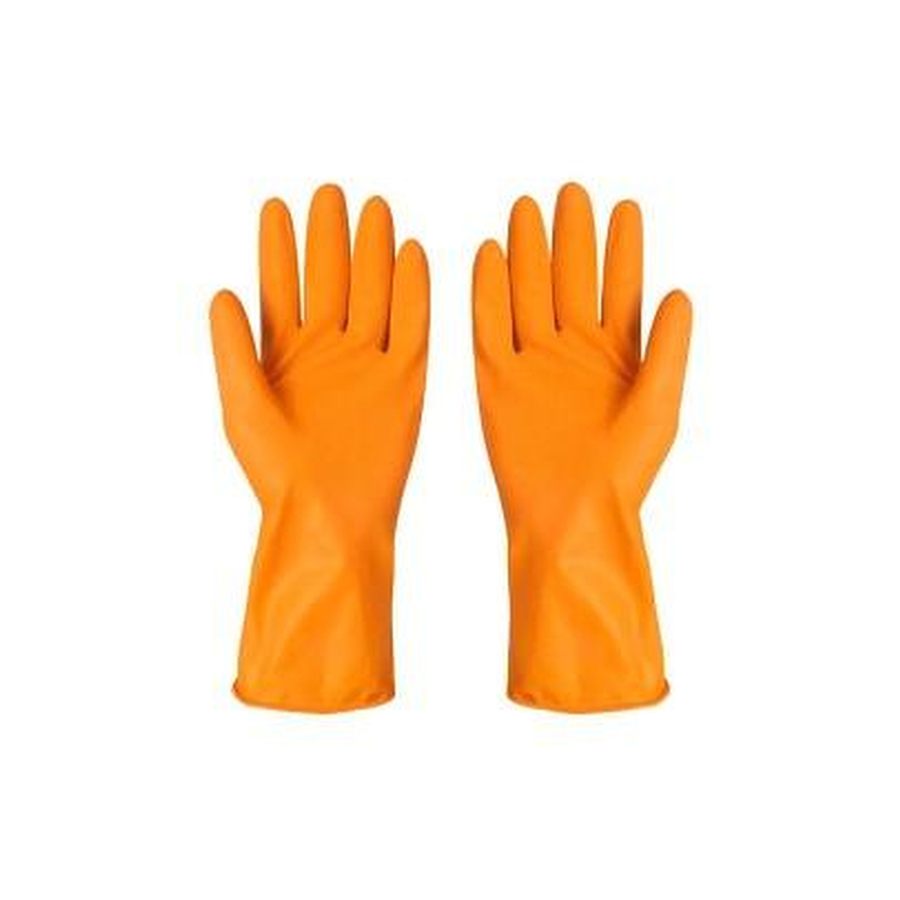
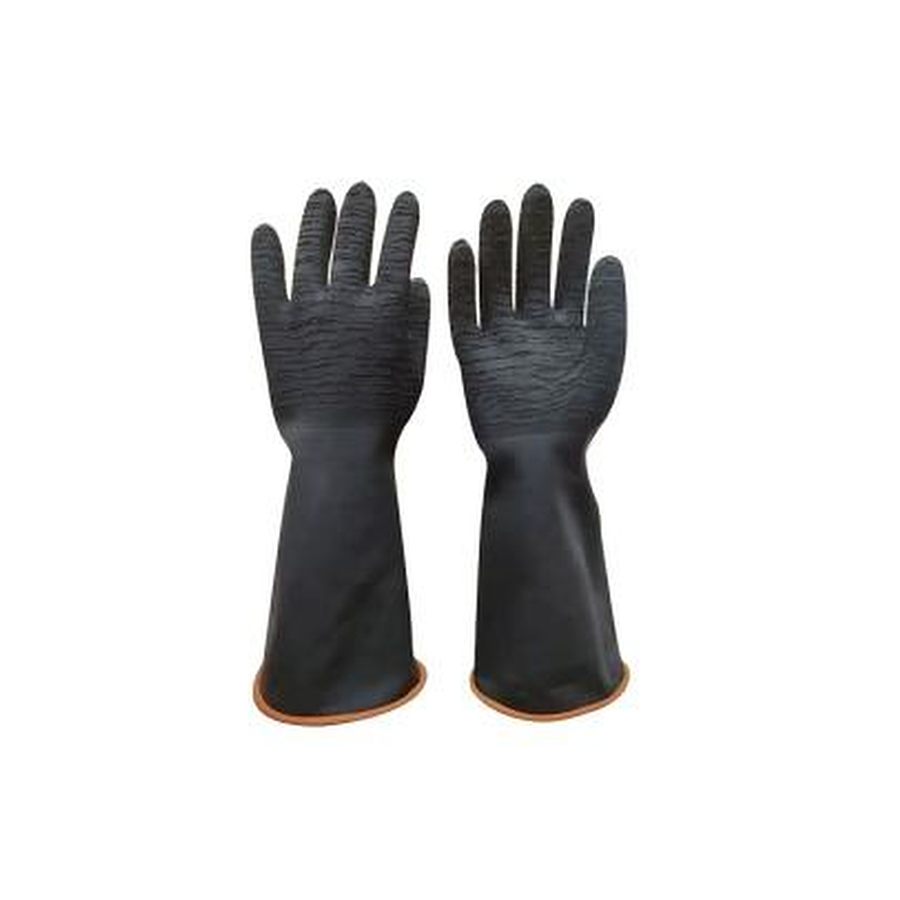
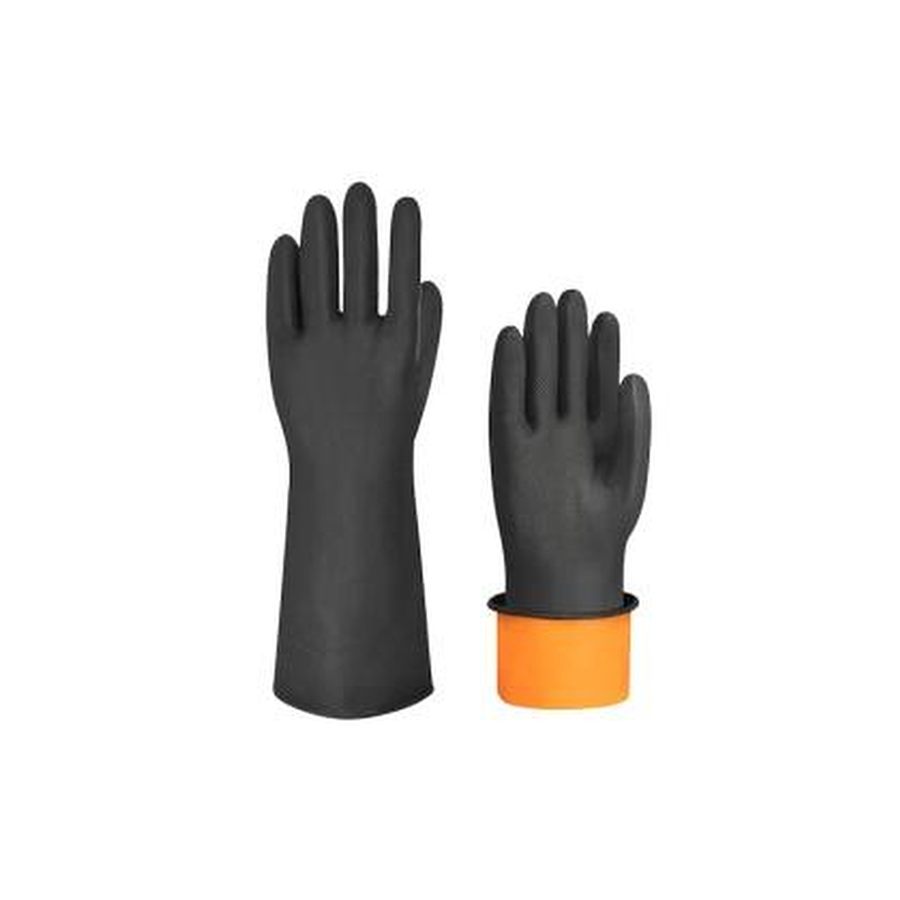
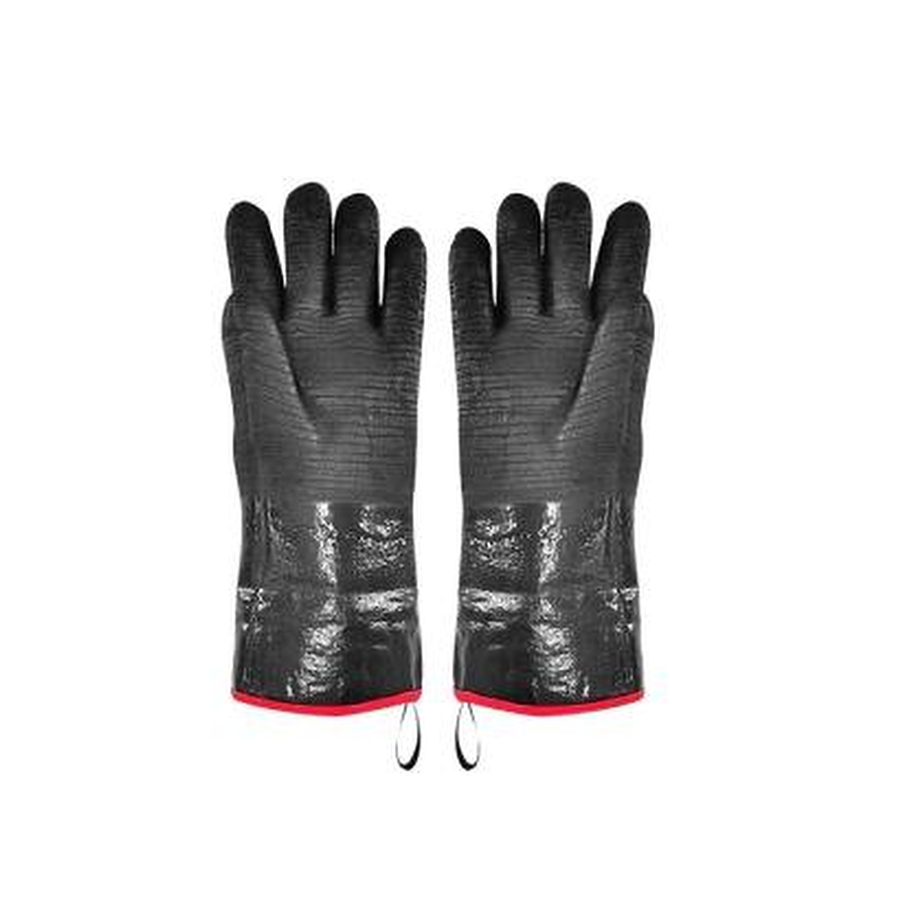
- Cleaning and sanitation
- Wet or oily handling
- Light chemical contact
- Food processing
website
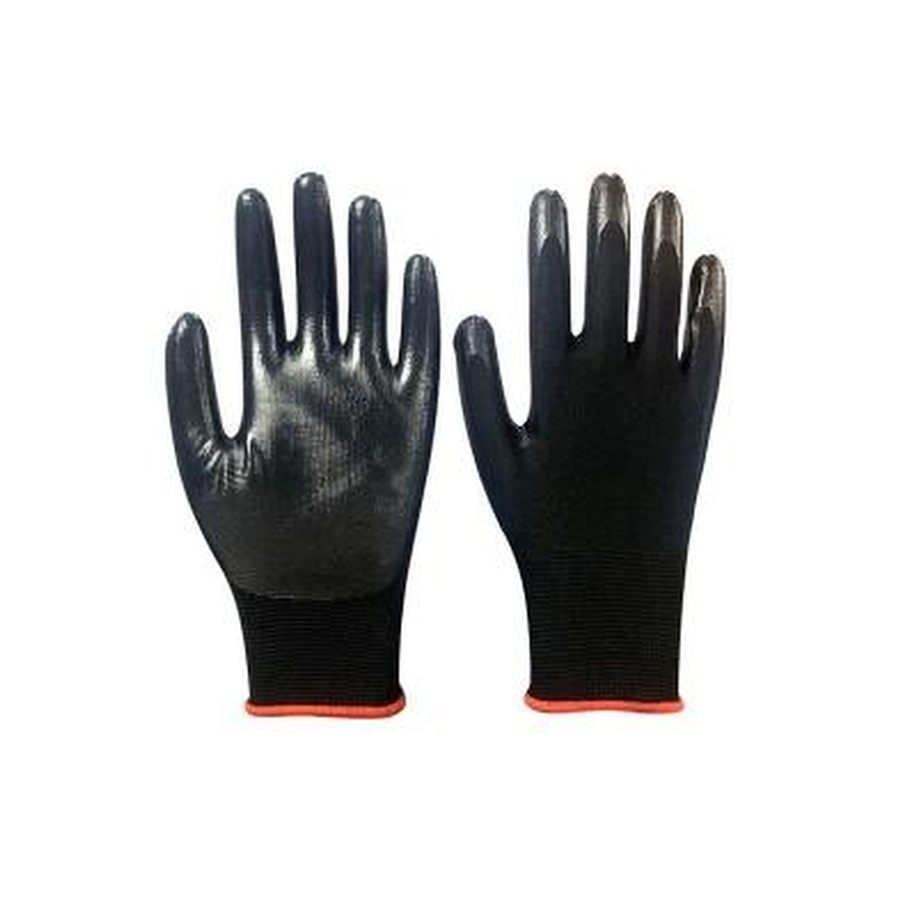
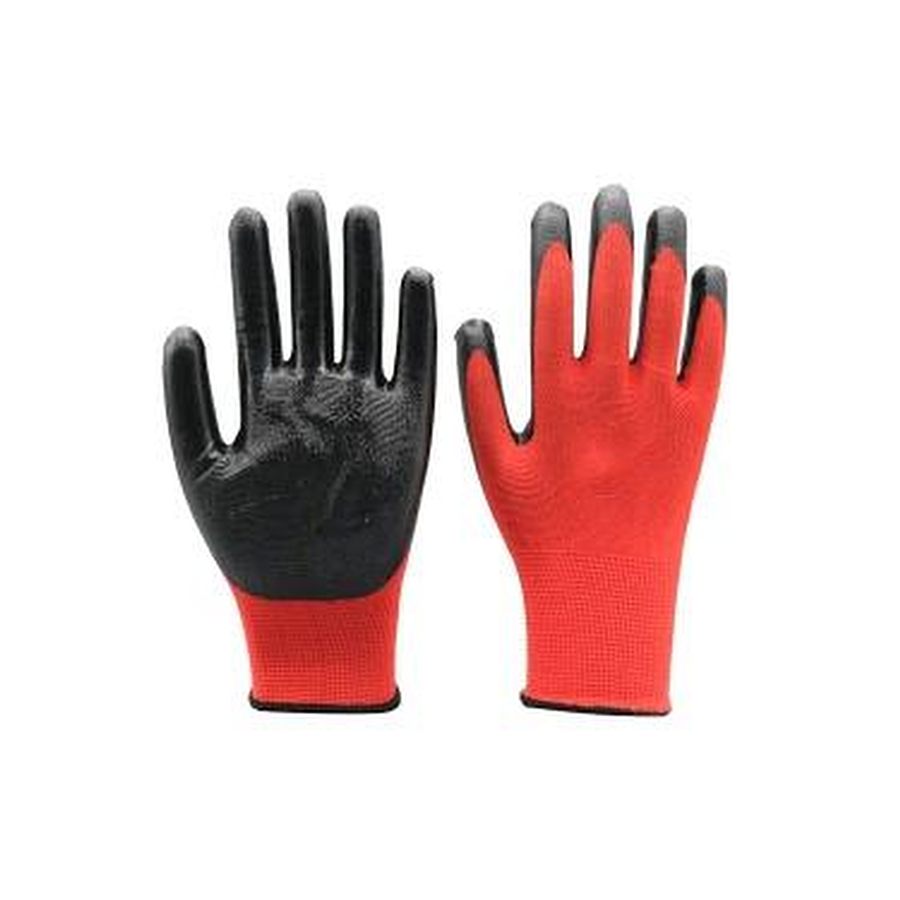
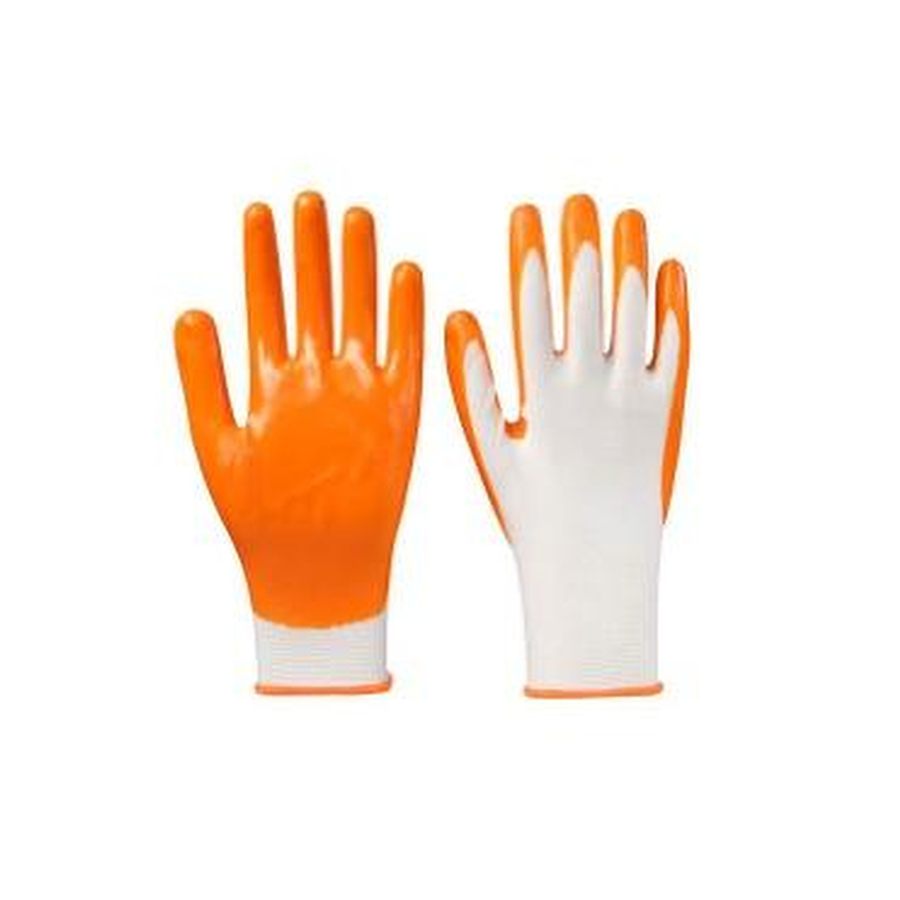
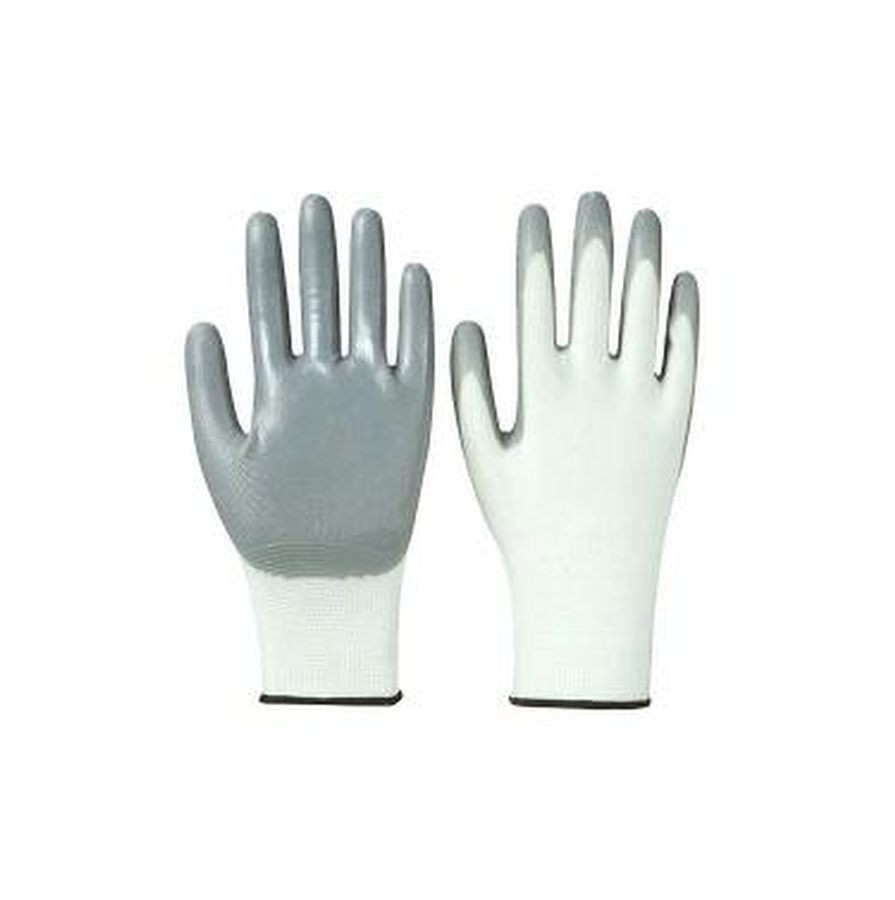
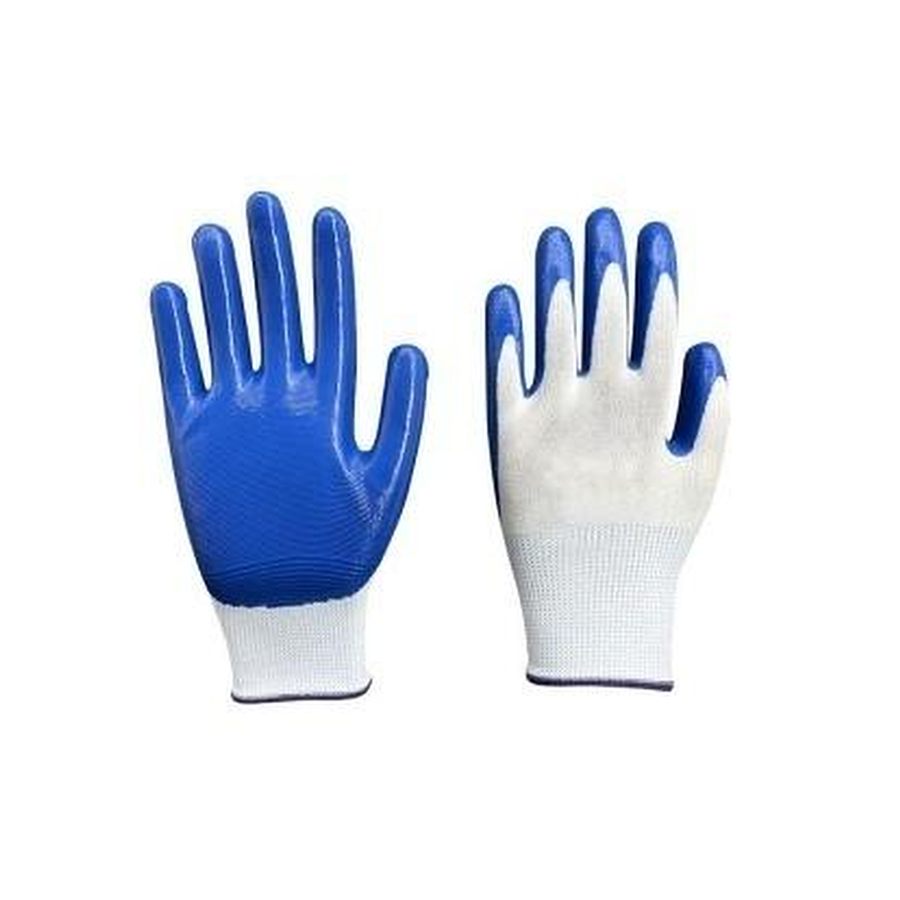
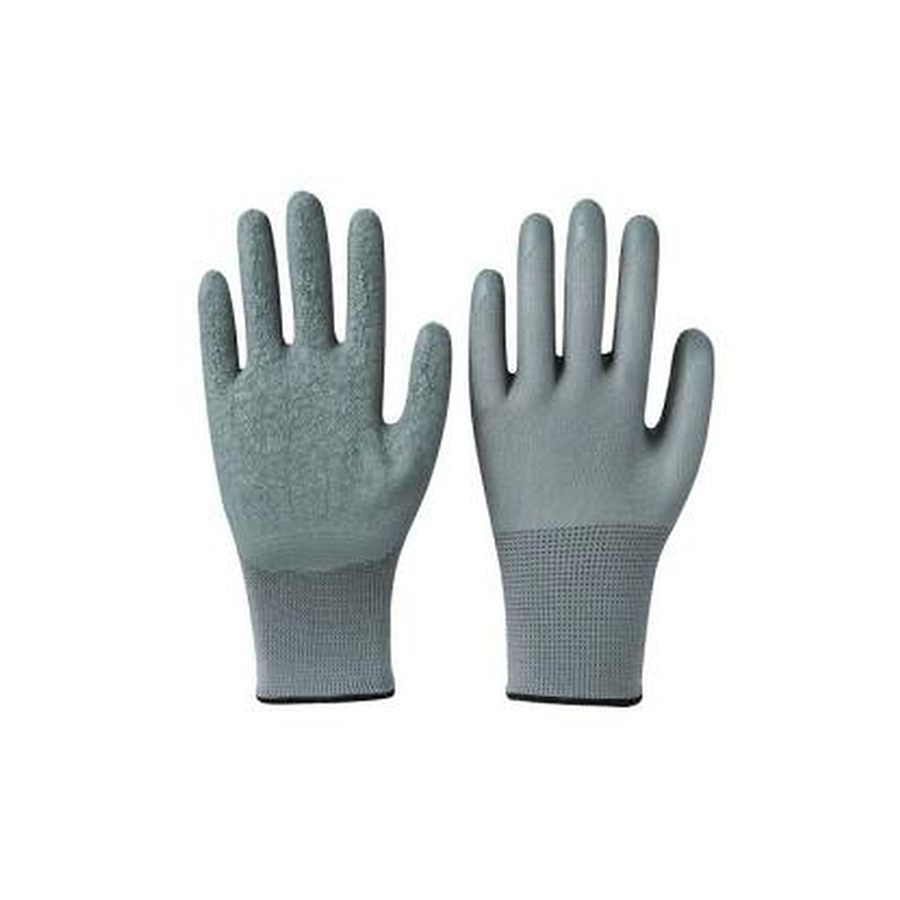
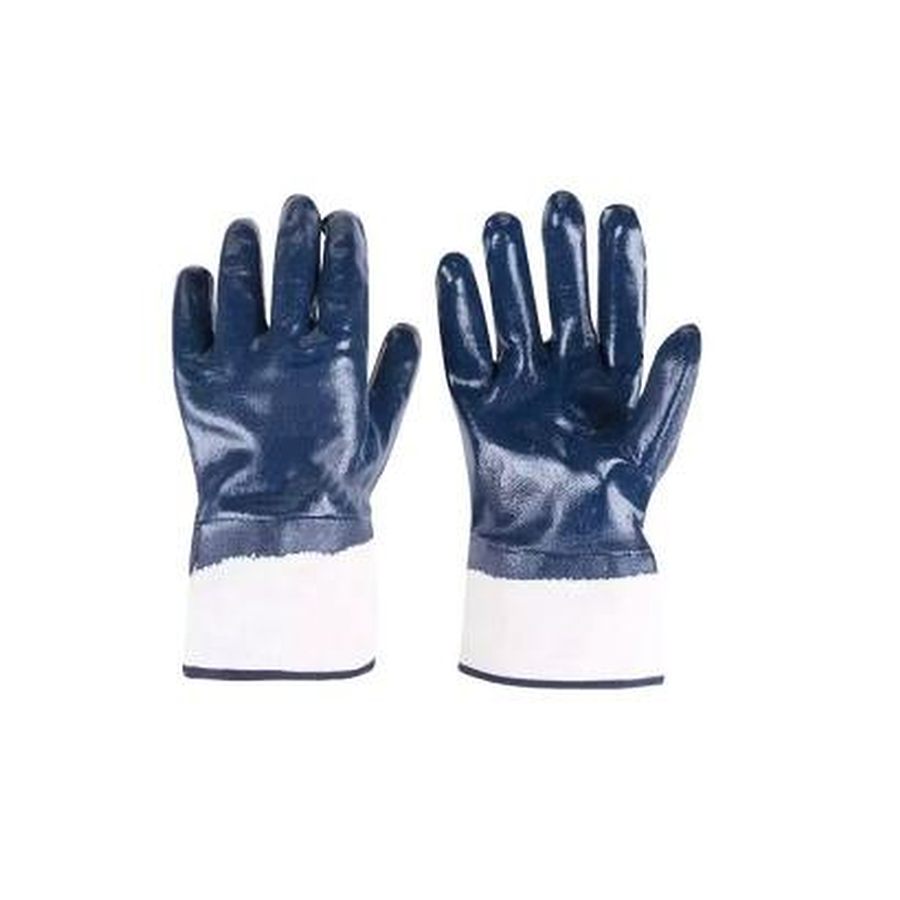
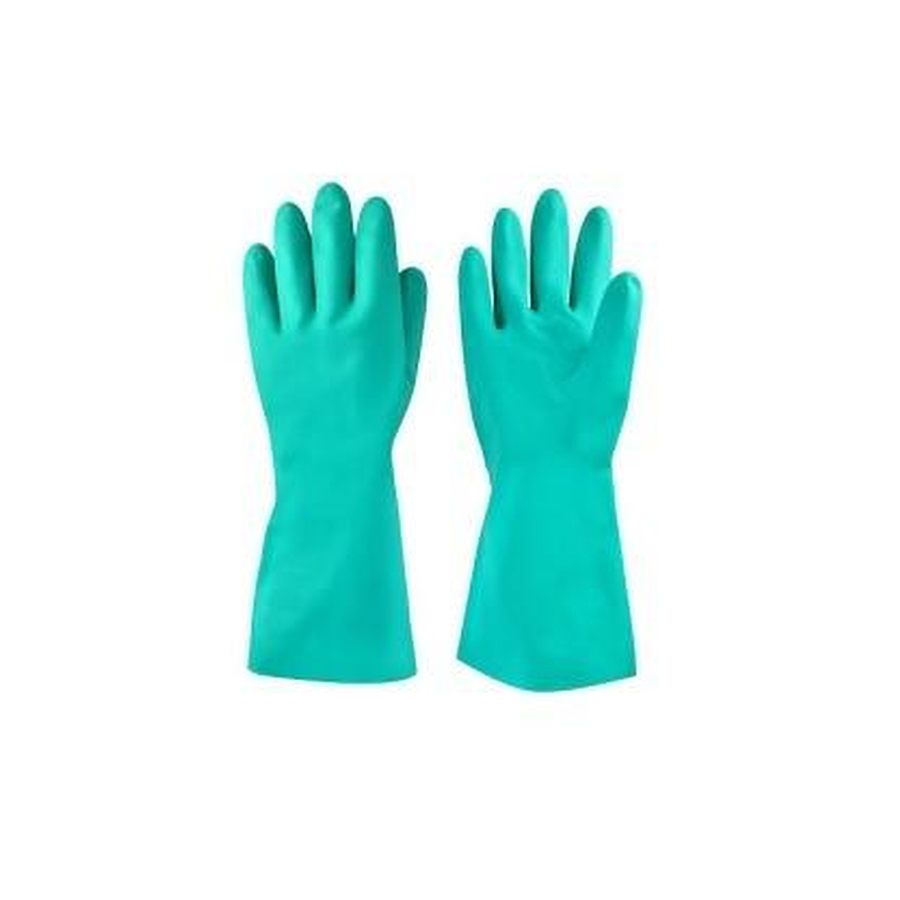
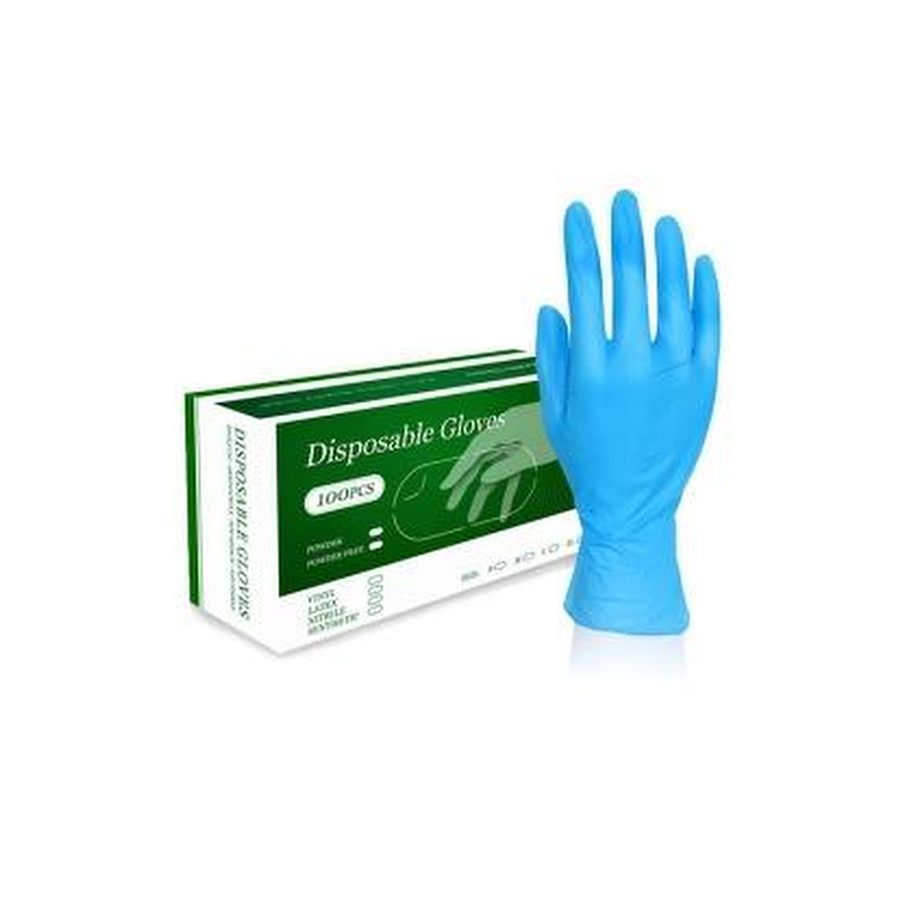

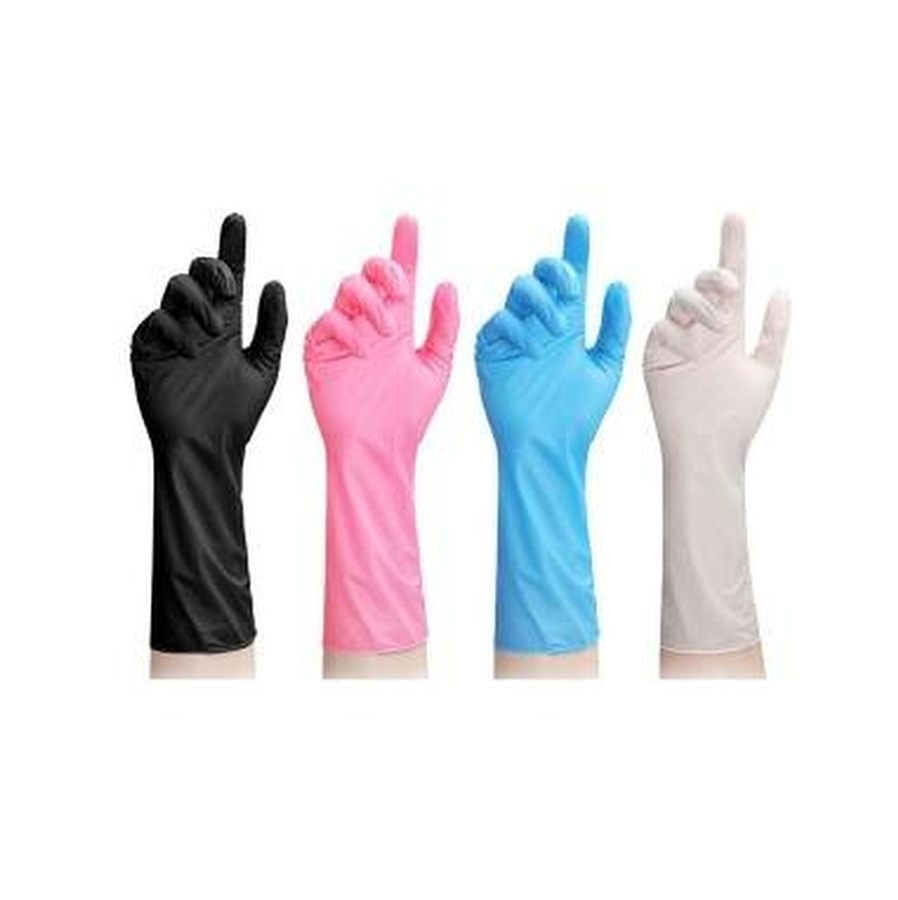
- Automotive and mechanical work
- Oil and gas sites
- Medical and lab use
- Food handling
website
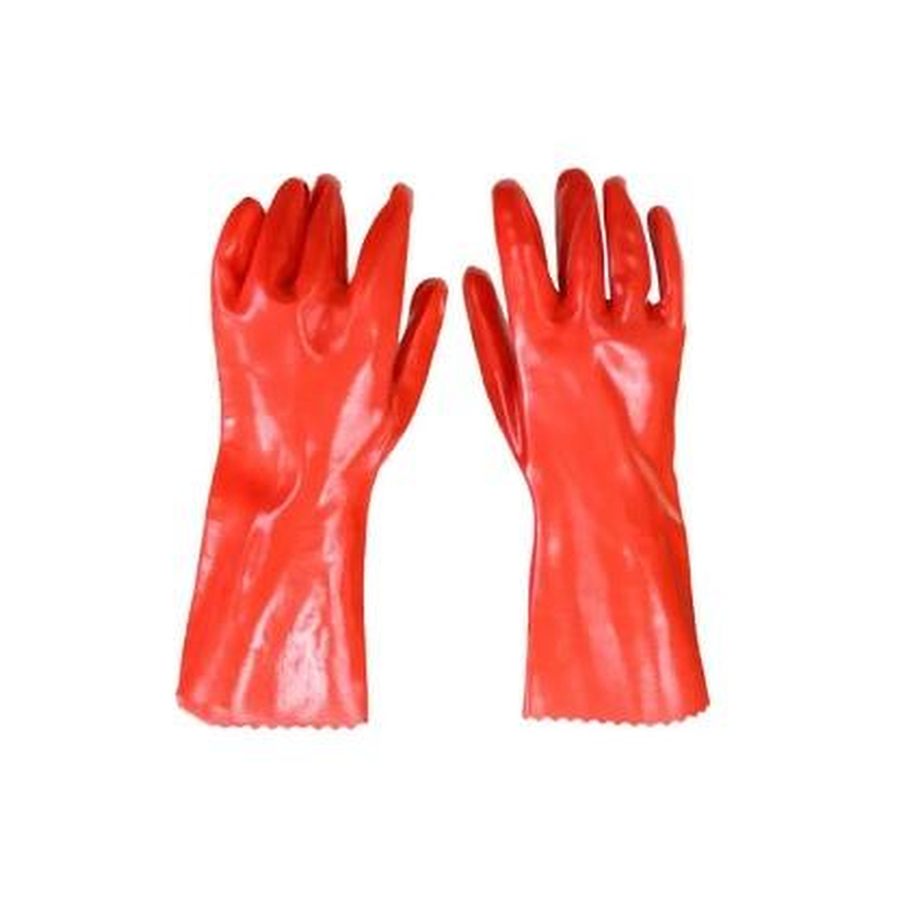
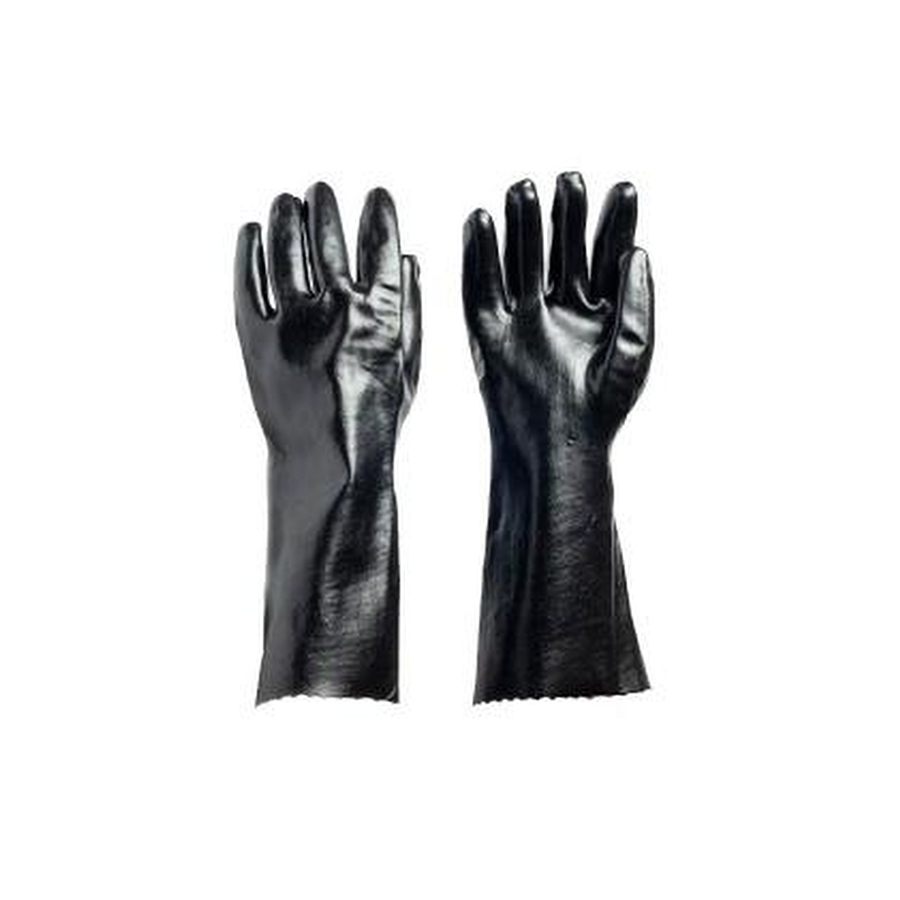
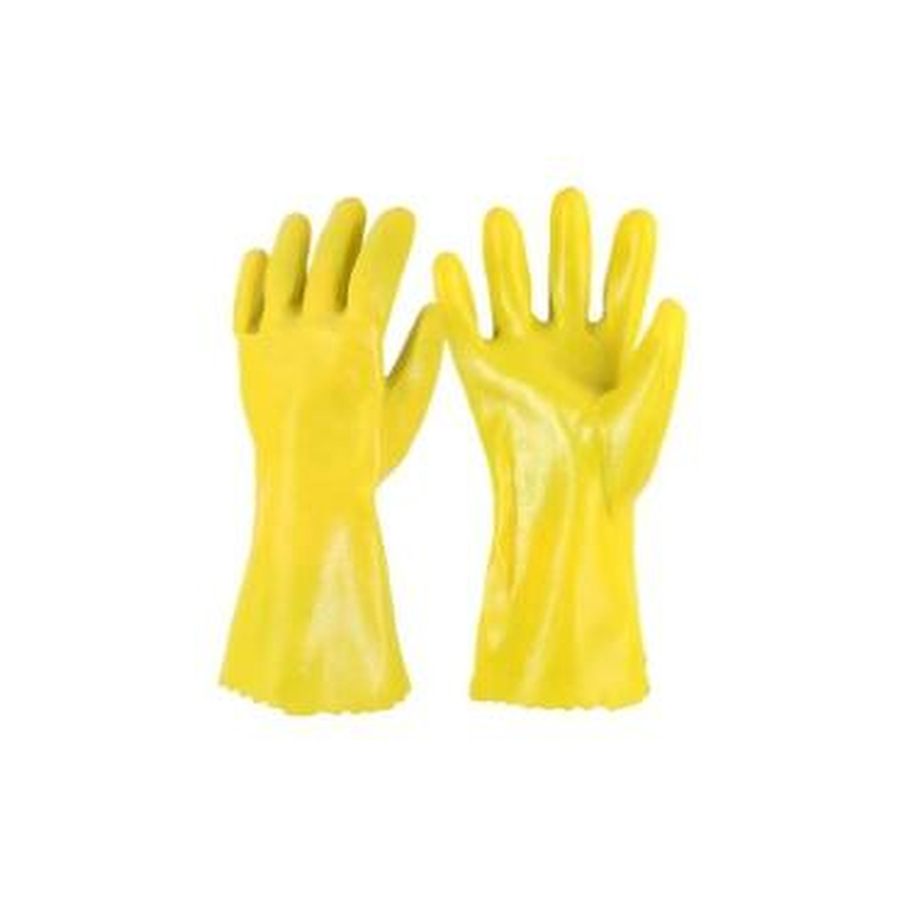
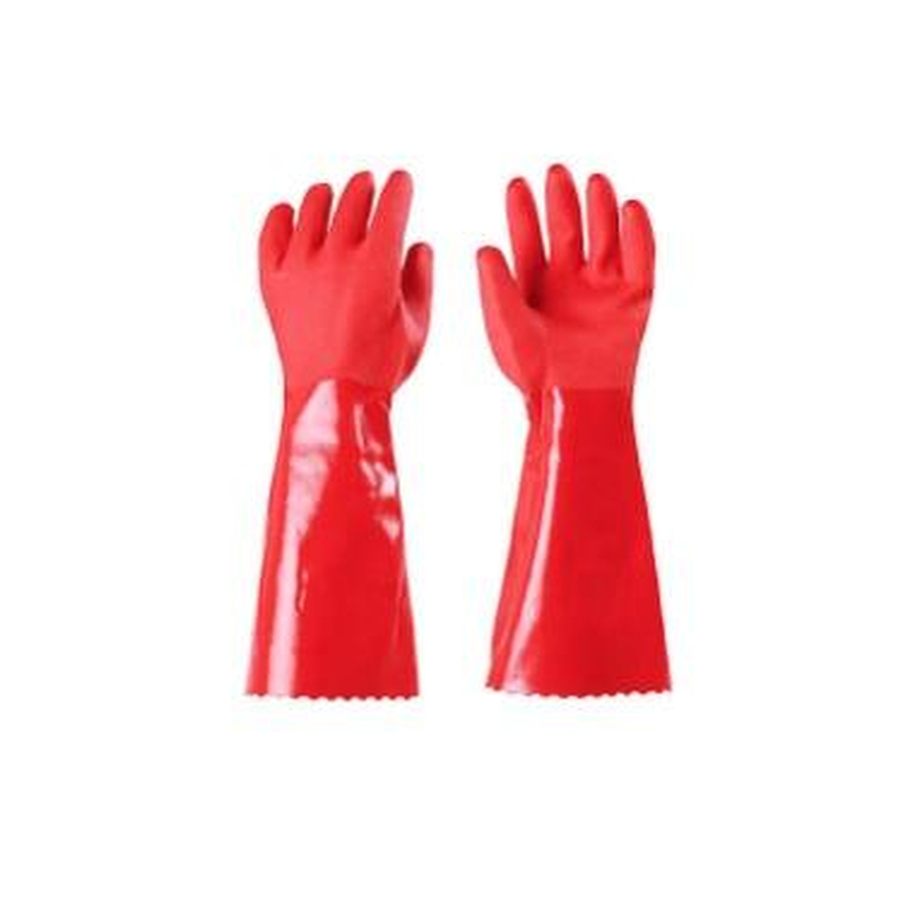
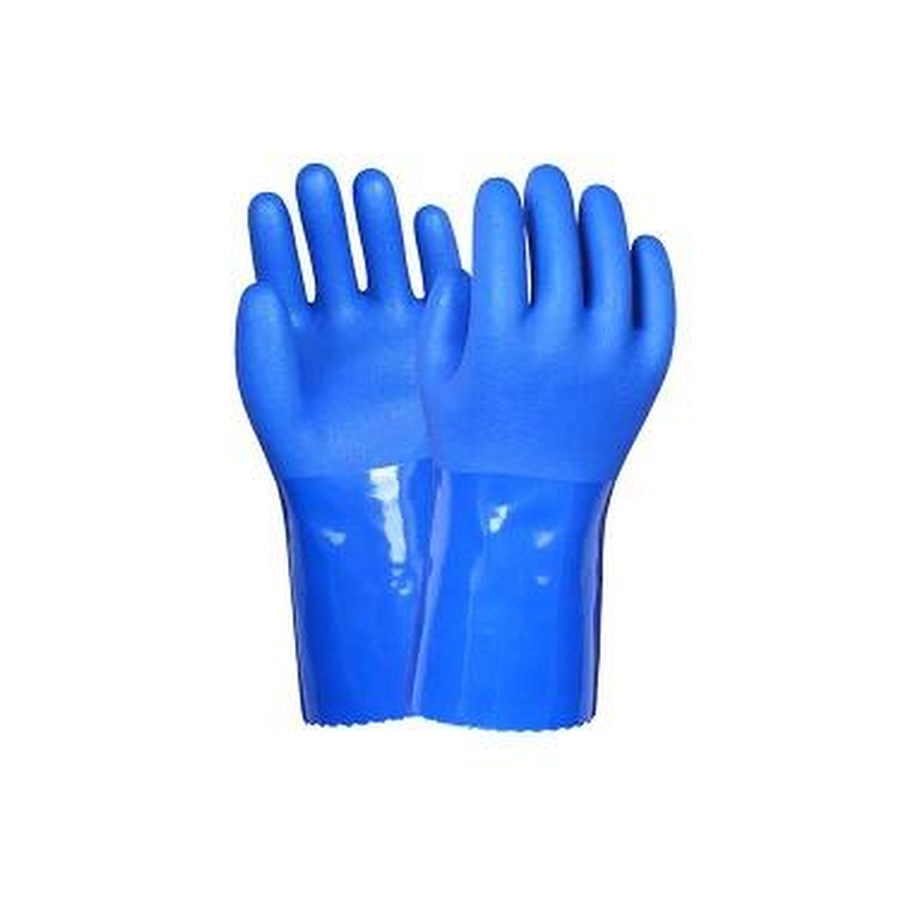
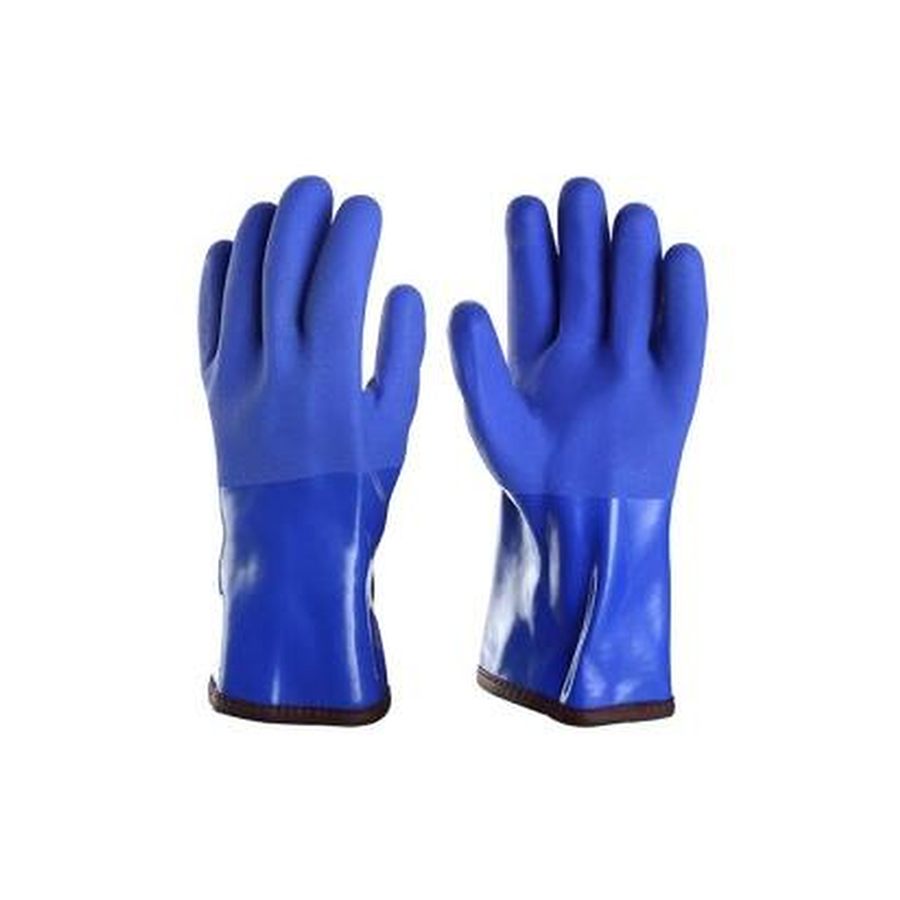
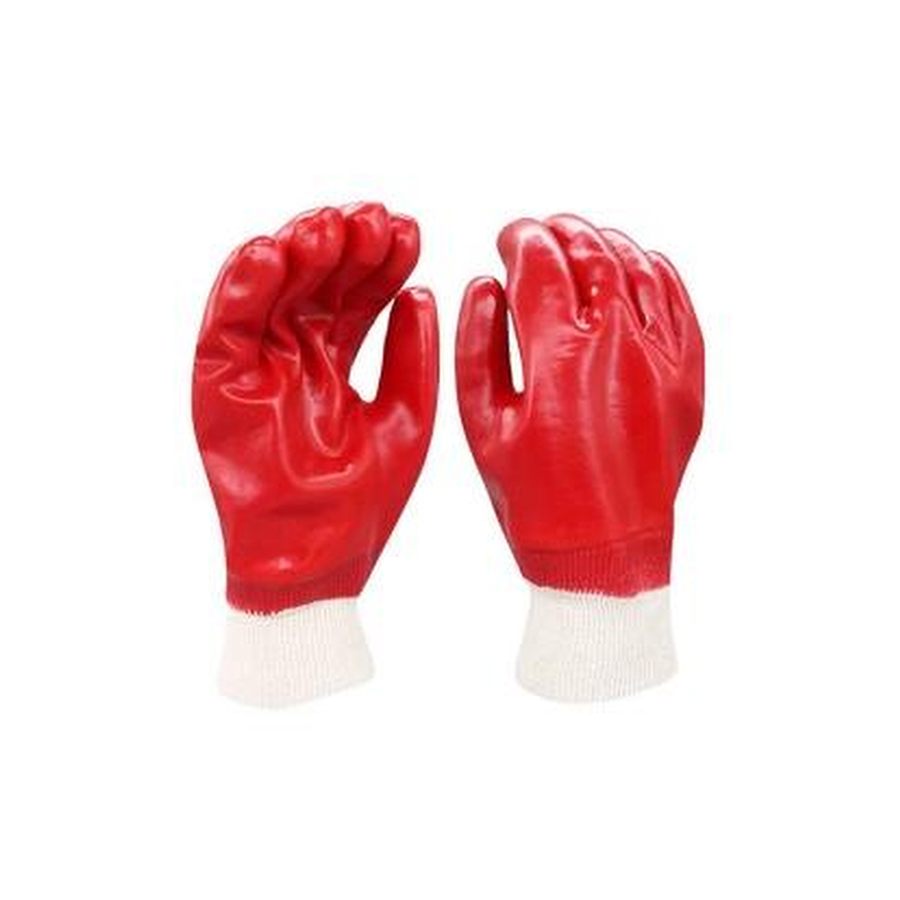
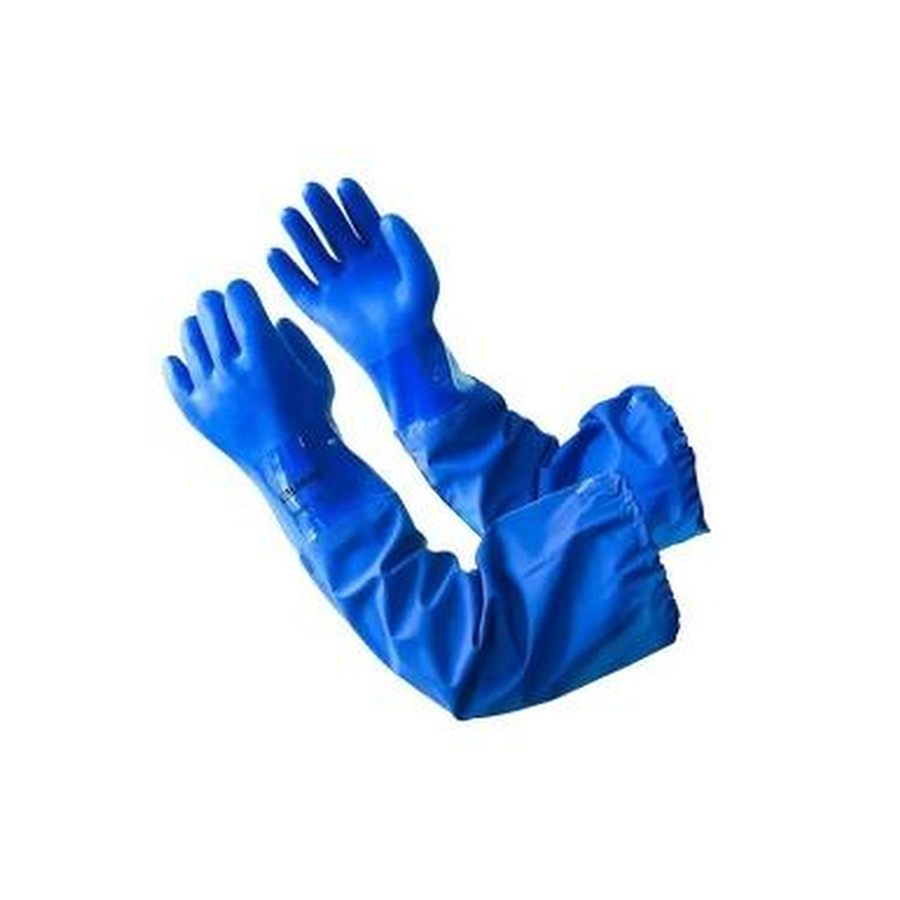
- Chemical handling
- Fishing and wet trades
- Cold storage
- Cleaning with harsh agents
website
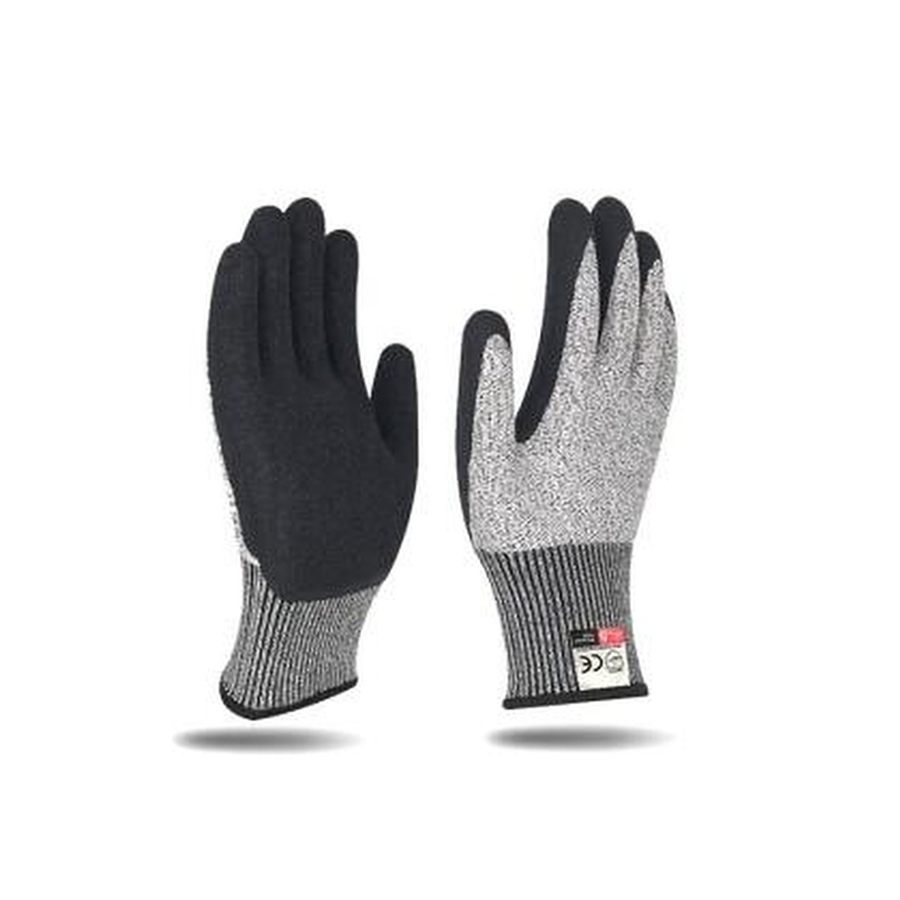
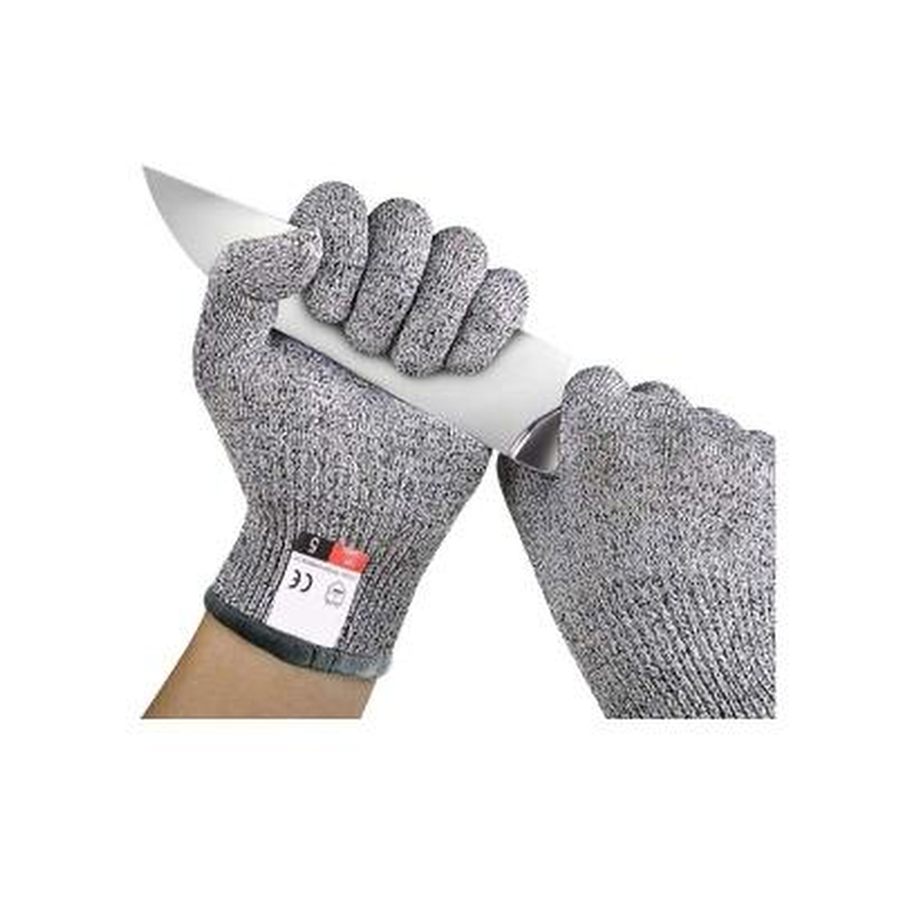
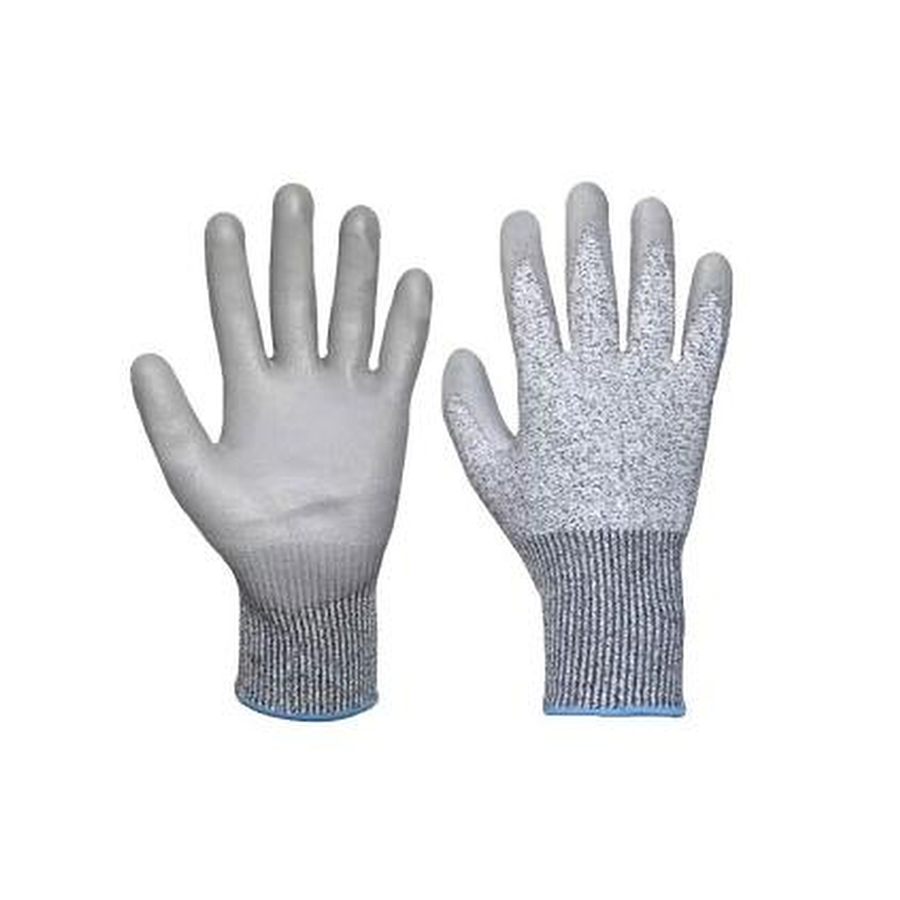

- Glass and metal handling
- Butchery and food prep
- Recycling and waste sorting
- Sheet metal work
website
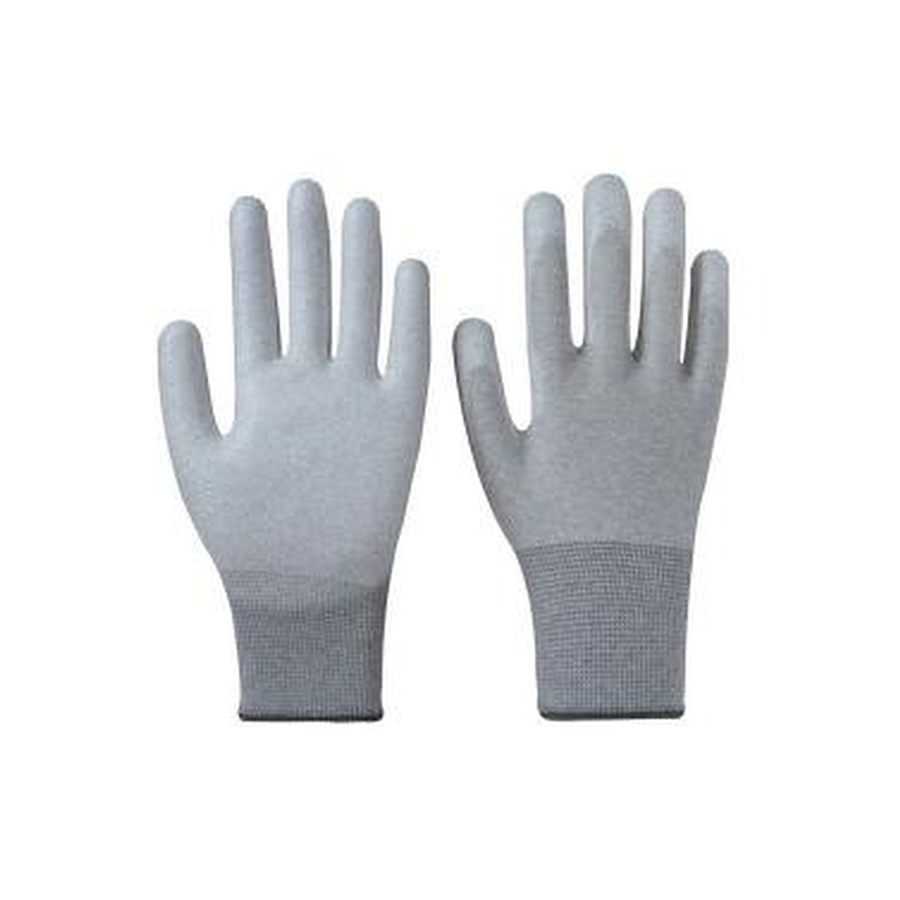
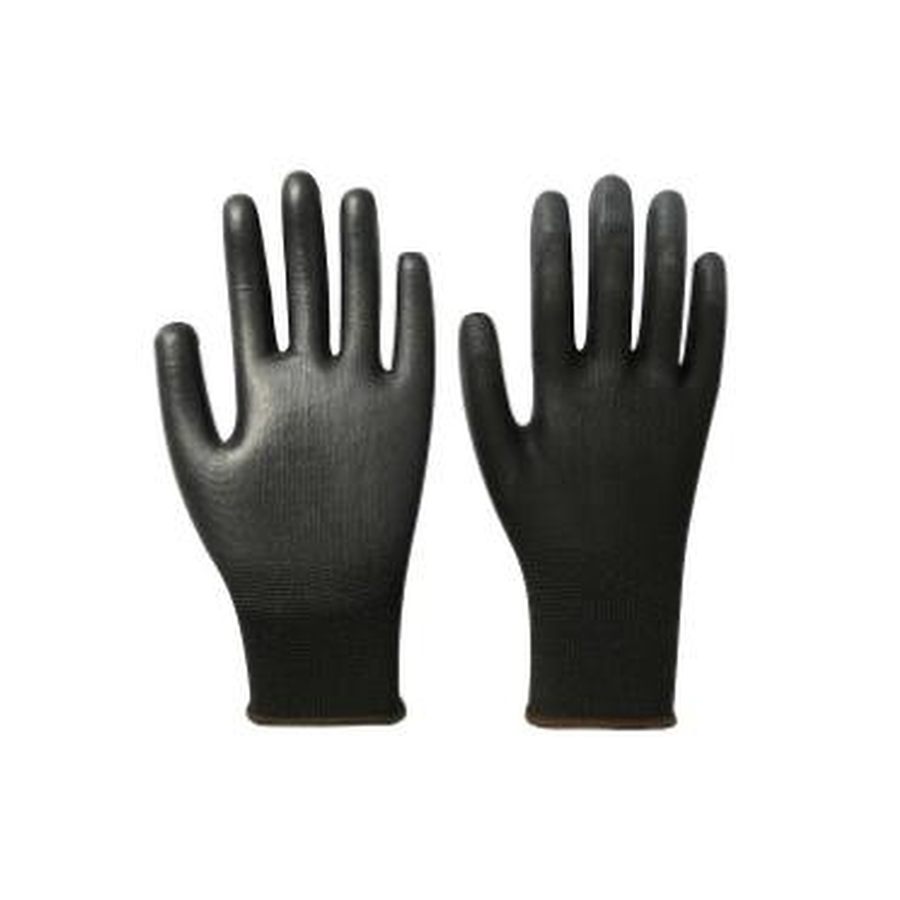
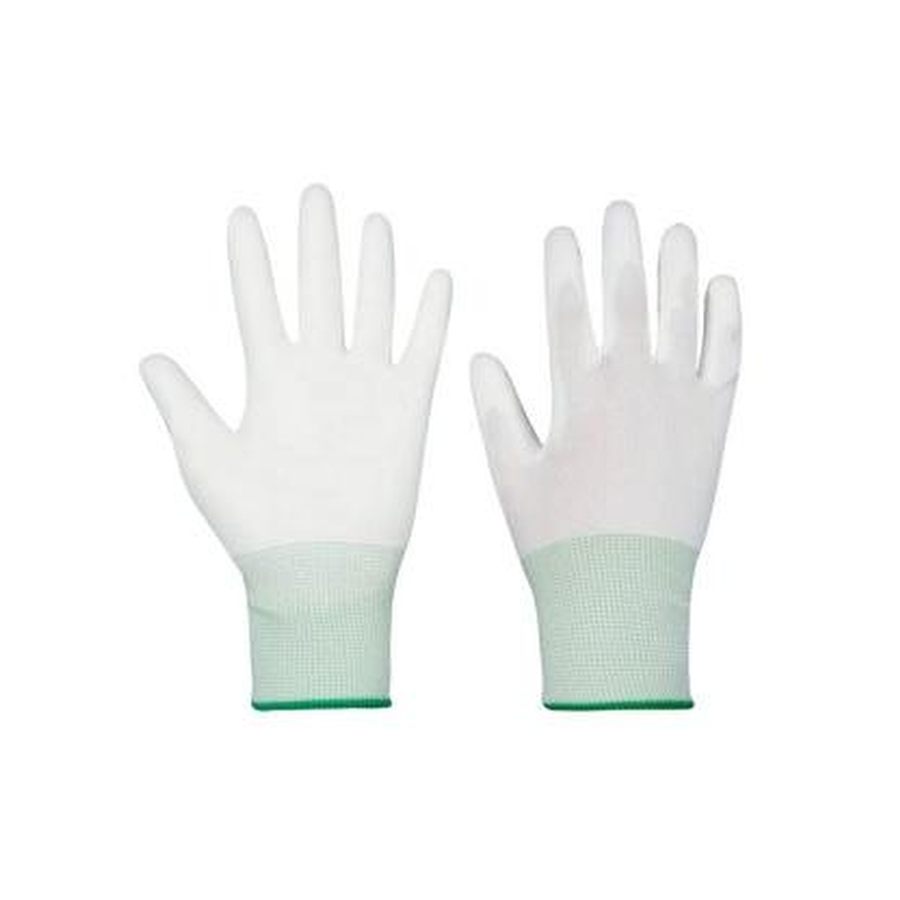
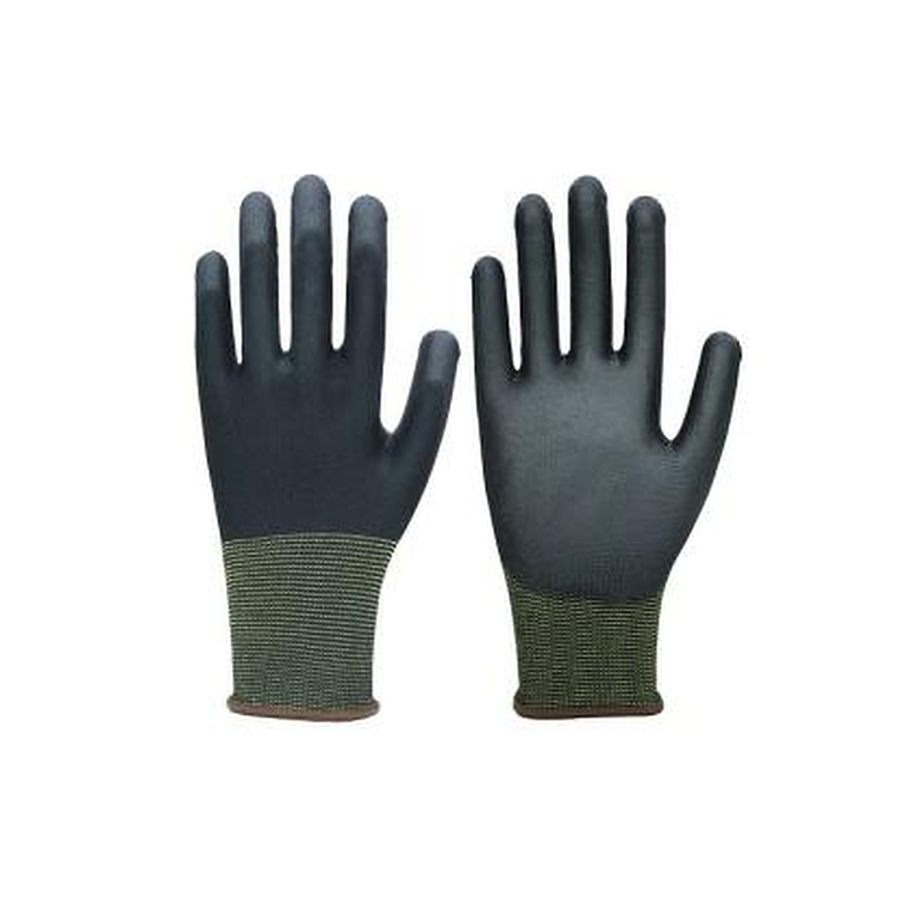
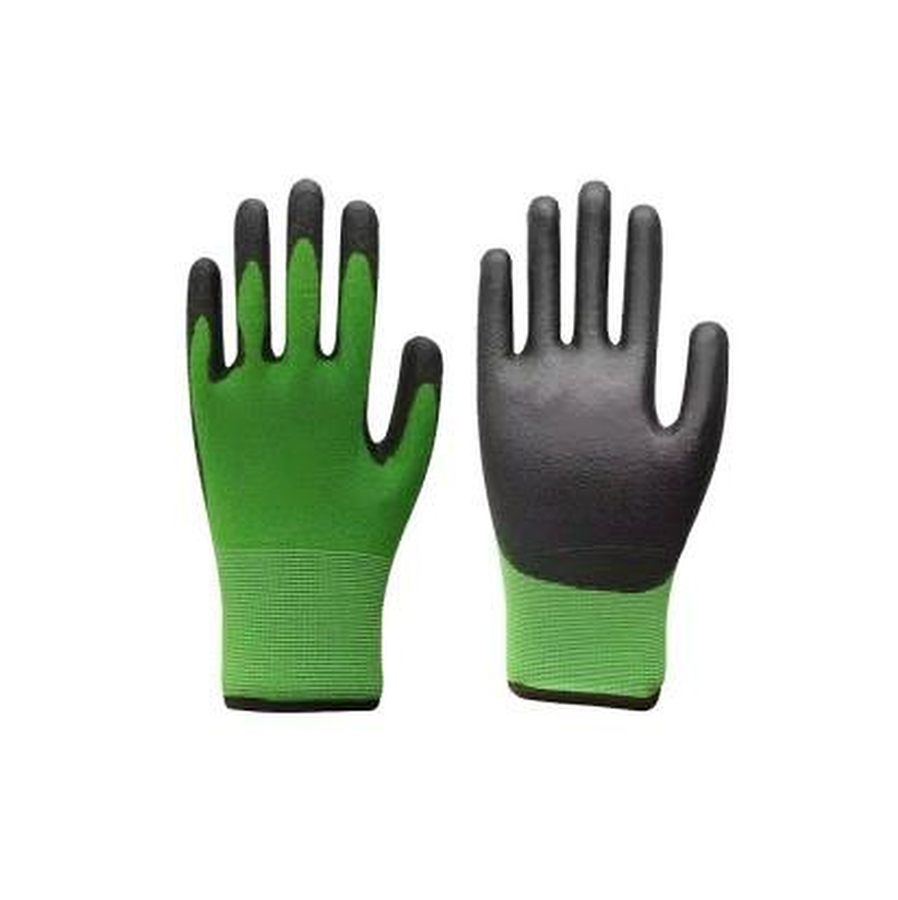
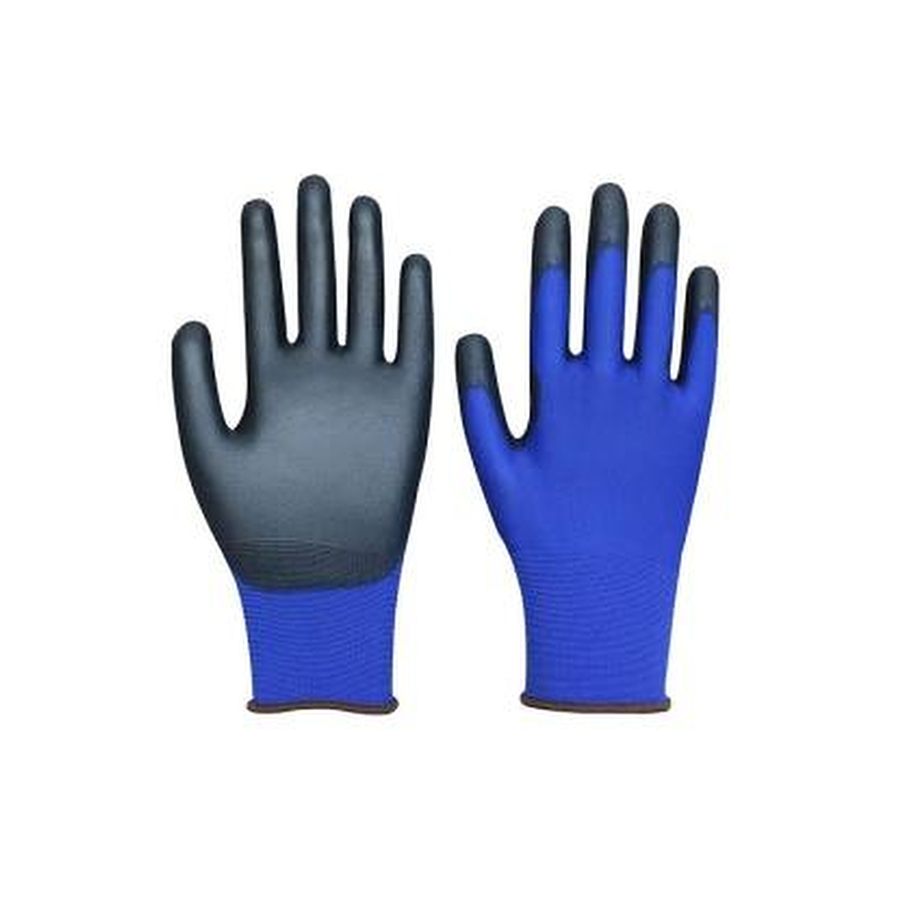
- Electronics assembly
- Precision mechanical work
- Quality inspection
- Light warehousing
website
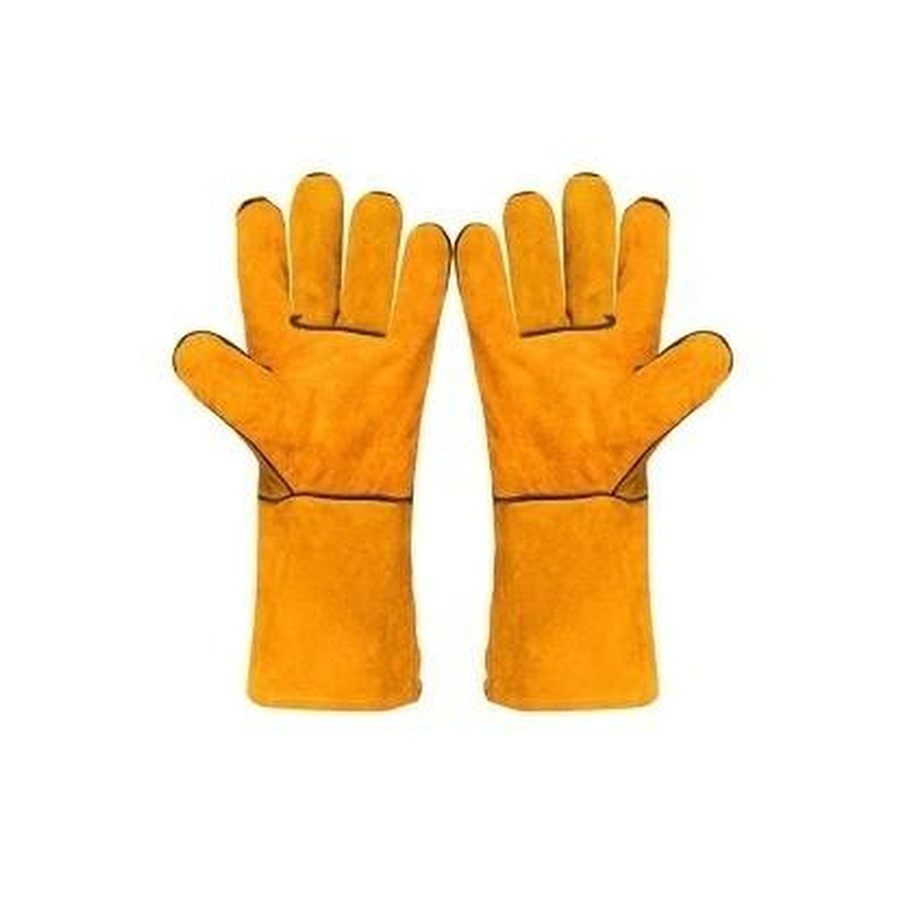
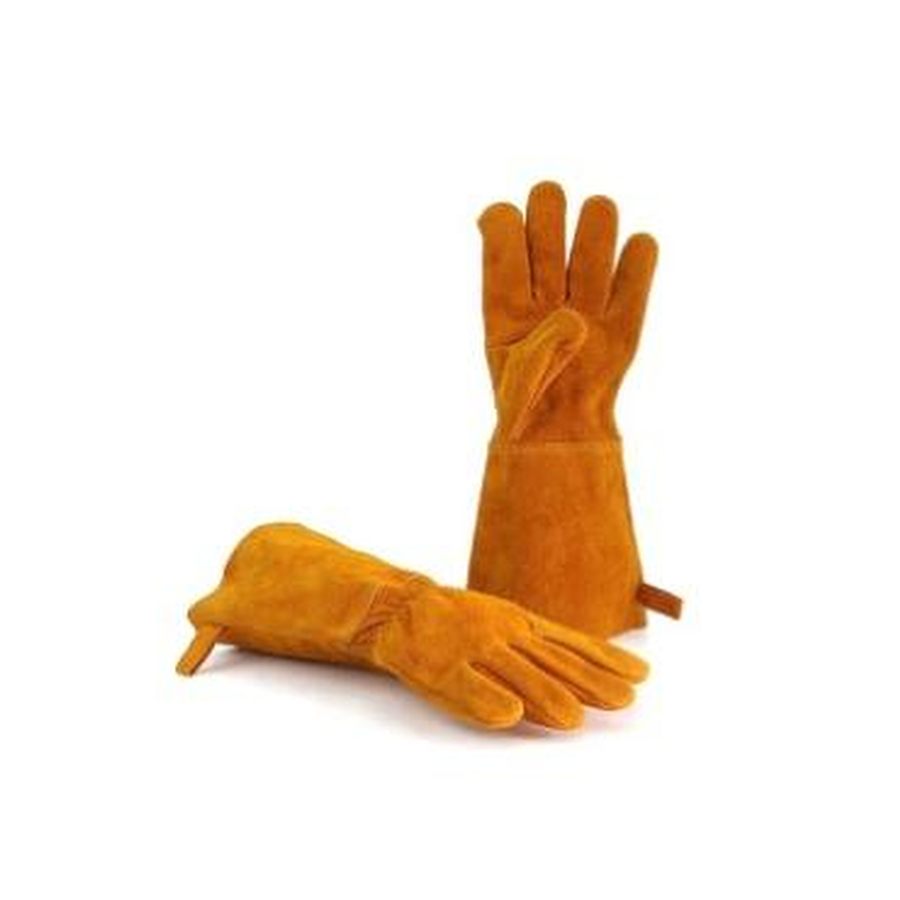
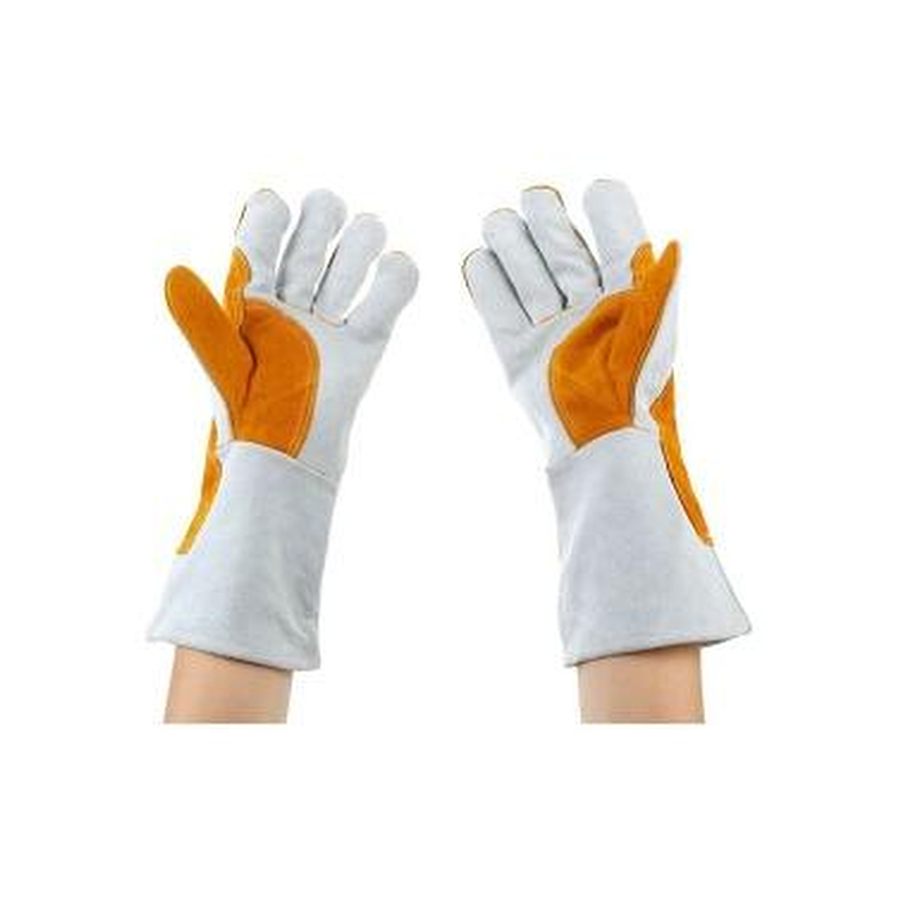
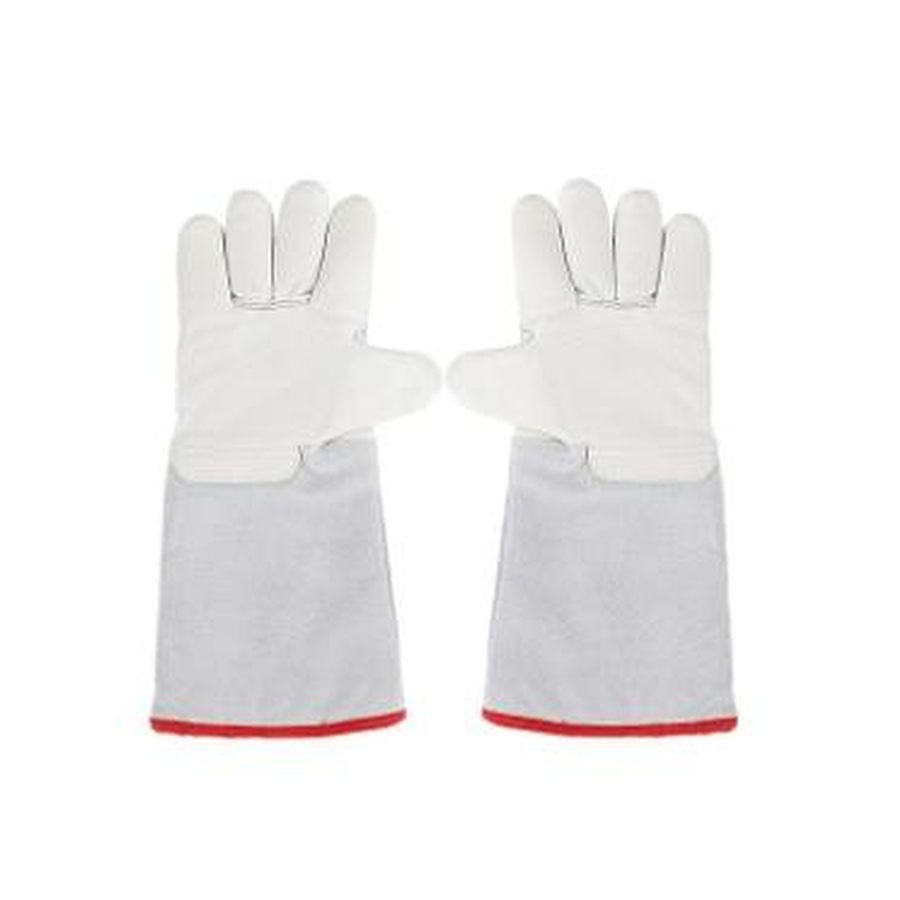
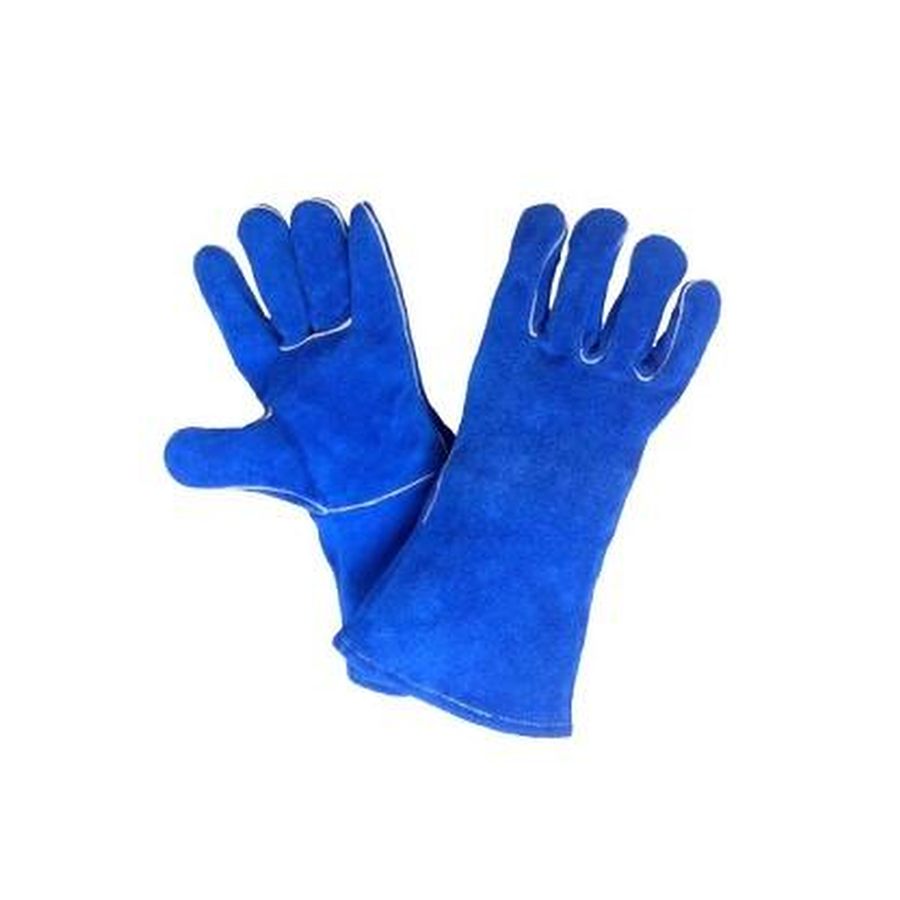
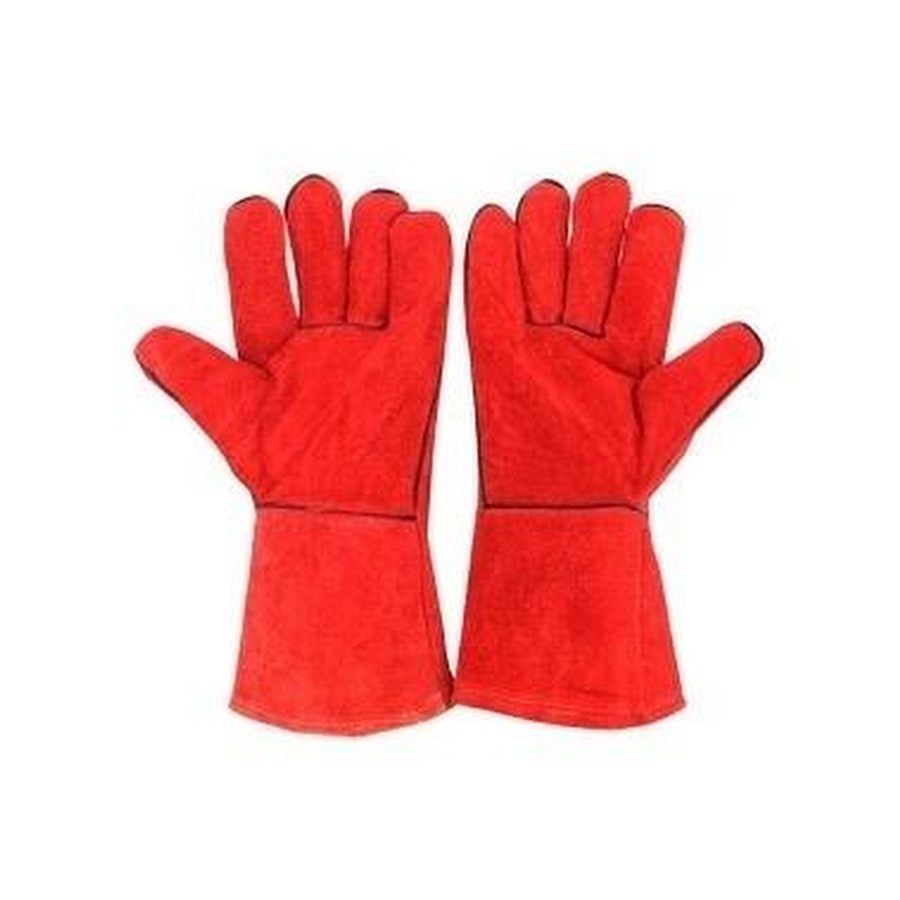
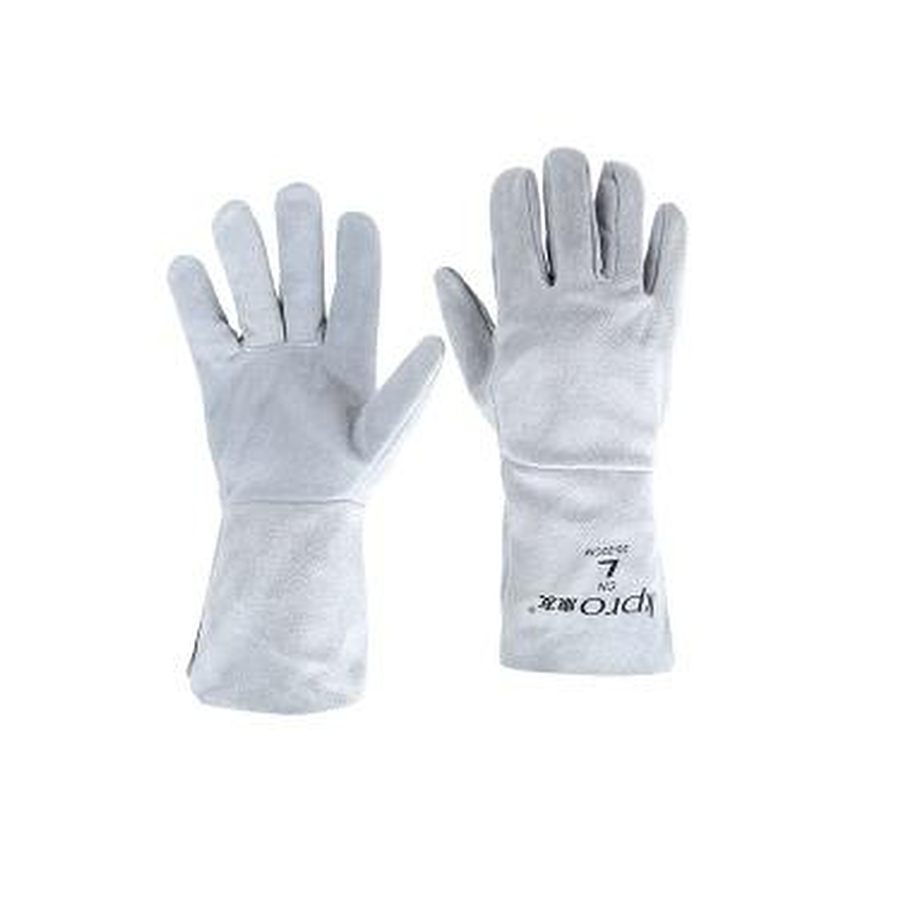
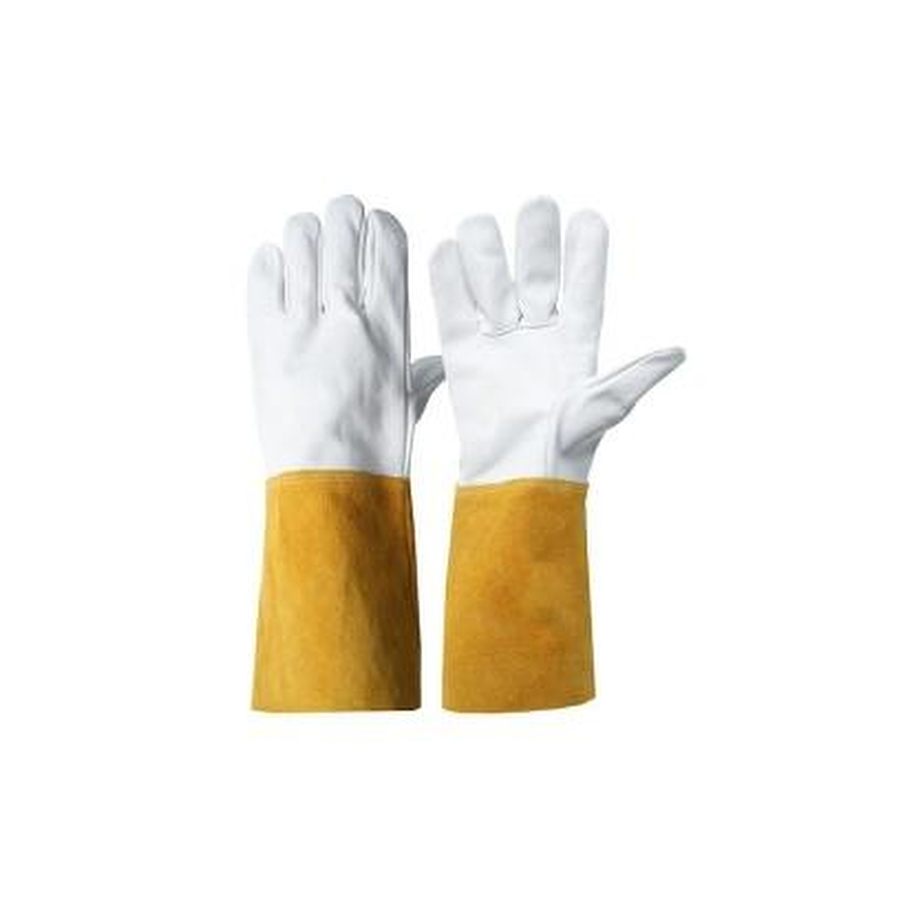
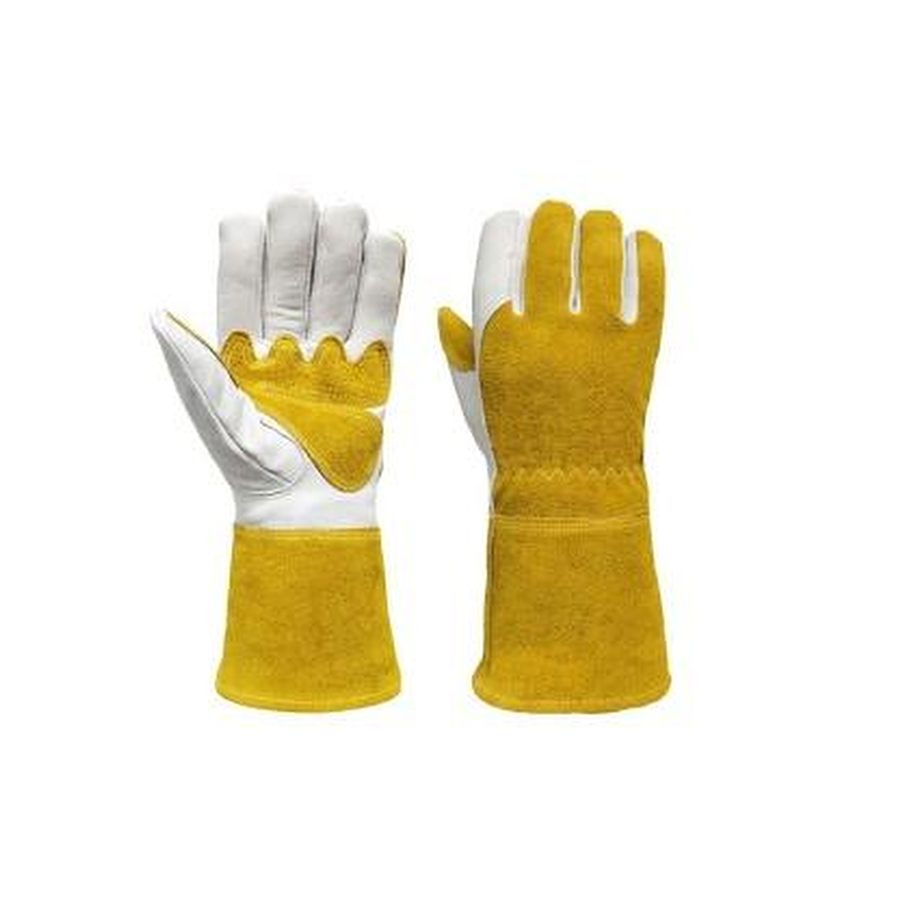
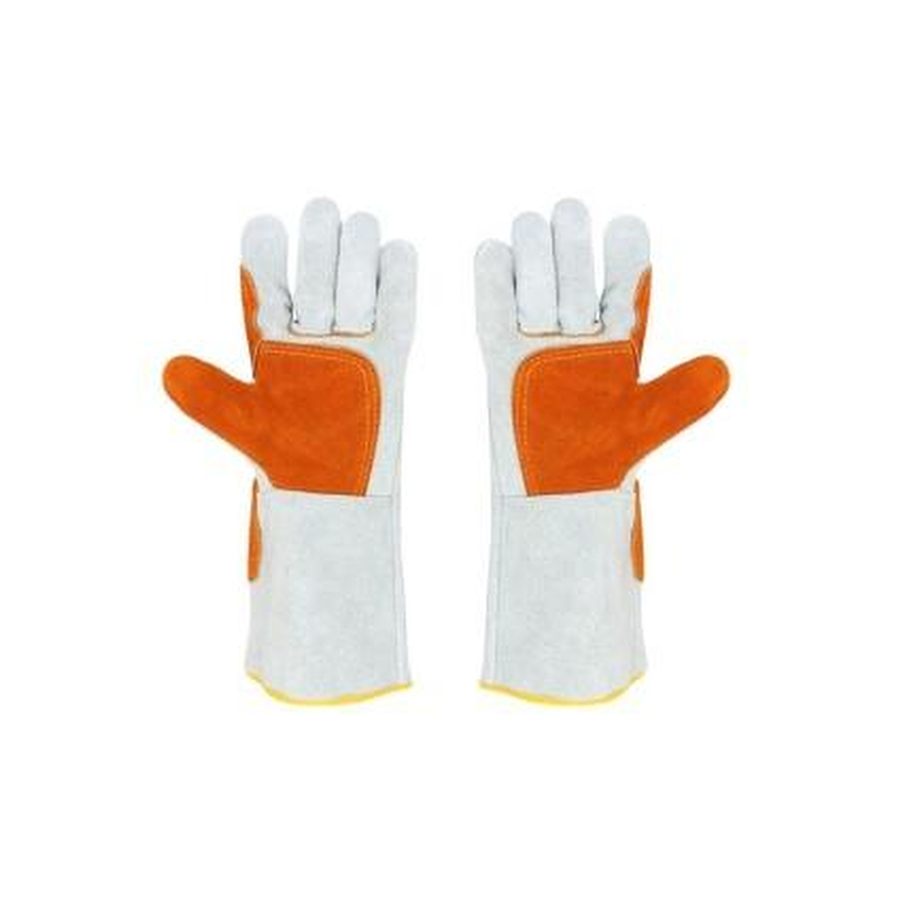
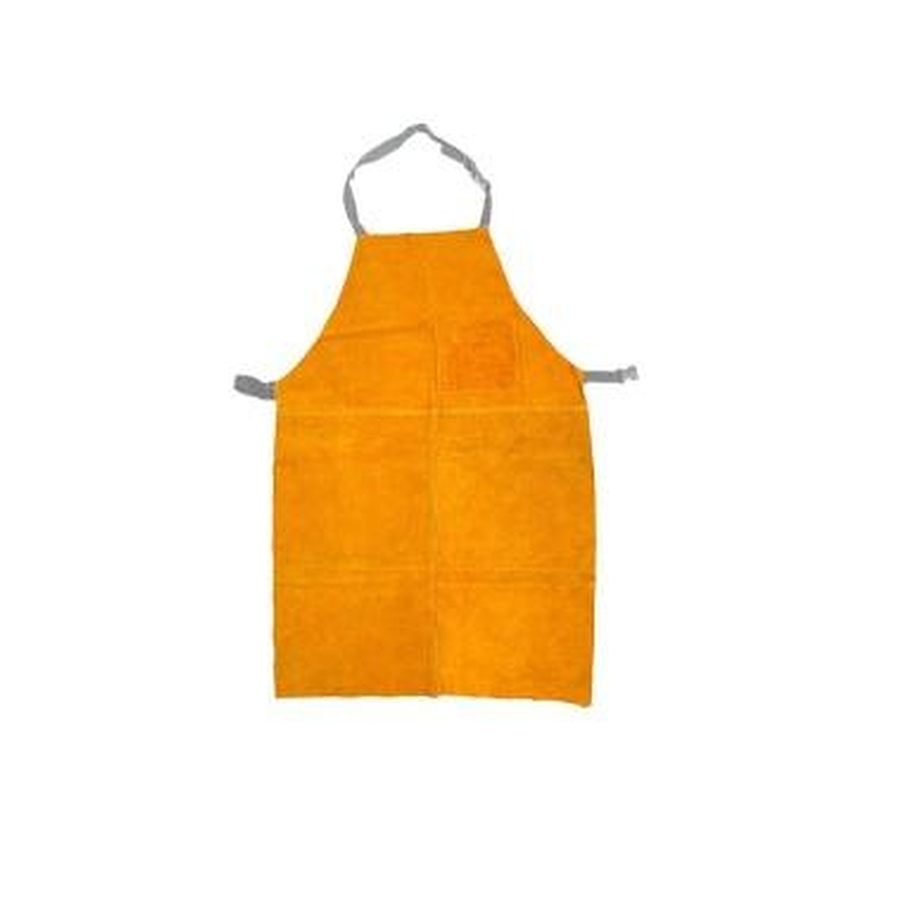
- MIG, TIG, and stick welding
- Foundry work
- Metal fabrication
website
Body Protection & Workwear
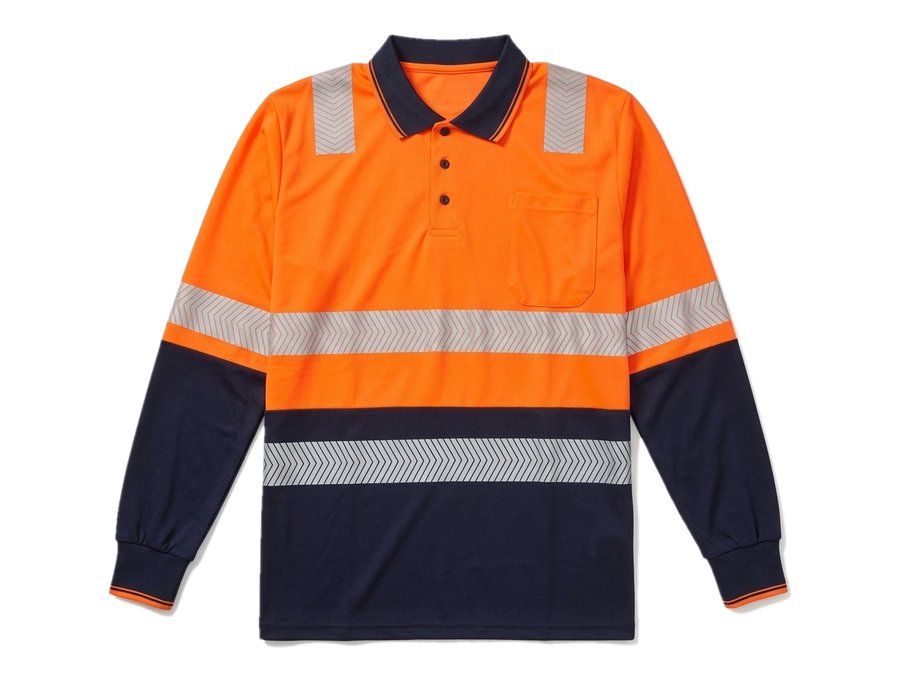
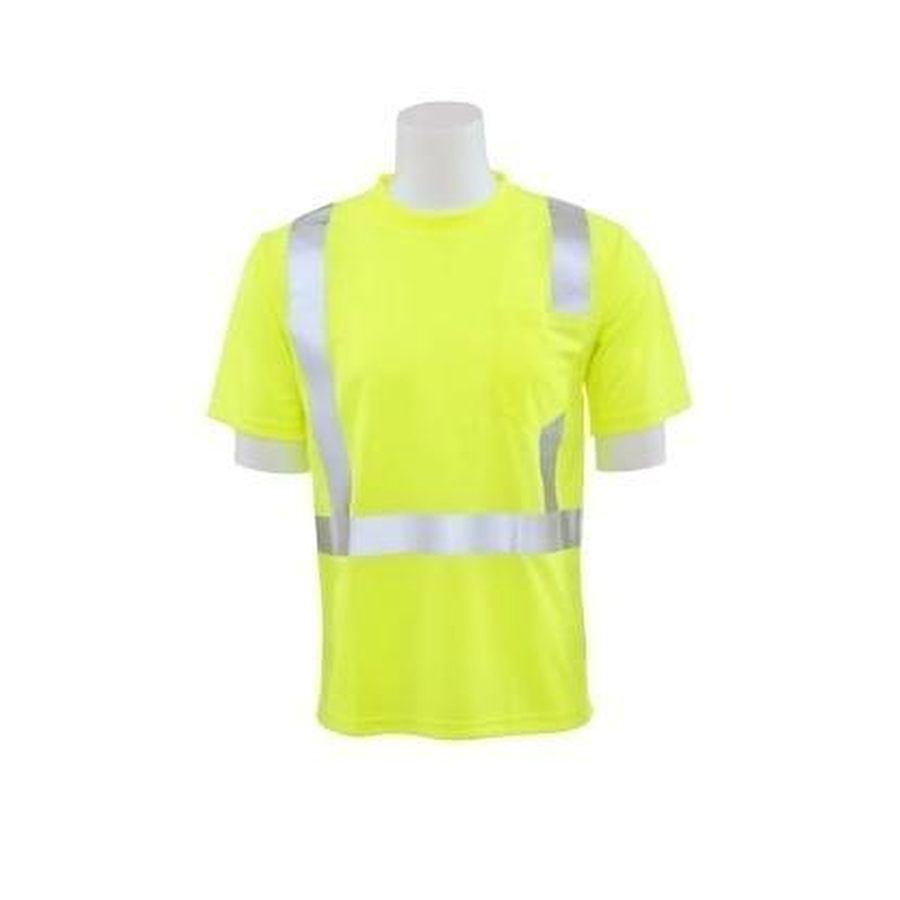
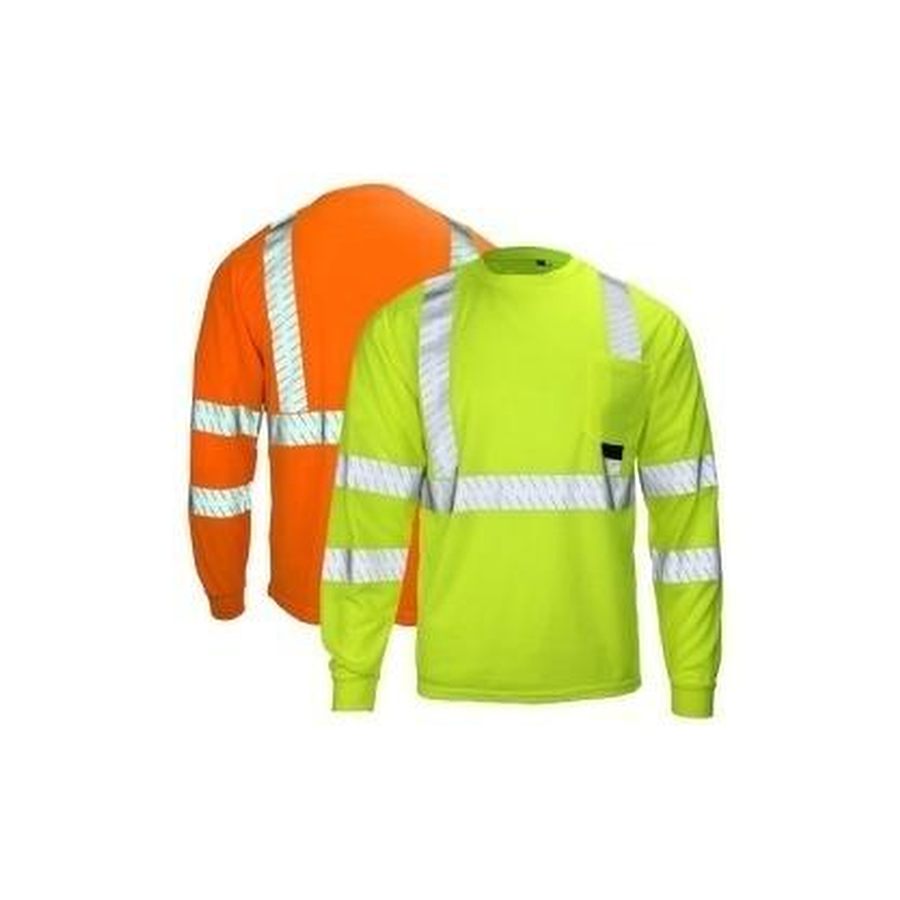
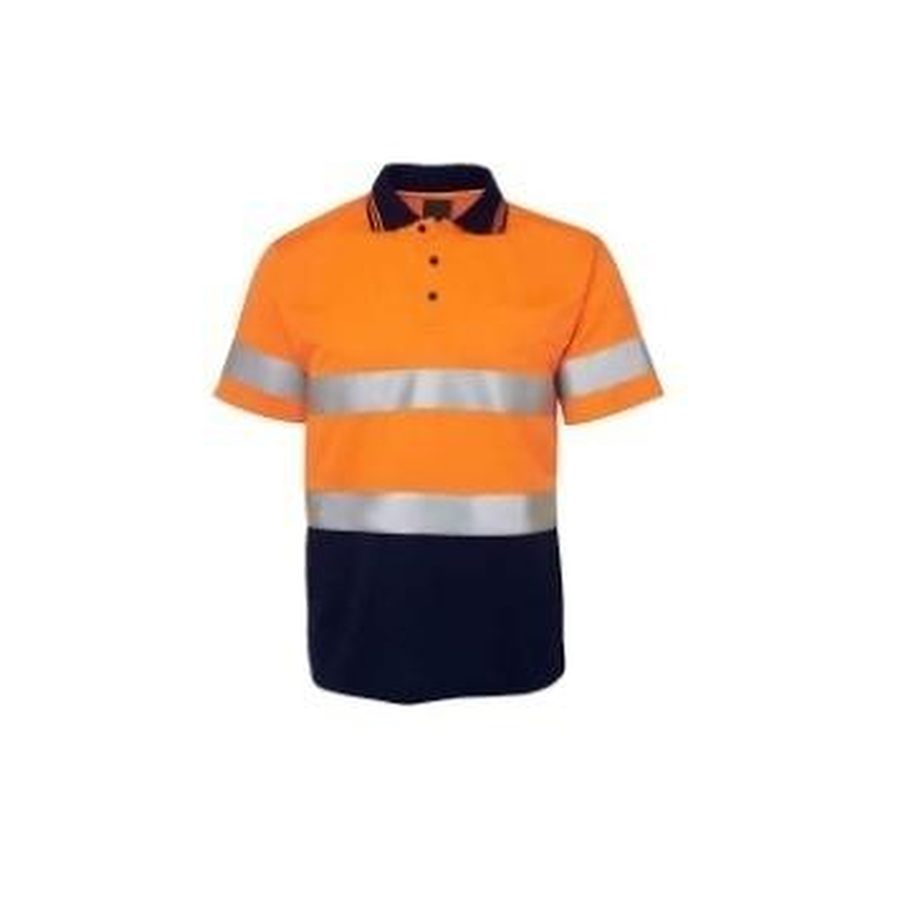
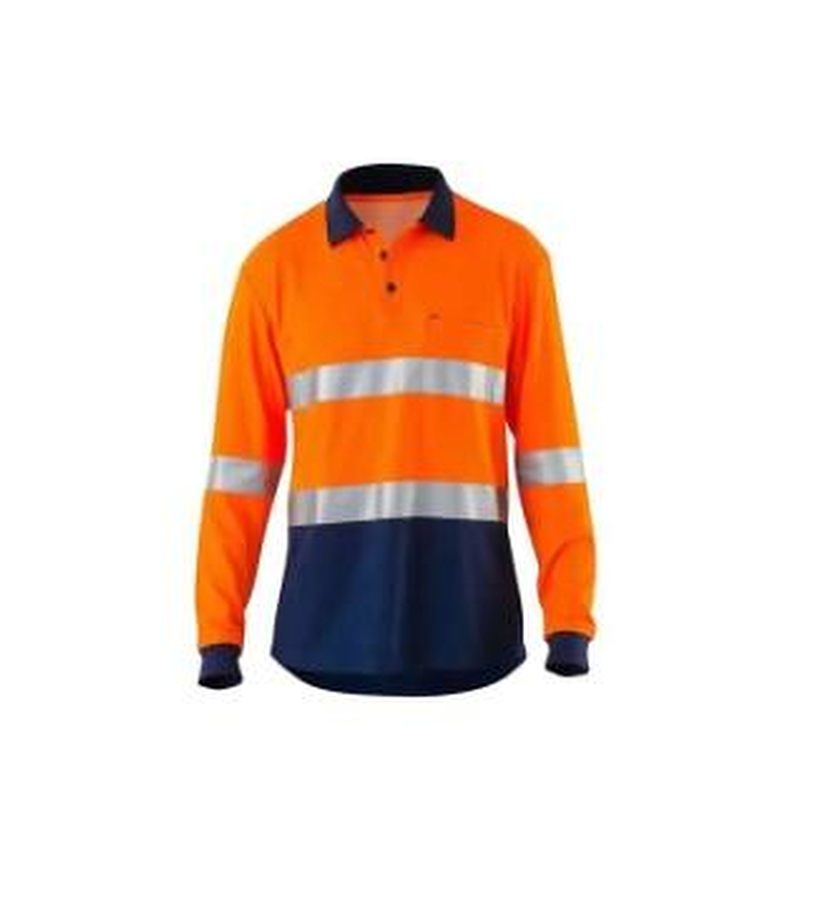
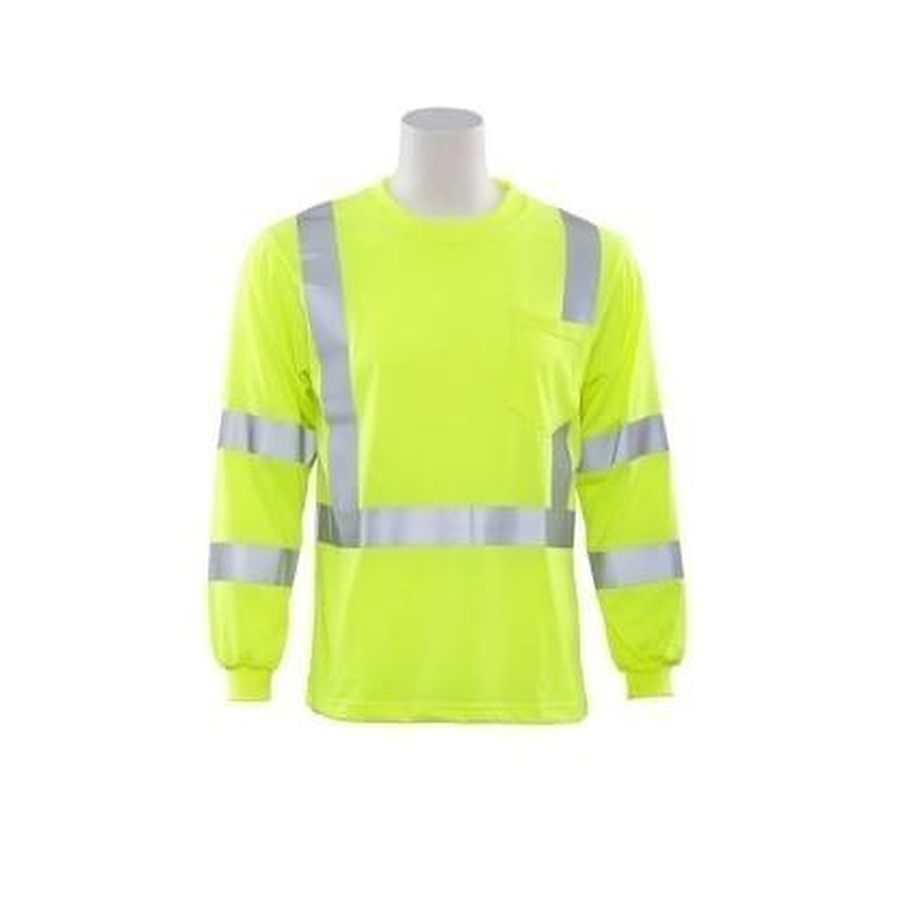
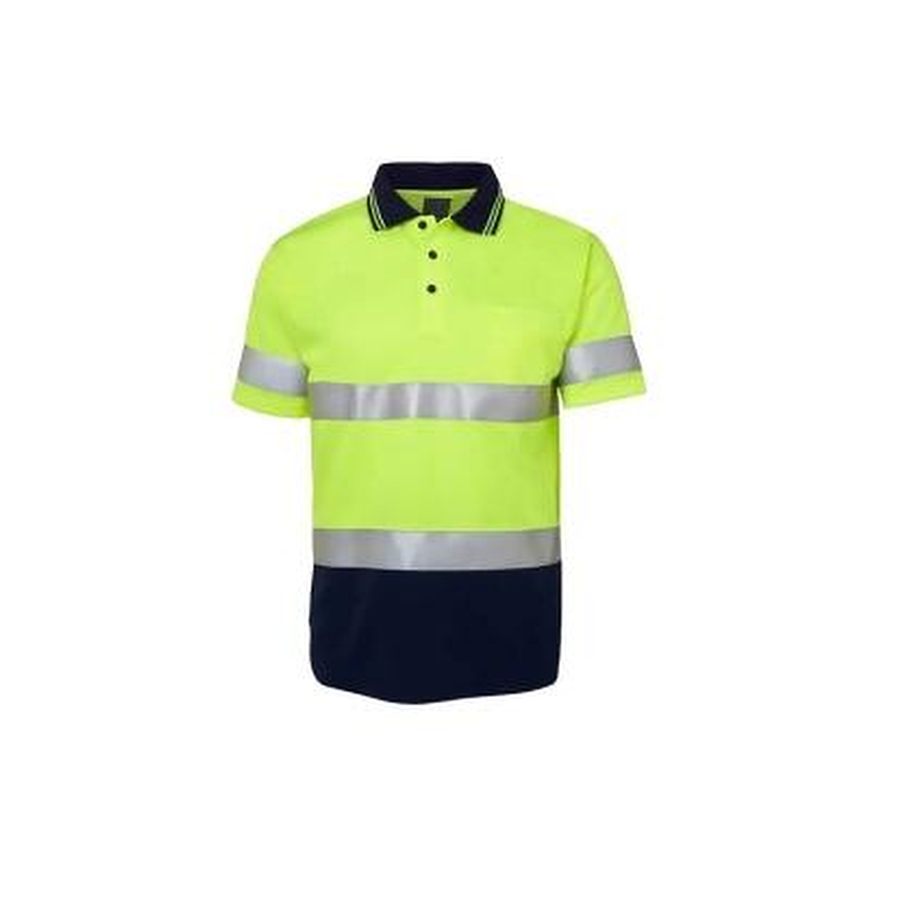
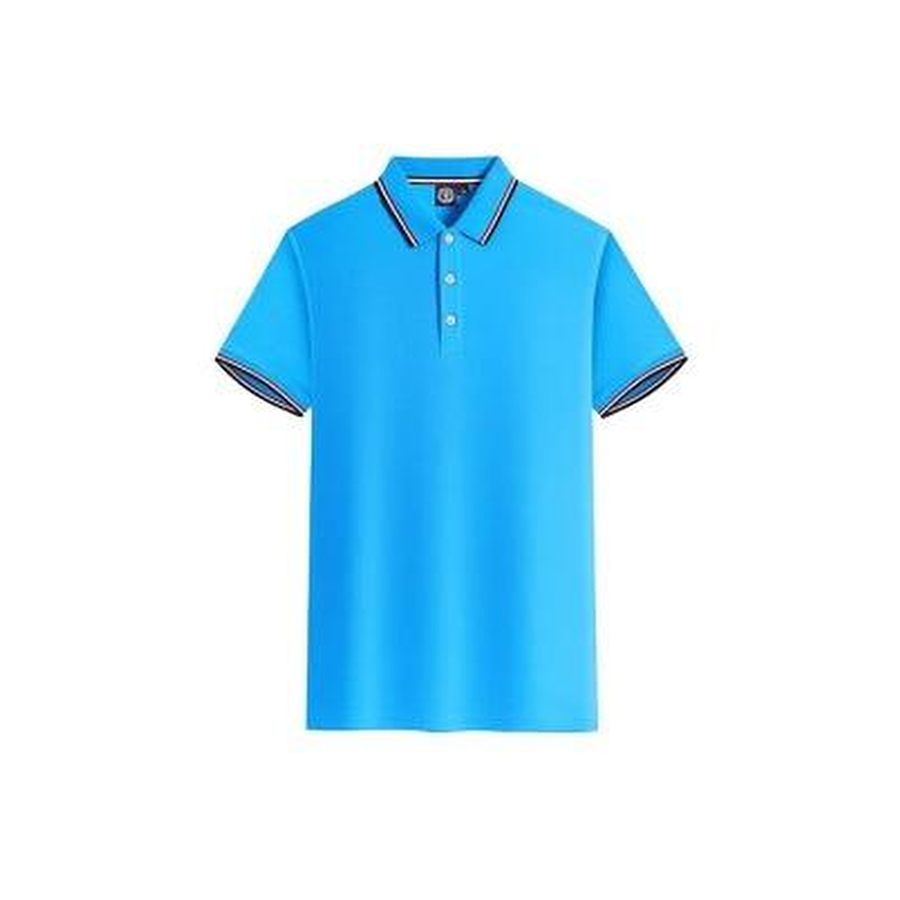
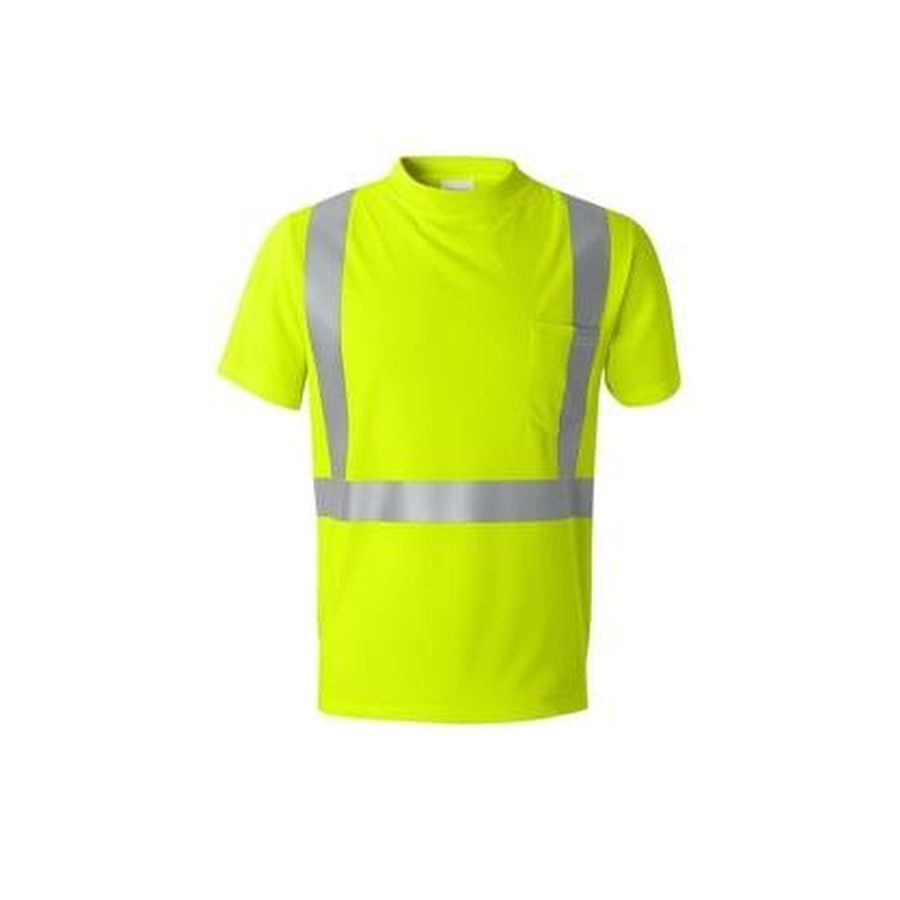
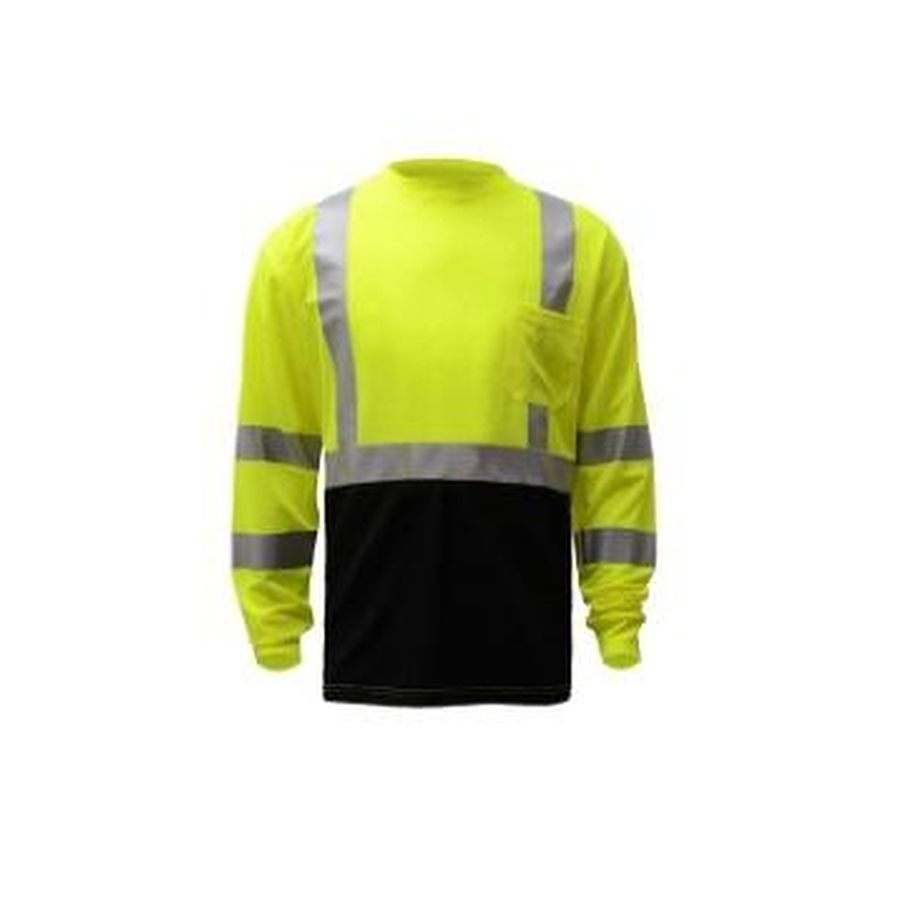
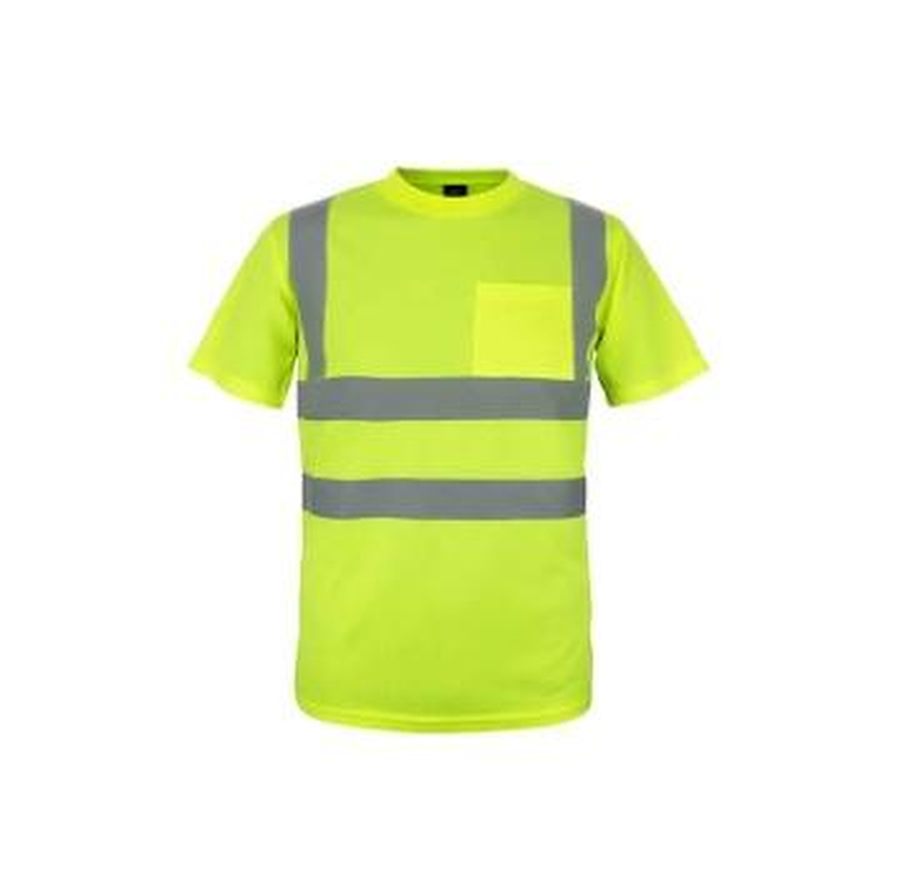
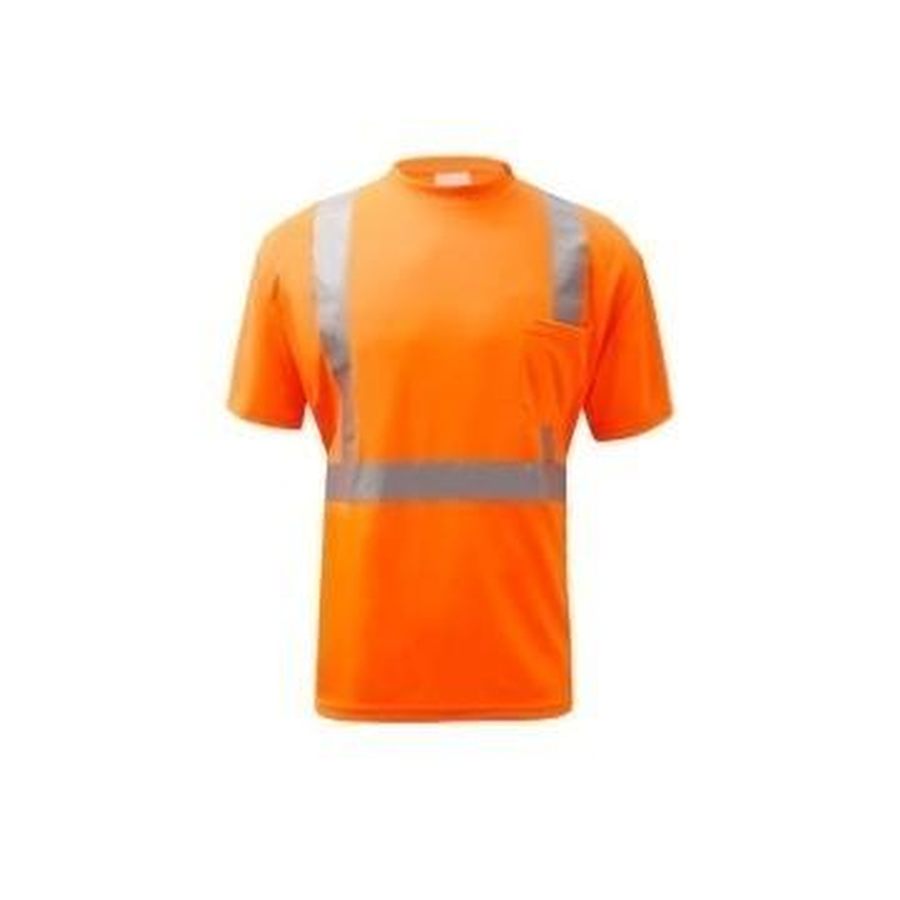
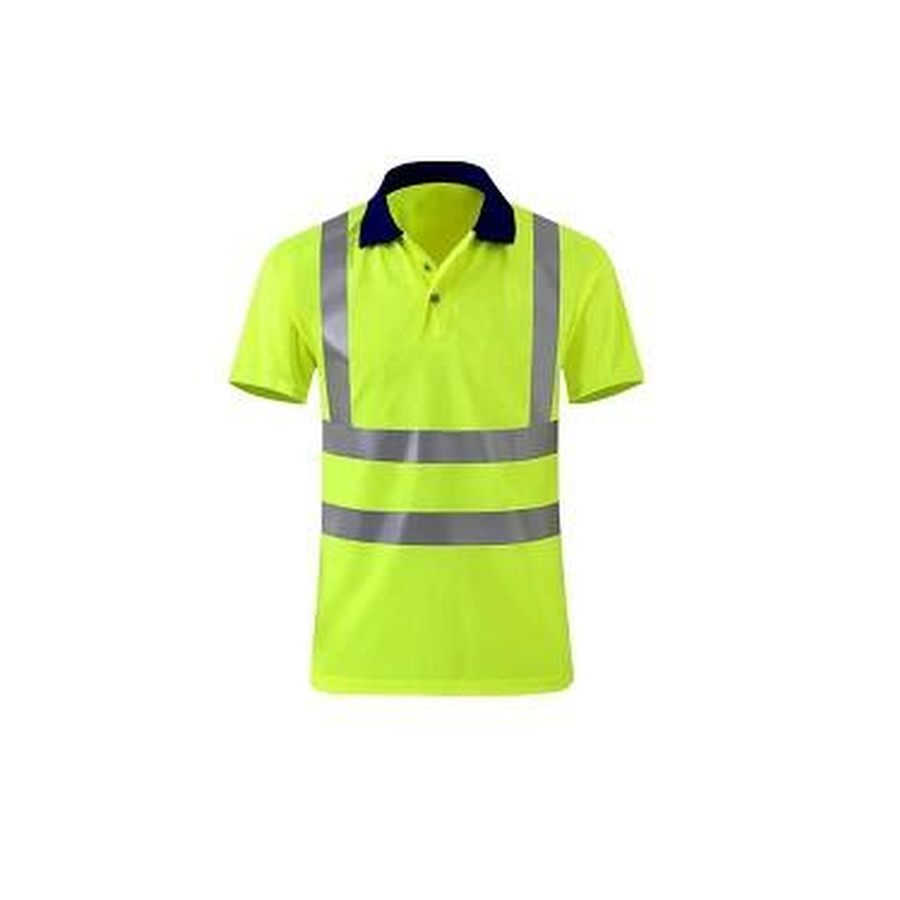
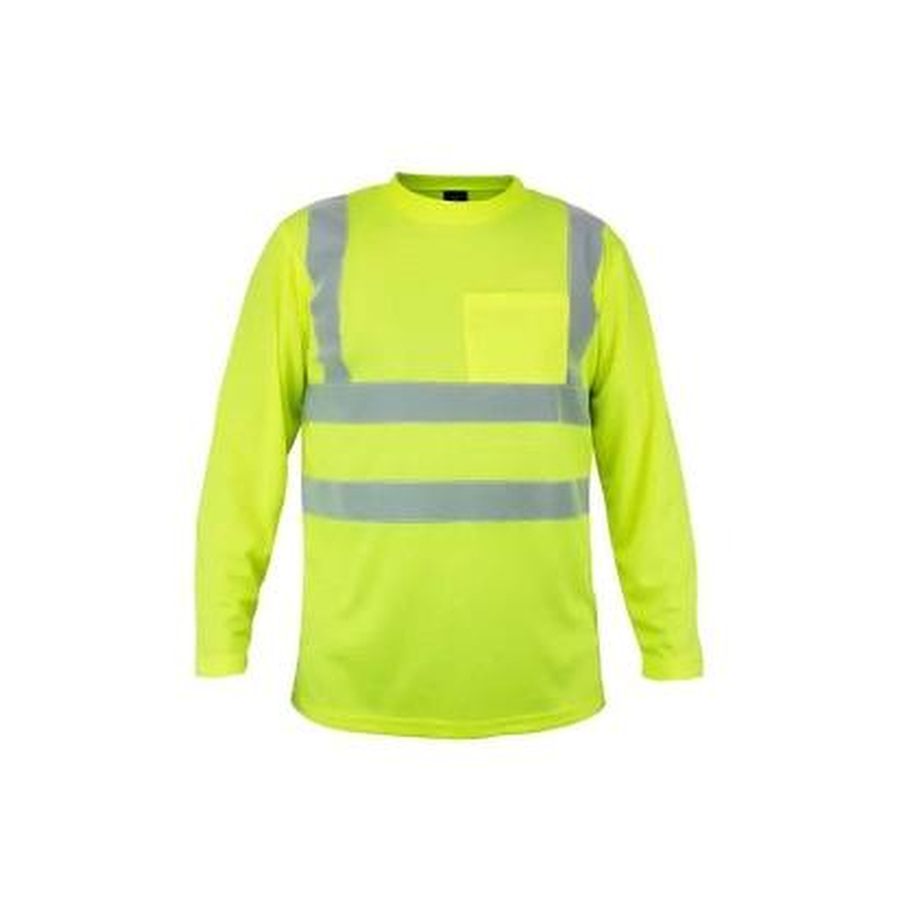
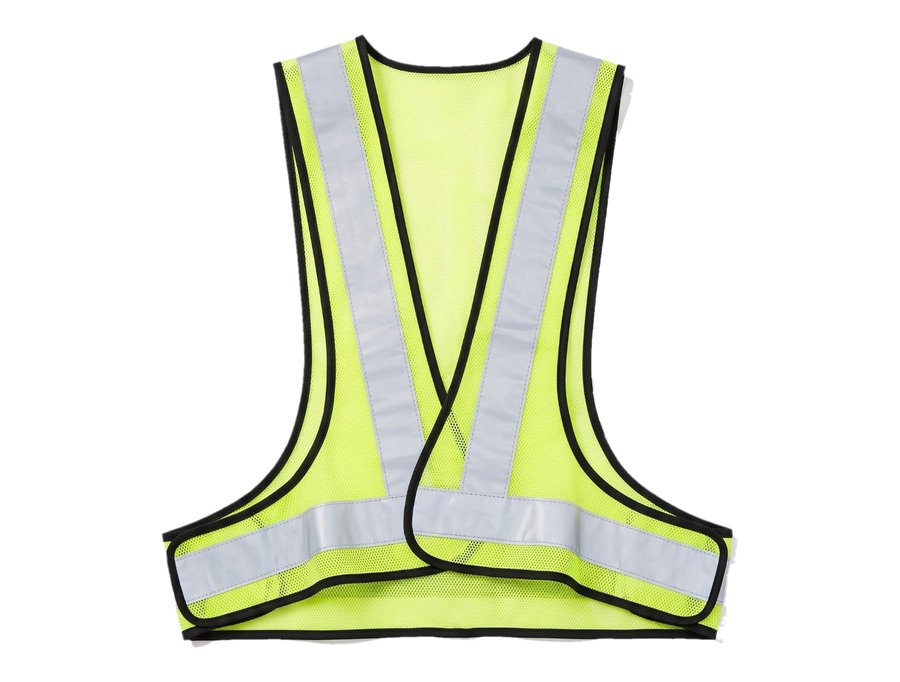
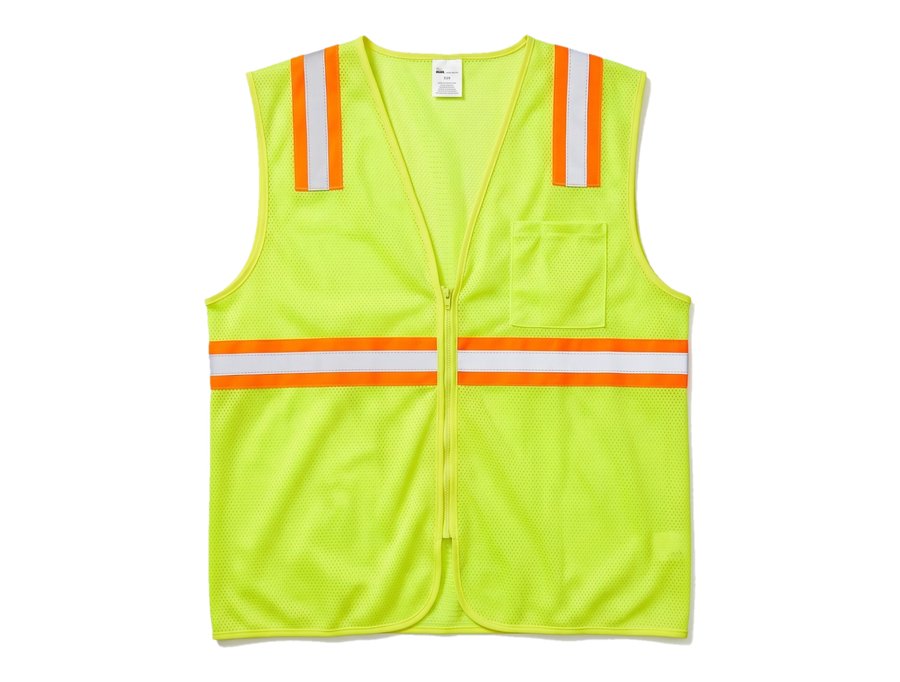
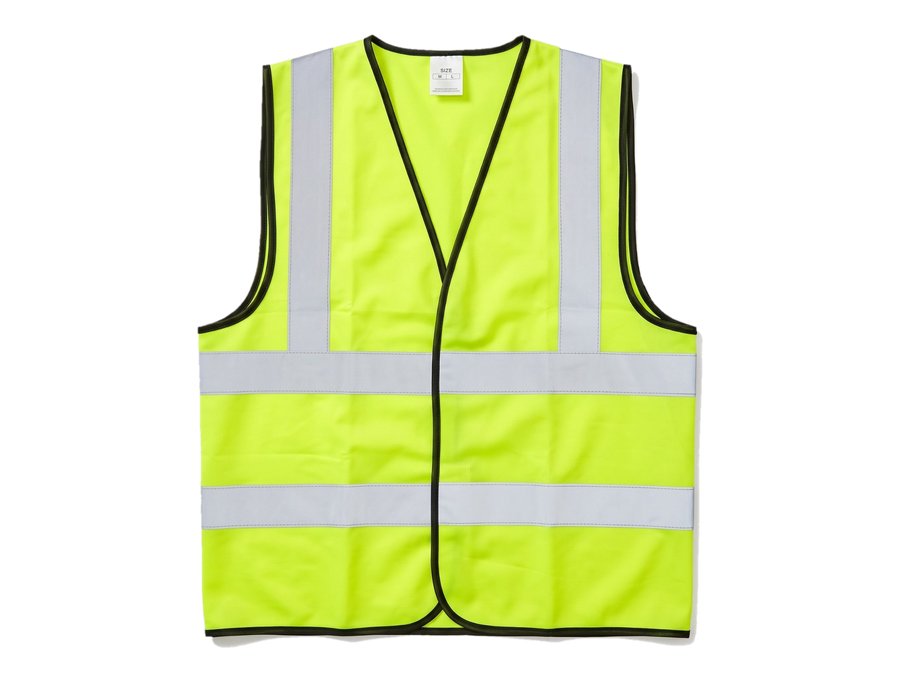
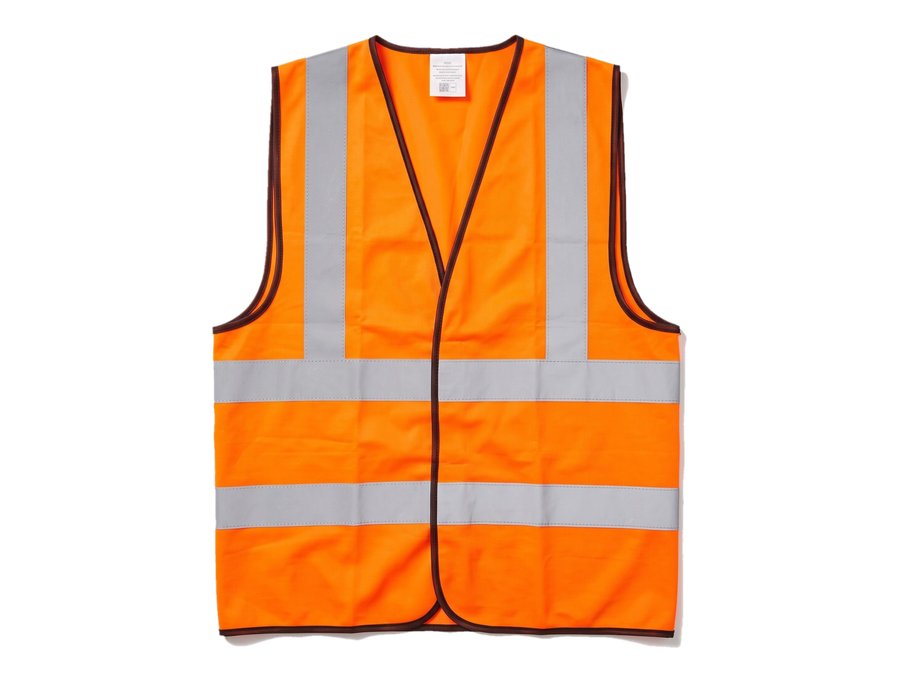
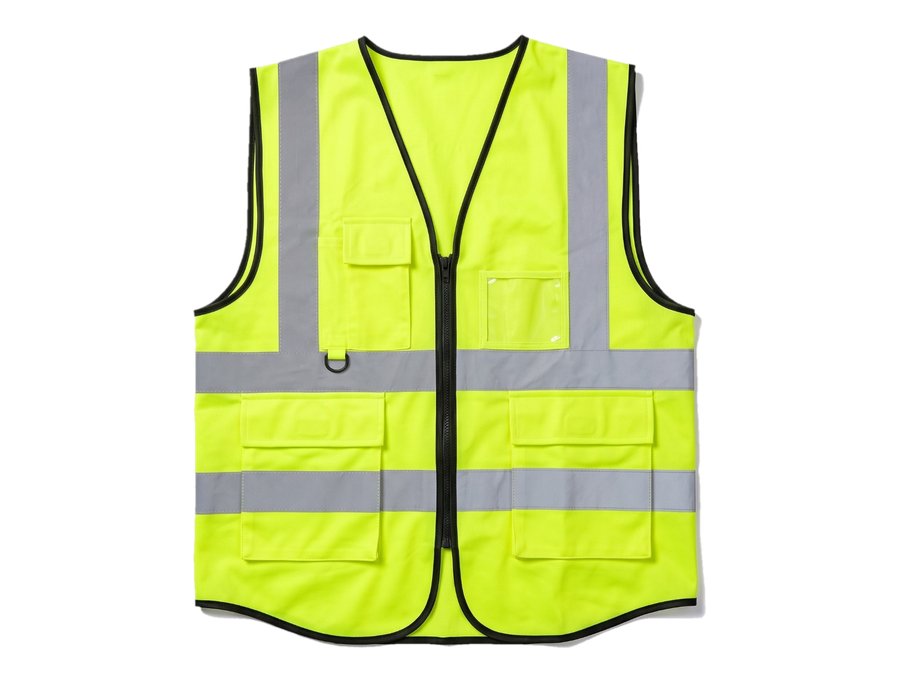
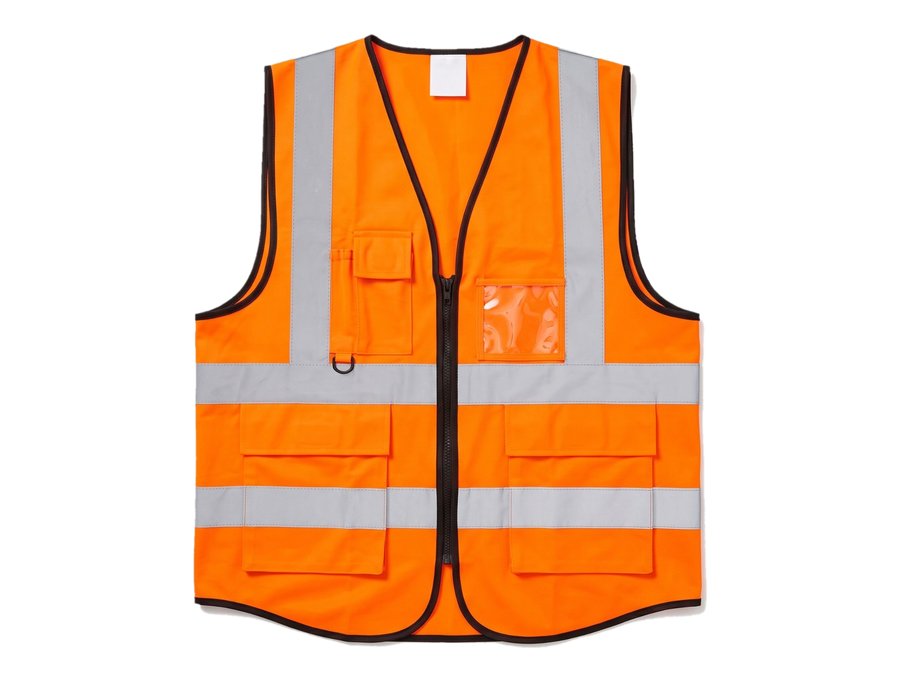
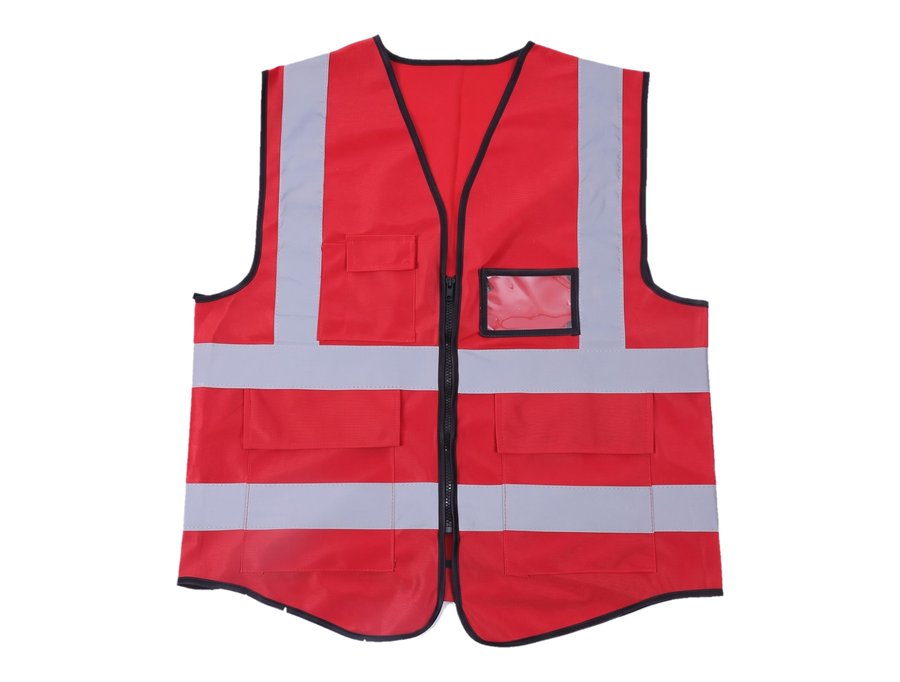
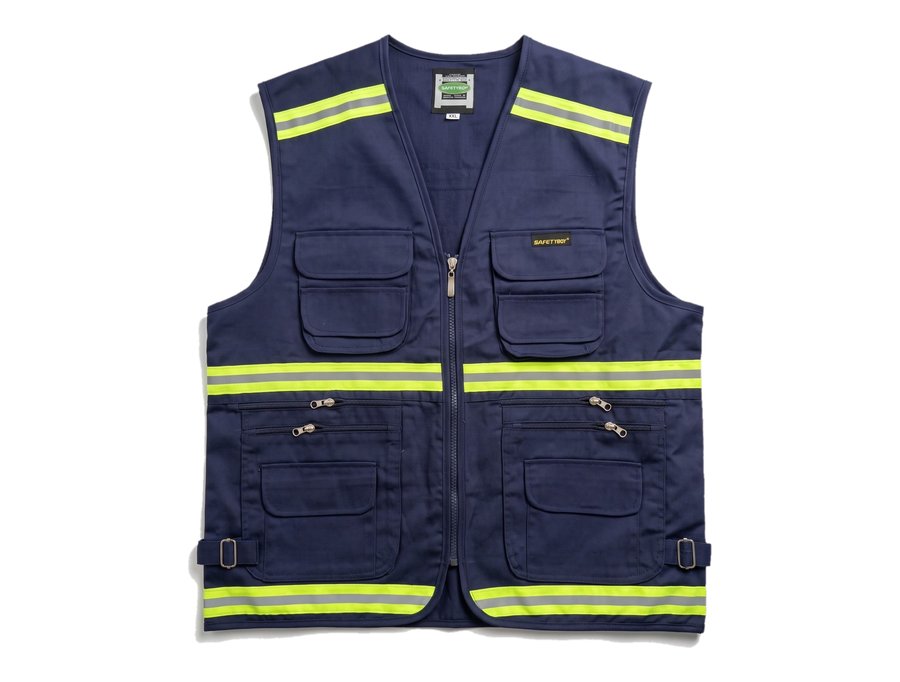
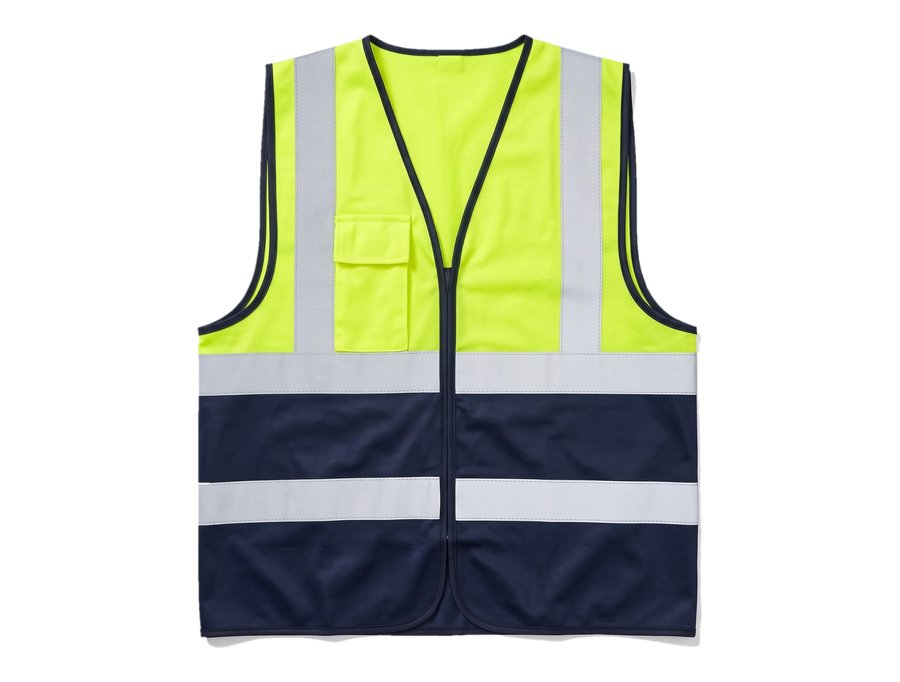
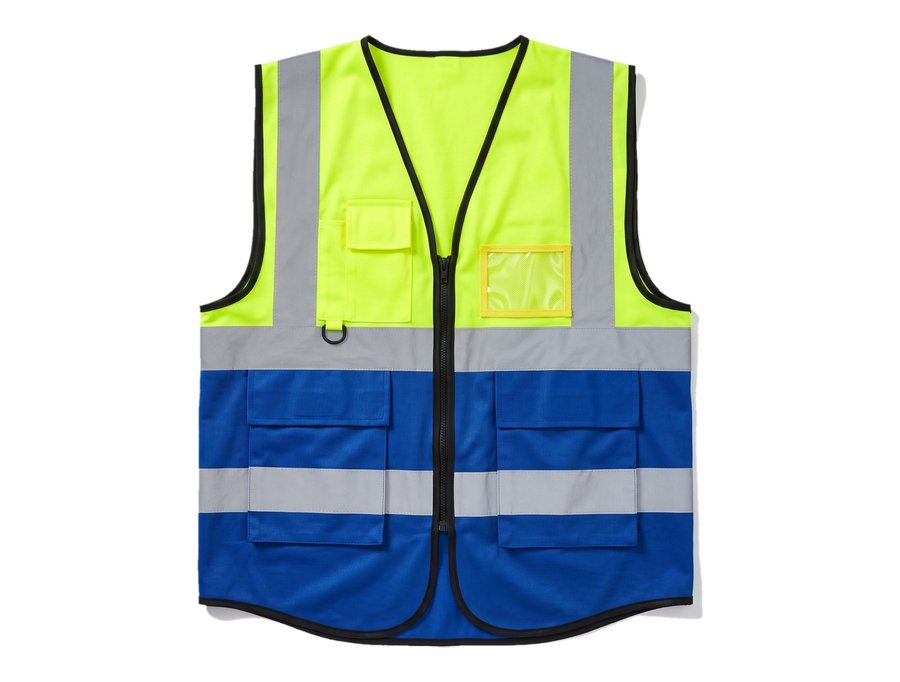
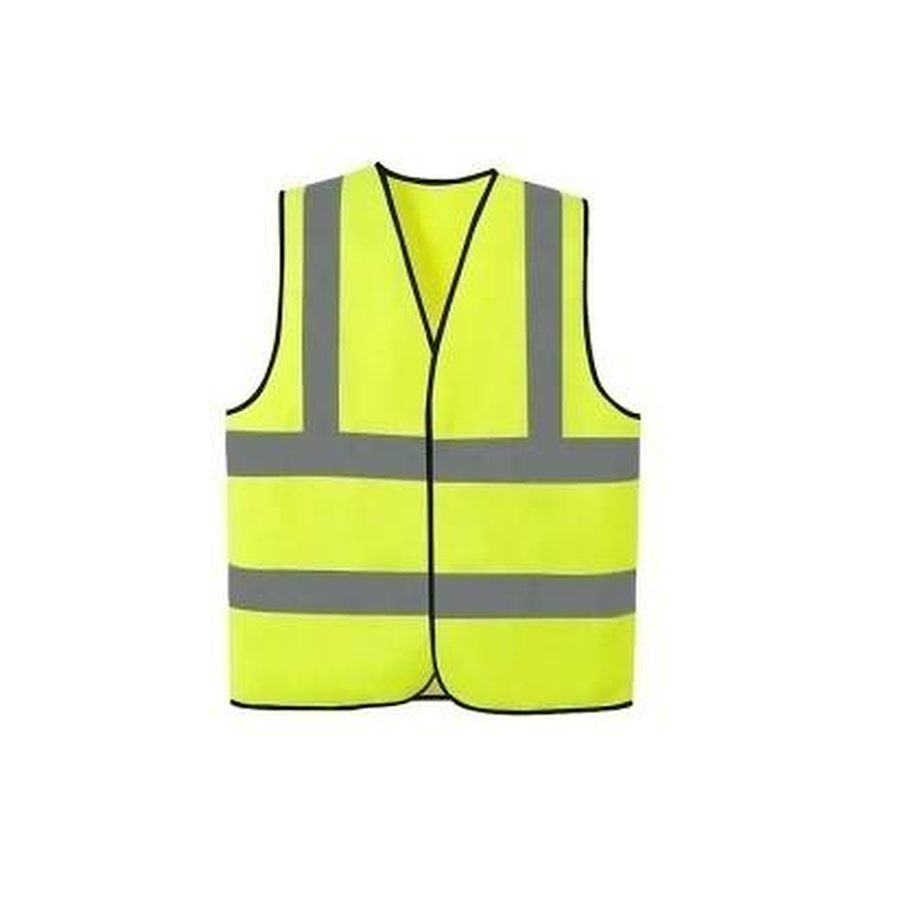
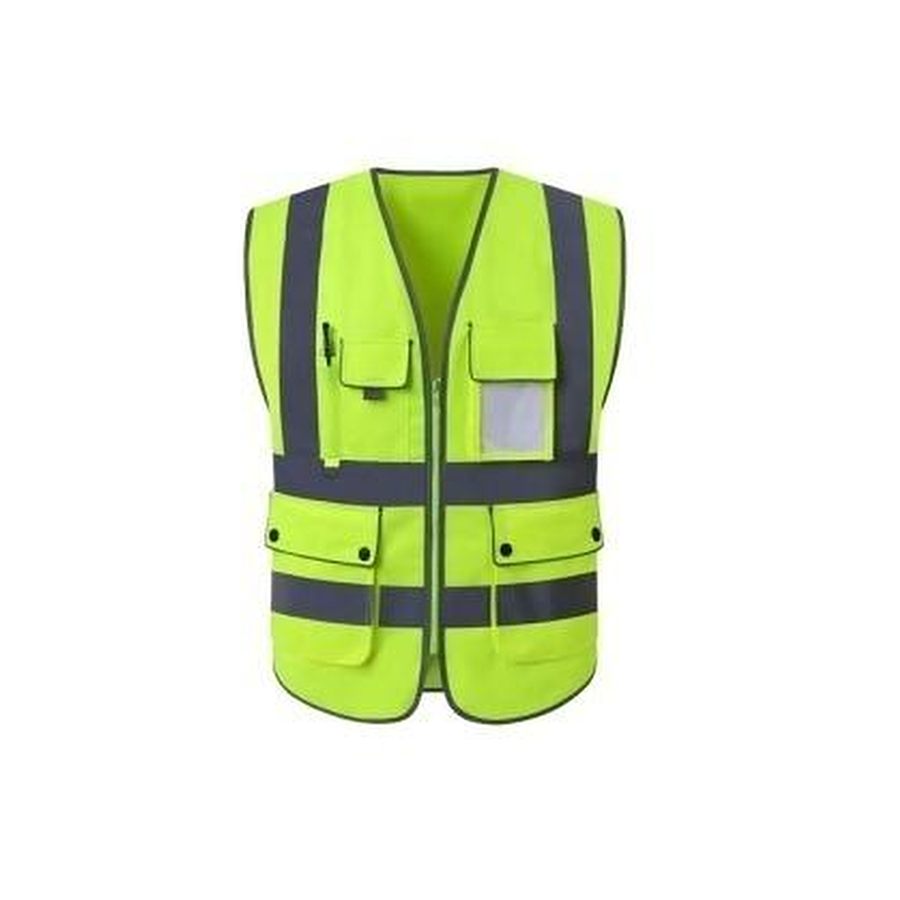
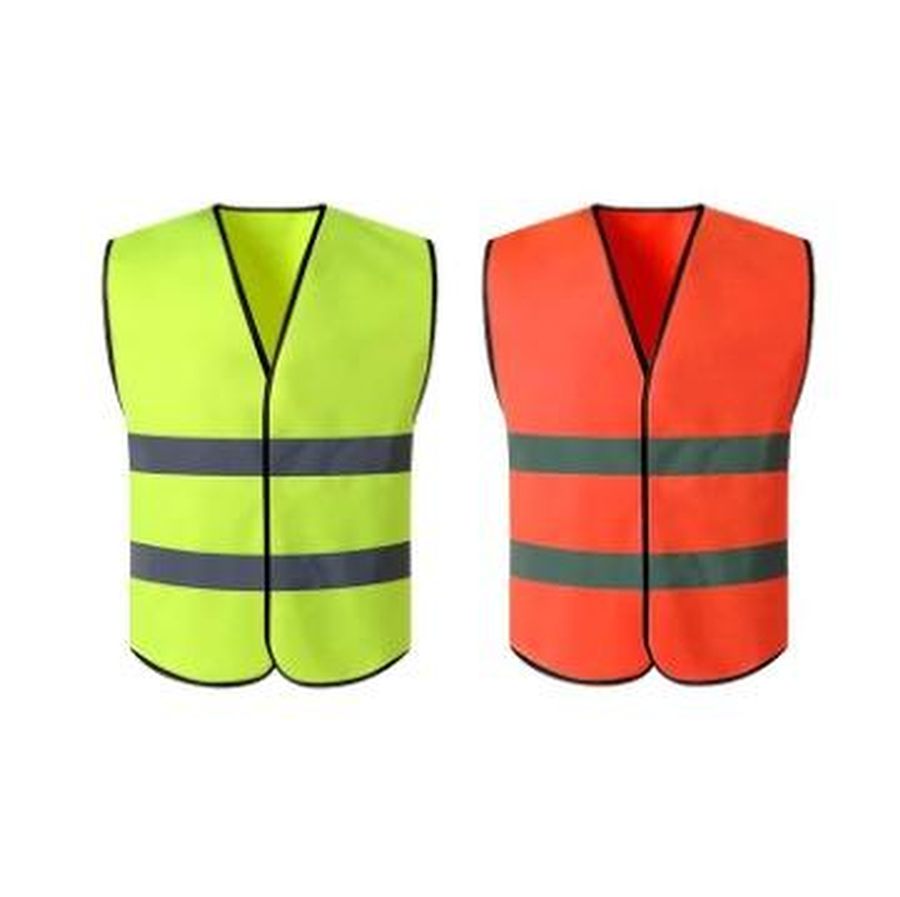
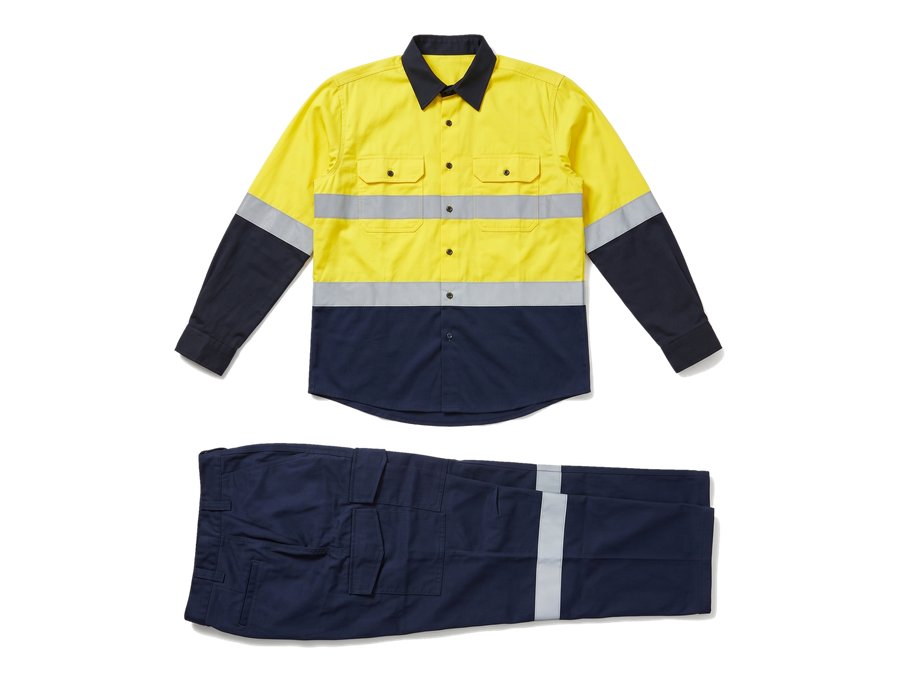
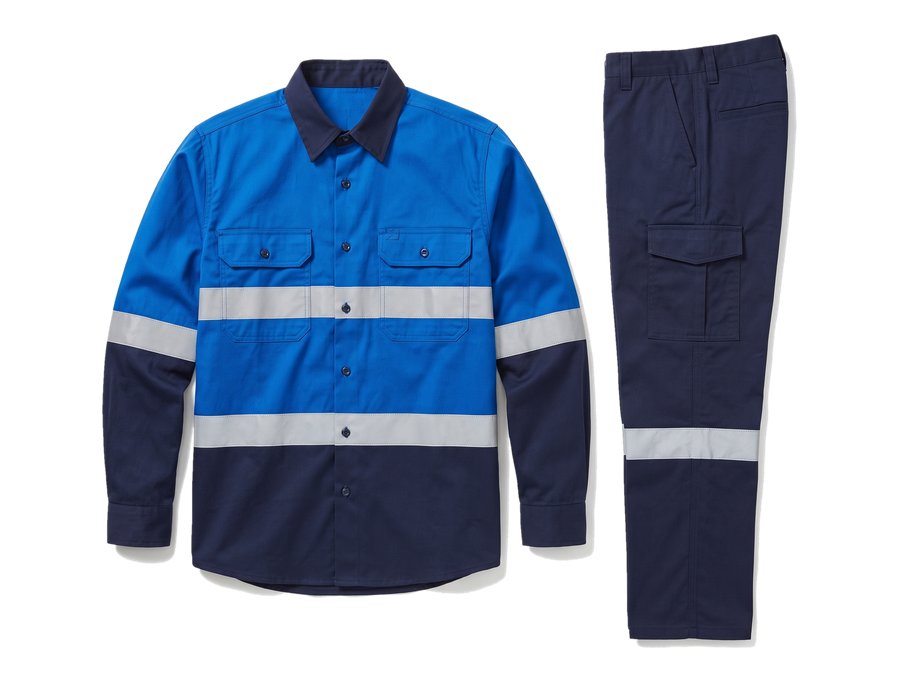
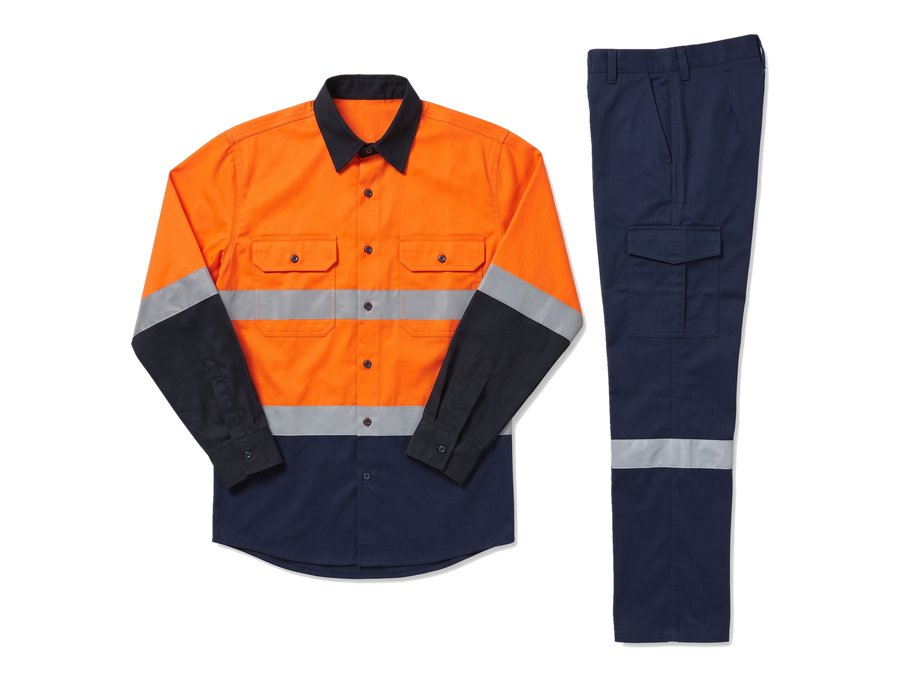
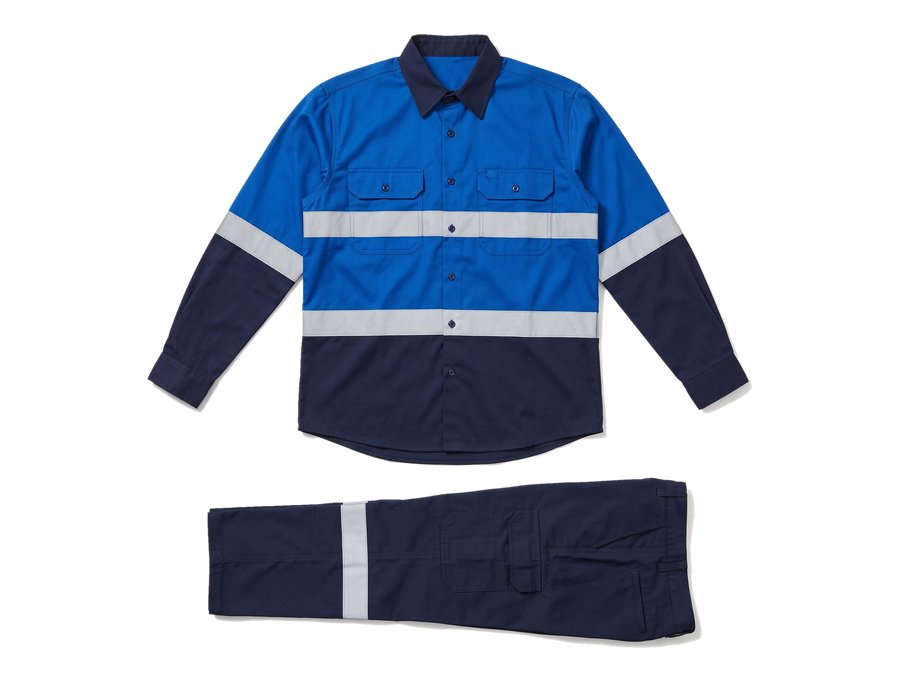
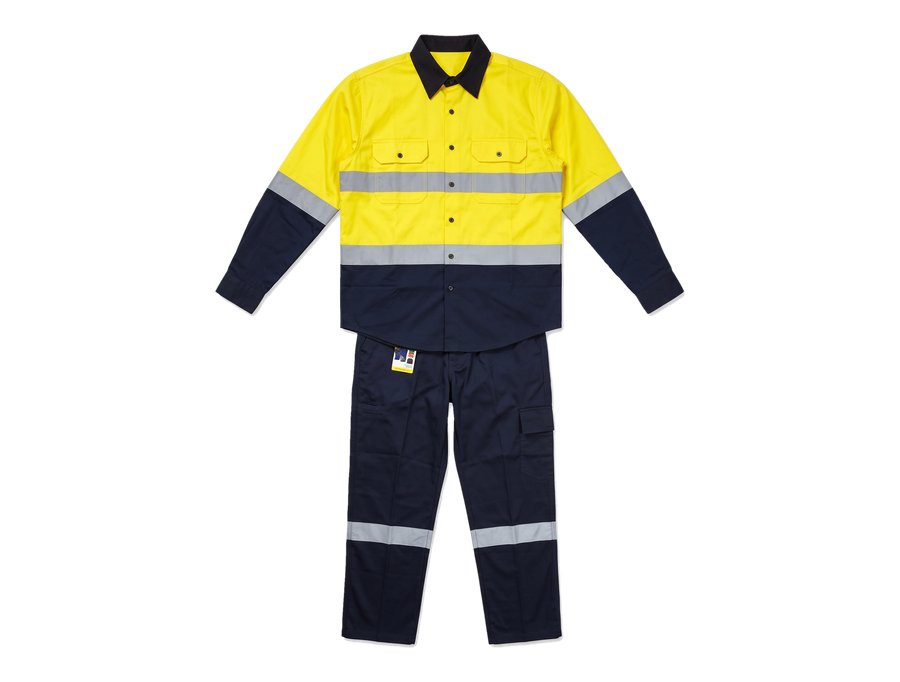
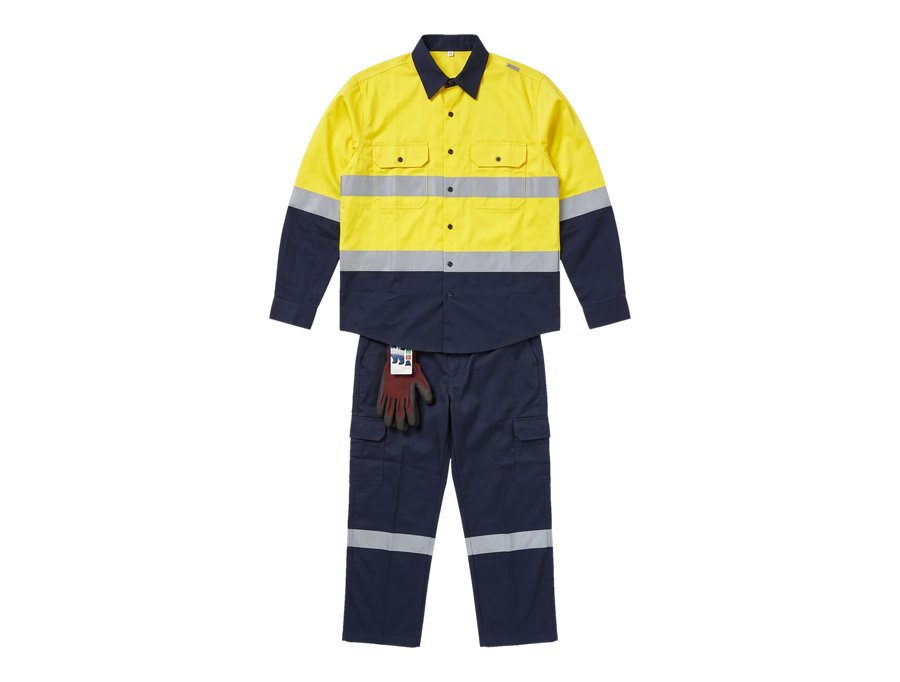
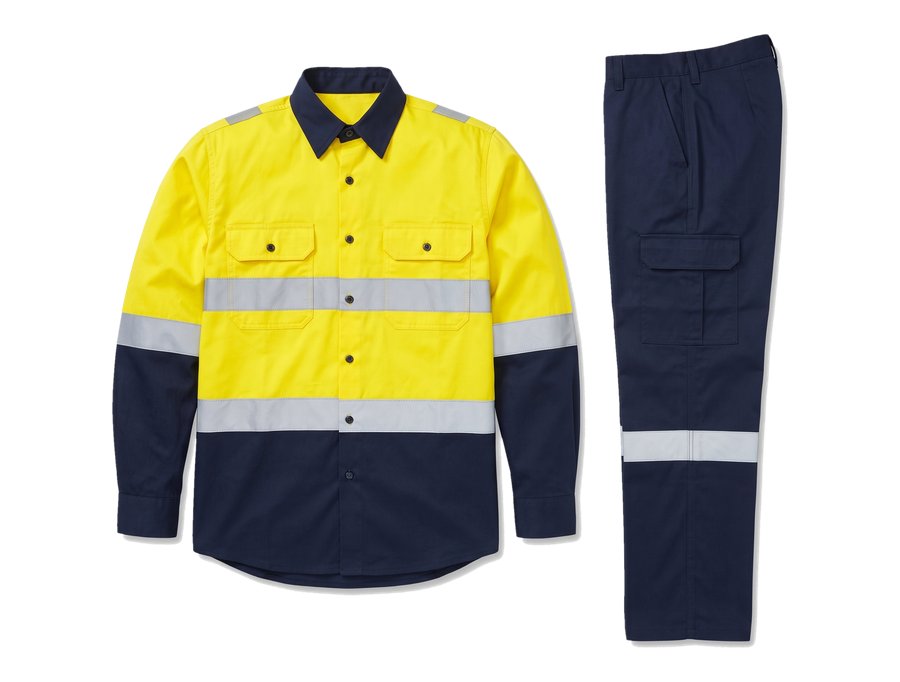
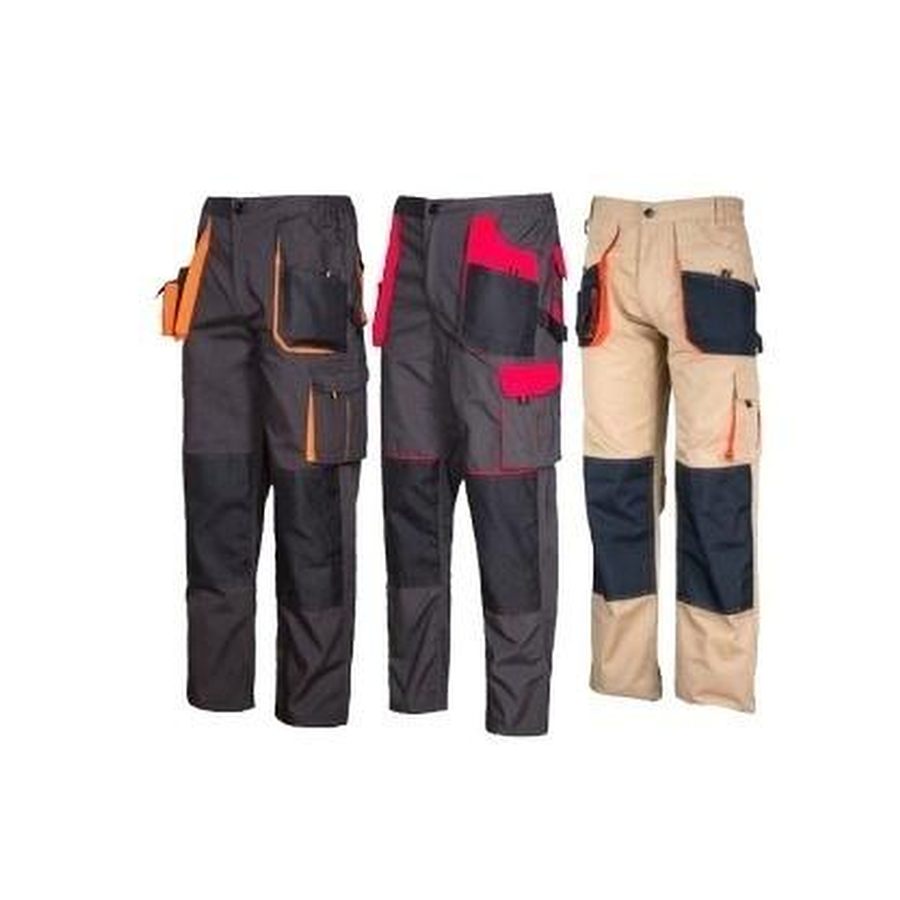
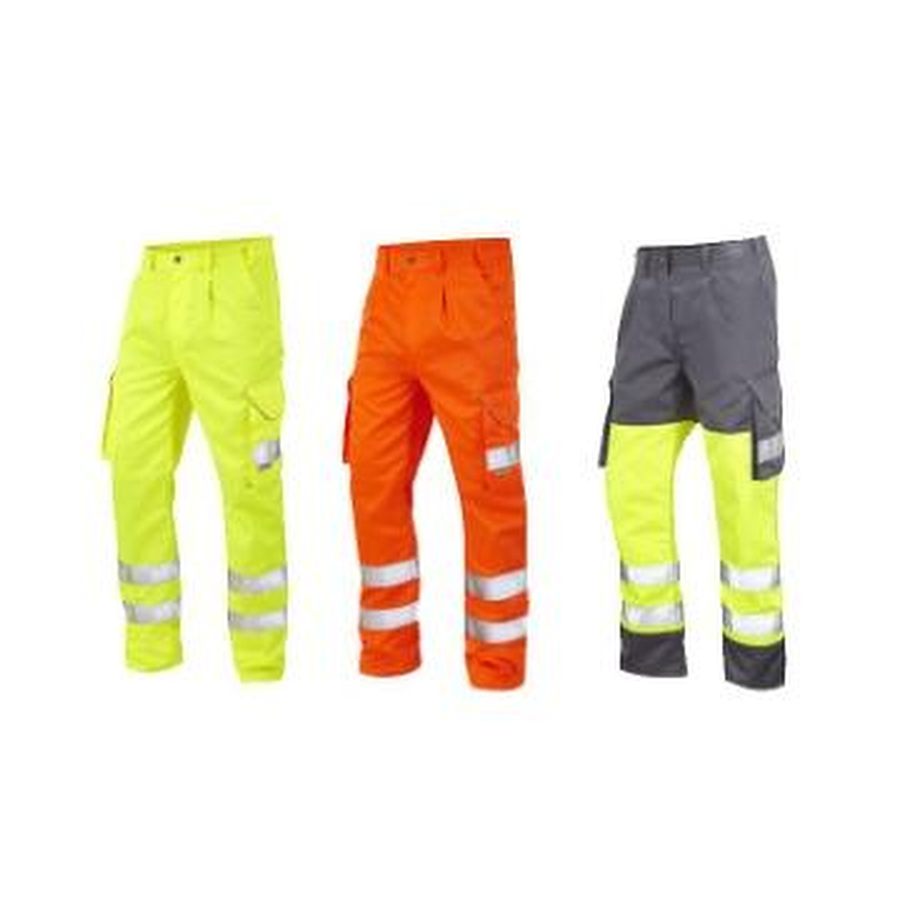
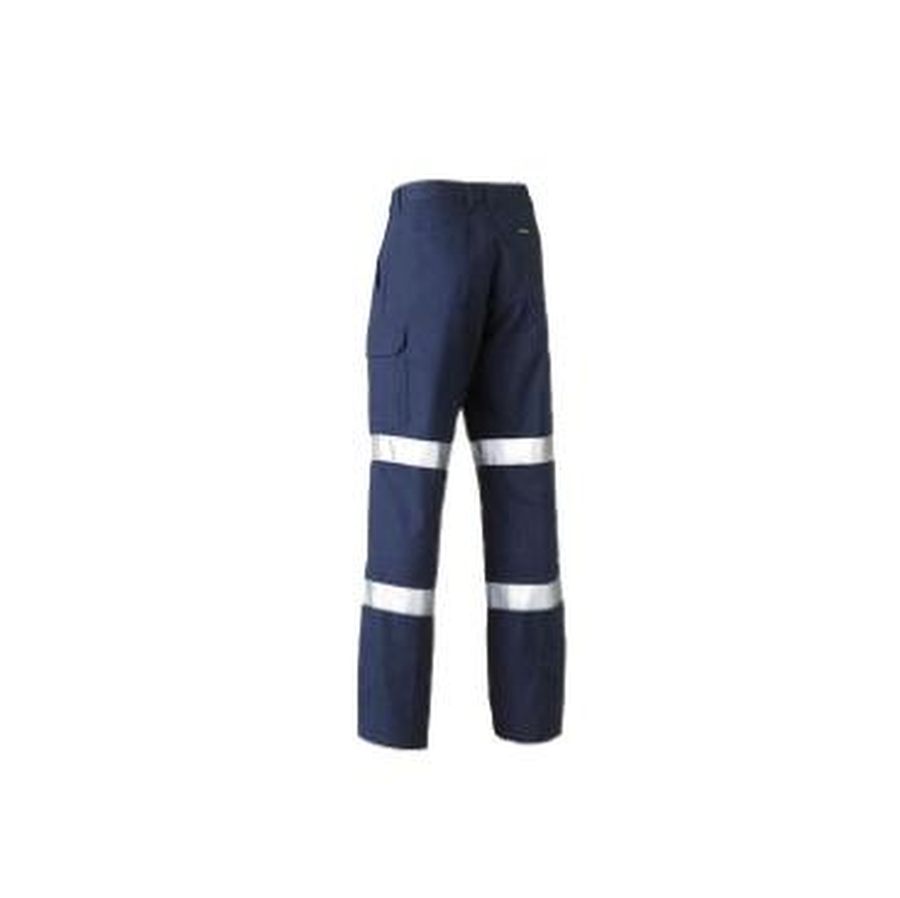
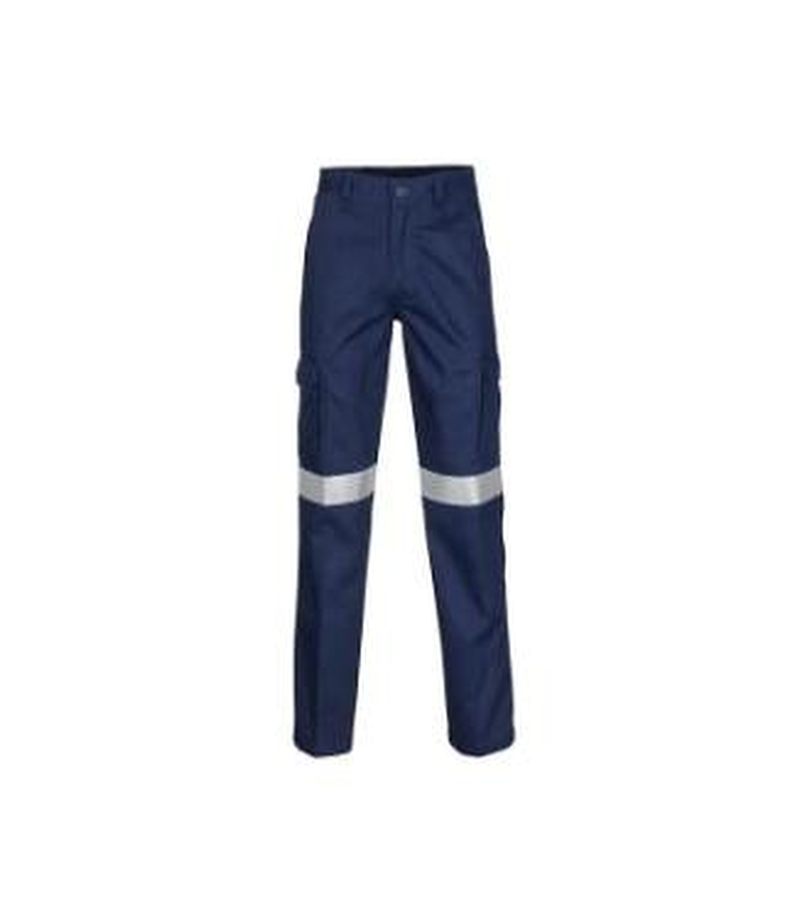
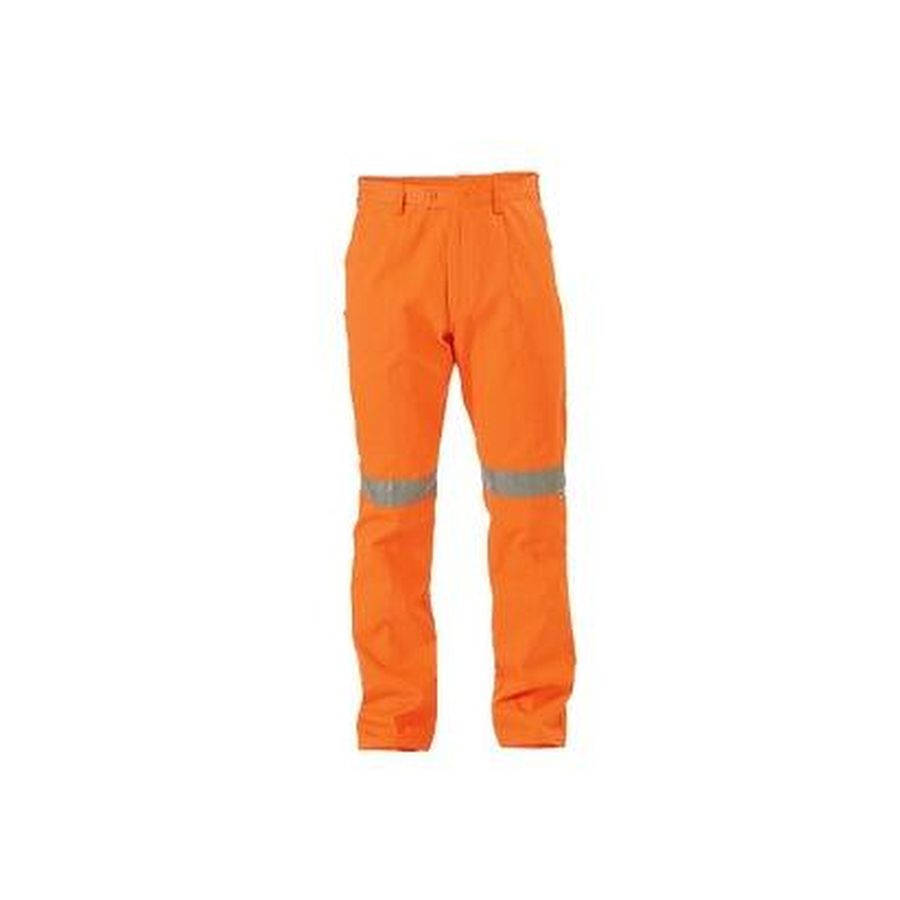
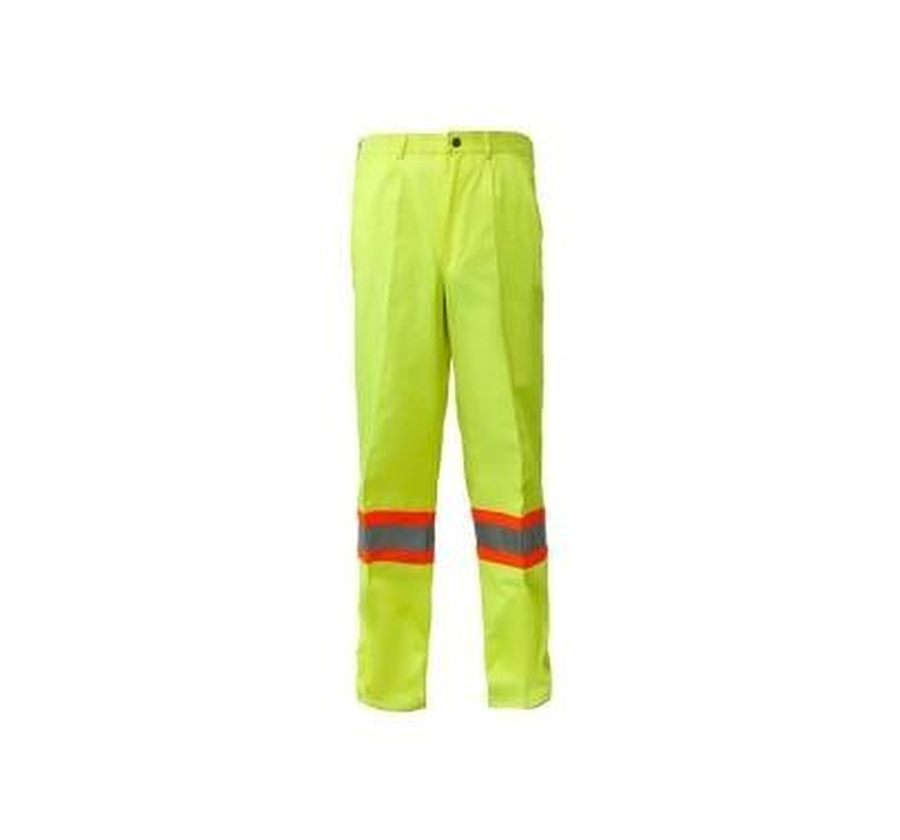
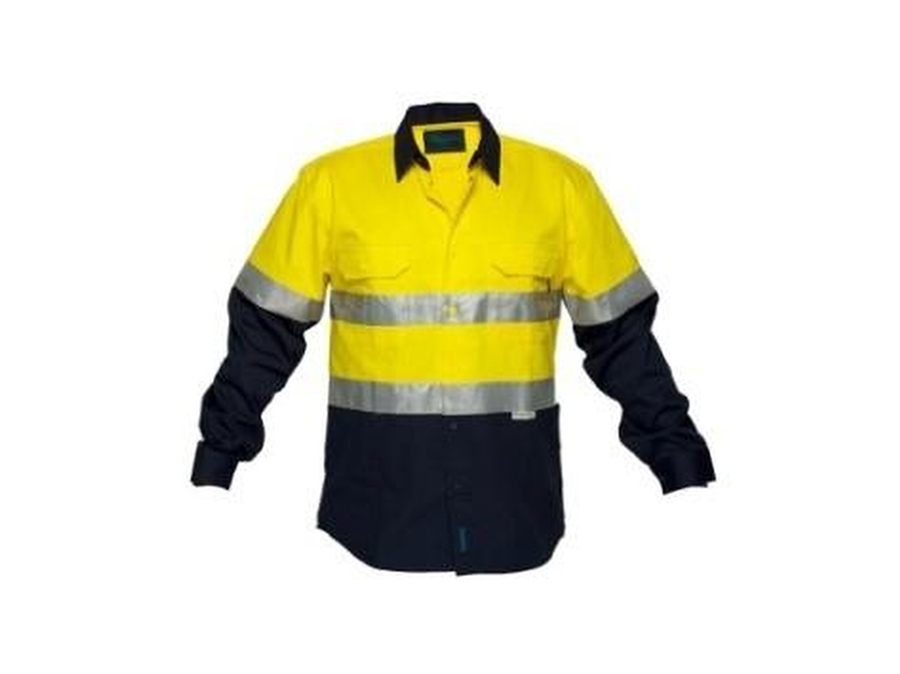
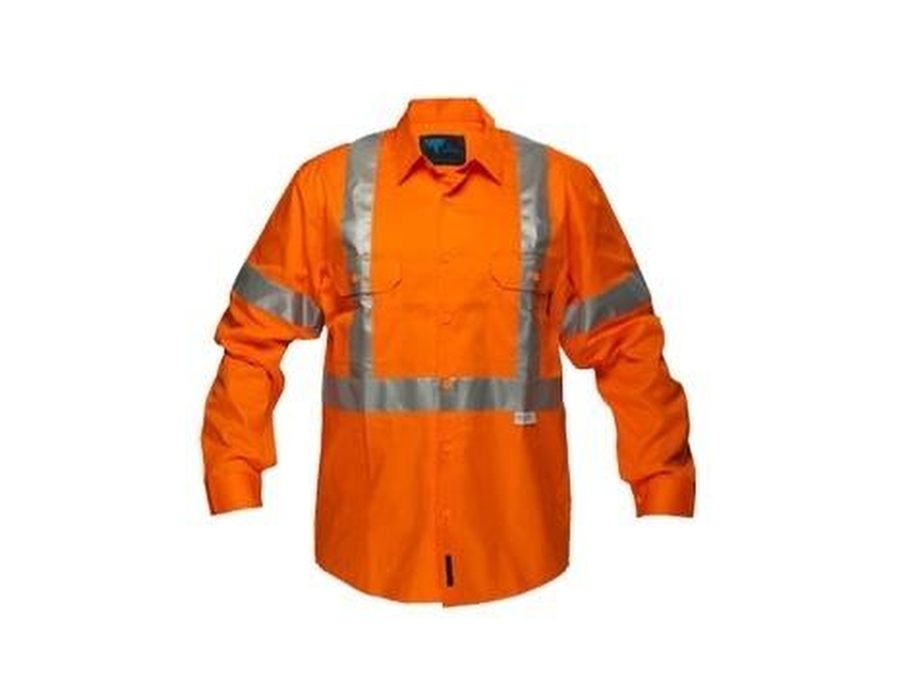
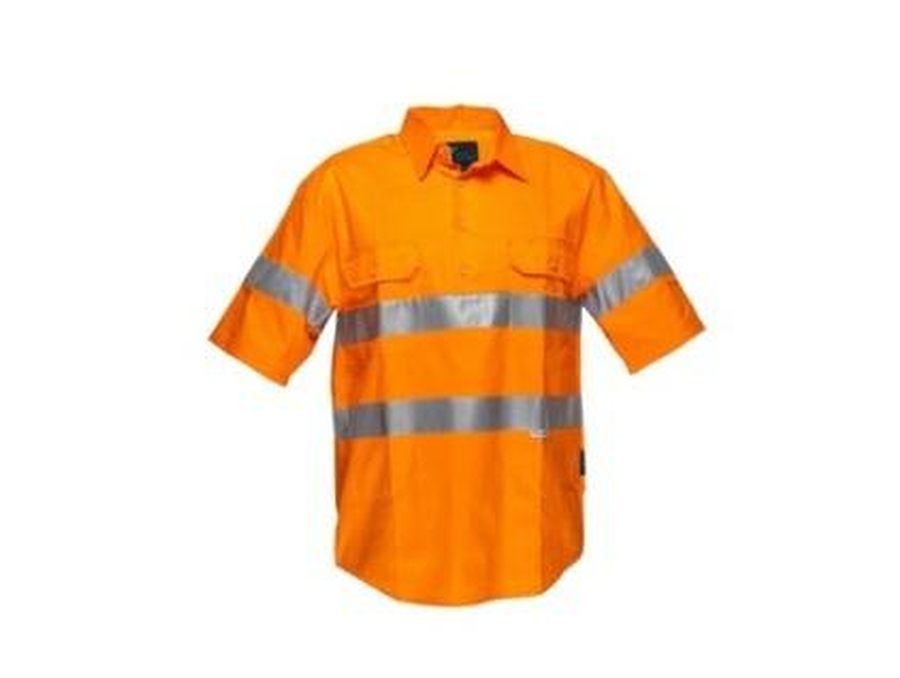
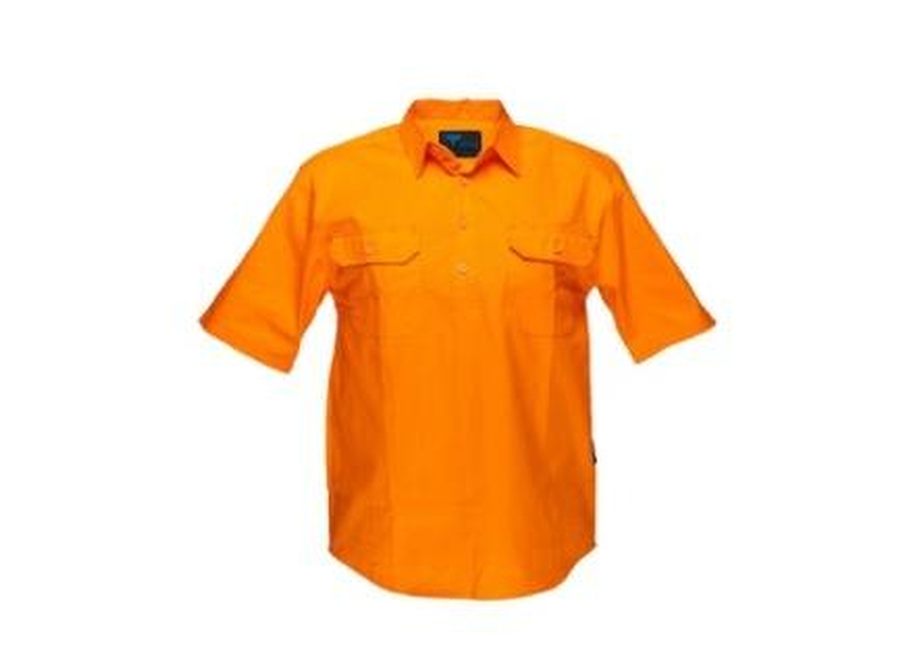
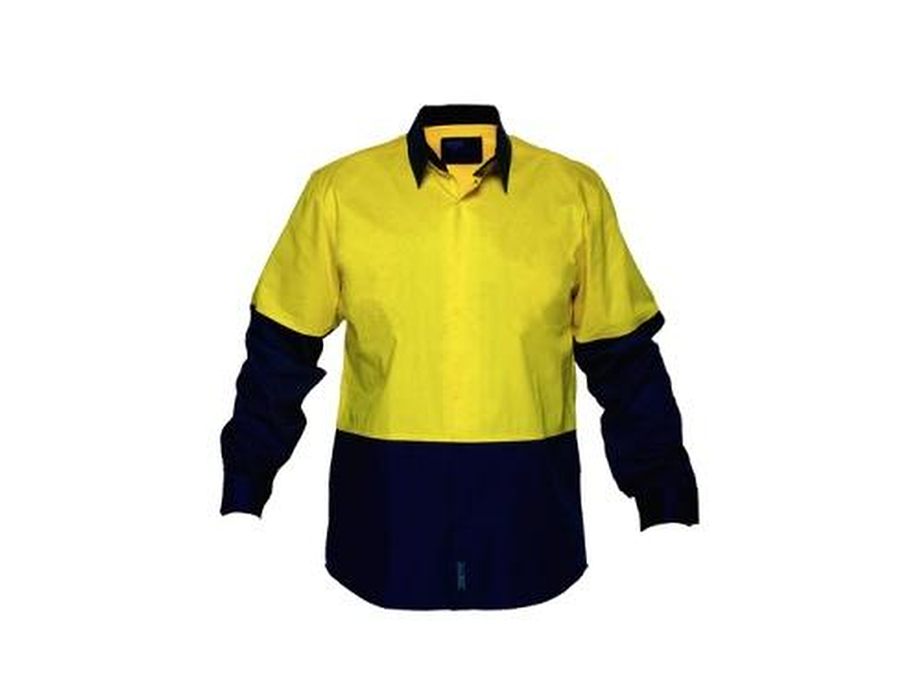
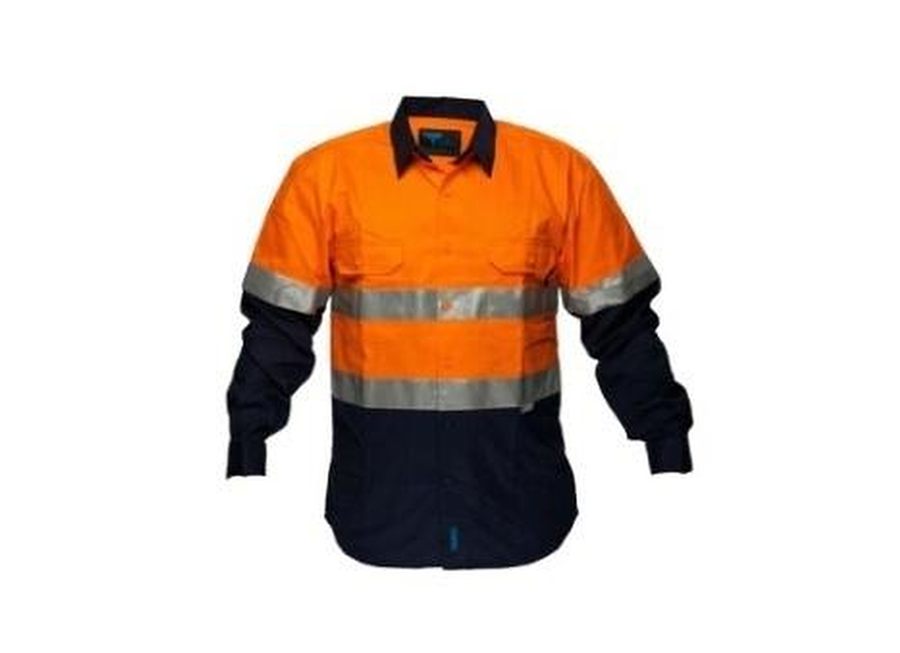
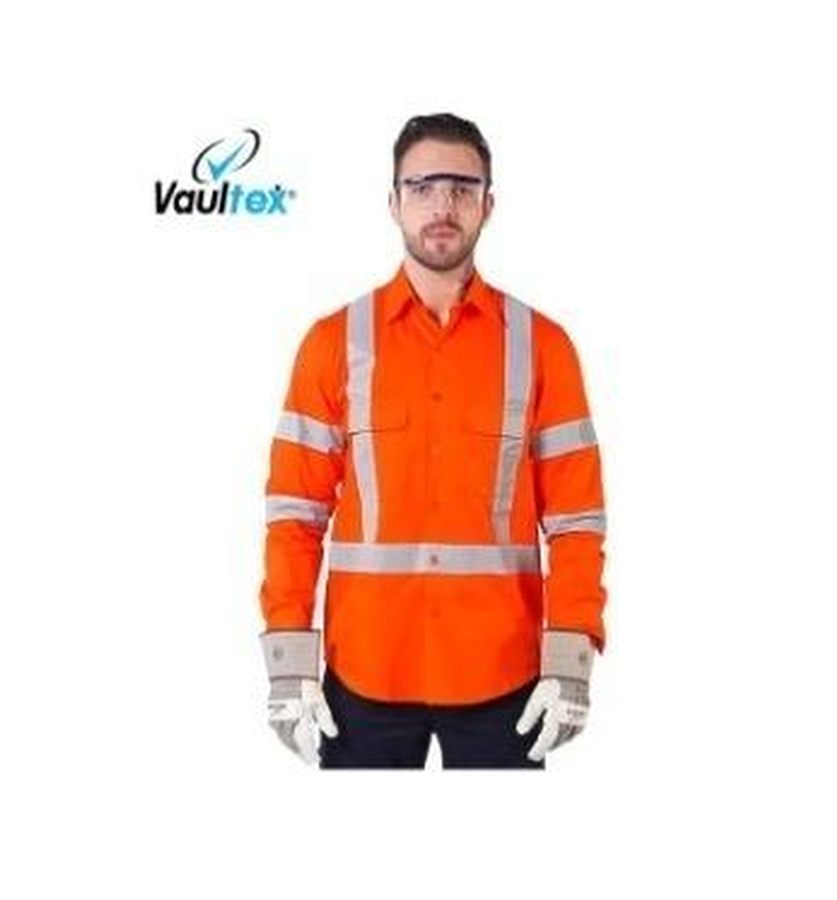
High-visibility garments are rated Class 1–3 based on how much fluorescent background material and reflective tape they carry.
<<<<<<< Updated upstream


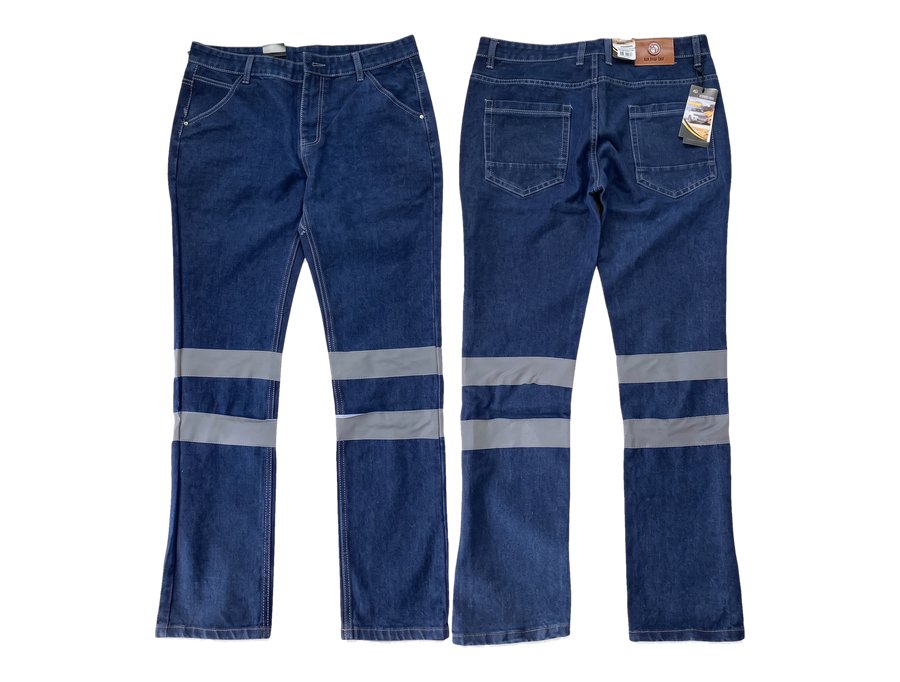
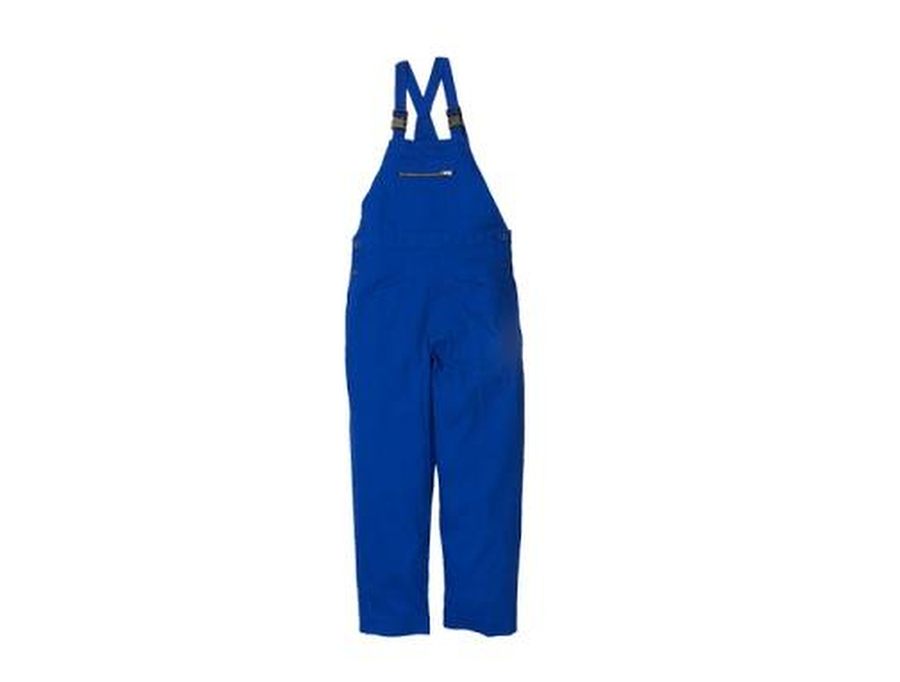
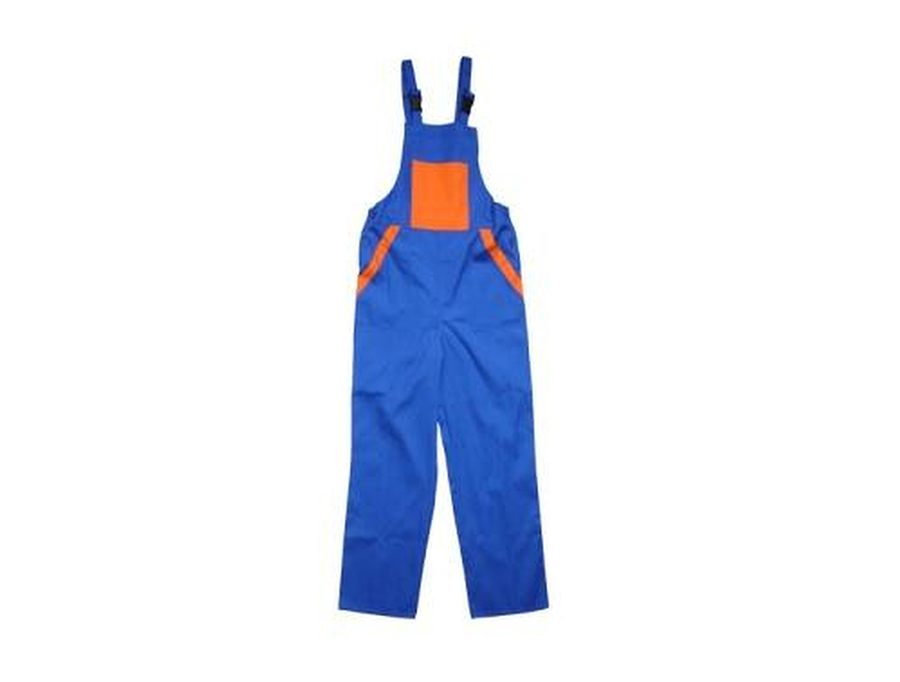
- Delivery and logistics crews
- Workshop and site staff
- Uniform programmes
website
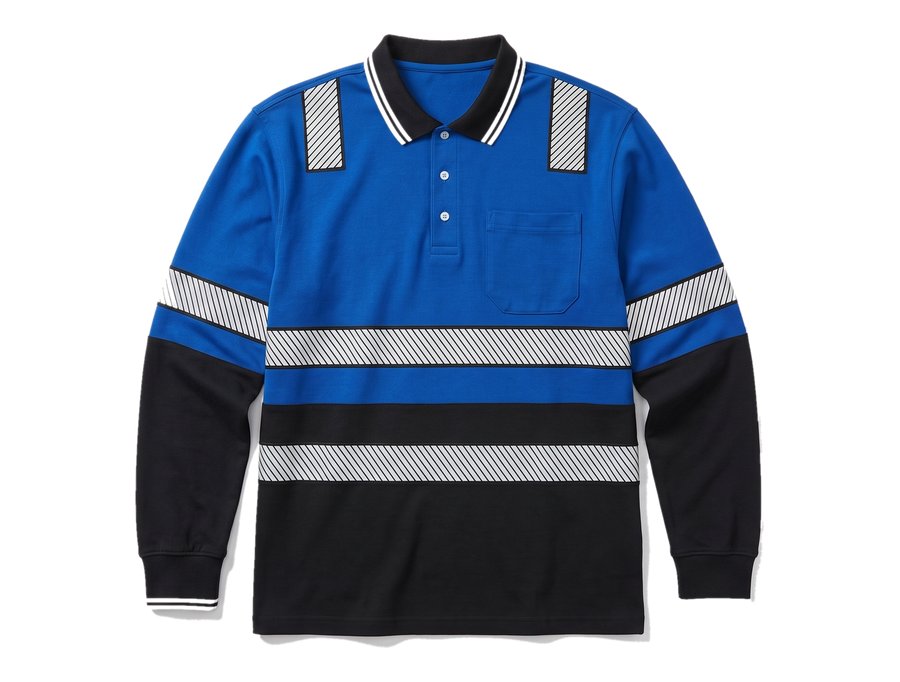
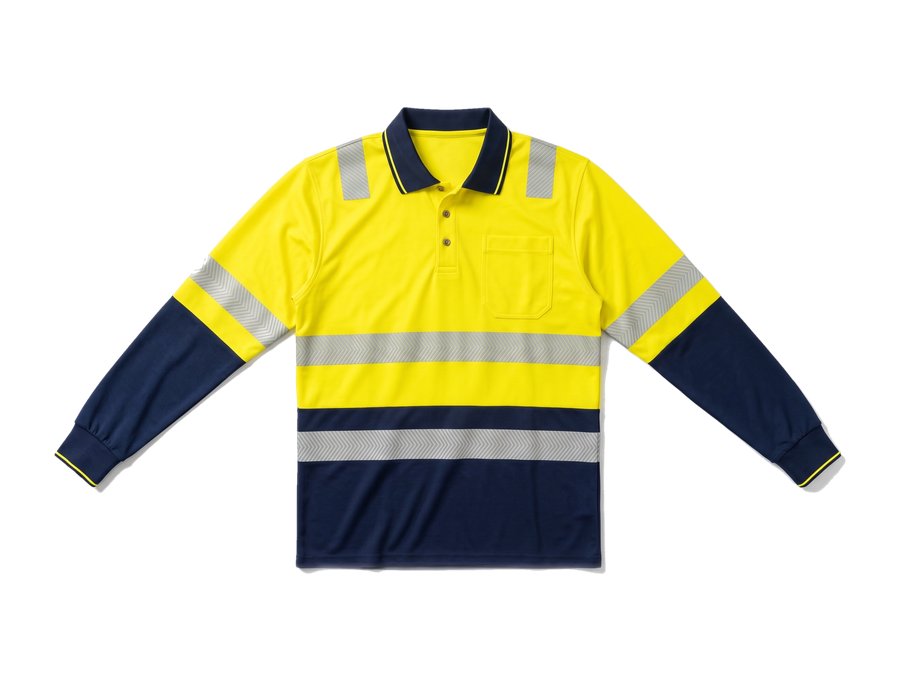
- Warehousing
- Site visitors and inductions
- Traffic control
- Outdoor site work in warm weather
website
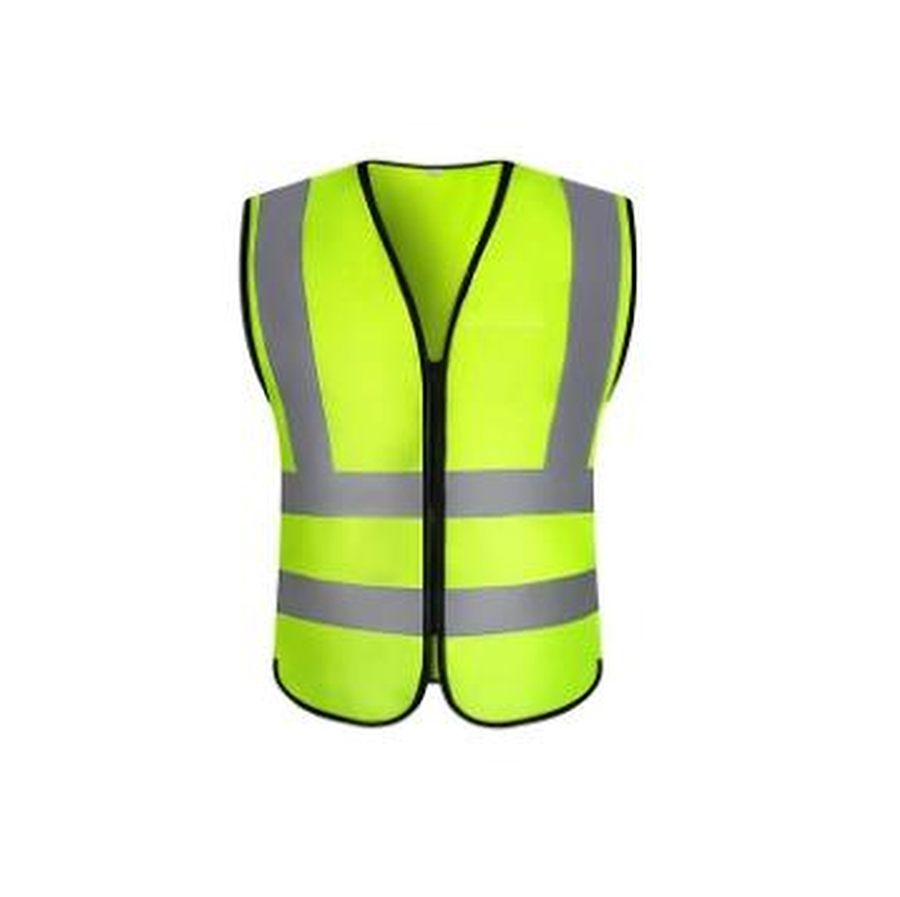
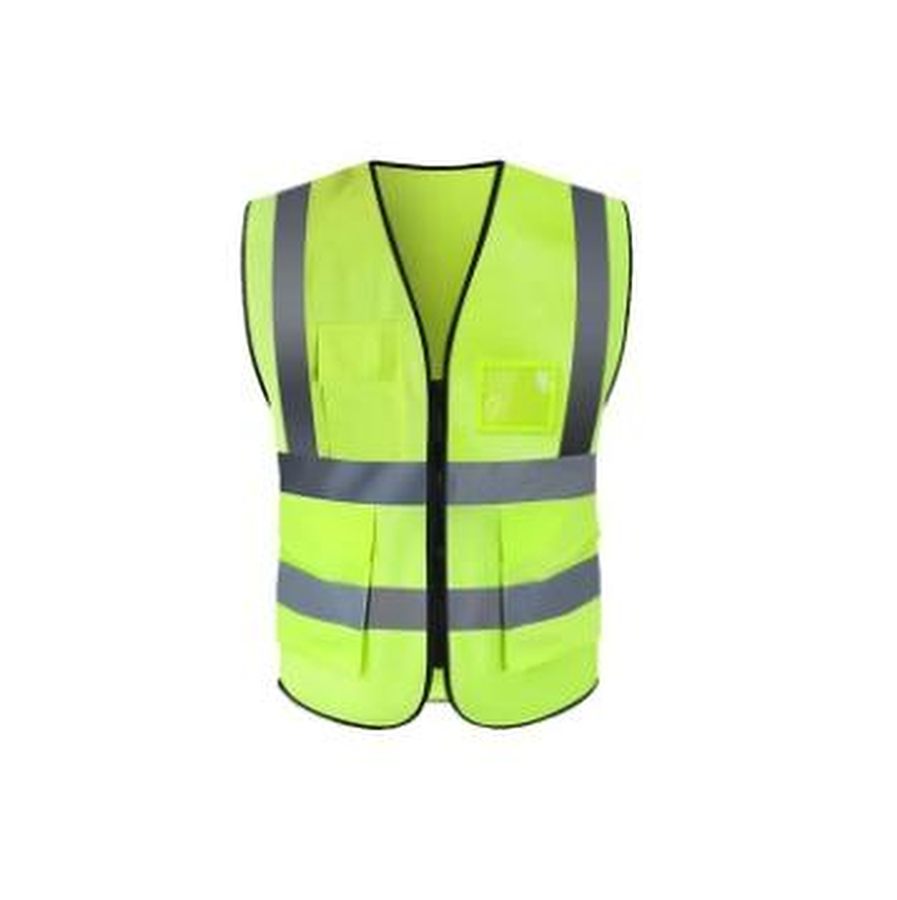
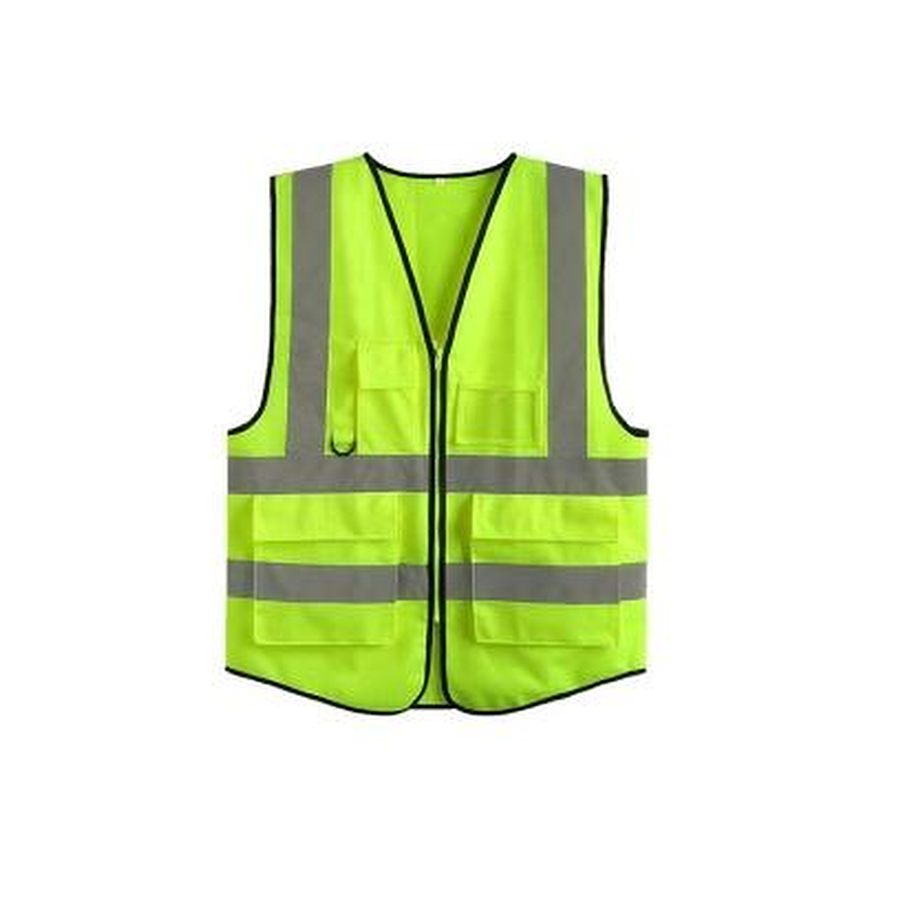
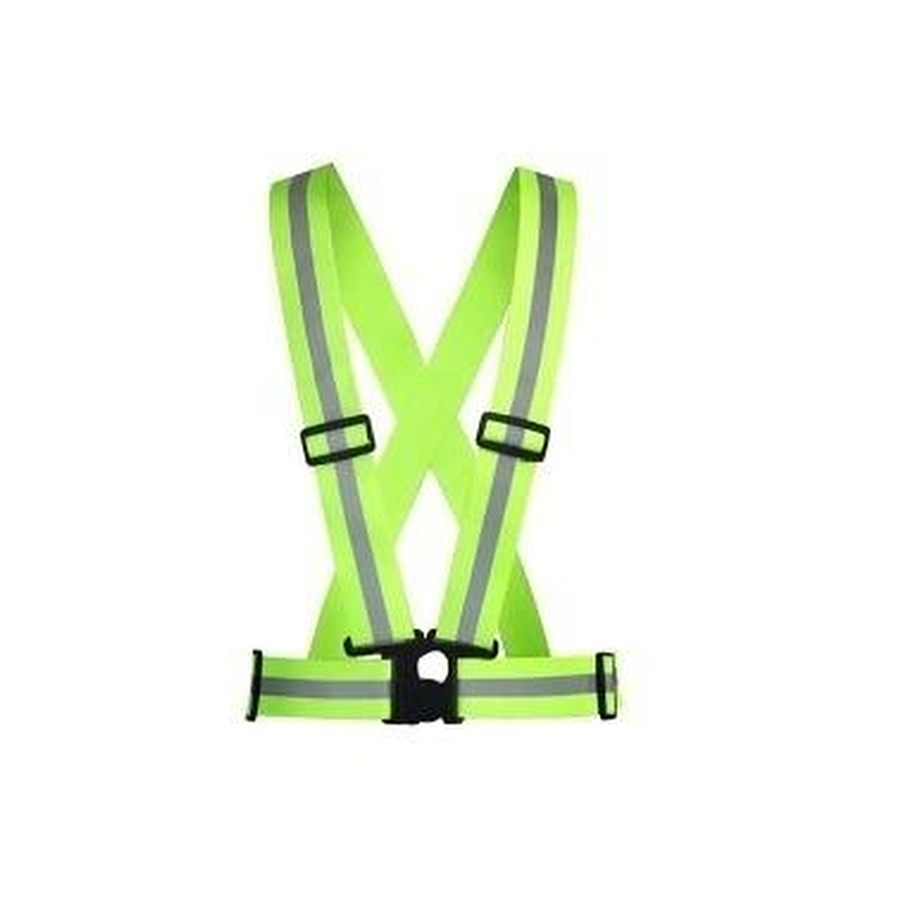
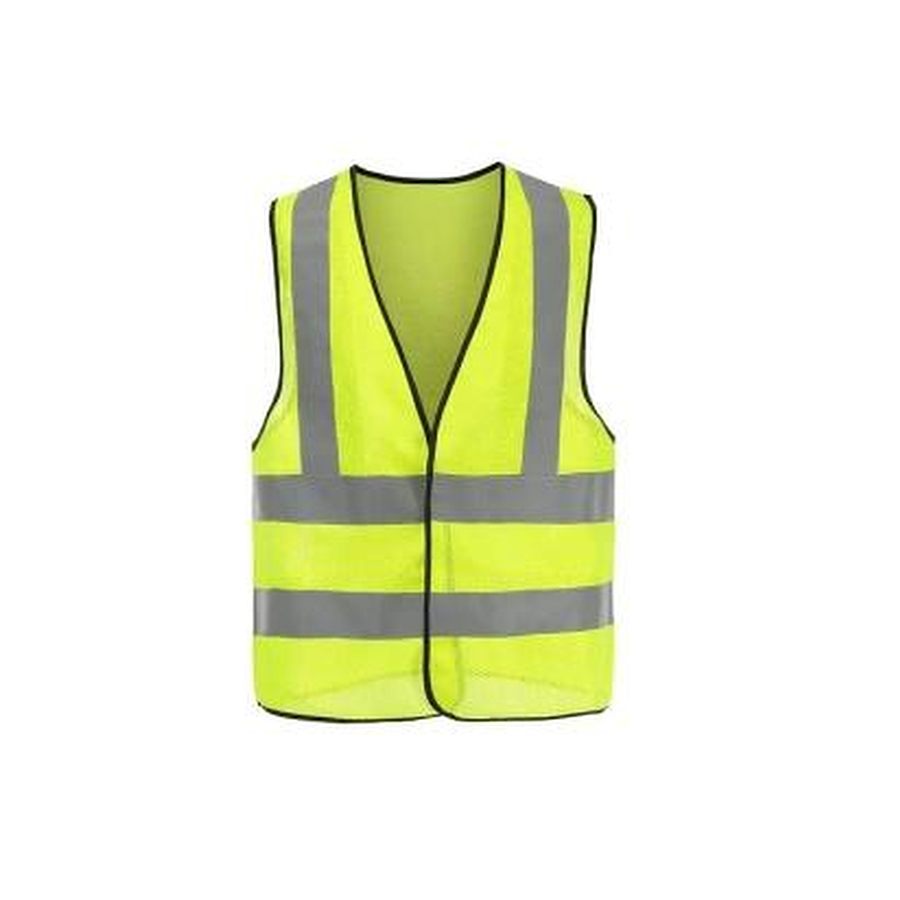
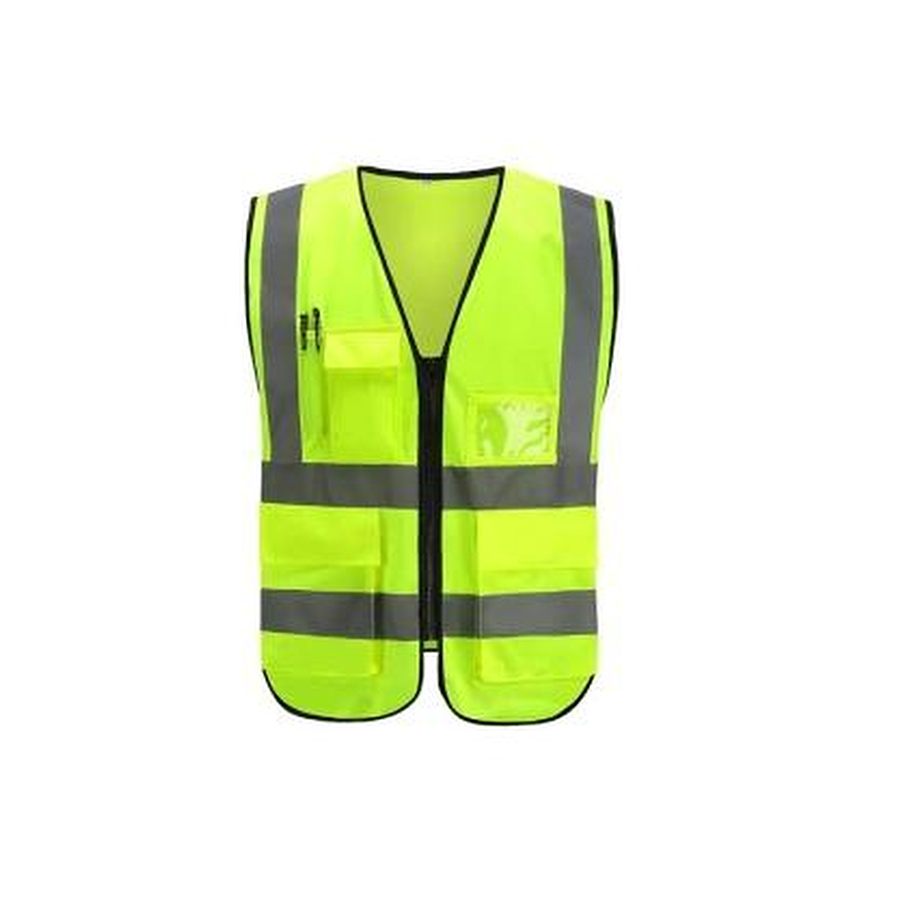
- Road and traffic work
- Warehousing and logistics
- Construction sites
- Airport ground operations
website
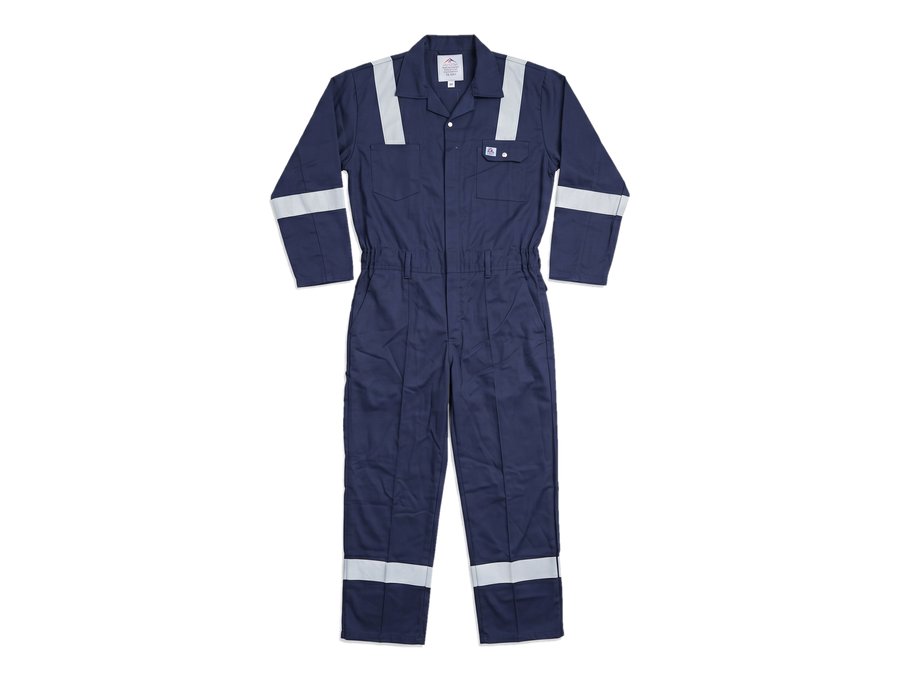
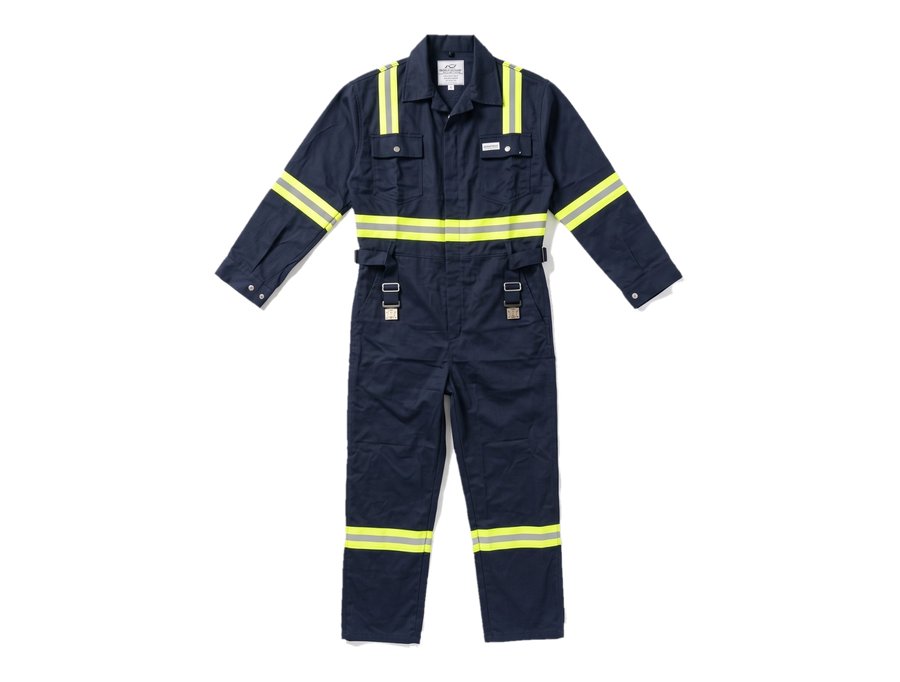
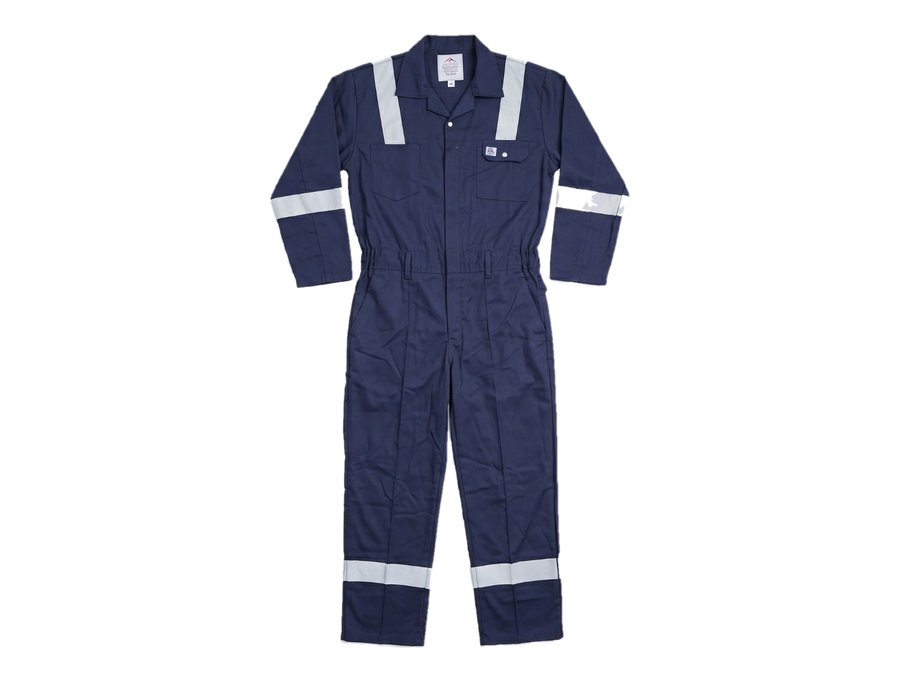
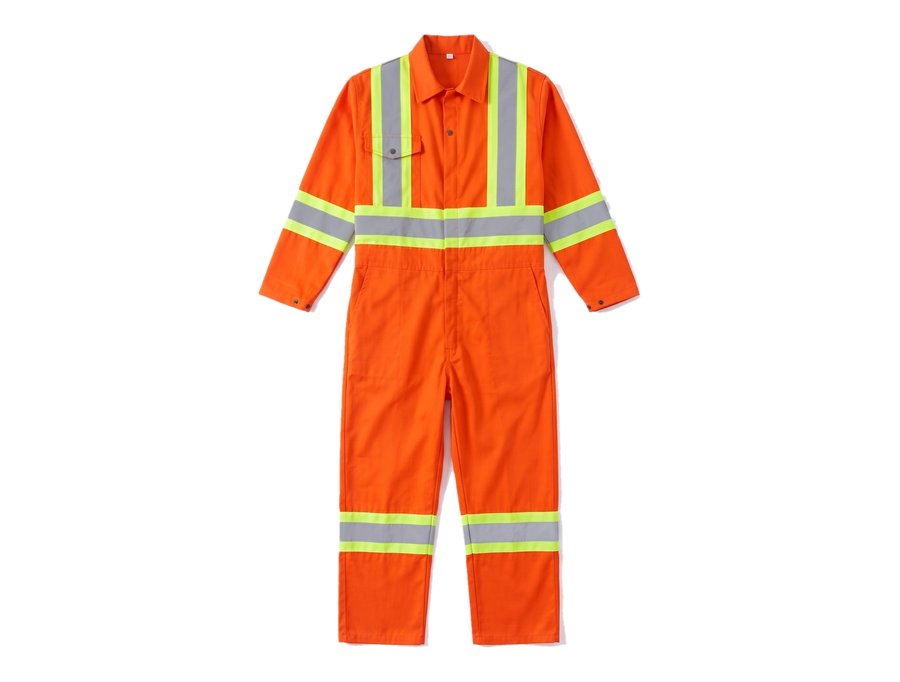
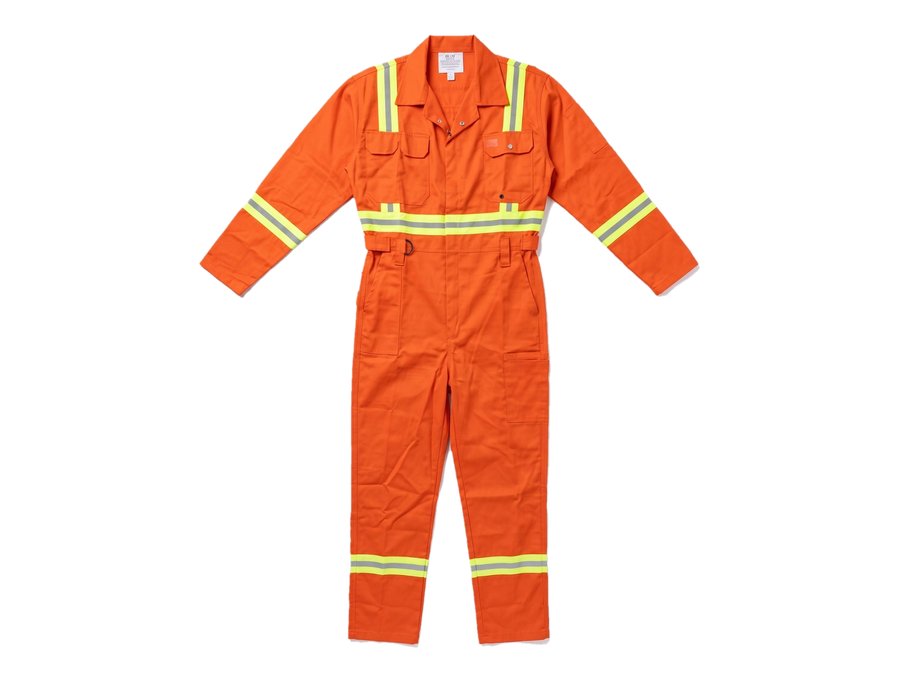
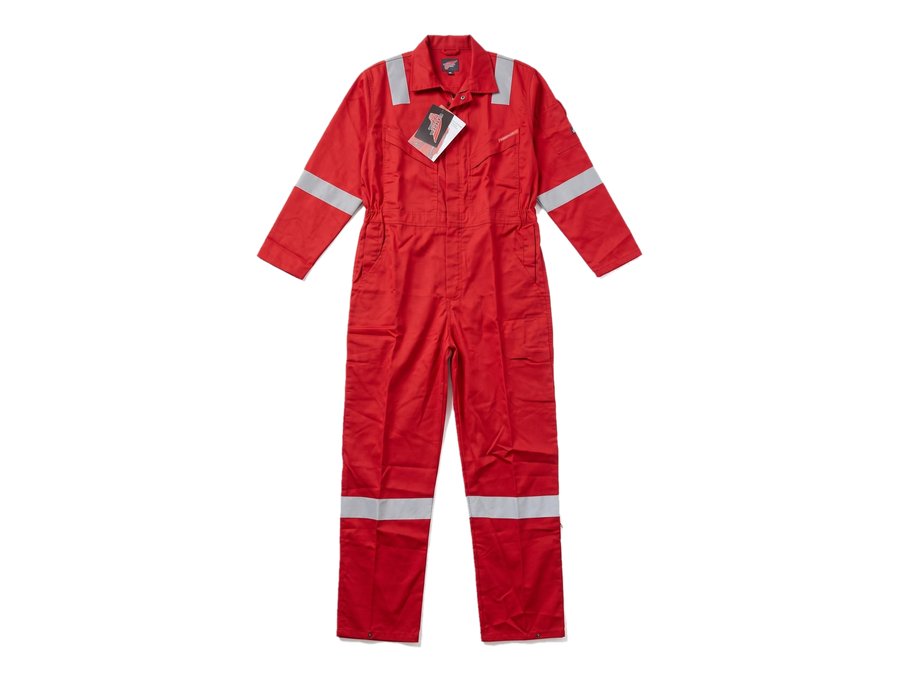
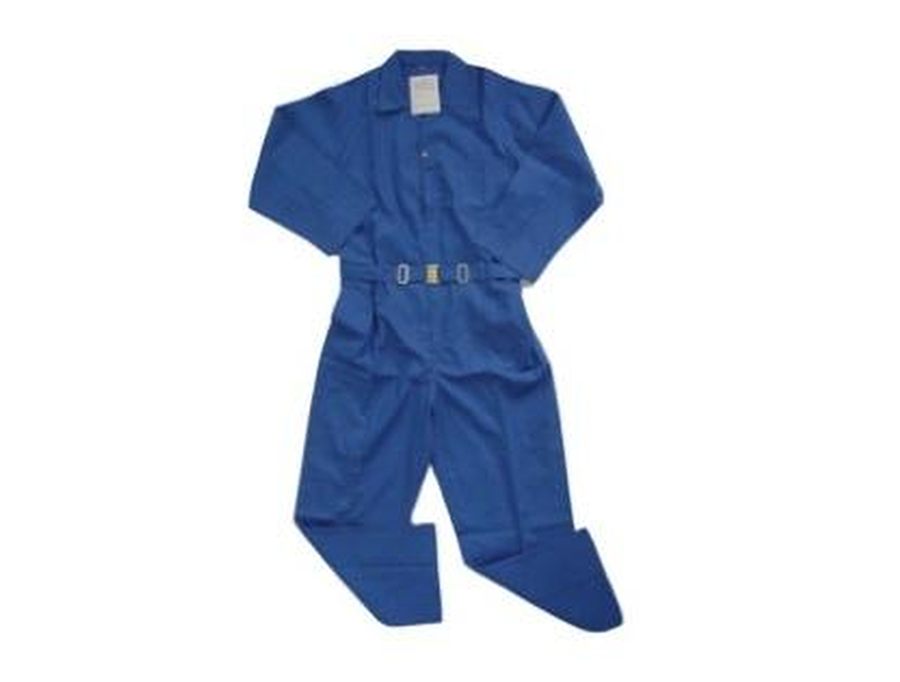
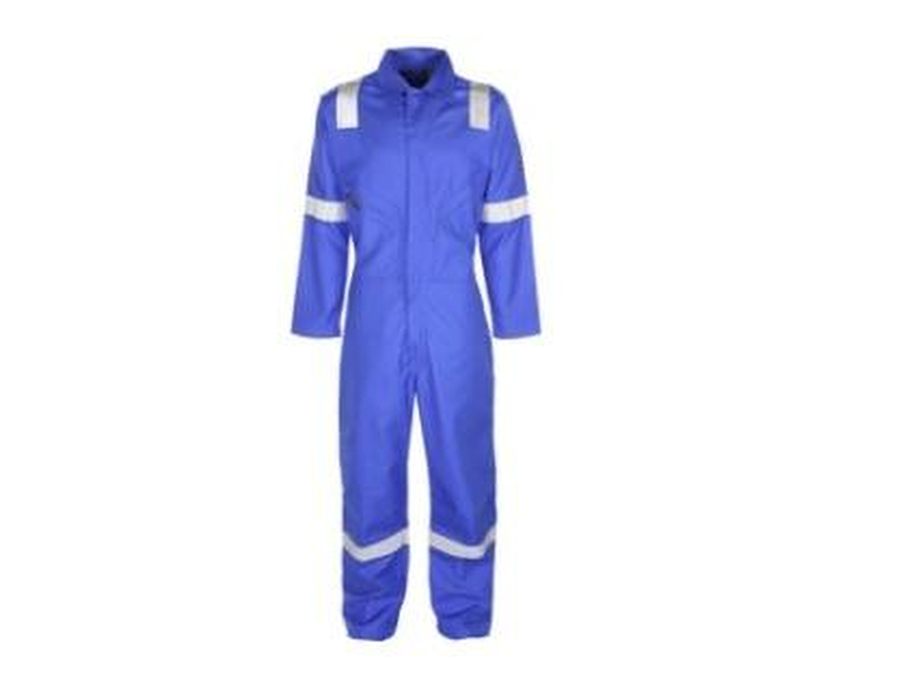
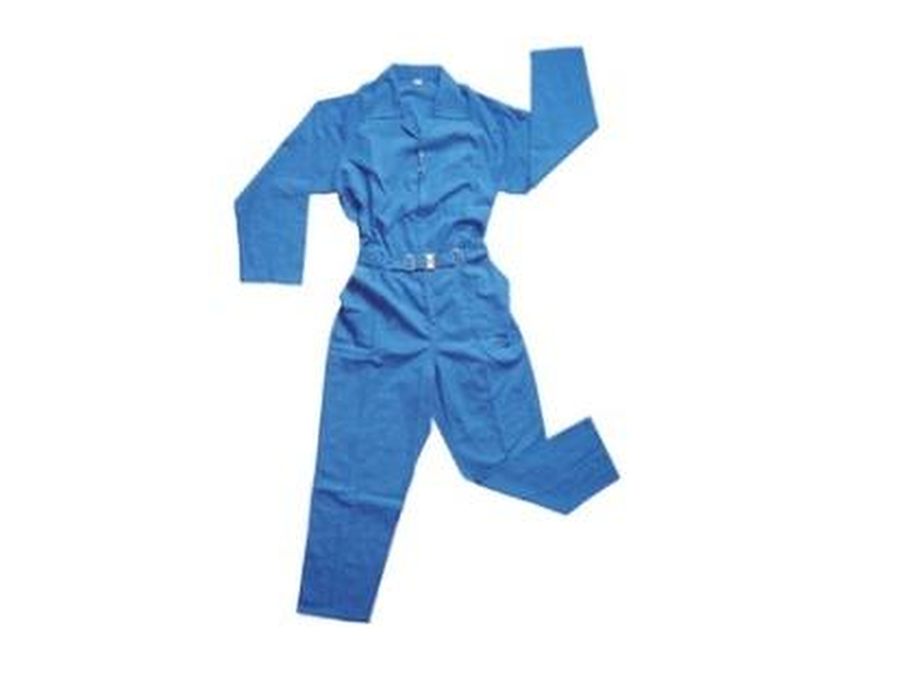
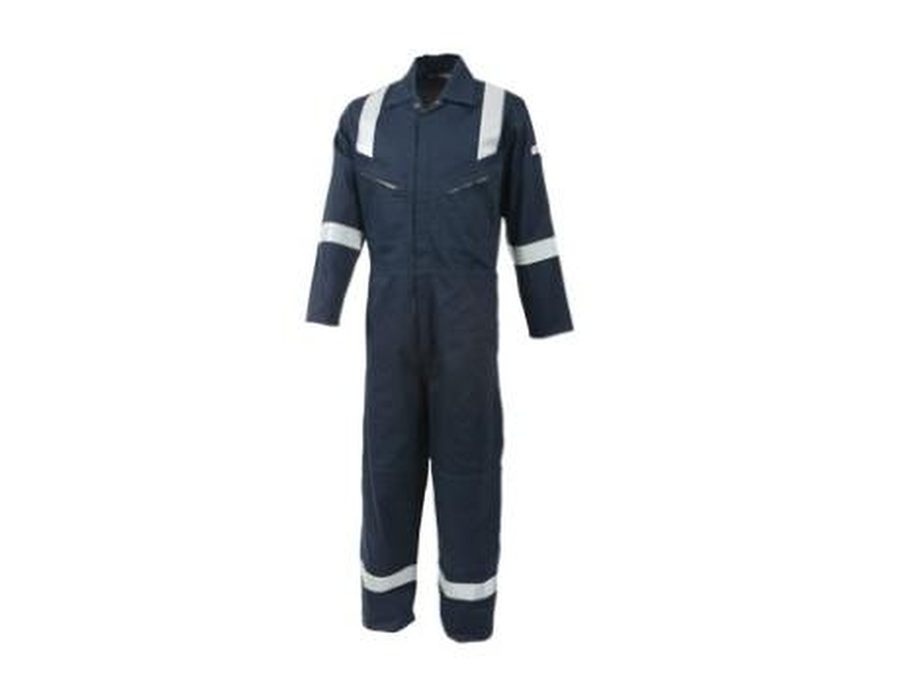
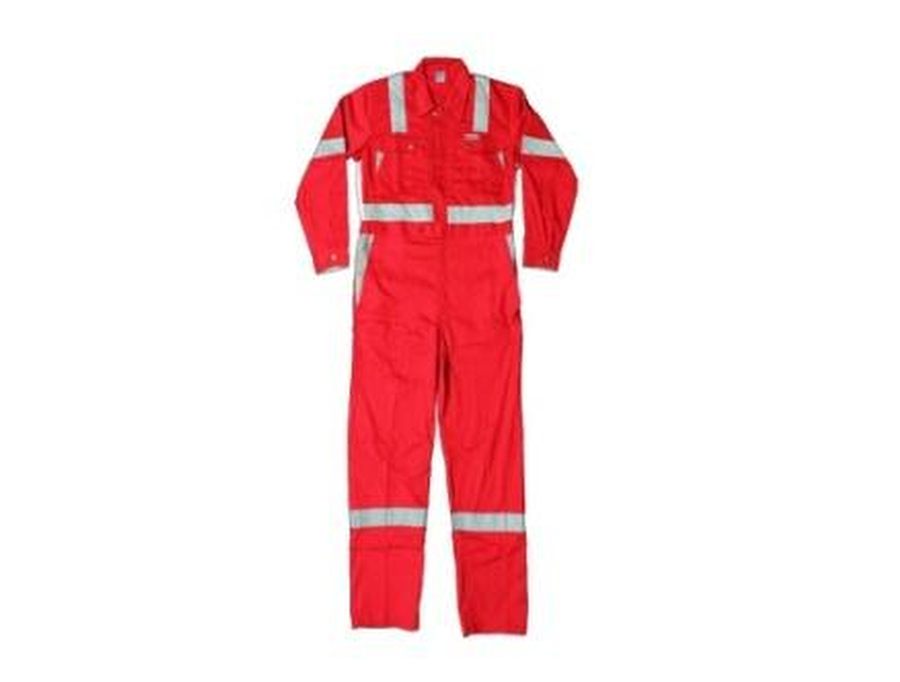
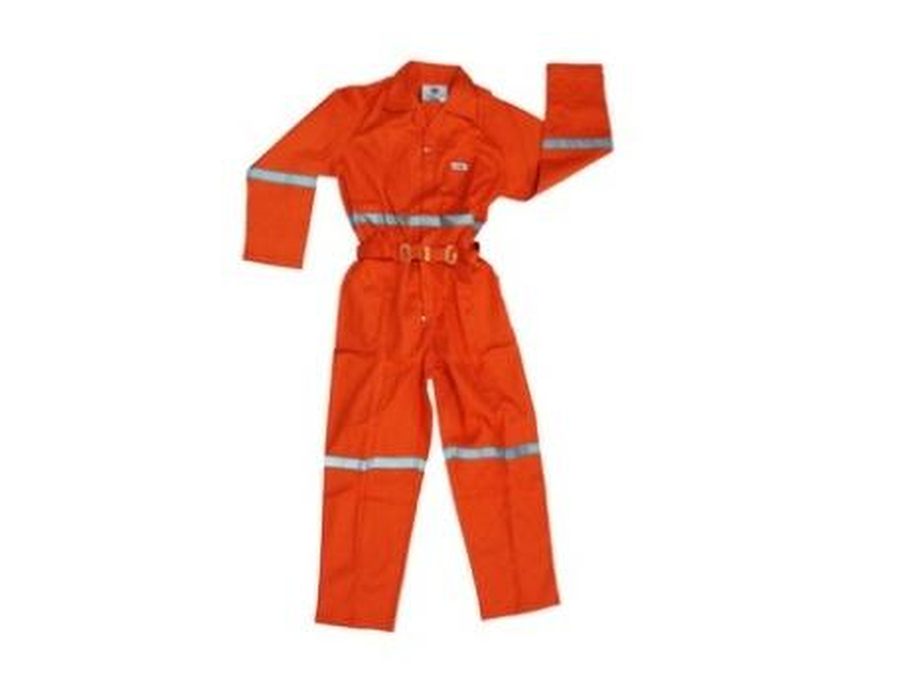
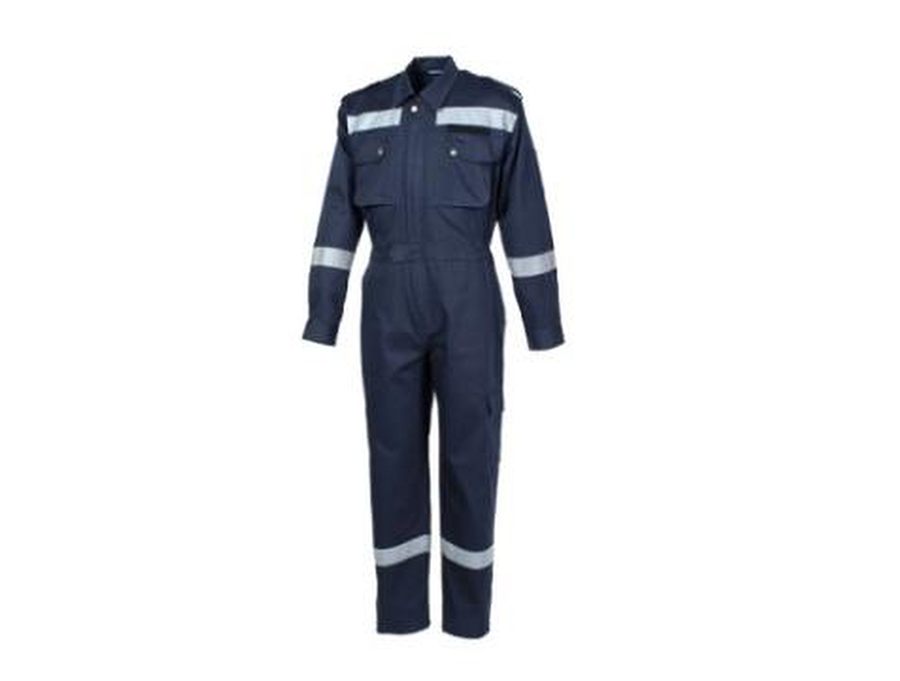
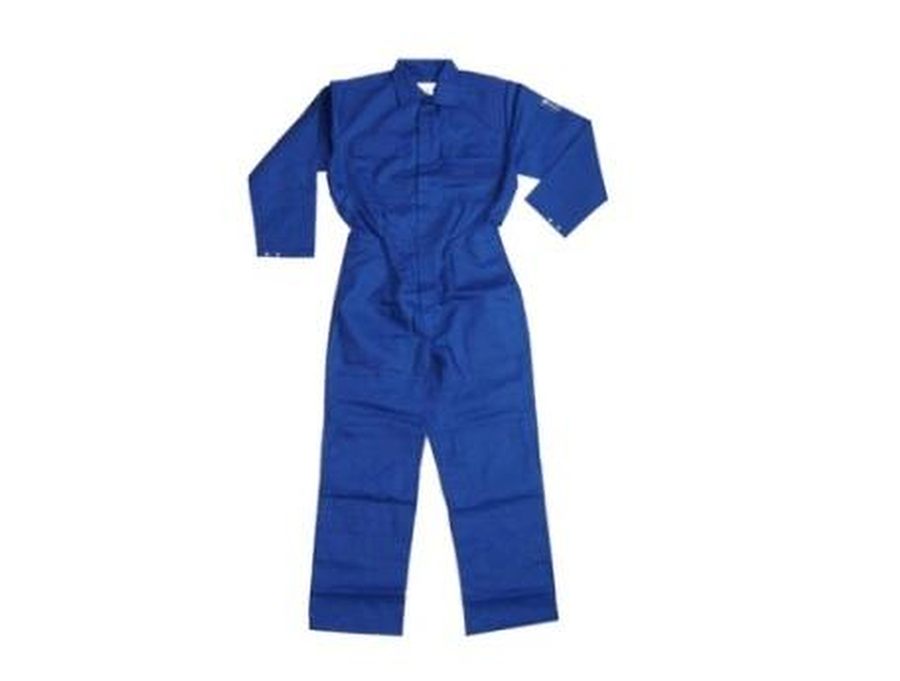
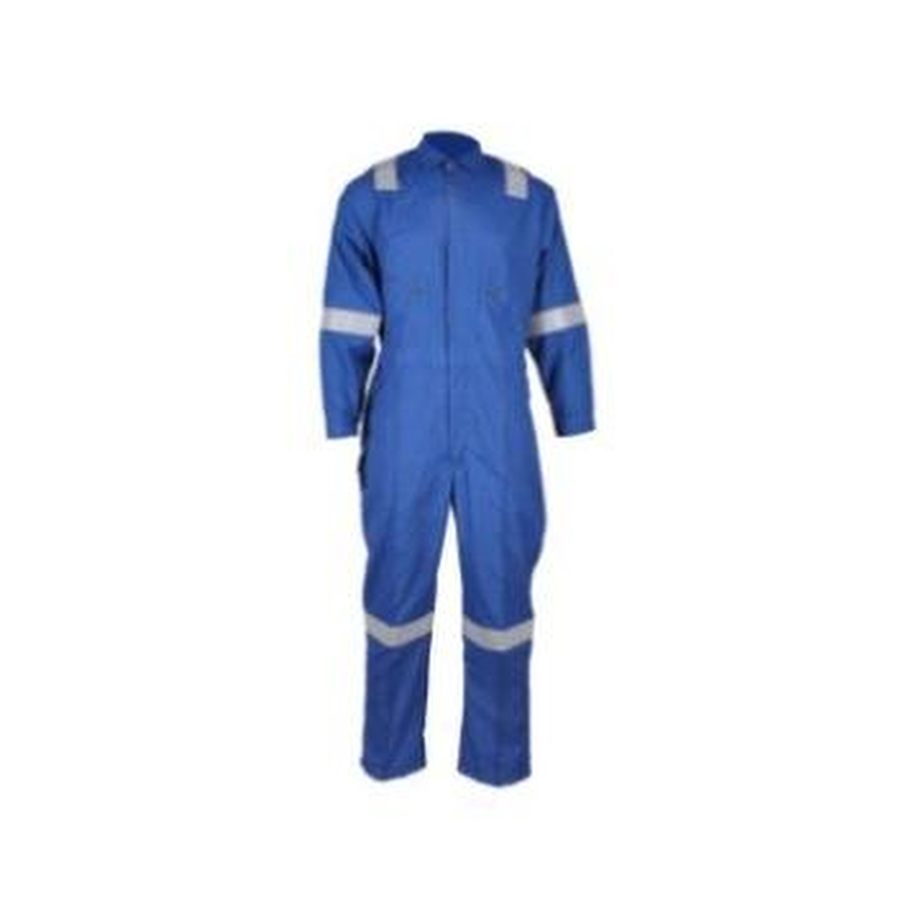
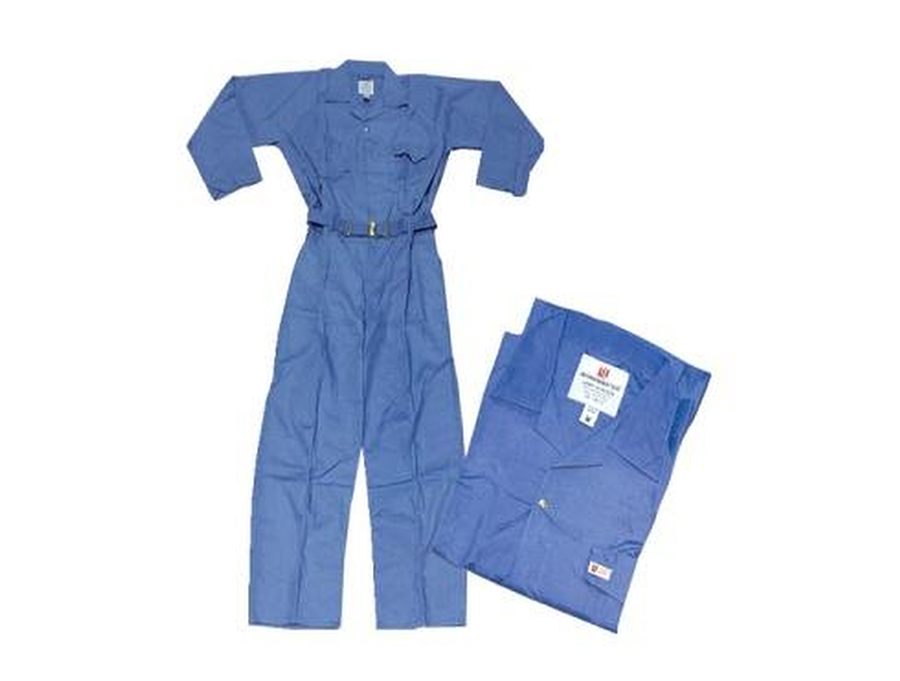
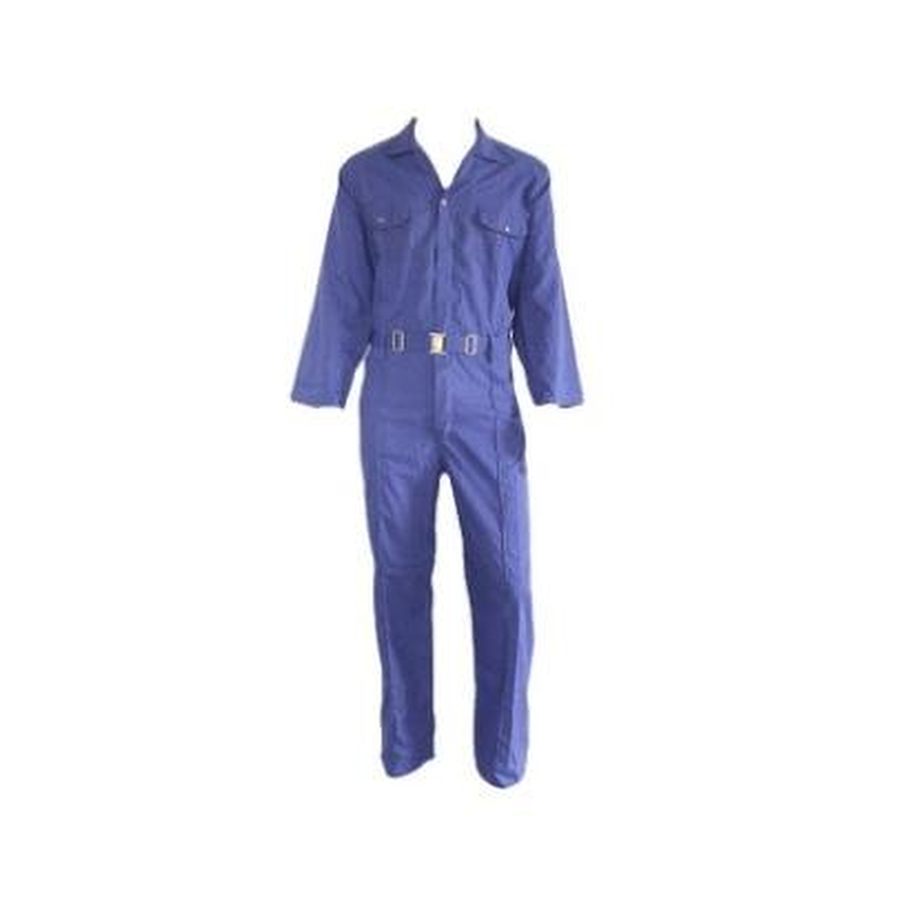
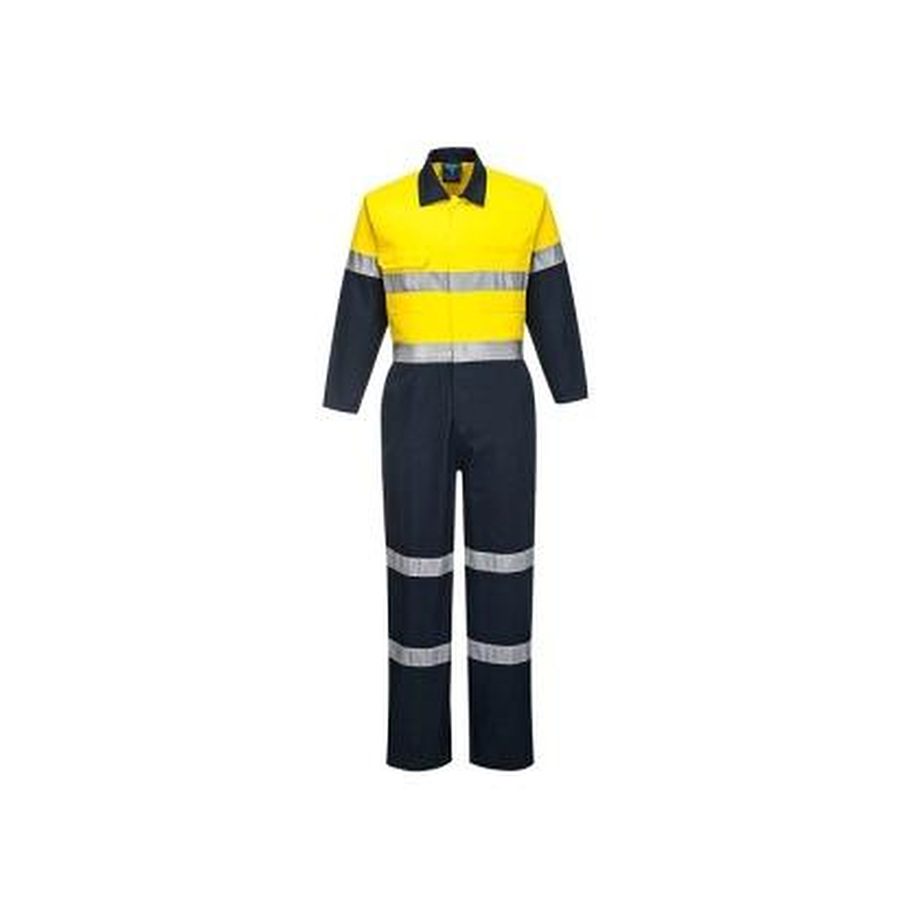
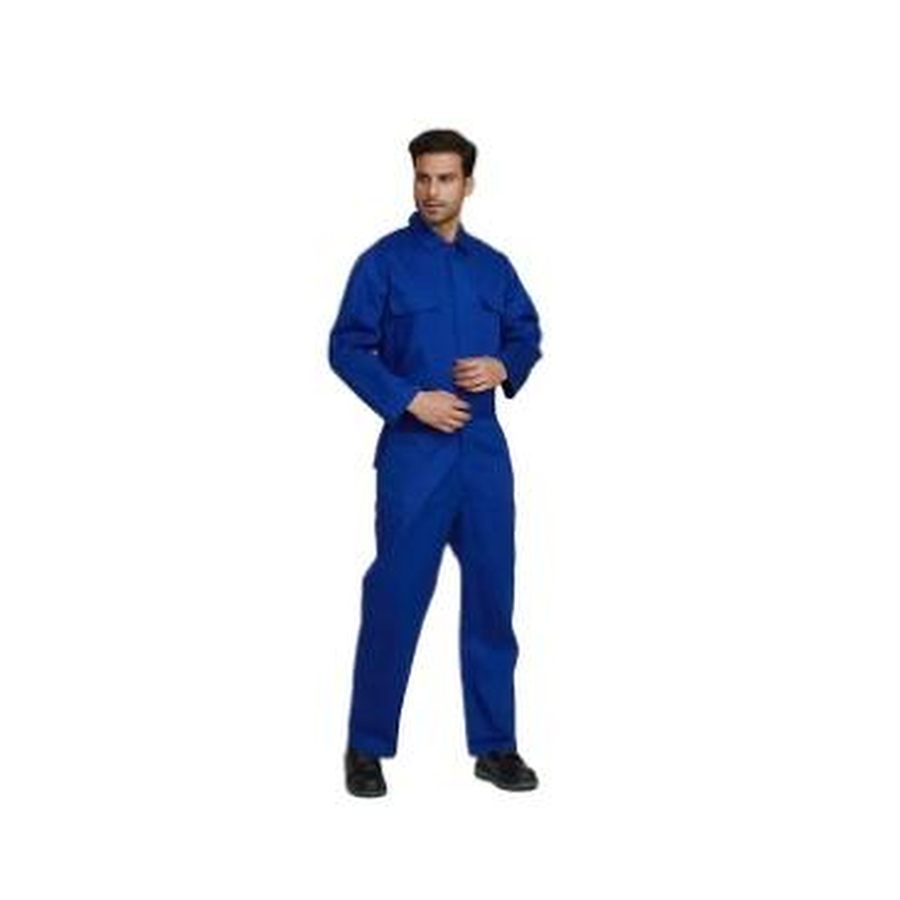
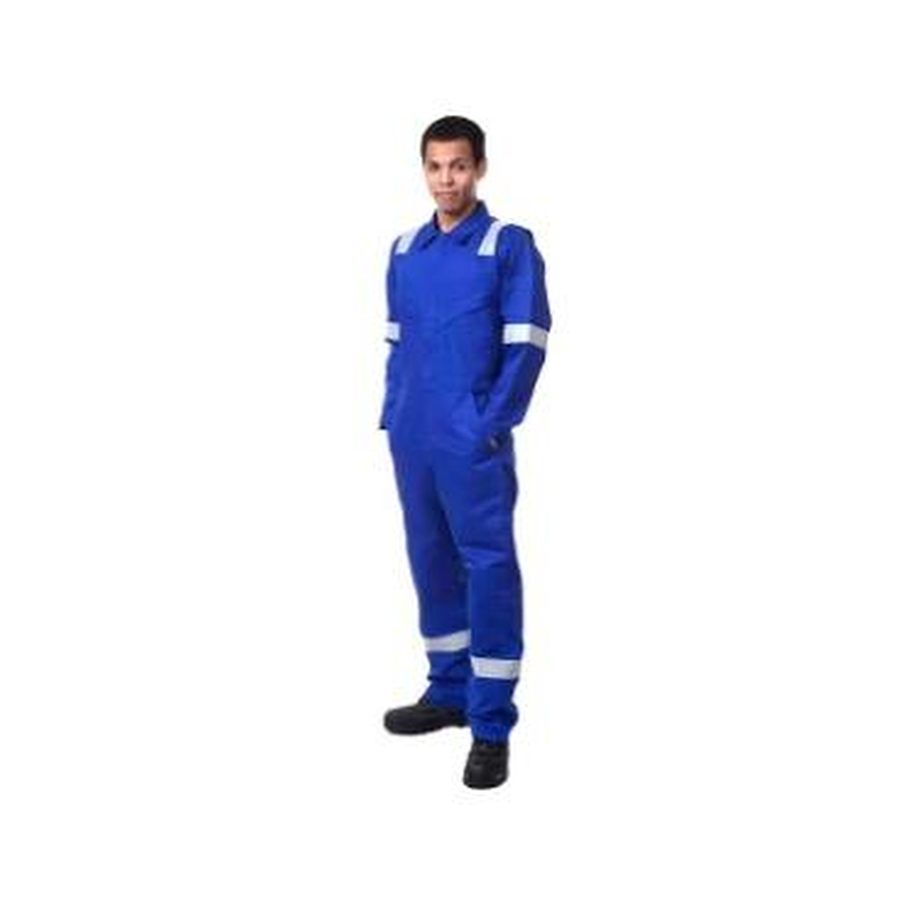
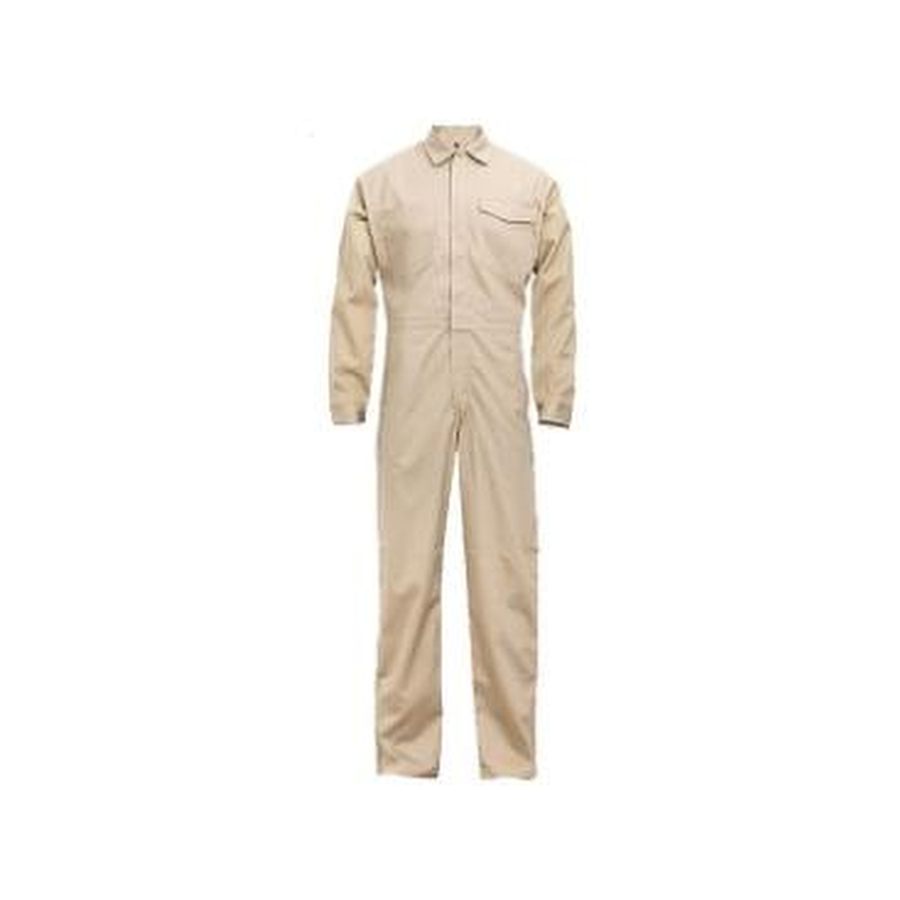
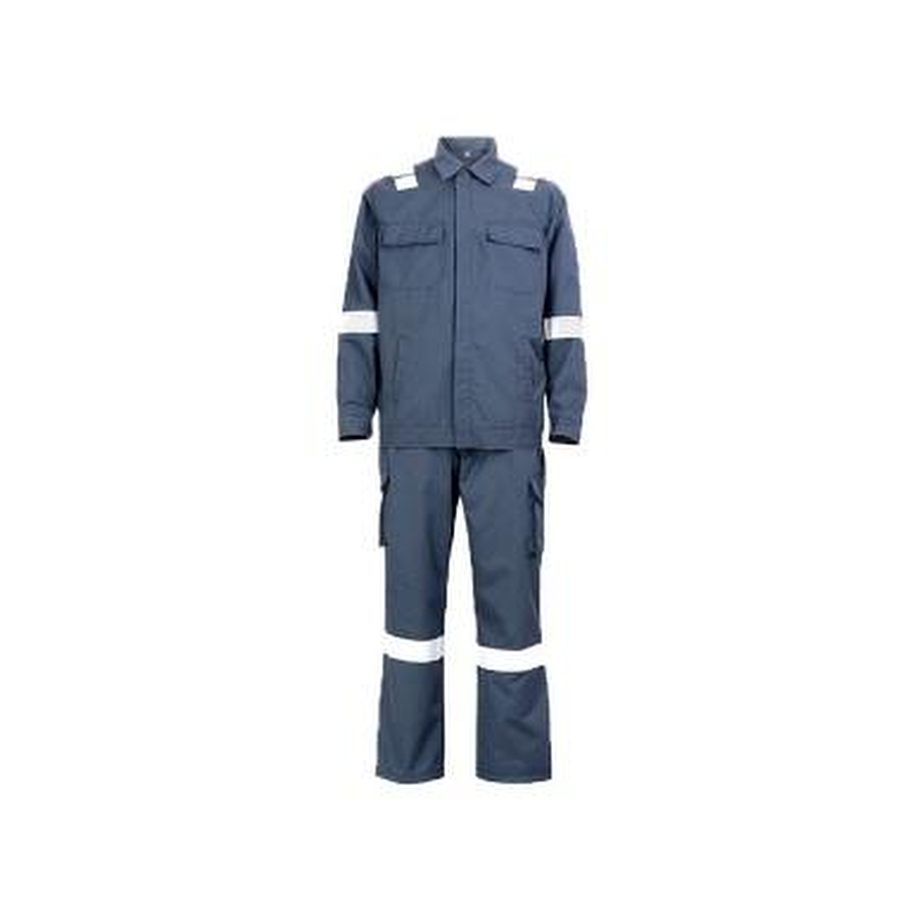
- Mechanical and automotive work
- Oilfield and industrial sites
- General site labour
- Painting and spraying
website
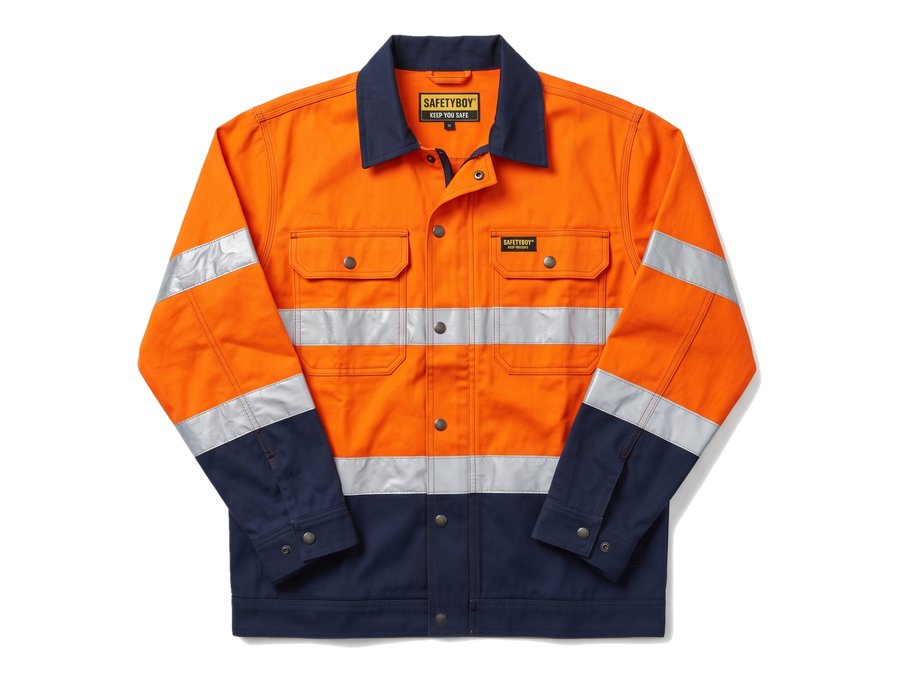
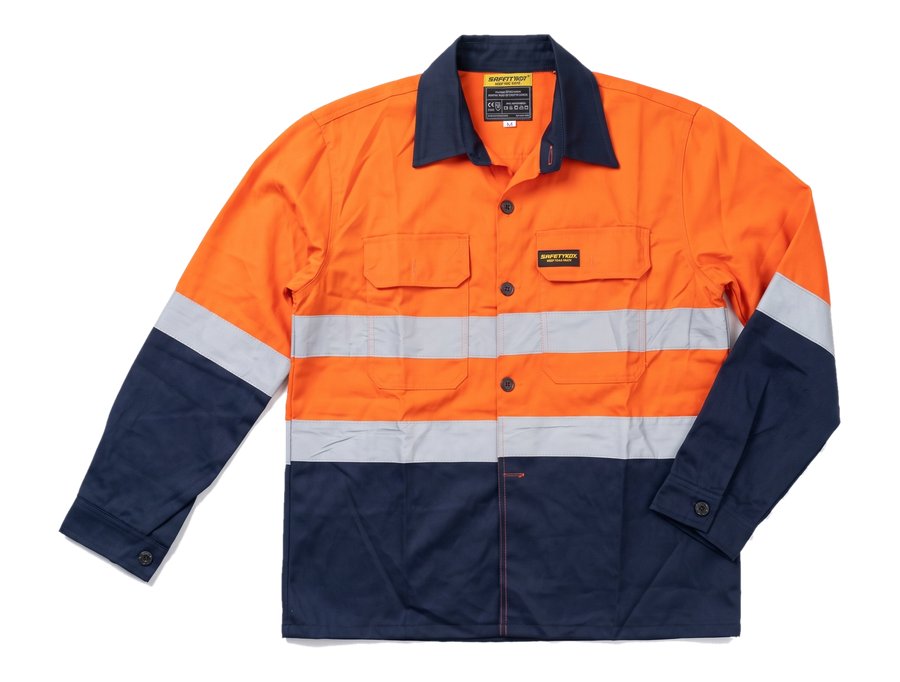
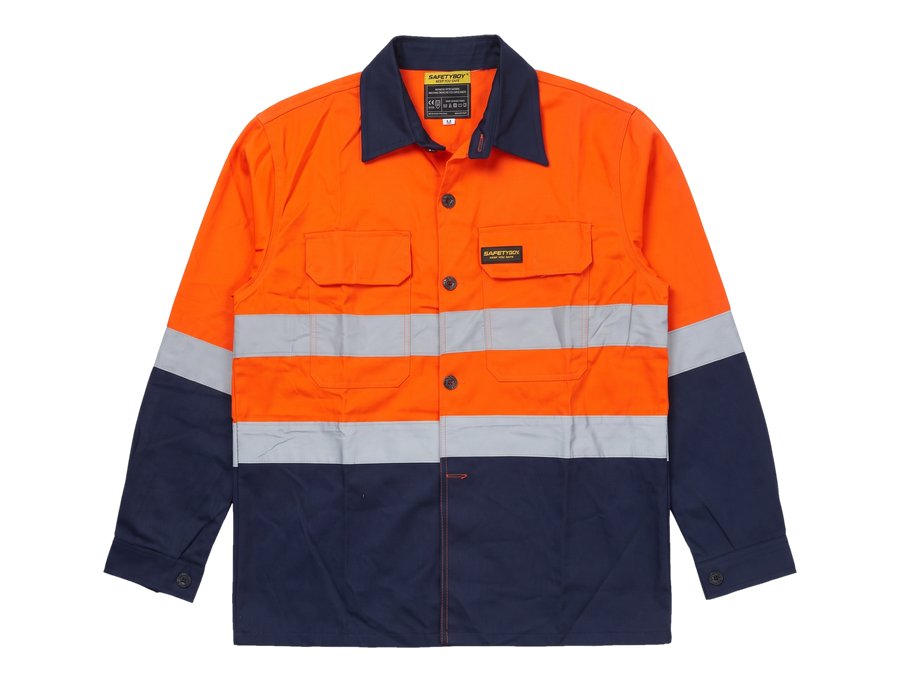
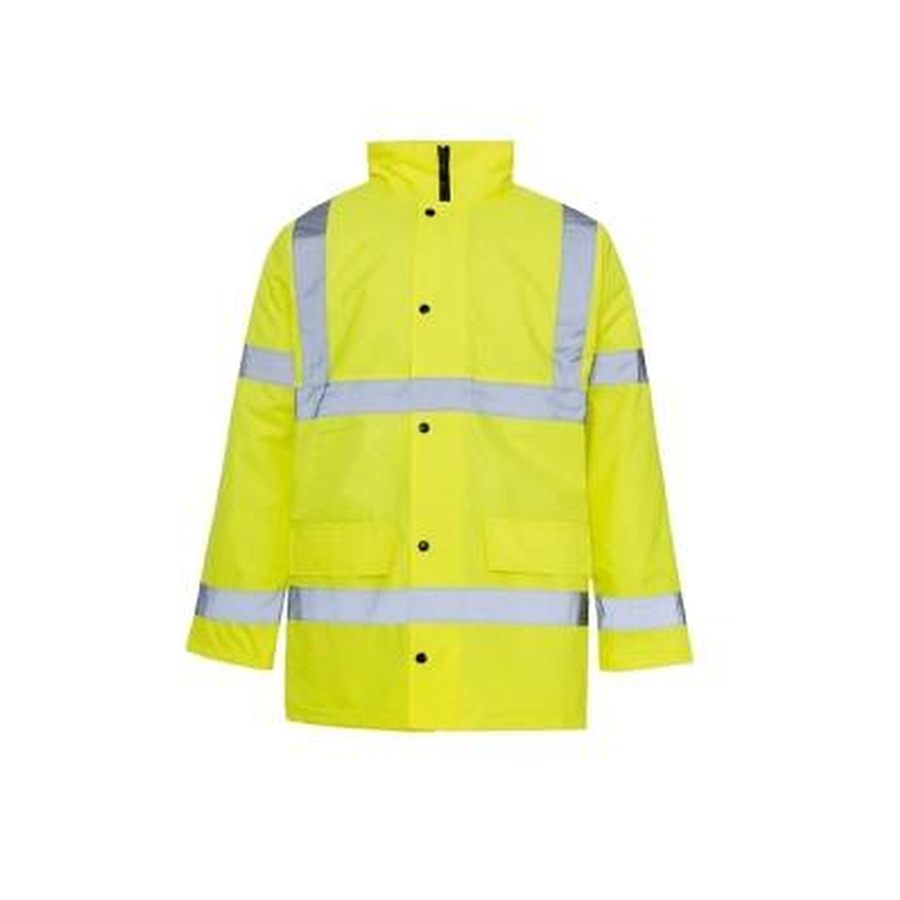
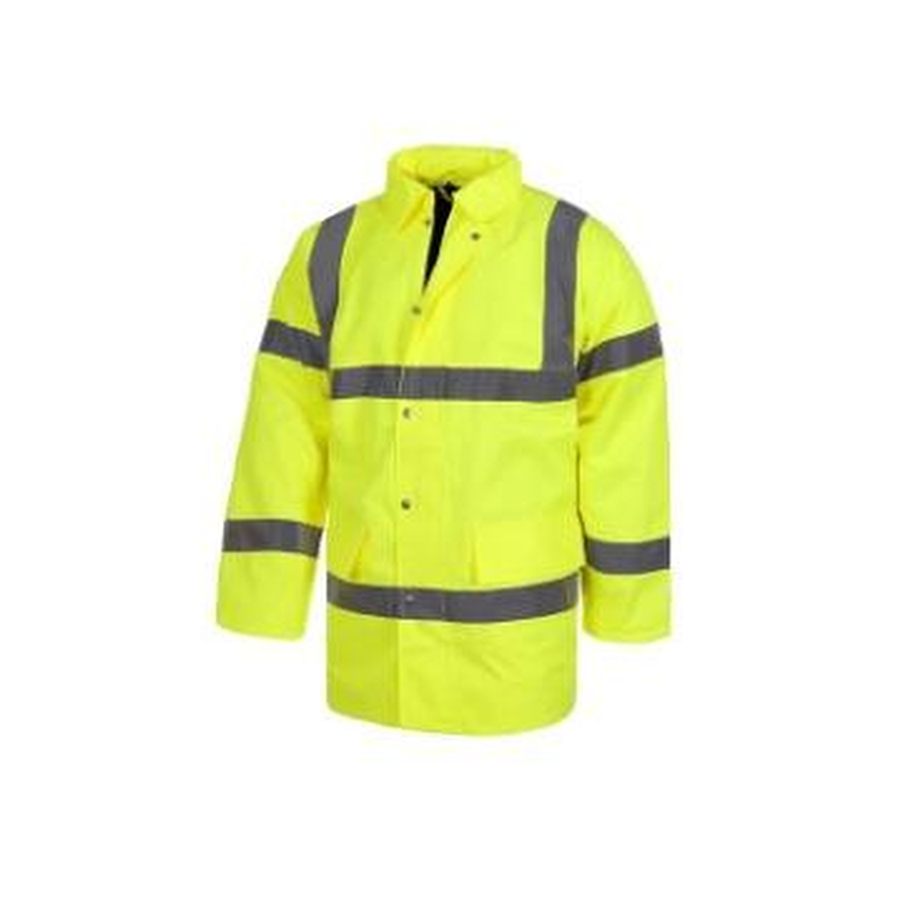
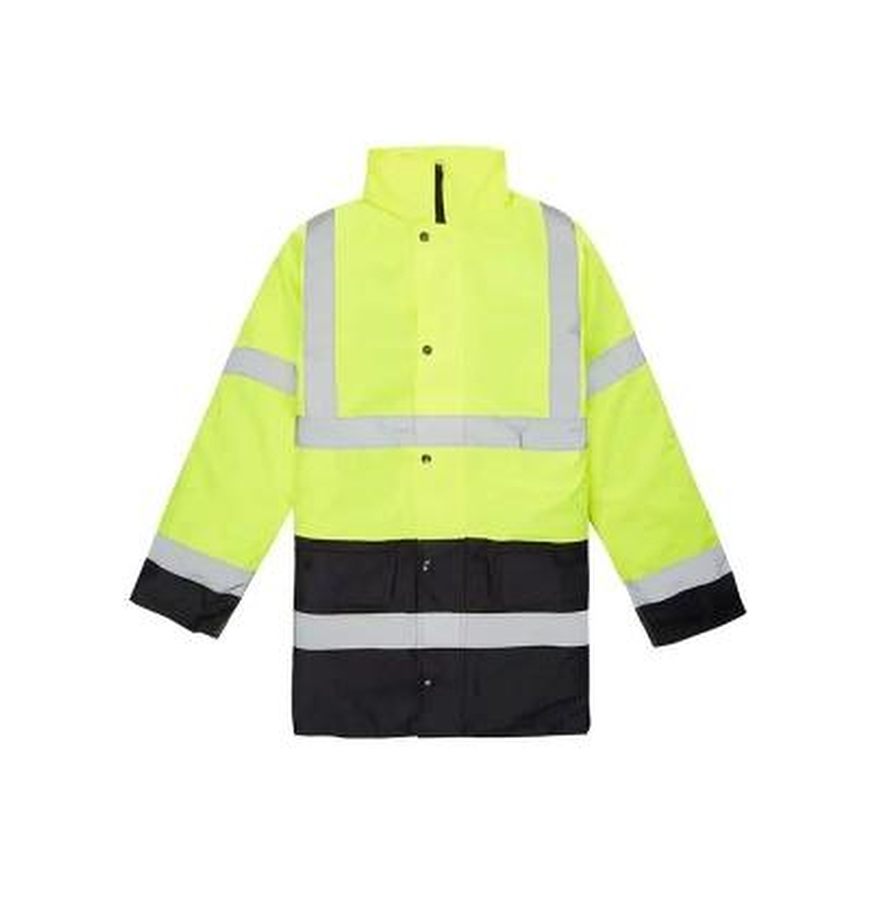
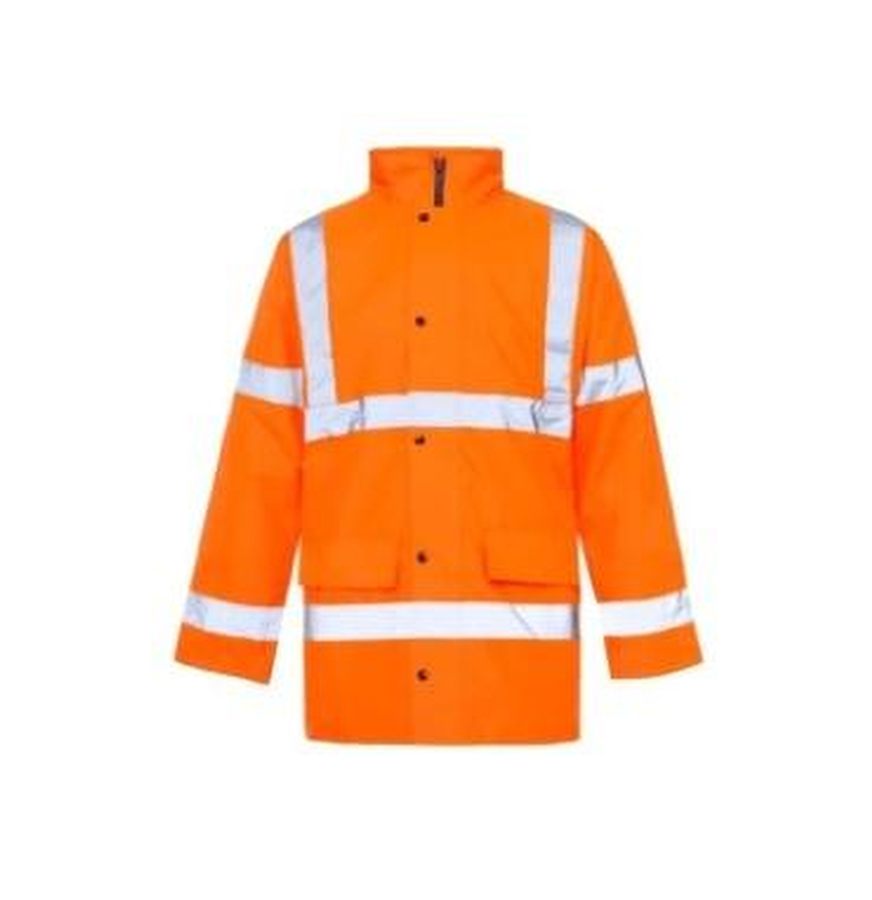
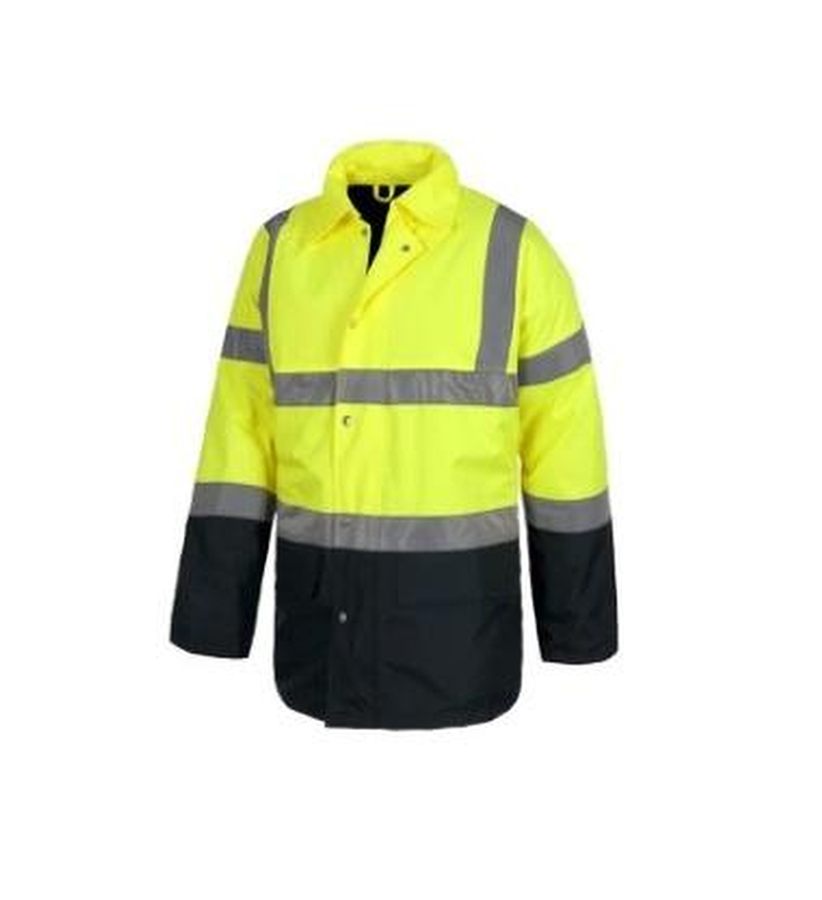
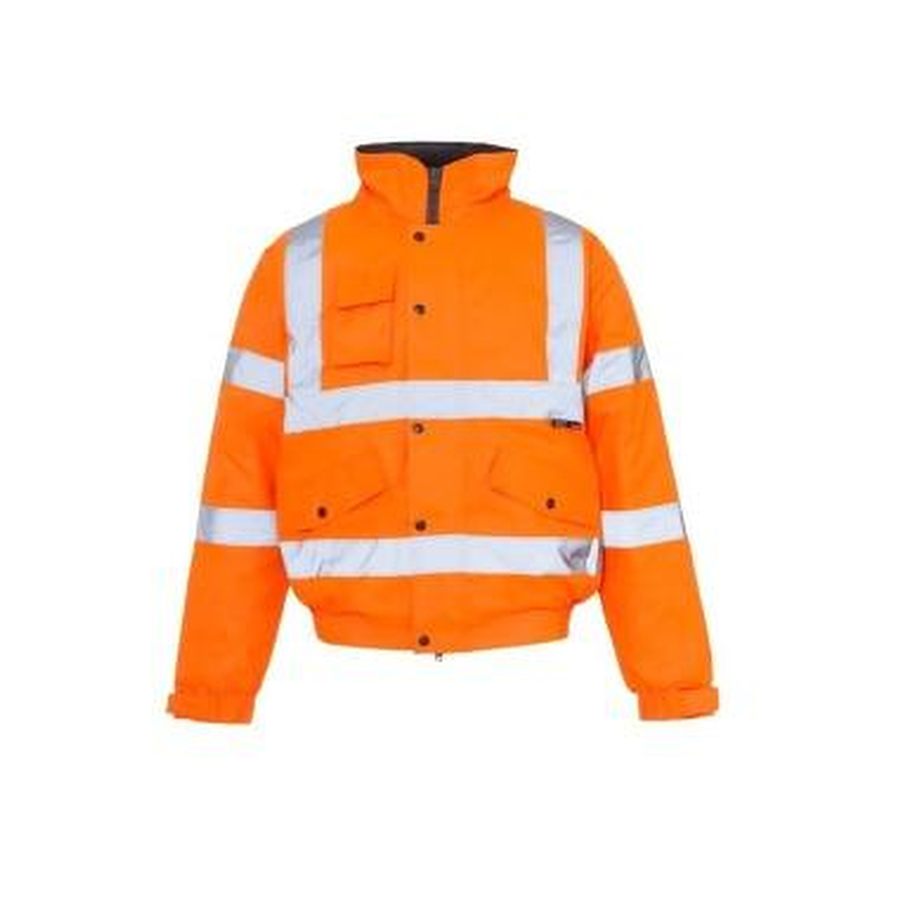
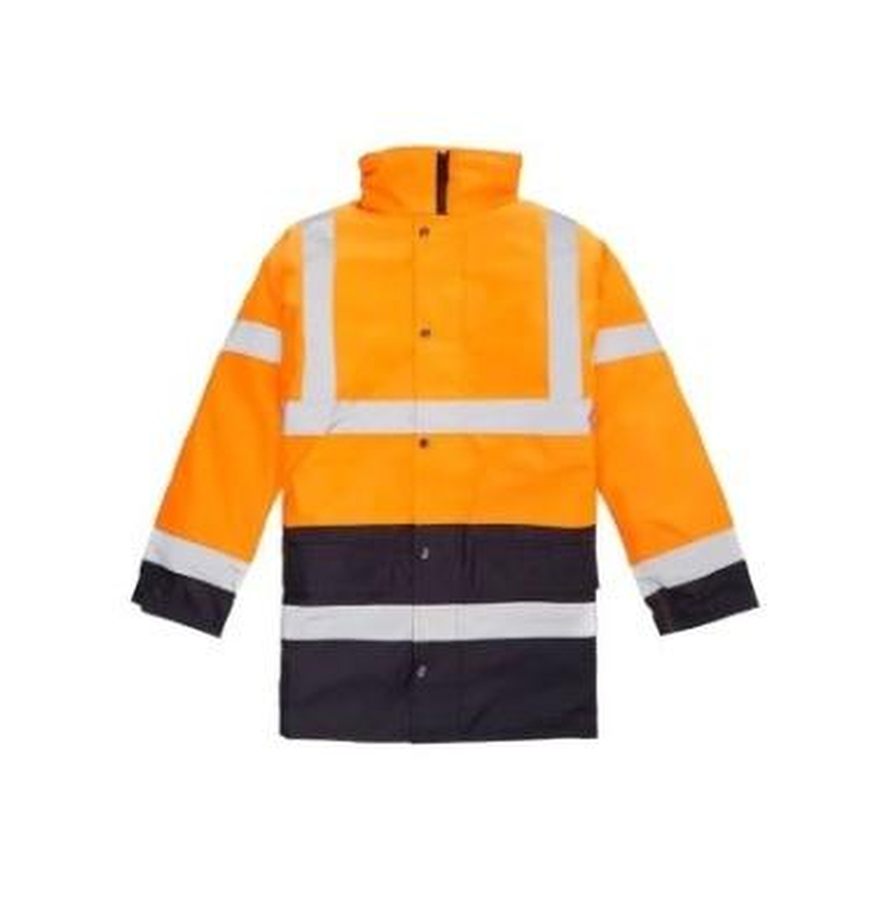
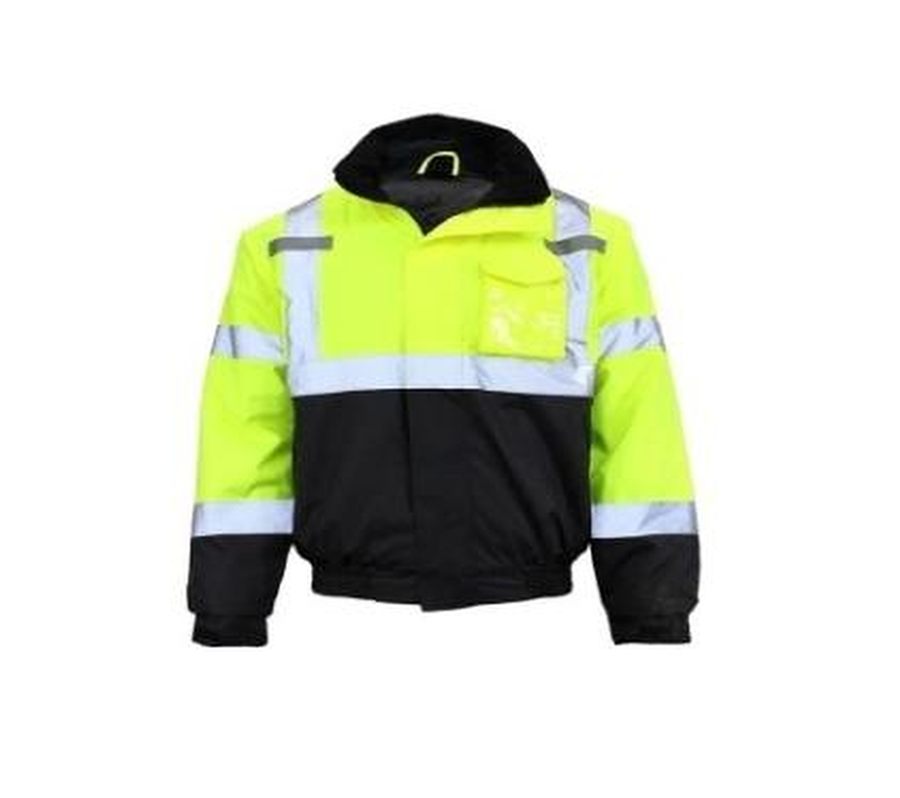
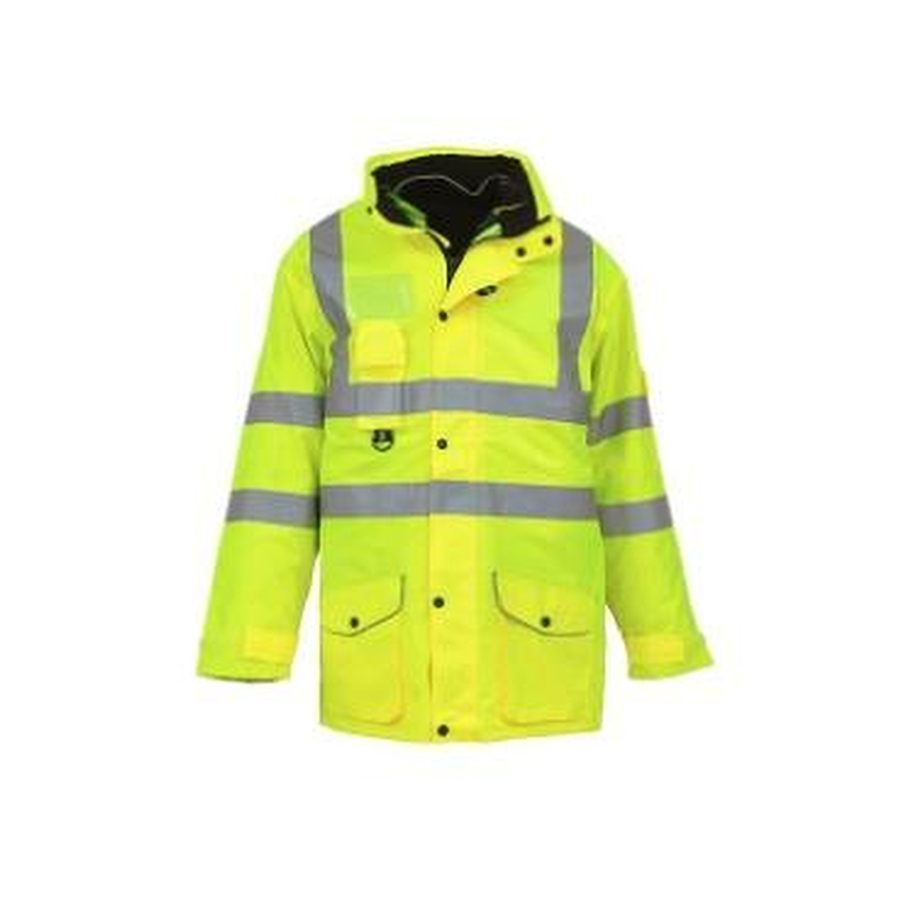
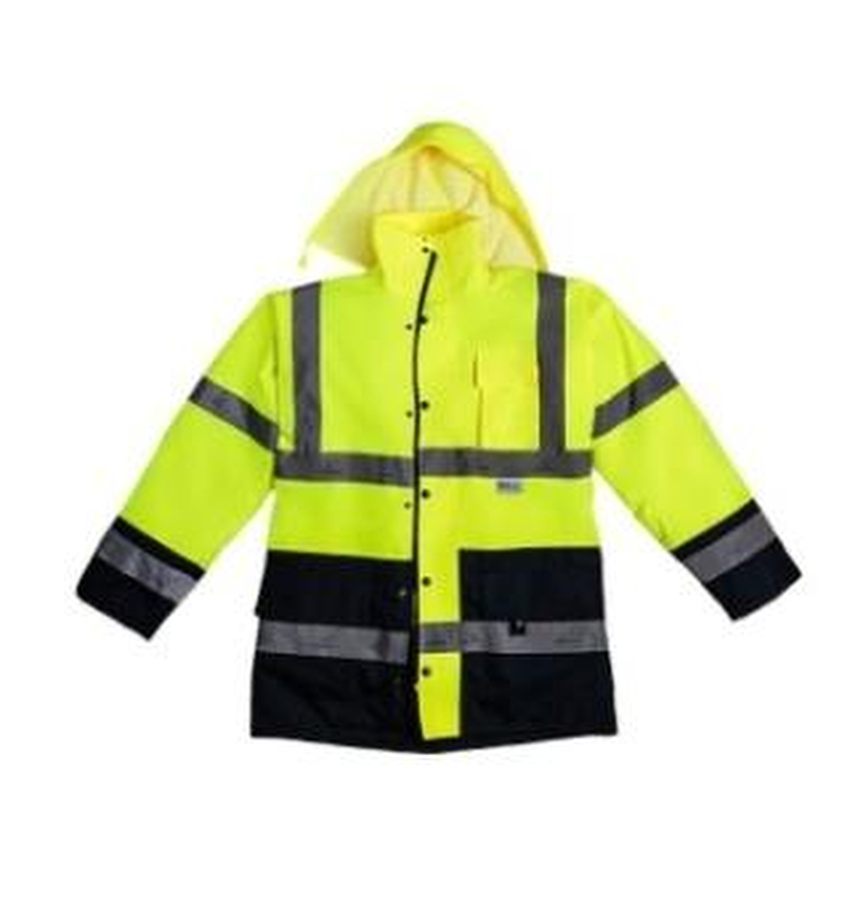
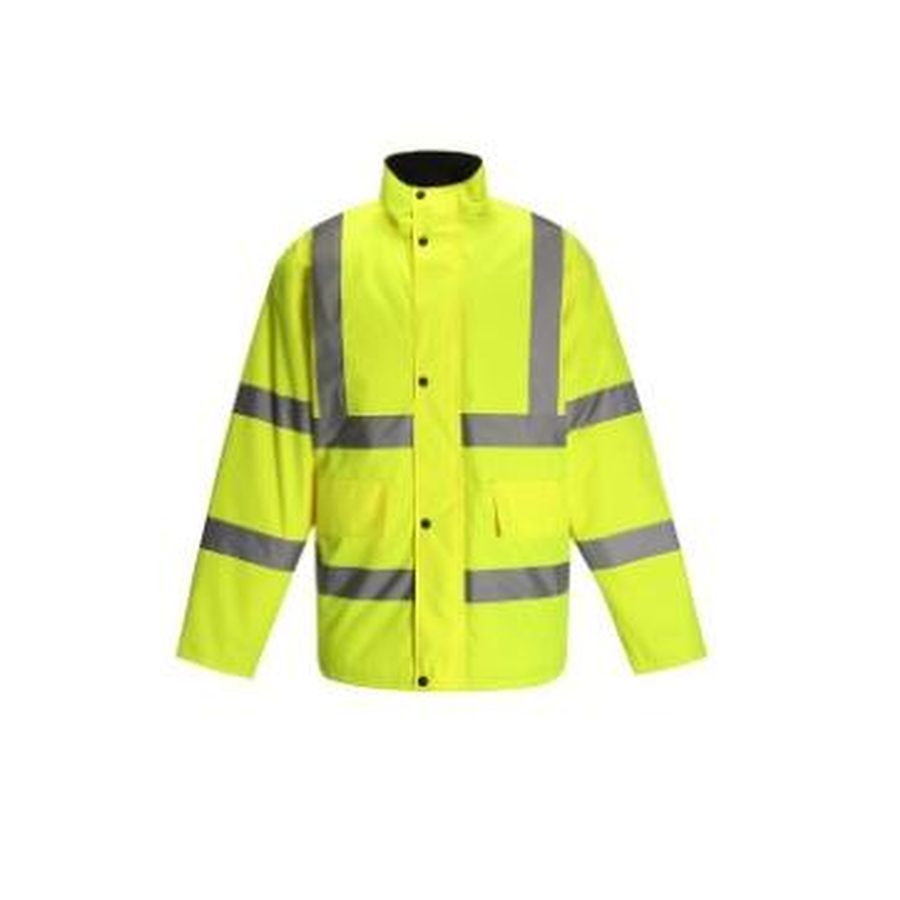
- Outdoor site work in cold or wet conditions
- Engineering and utility work
- Mining
website
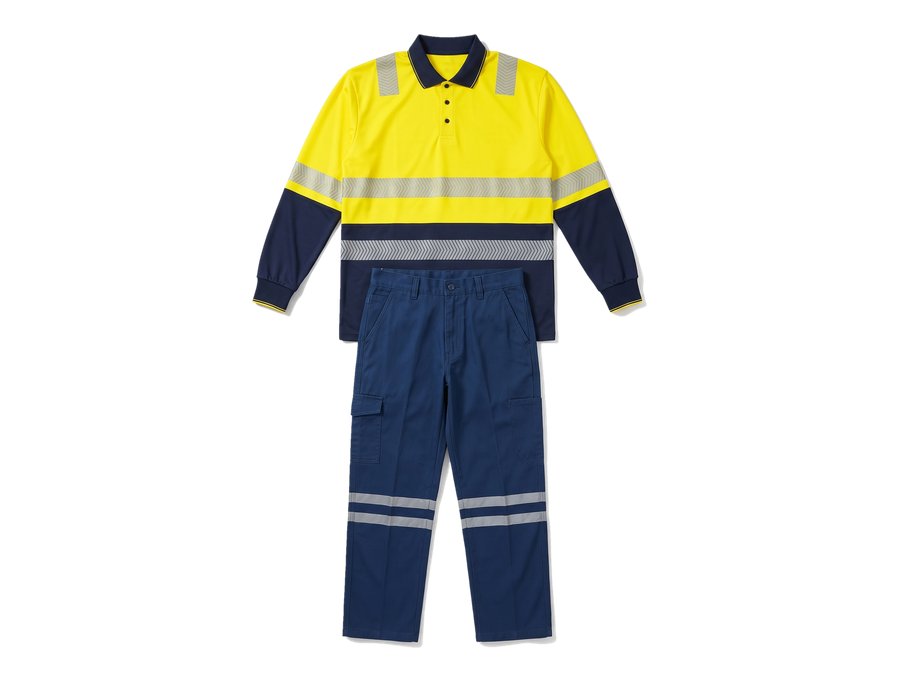
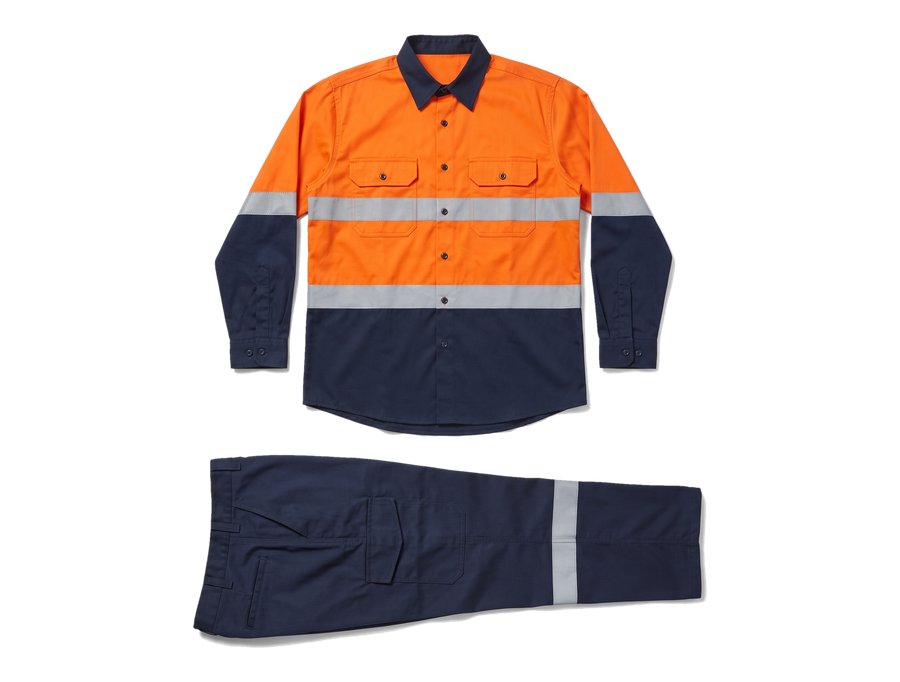
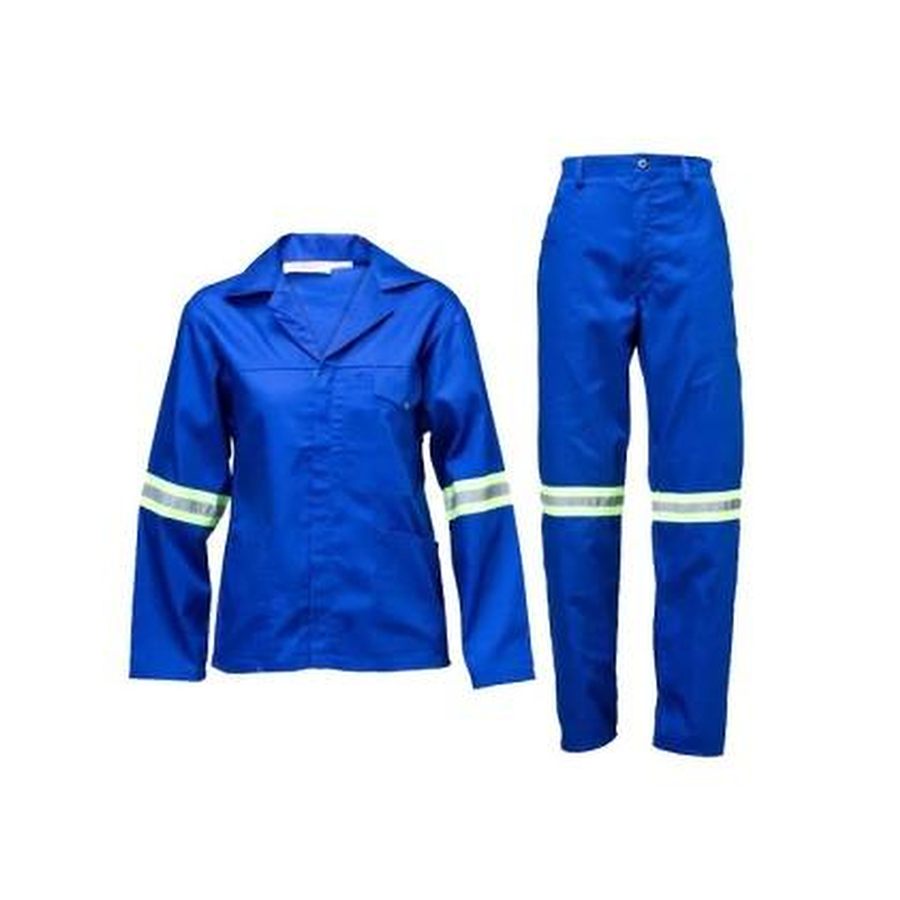
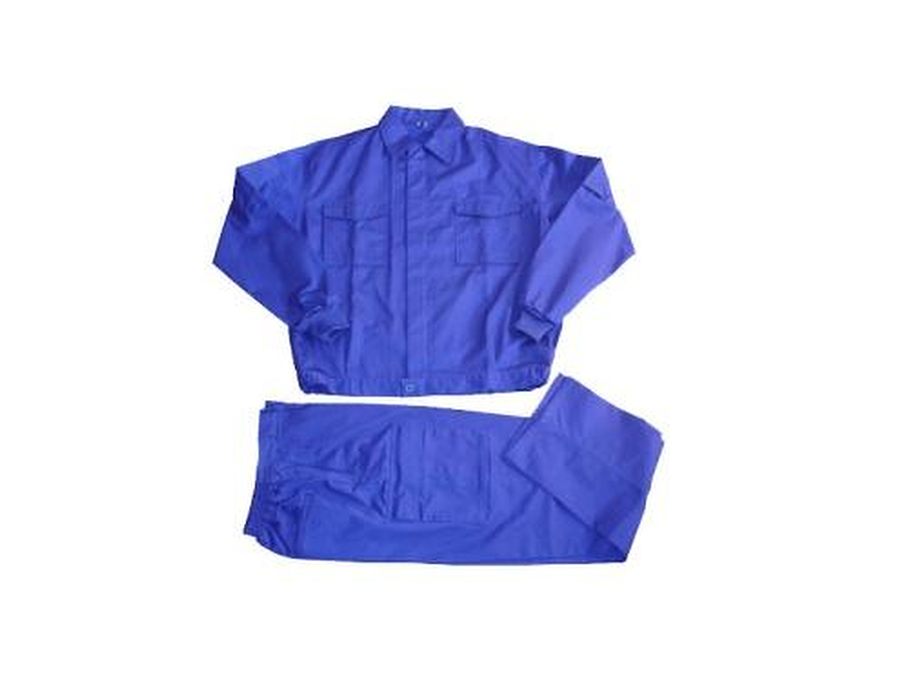
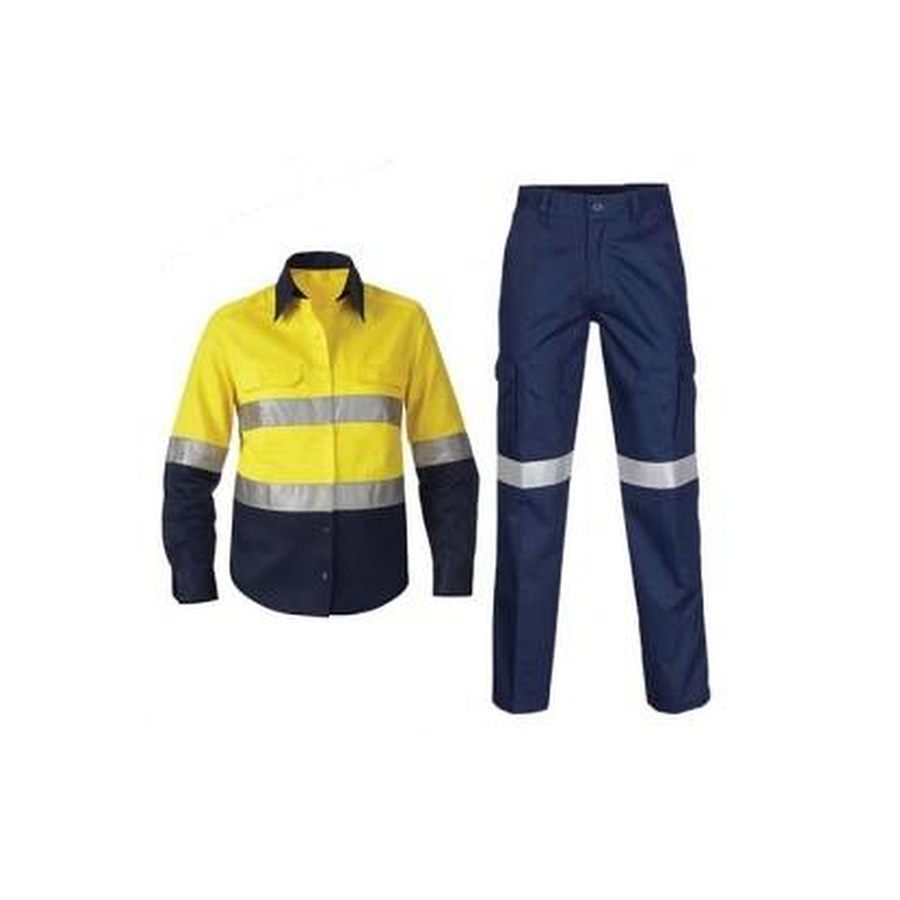
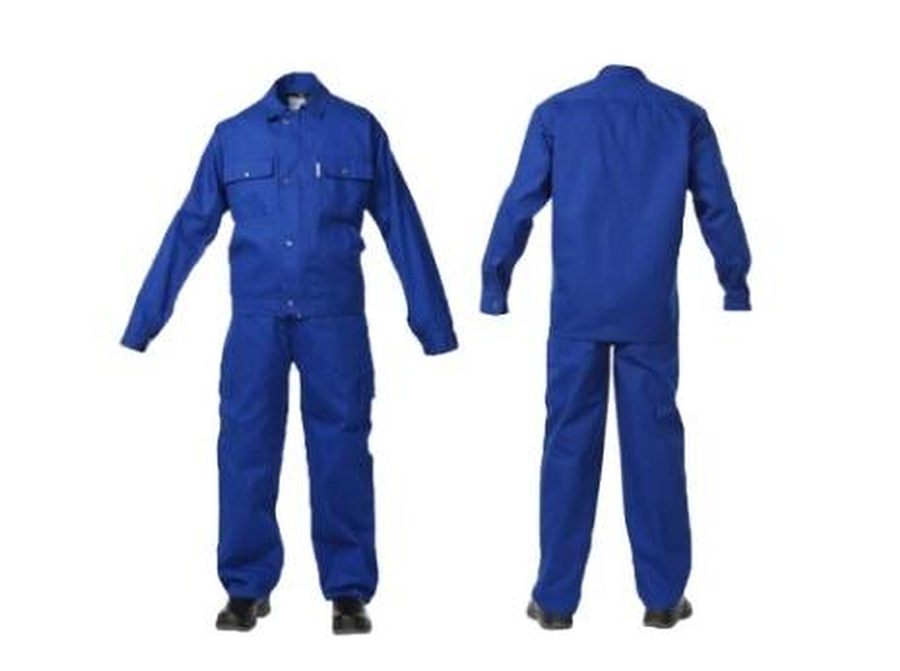
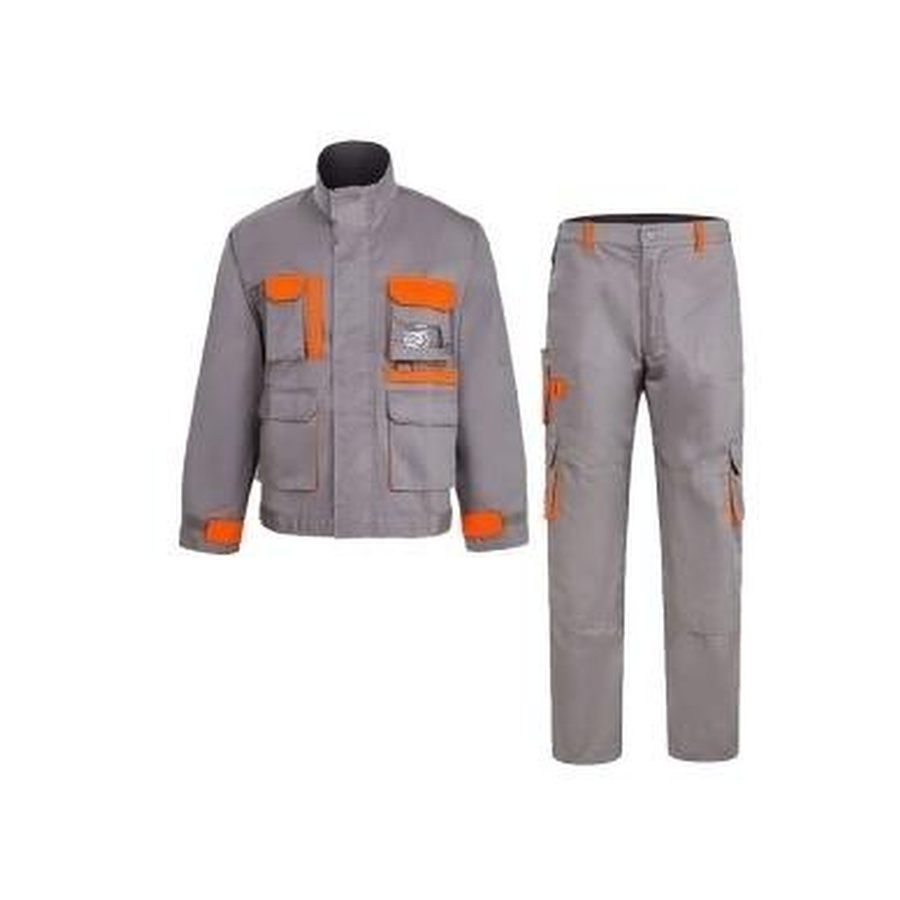
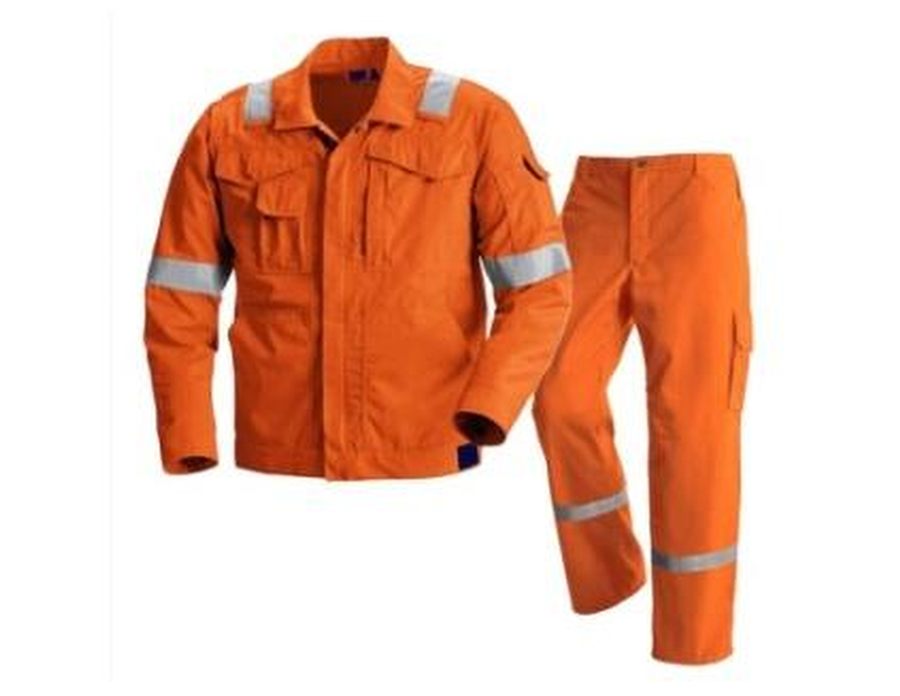
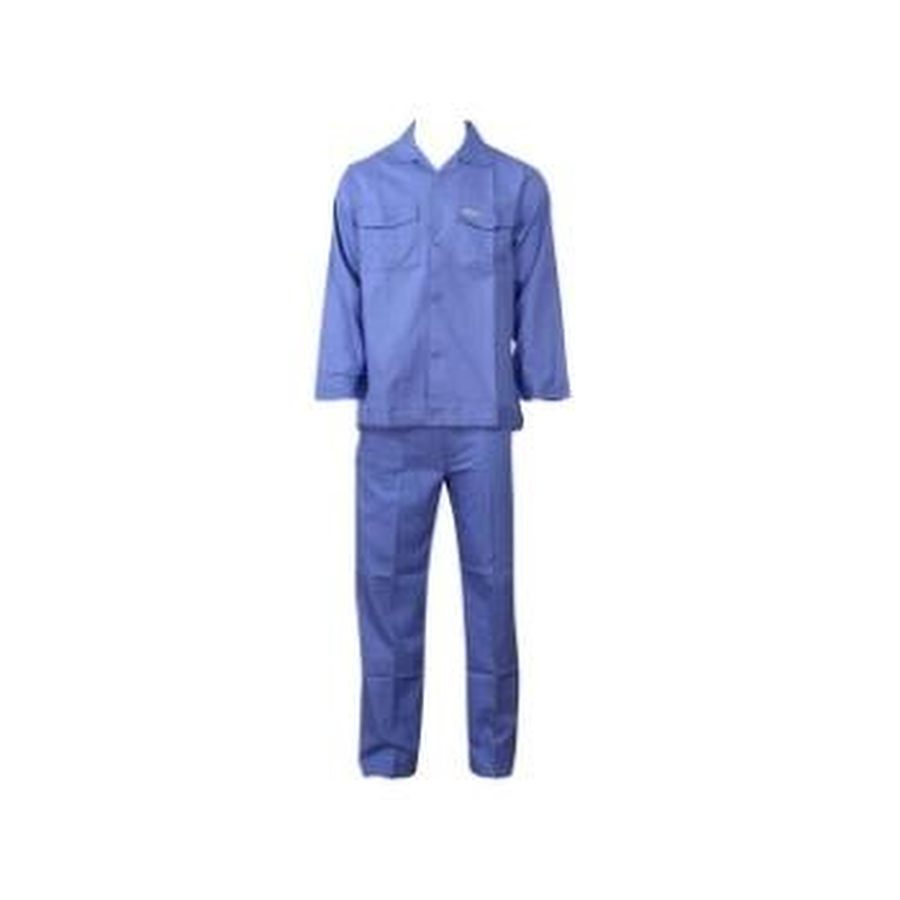
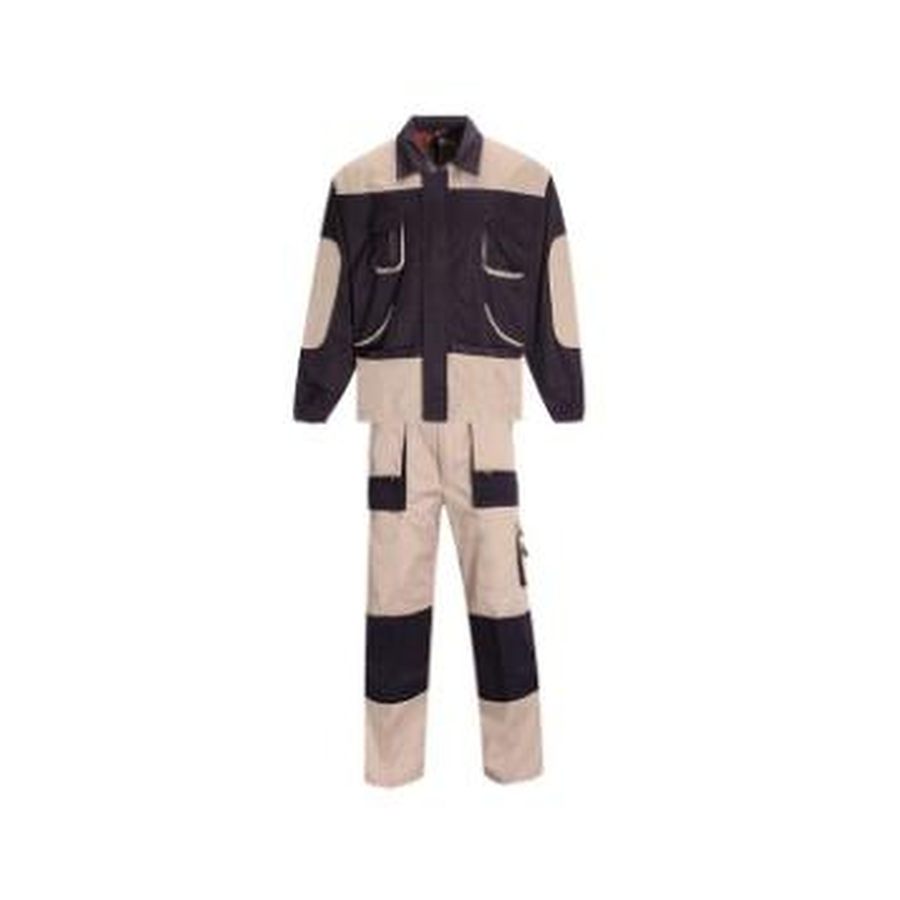
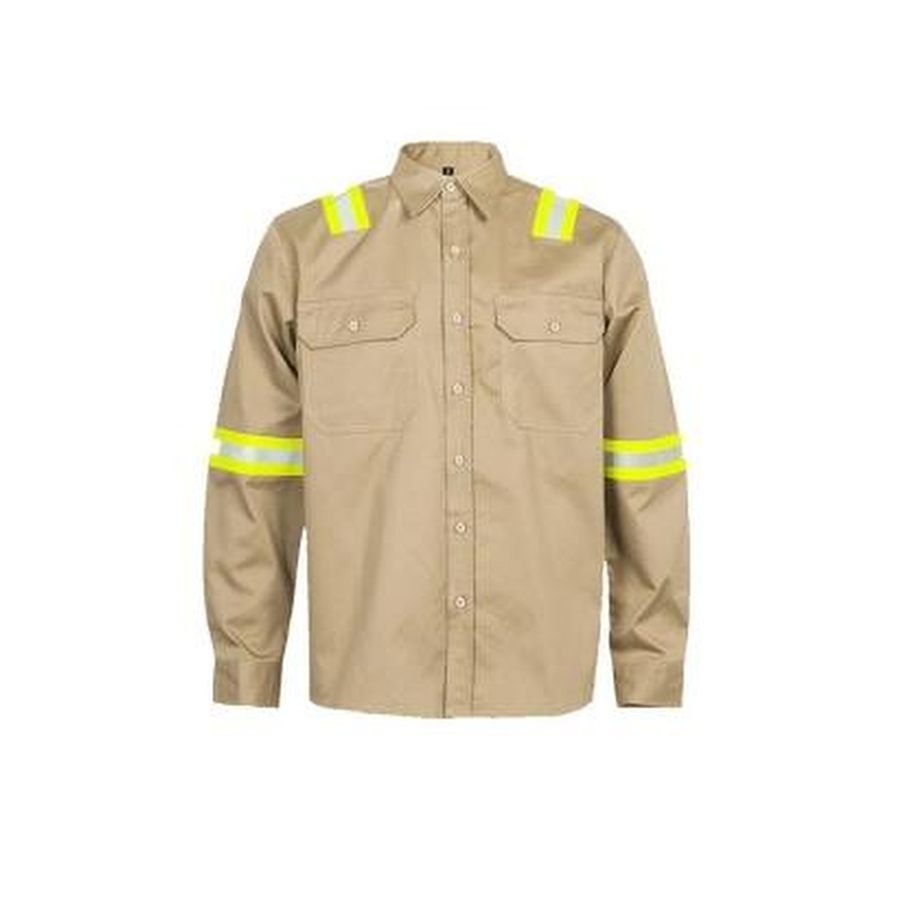
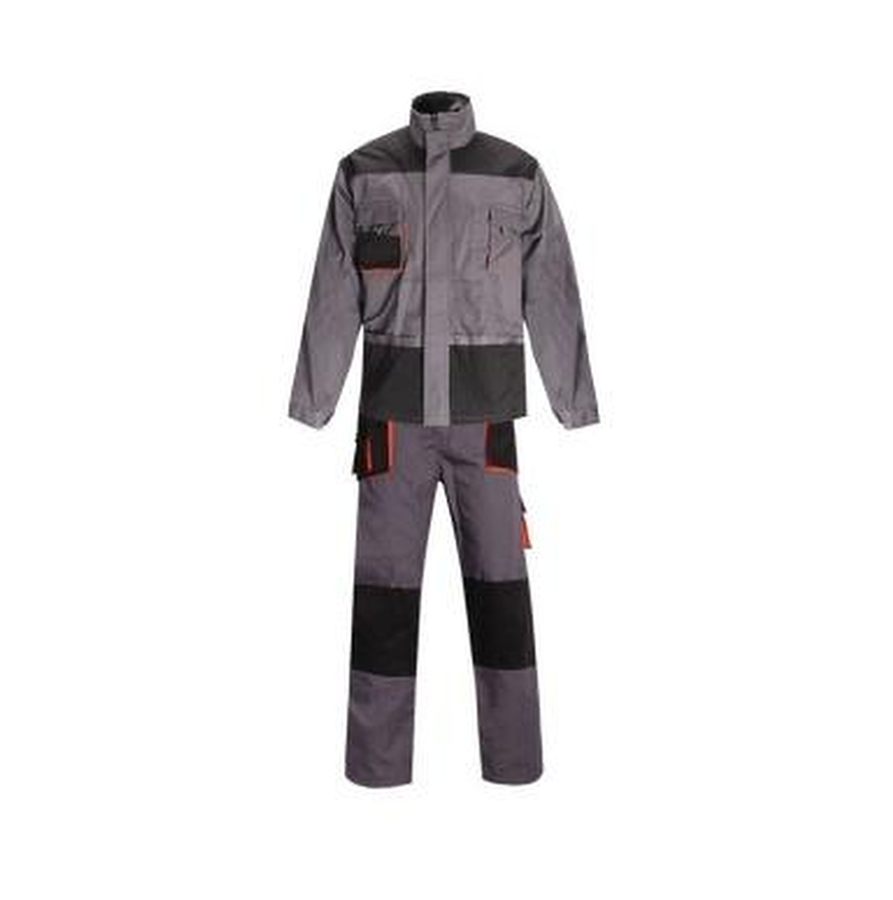
- Electrical and maintenance work
- Automotive workshops
- General industrial uniforms
website
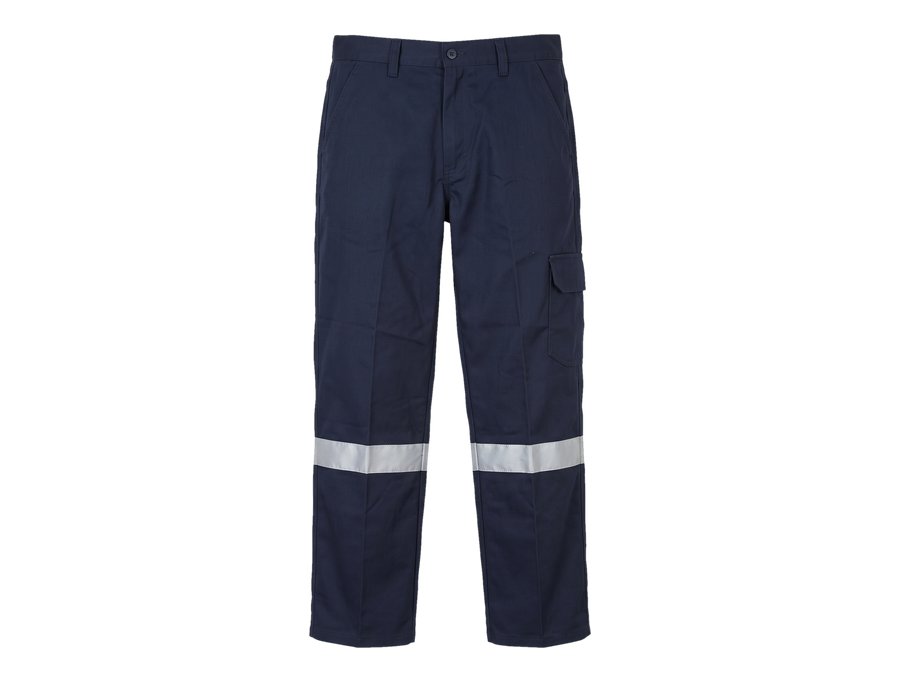
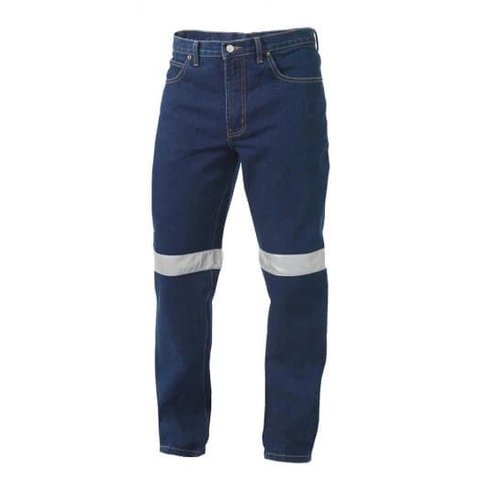
- General construction
- Warehousing
- Facilities and grounds work
- Low-light or roadside work
website
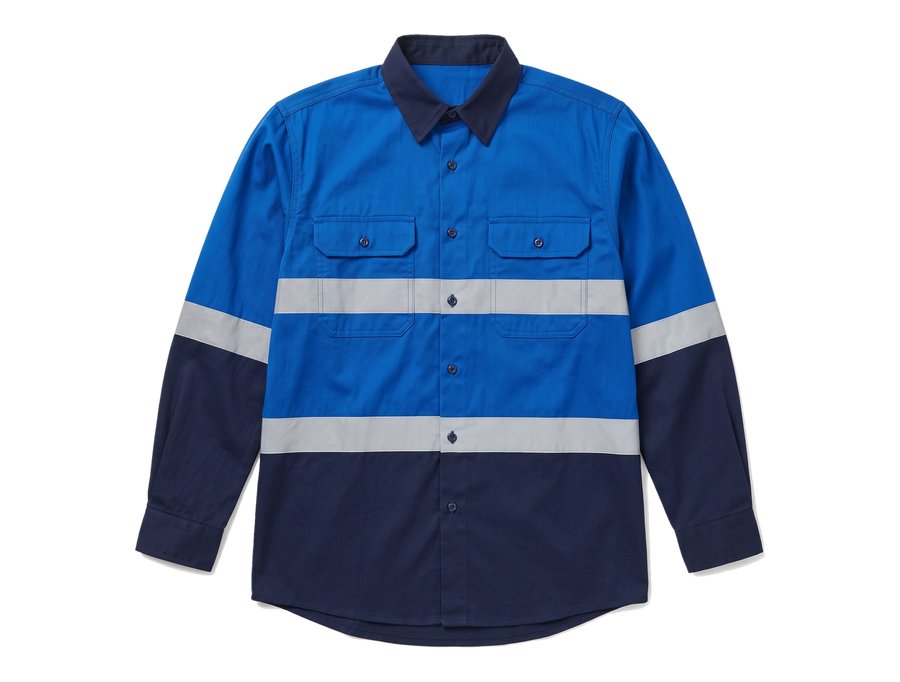
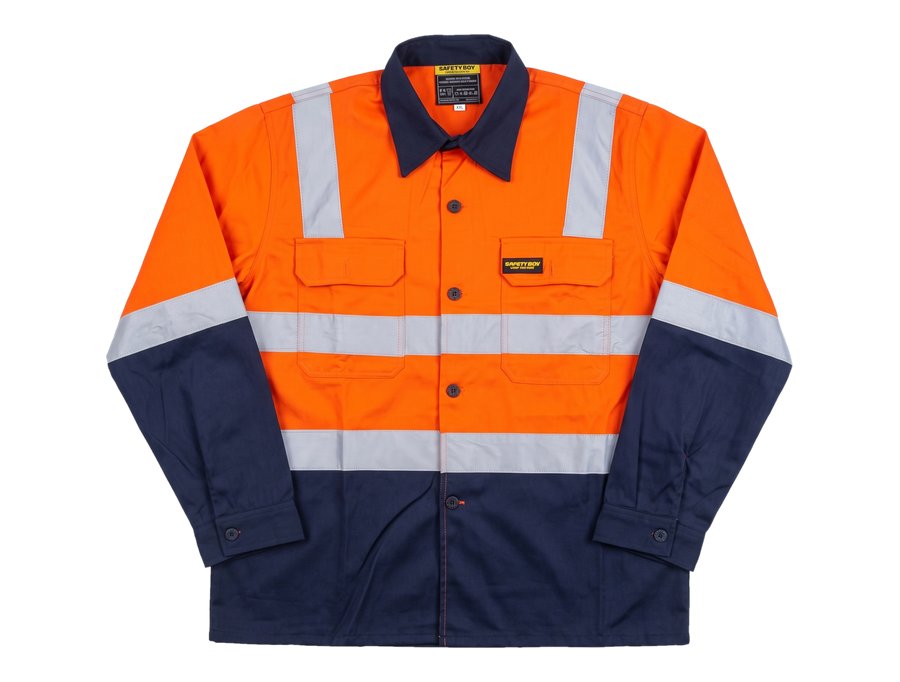
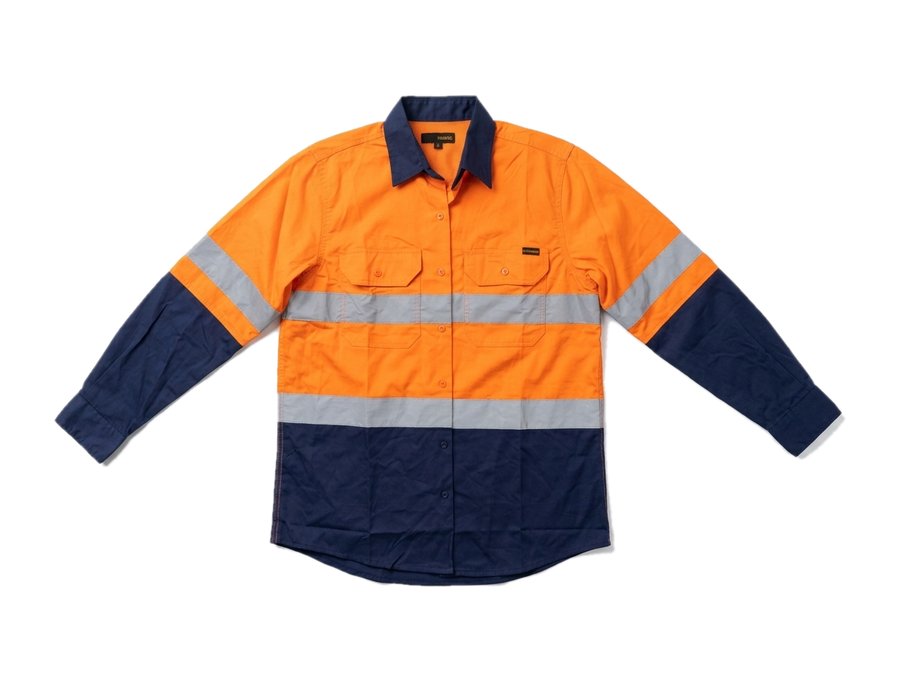
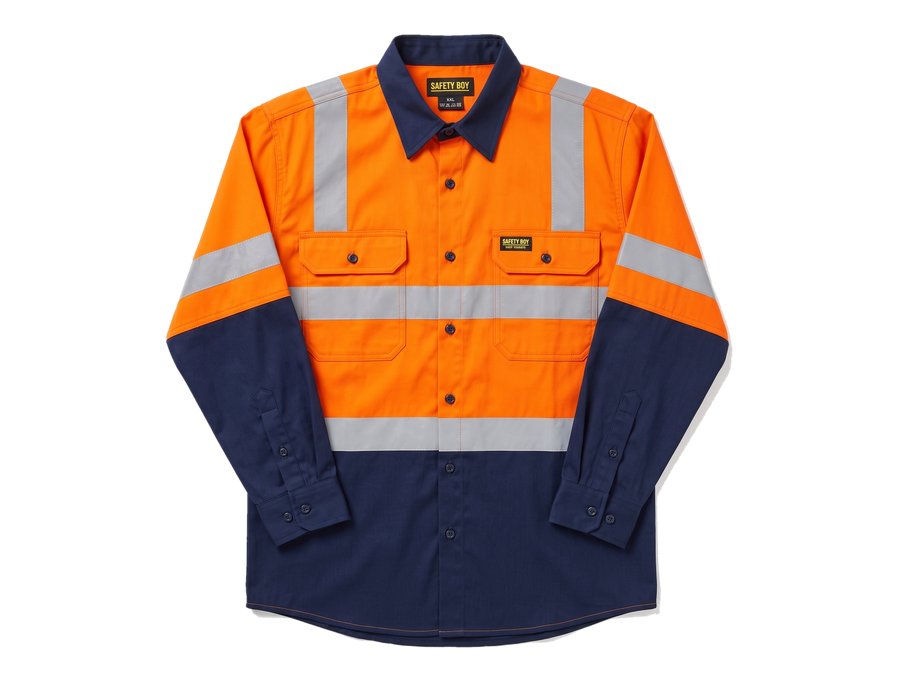
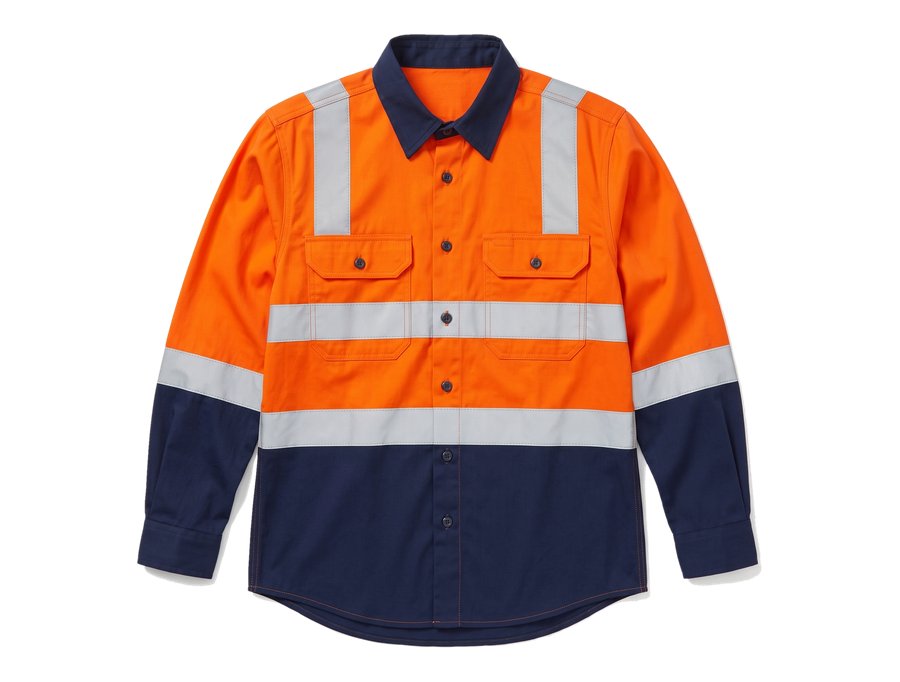
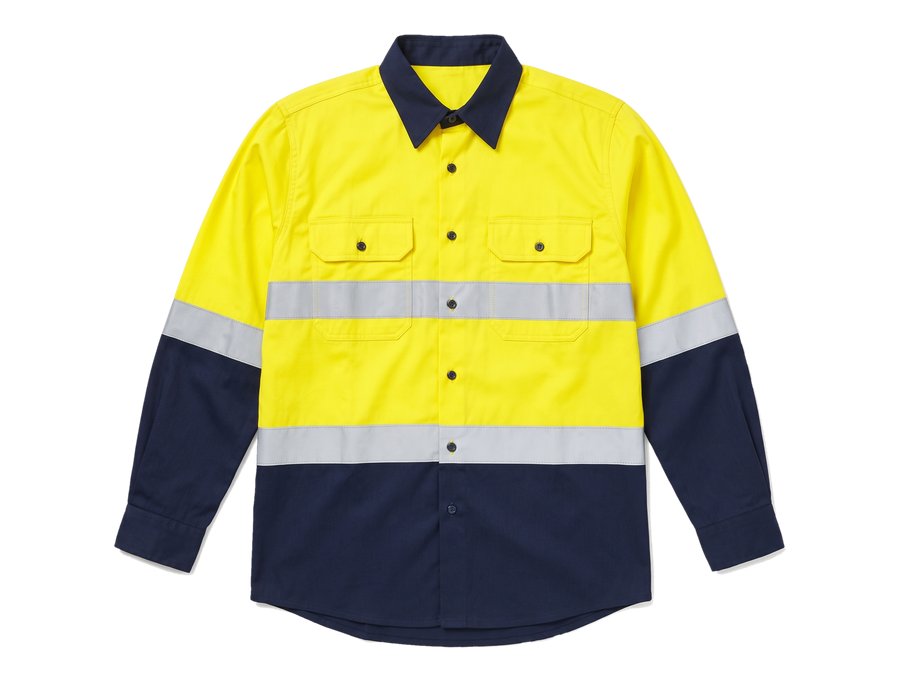
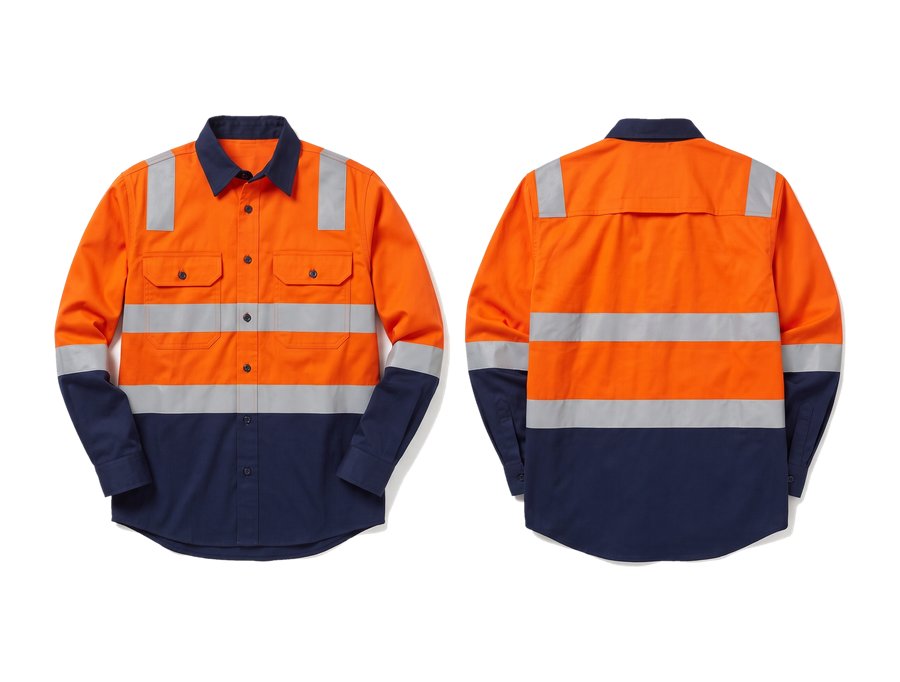
- General site labour
- Engineering and maintenance crews
- Company uniforms
website
| Class | Risk Level | Typical Wearer |
|---|---|---|
| Class 1 | Low risk | Warehouse workers, parking attendants, sidewalk work. |
| Class 2 | Moderate risk | Roadway workers exposed to traffic under ~50 mph. |
| Class 3 | High risk | High-speed roads, night work, poor weather, maximum-distance visibility needs. |
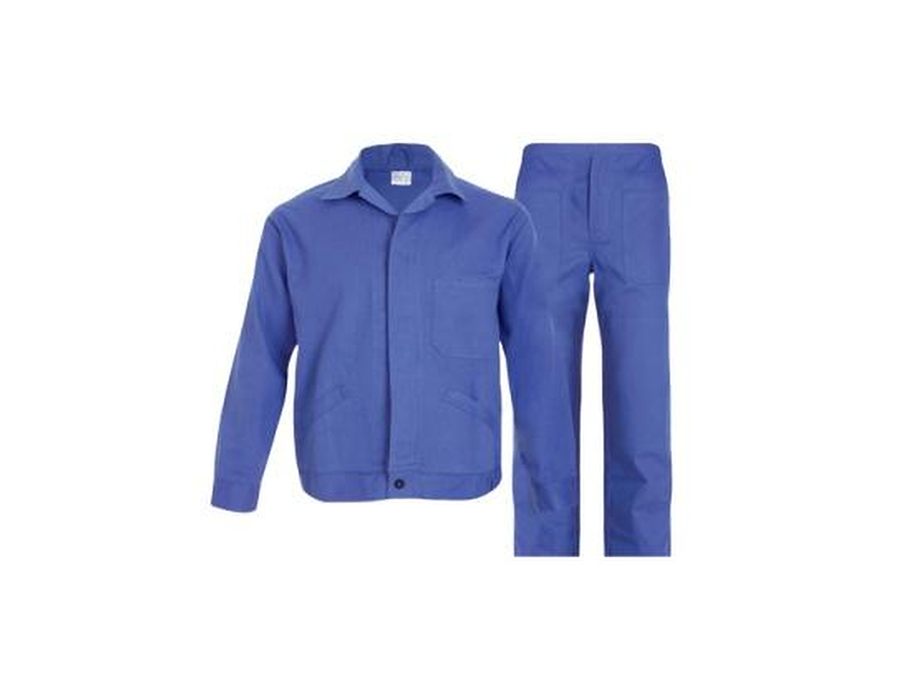
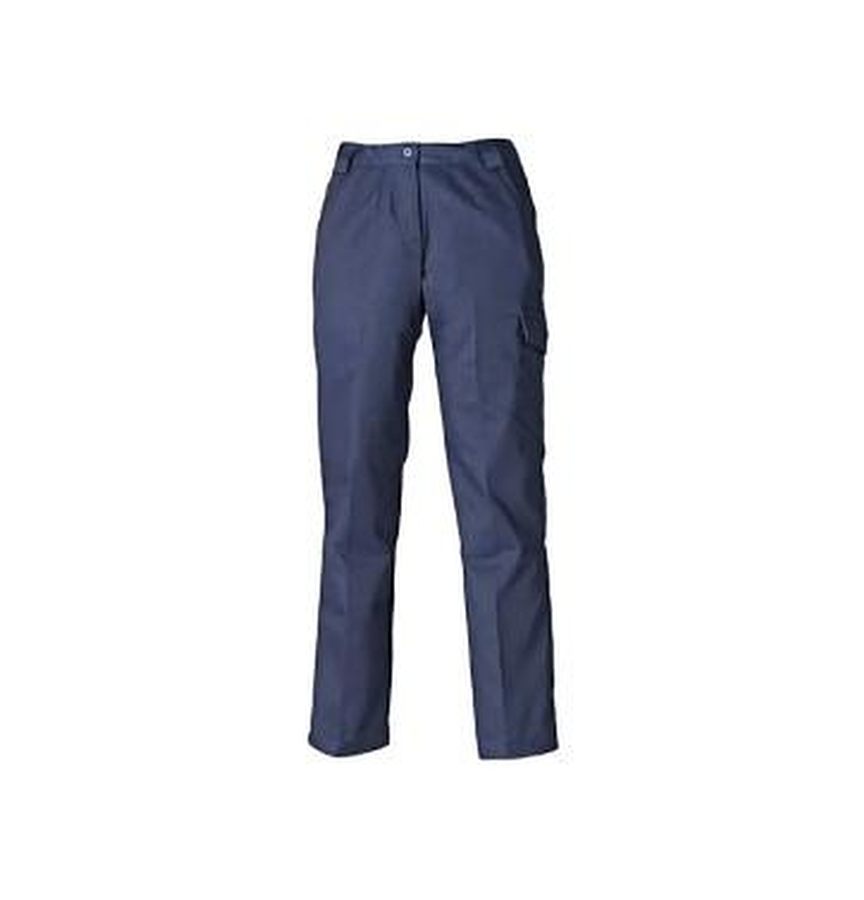
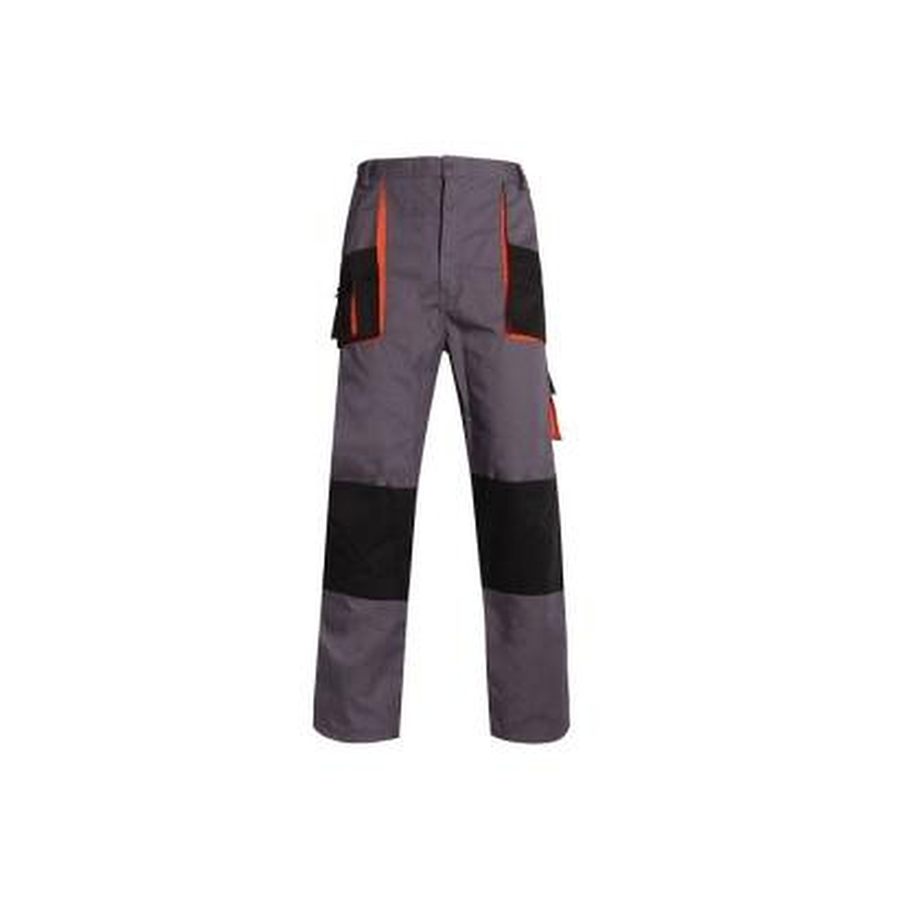
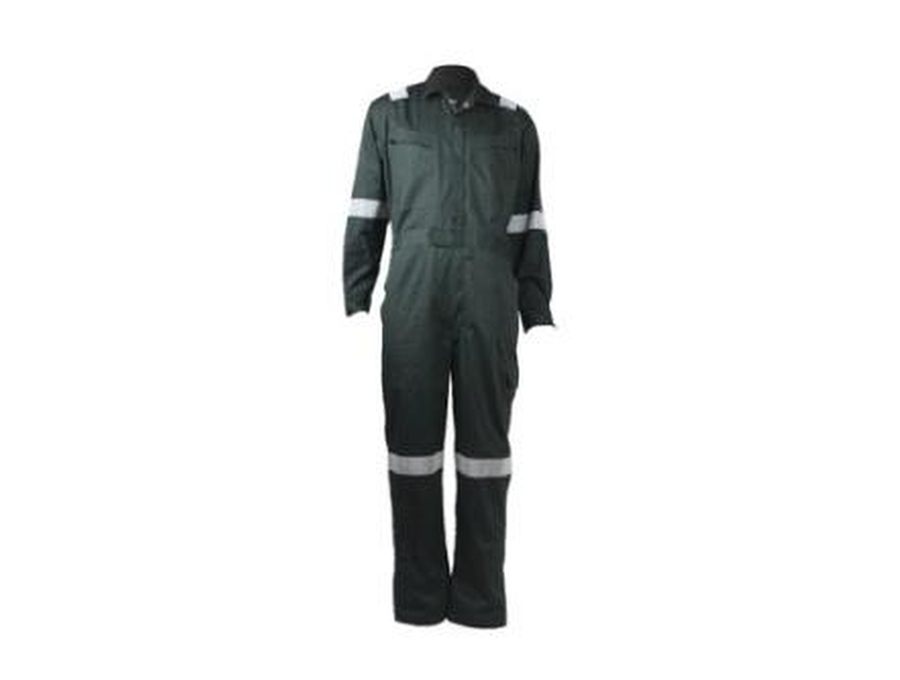
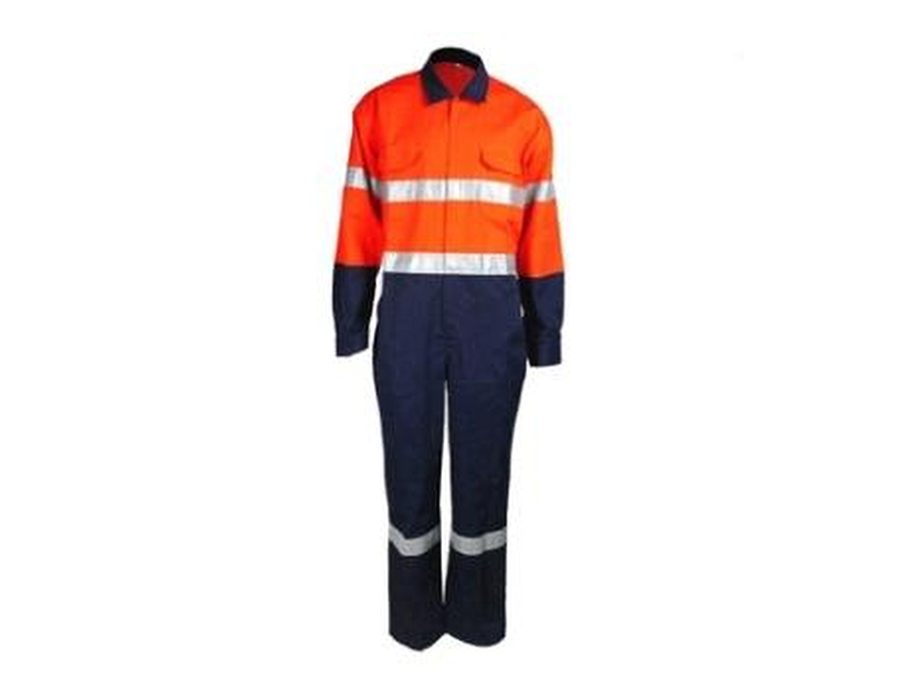
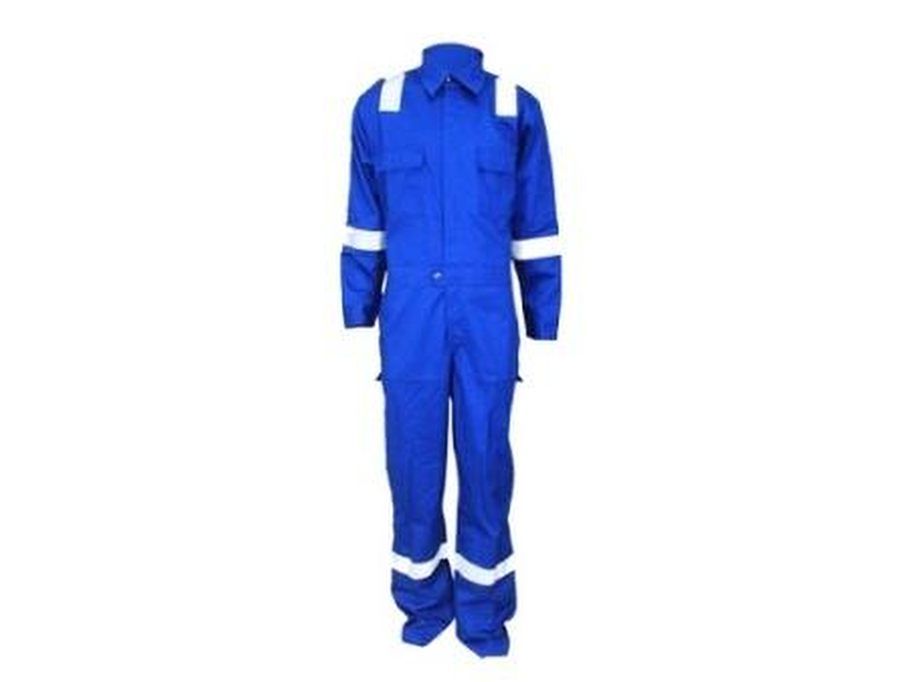
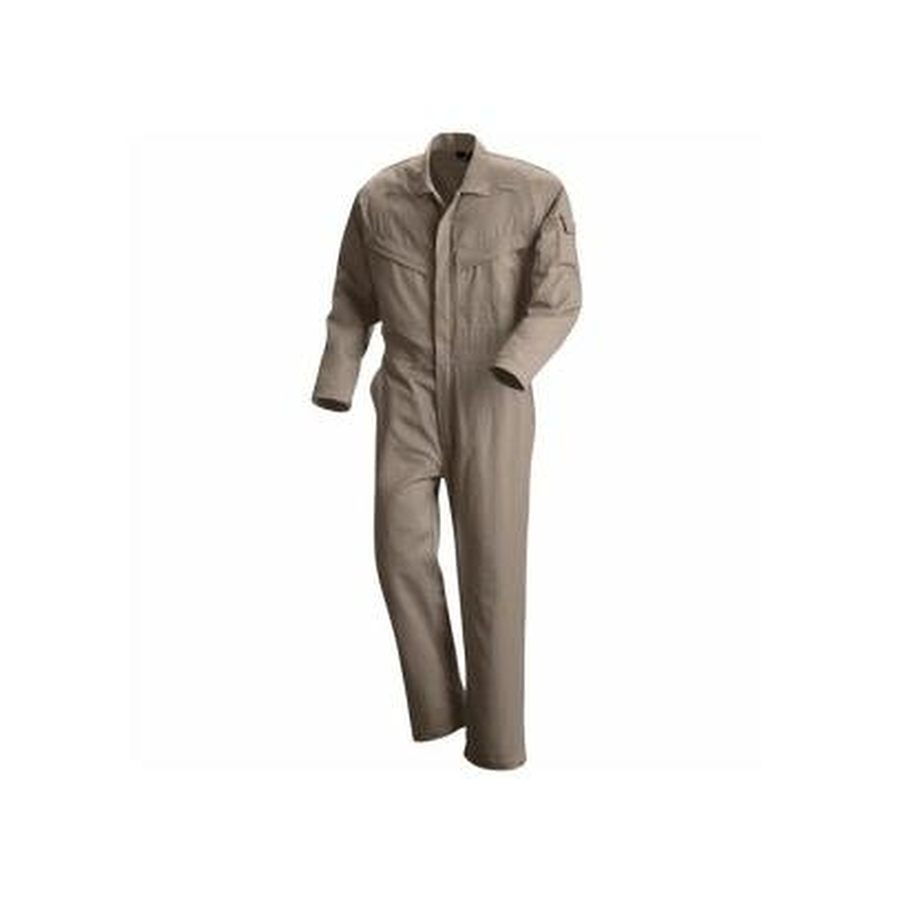
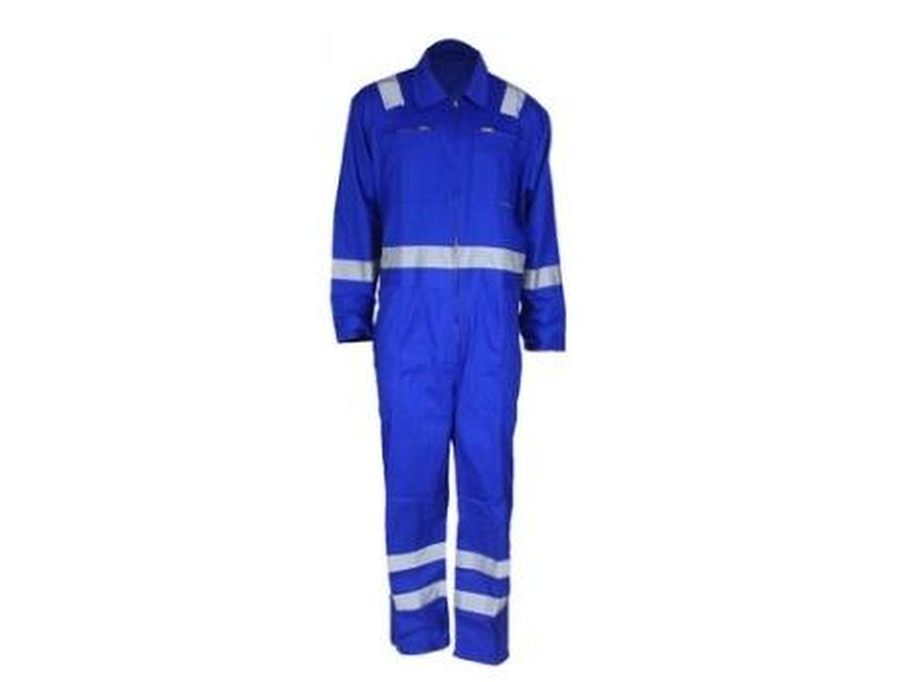
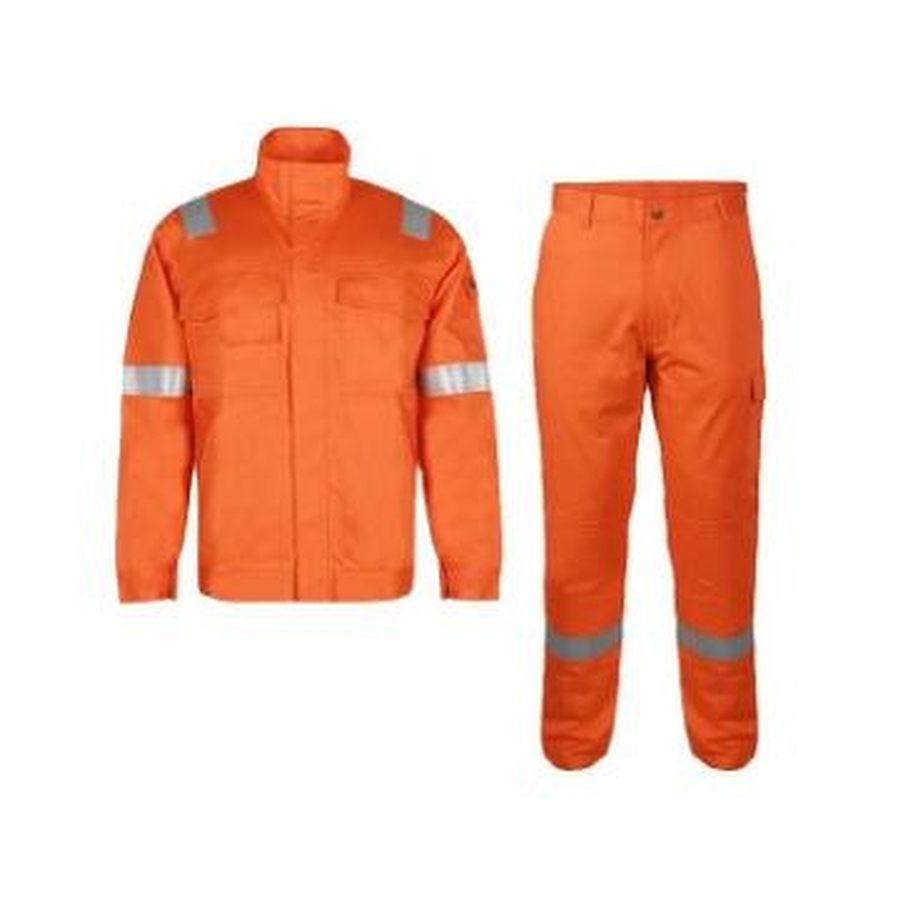
Coveralls, aprons, and rainwear are chosen by the hazard: flame-resistant (FR) fabric for welding/electrical work, chemical-resistant fabric for spill exposure, and waterproof fabric for wet-weather site work.
website
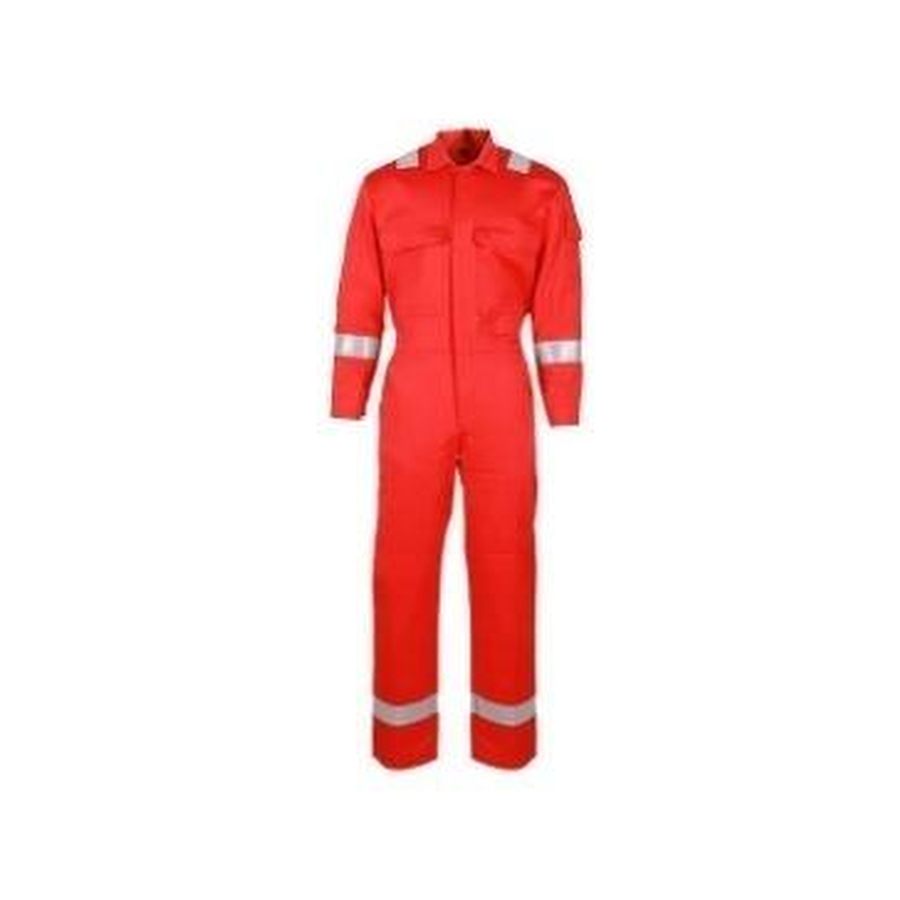
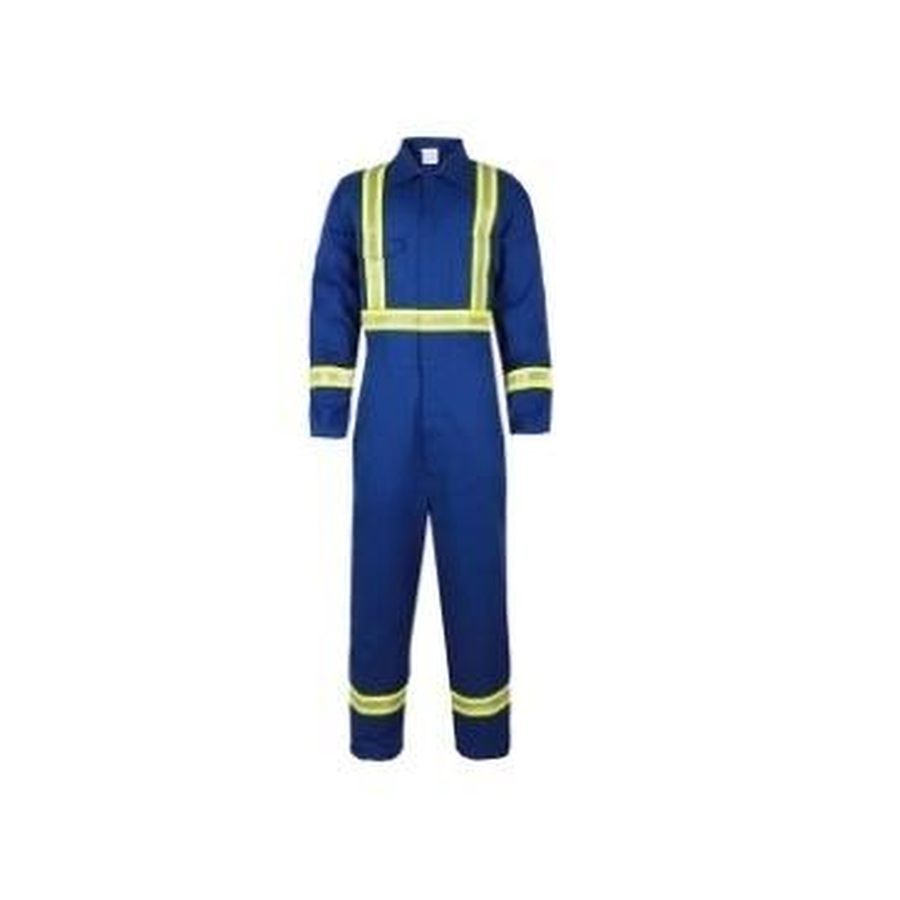
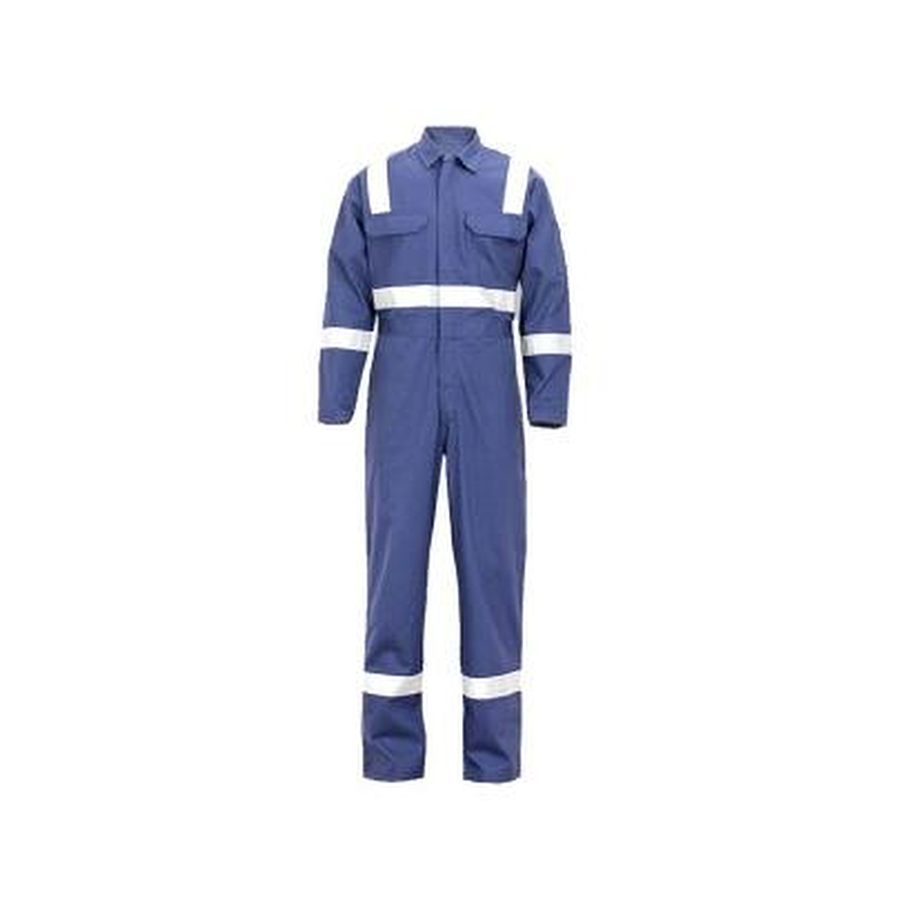
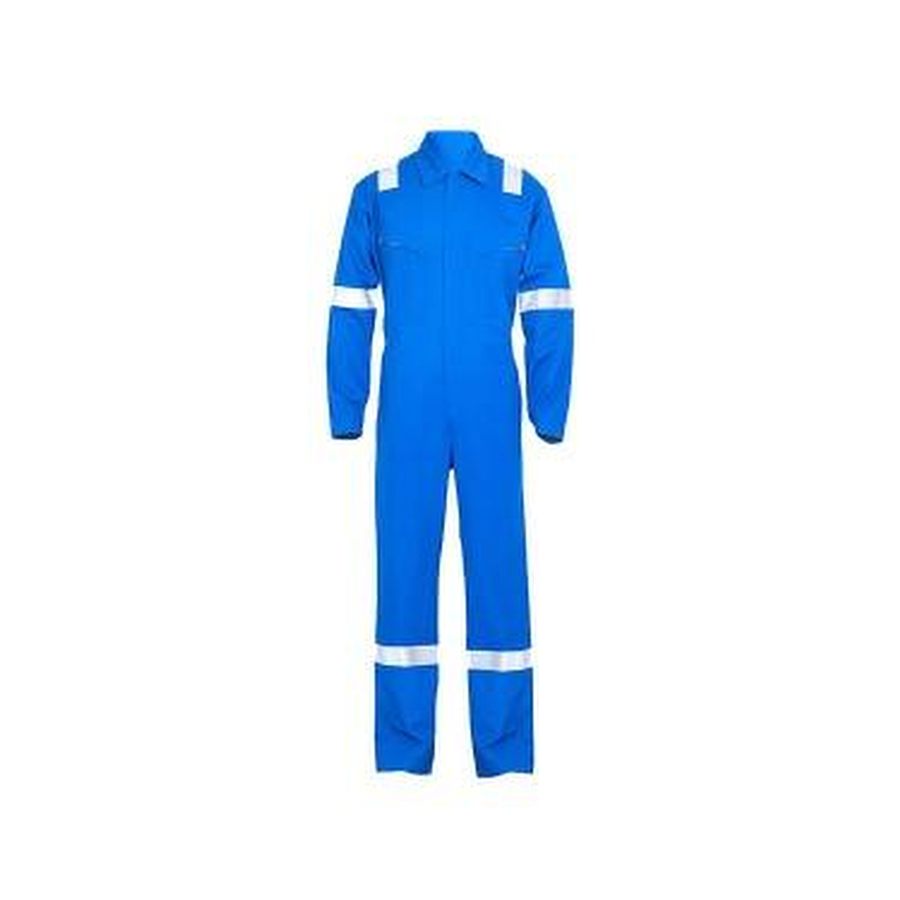
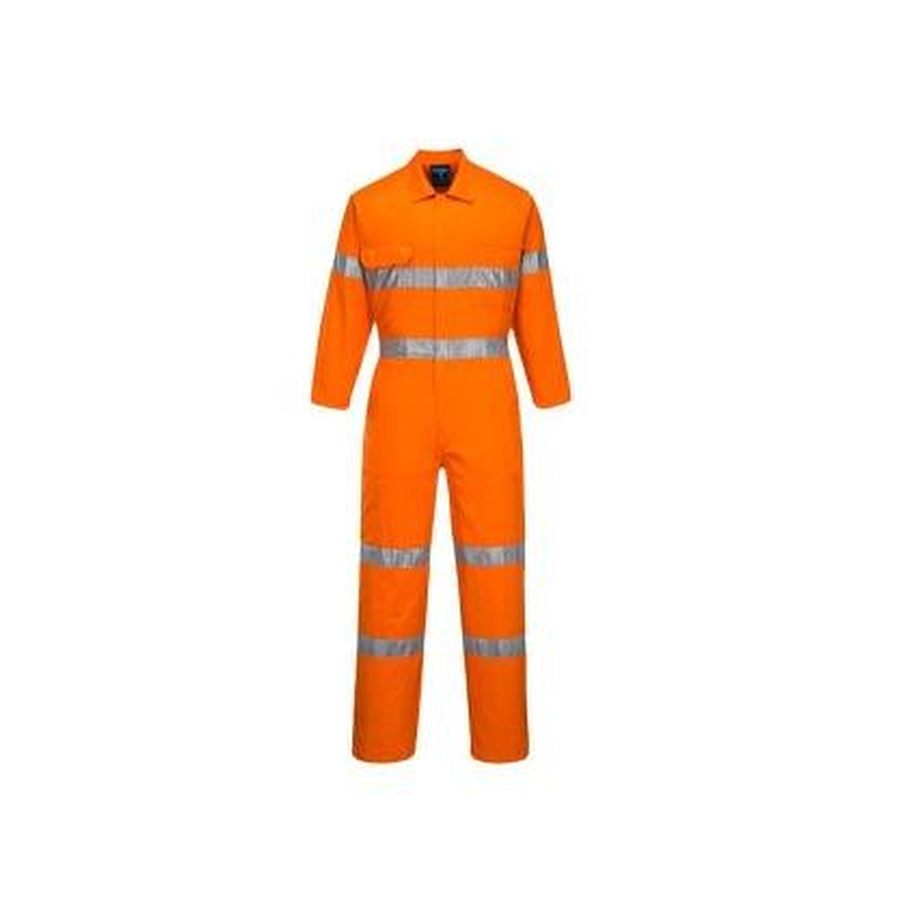
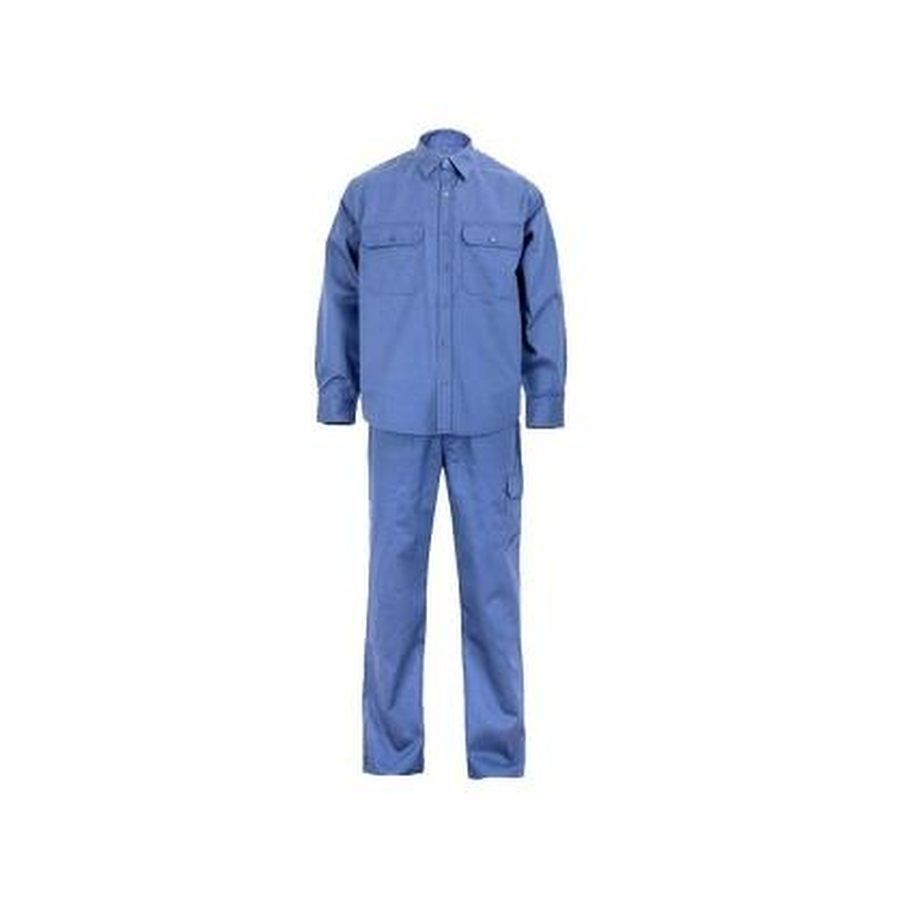
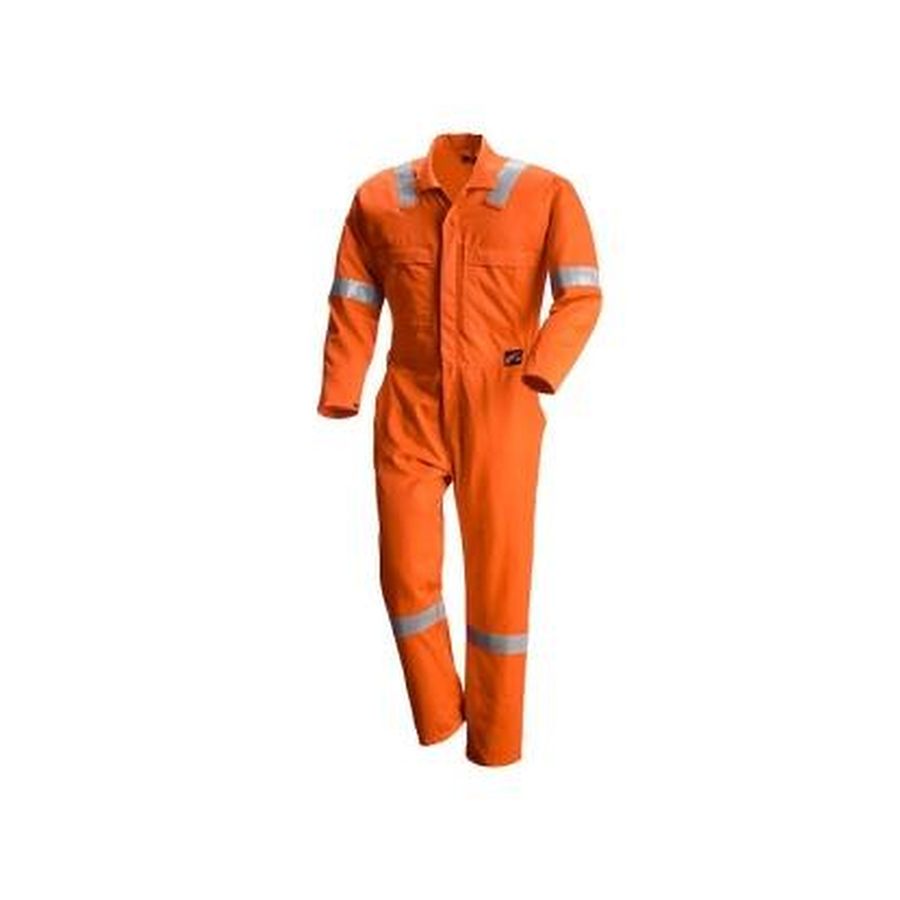
- Oil and gas facilities
- Electrical arc-flash zones
- Welding and hot work
- Power generation
website
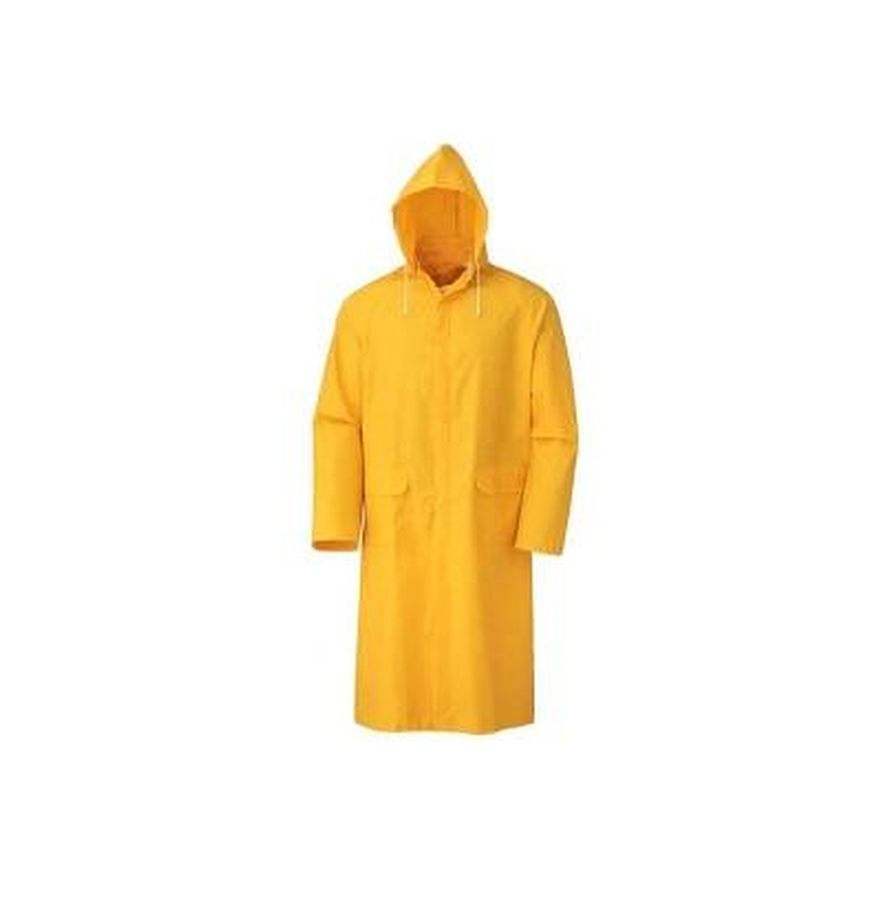
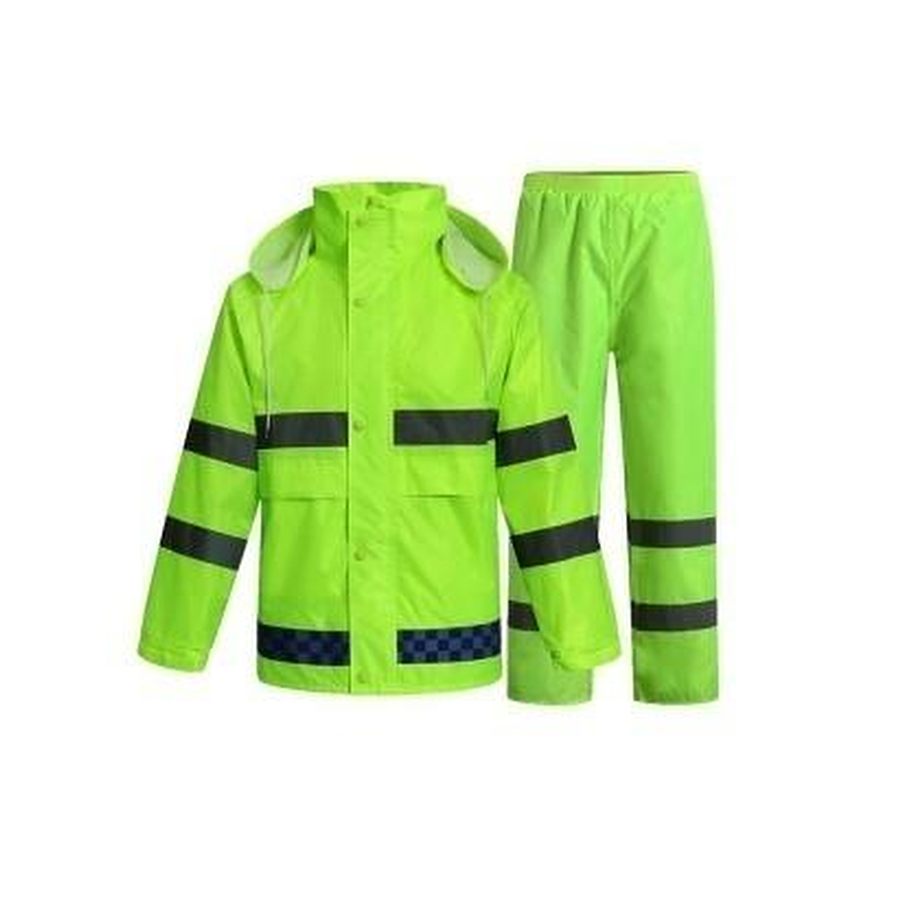
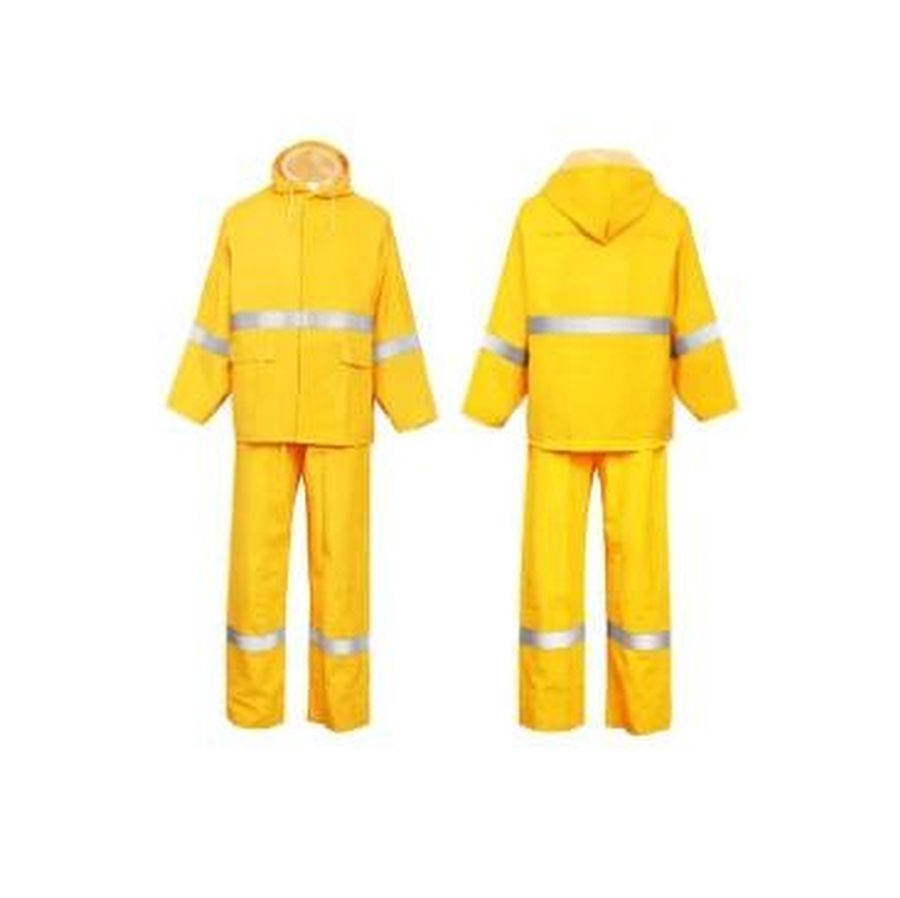
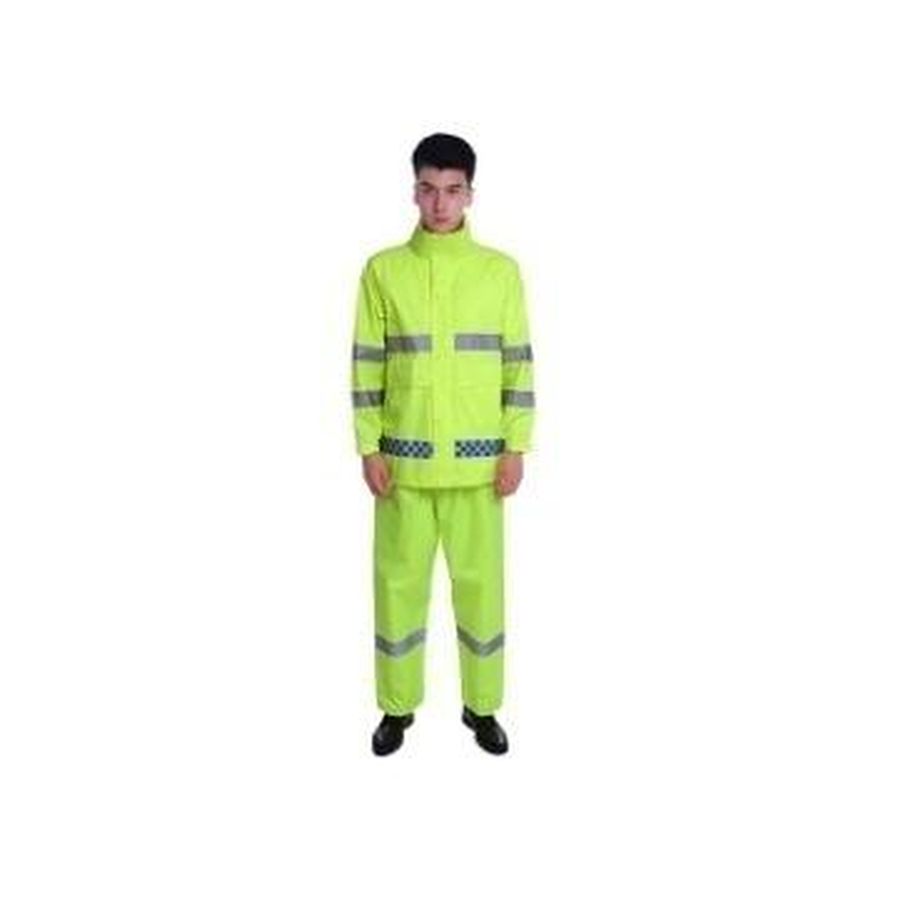
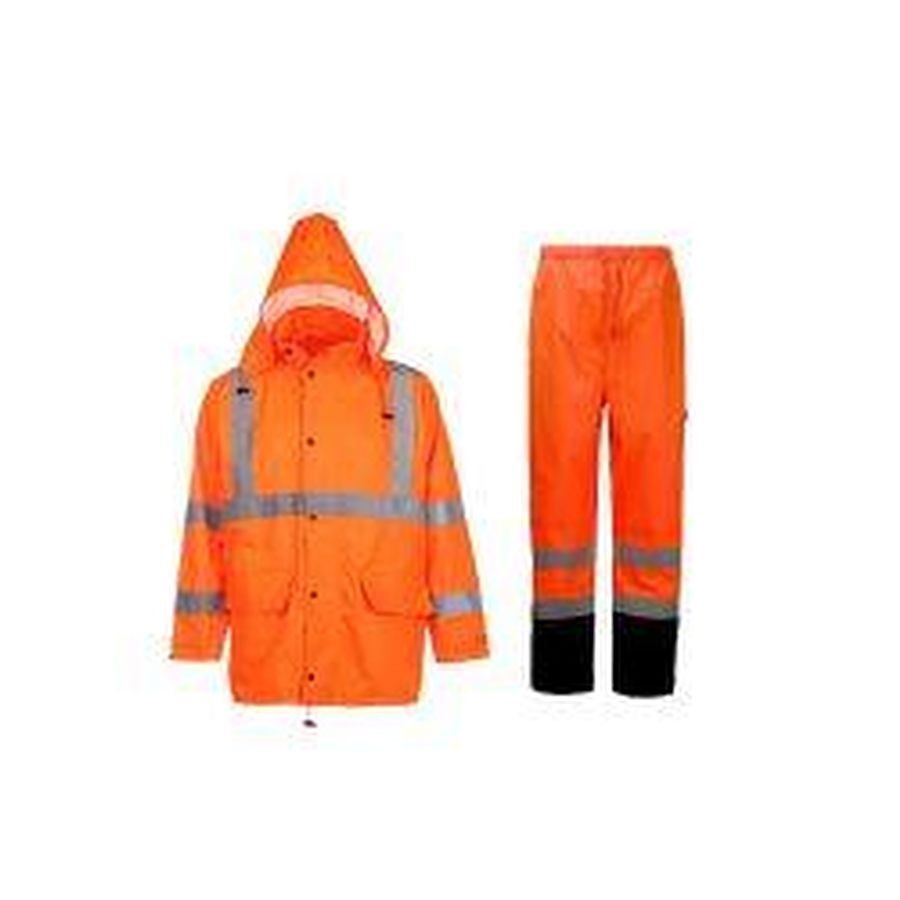
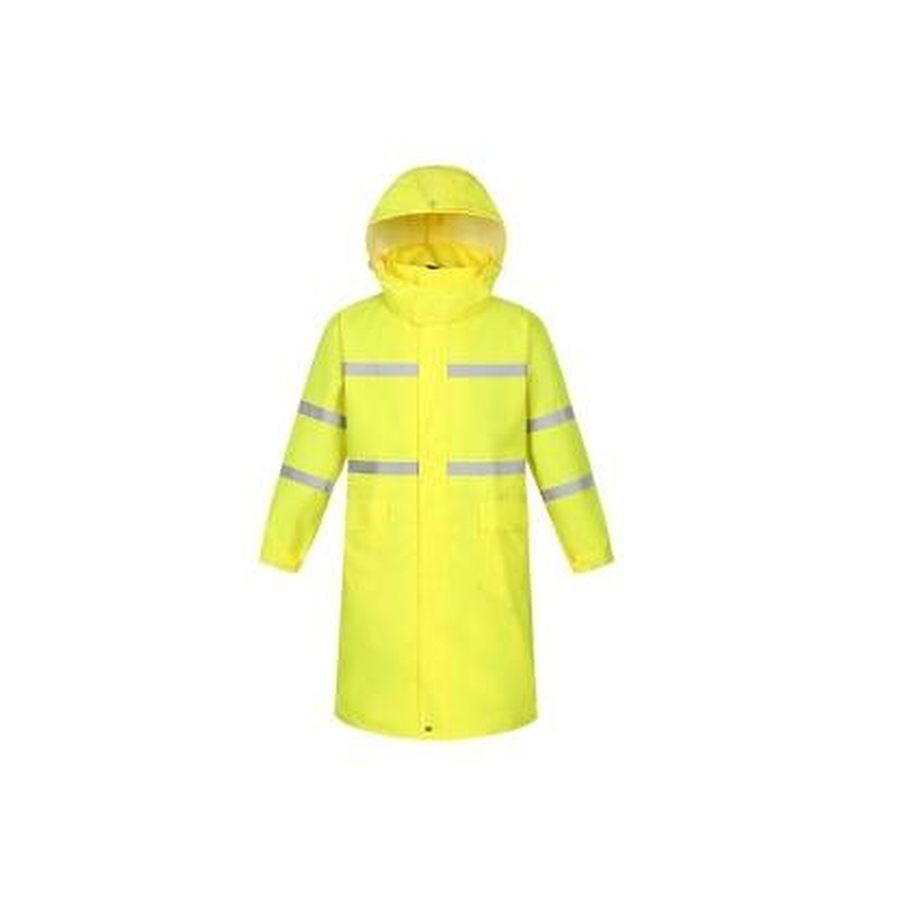
- Outdoor construction
- Marine and dockside work
- Utility and roadside work in wet weather
website
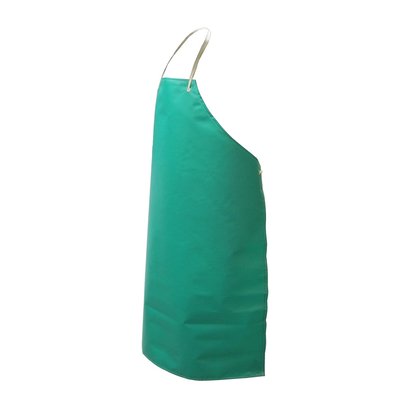
- Chemical mixing and dosing
- Cleaning with harsh agents
- Laboratory work
website
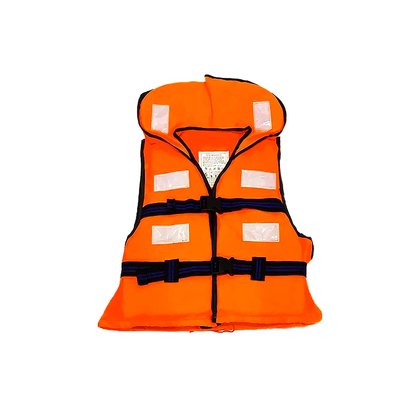
- Dockside and marine work
- Working near open water or tanks
- Water-based rescue standby
website
Foot Protection
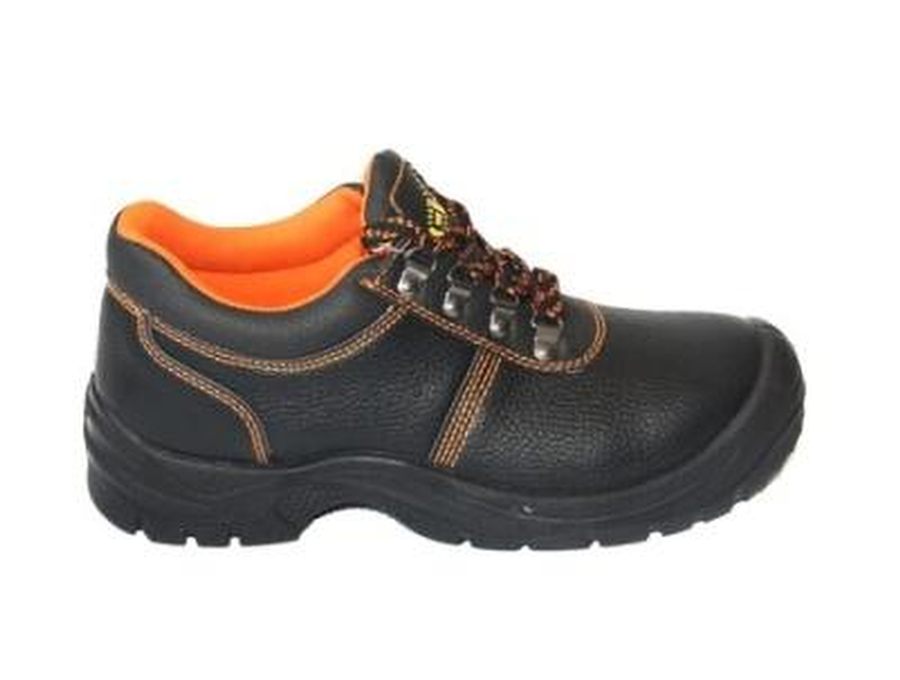
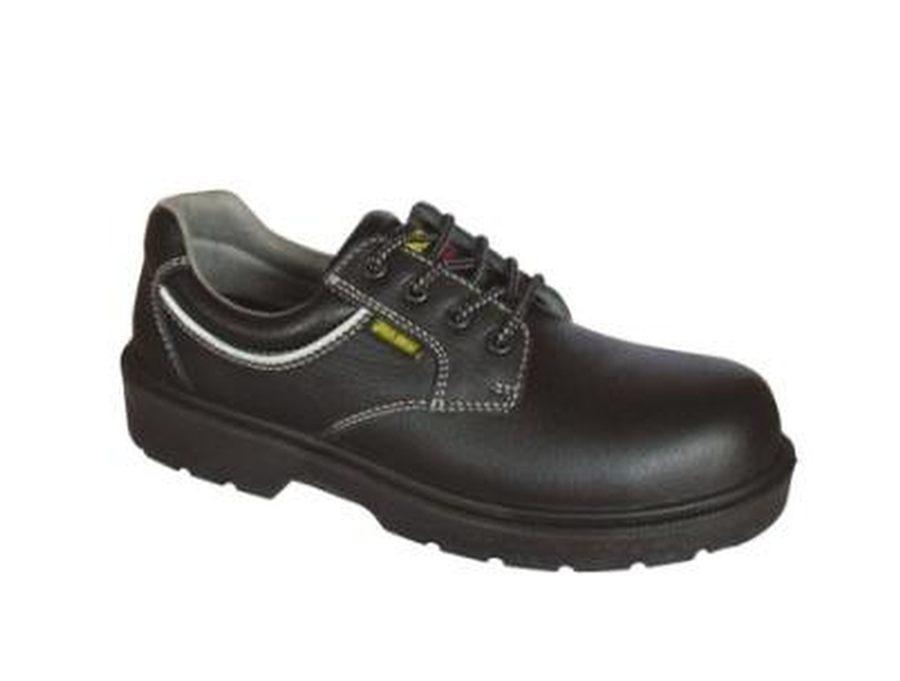
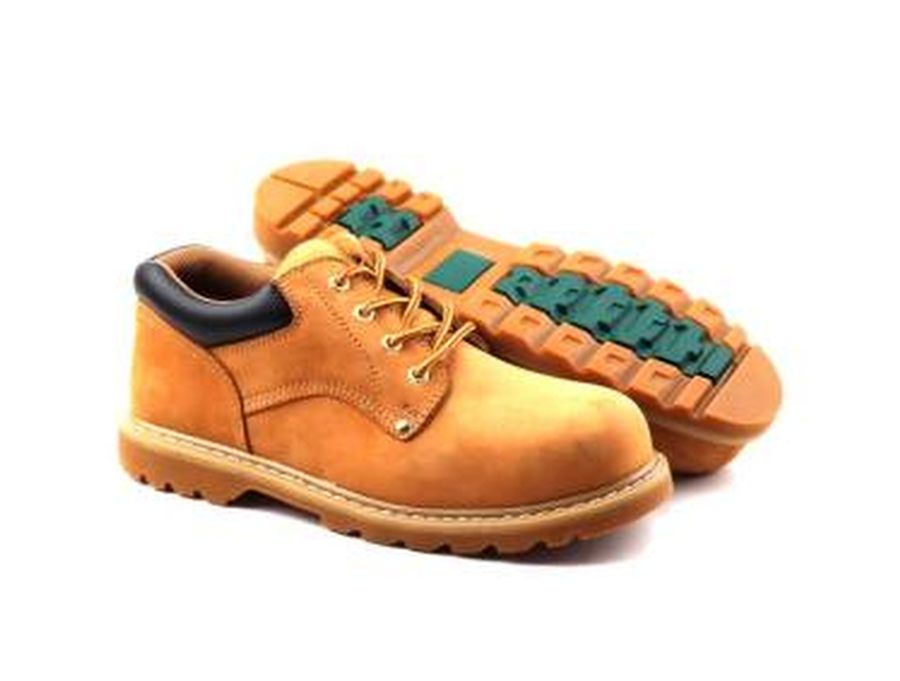
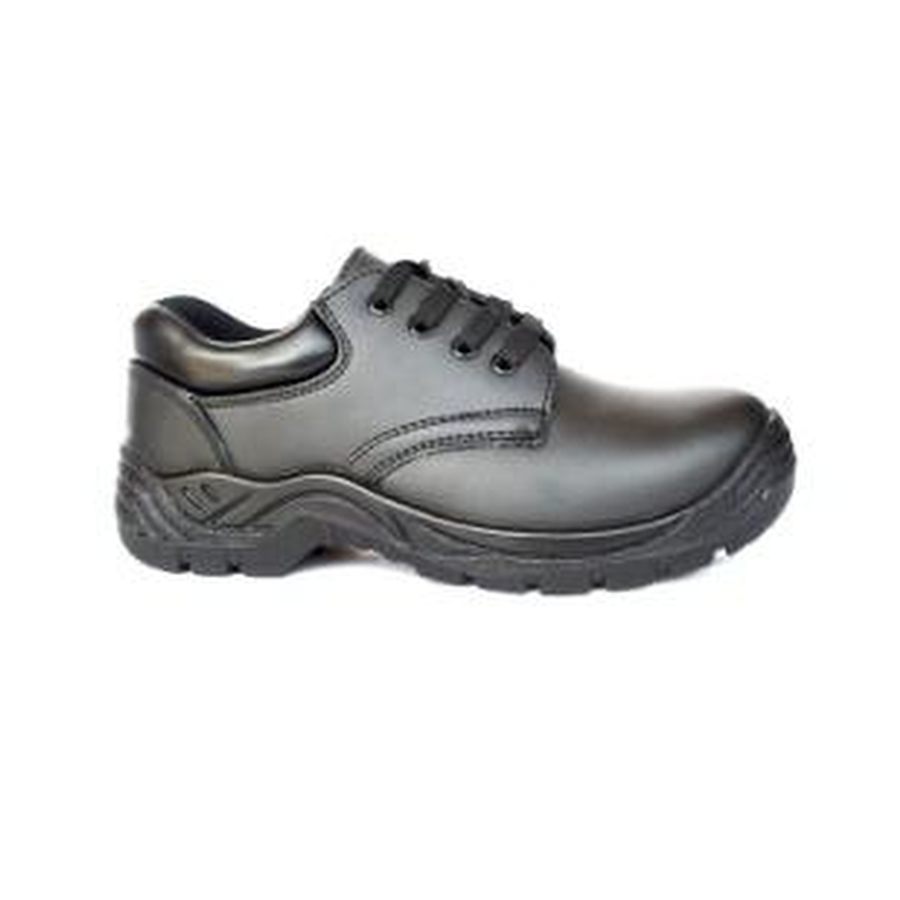
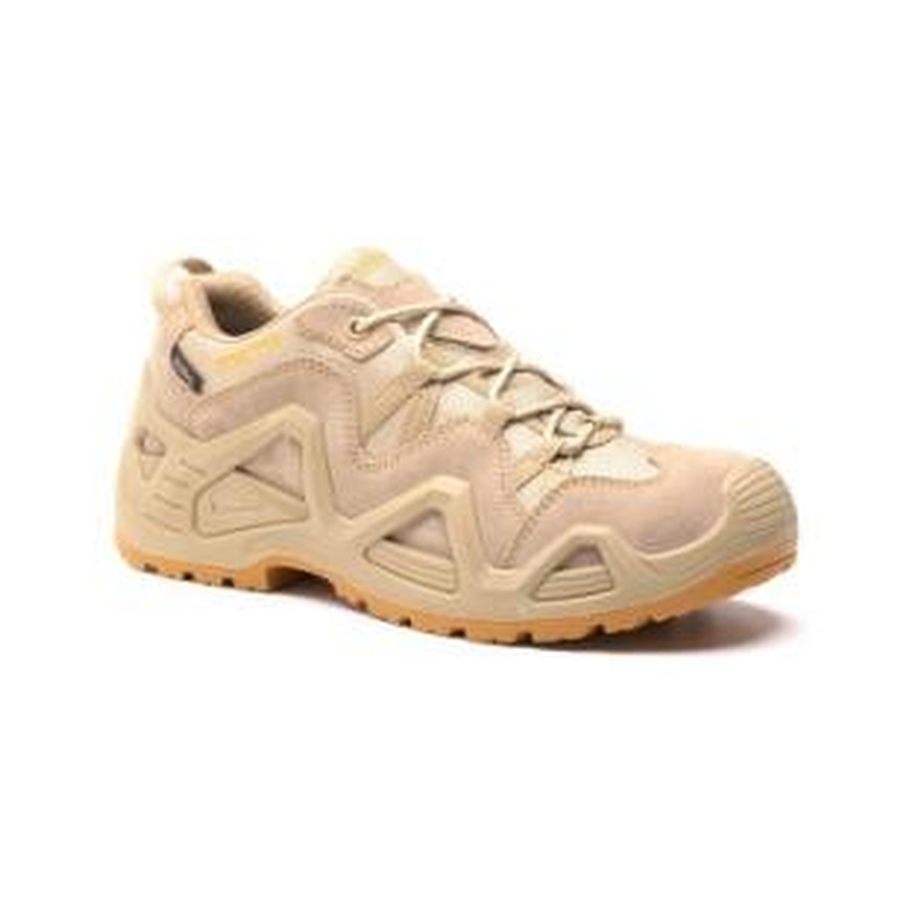
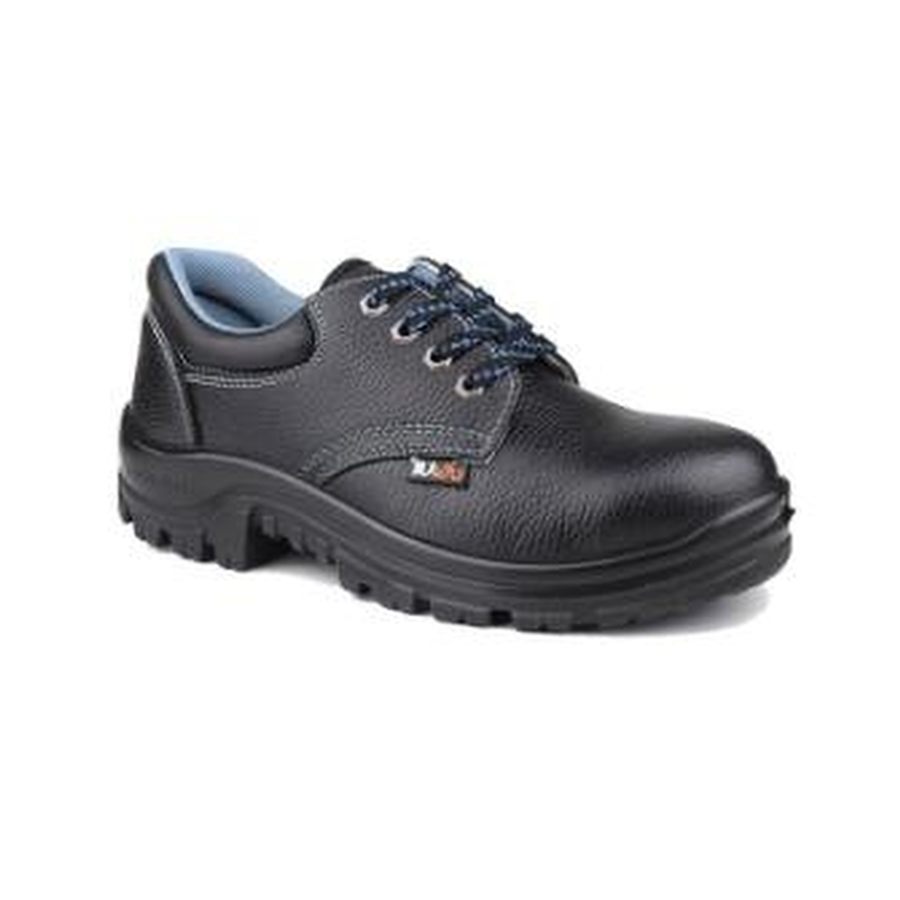
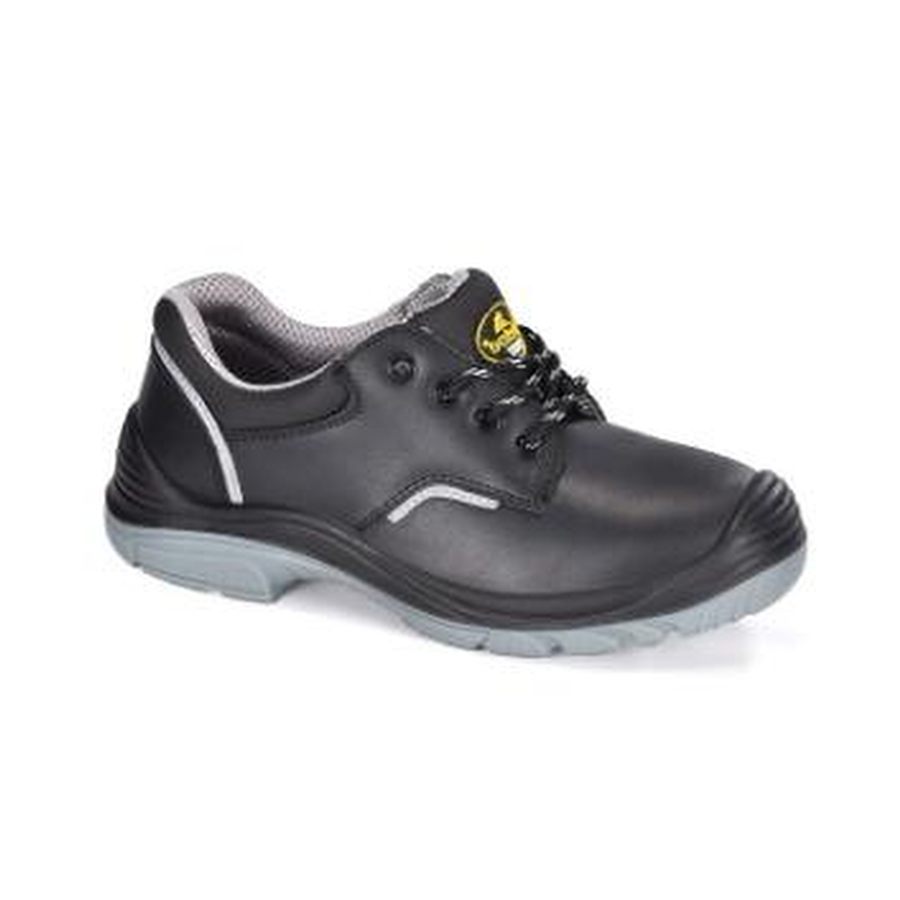
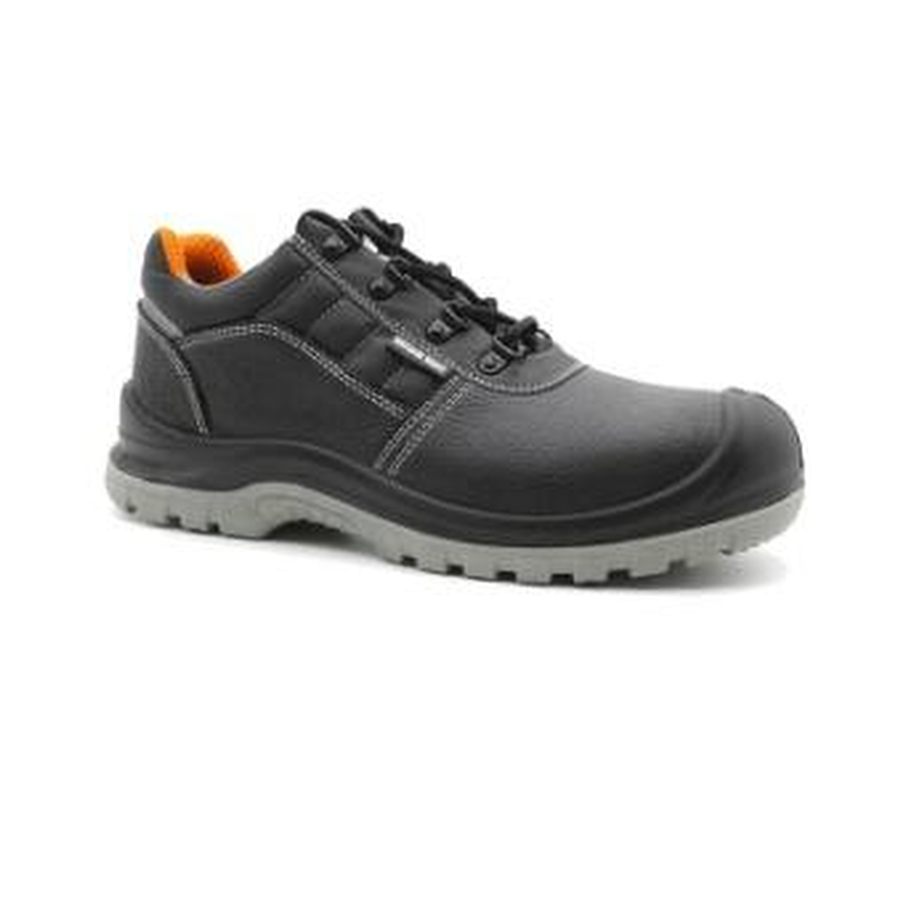
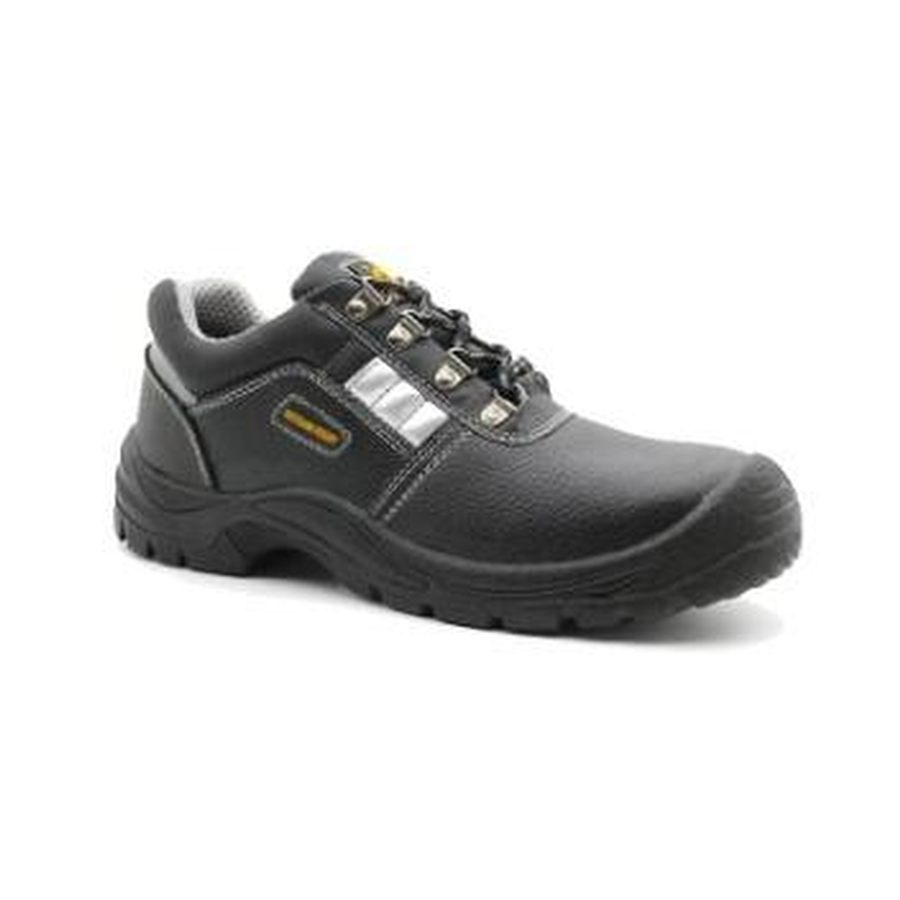
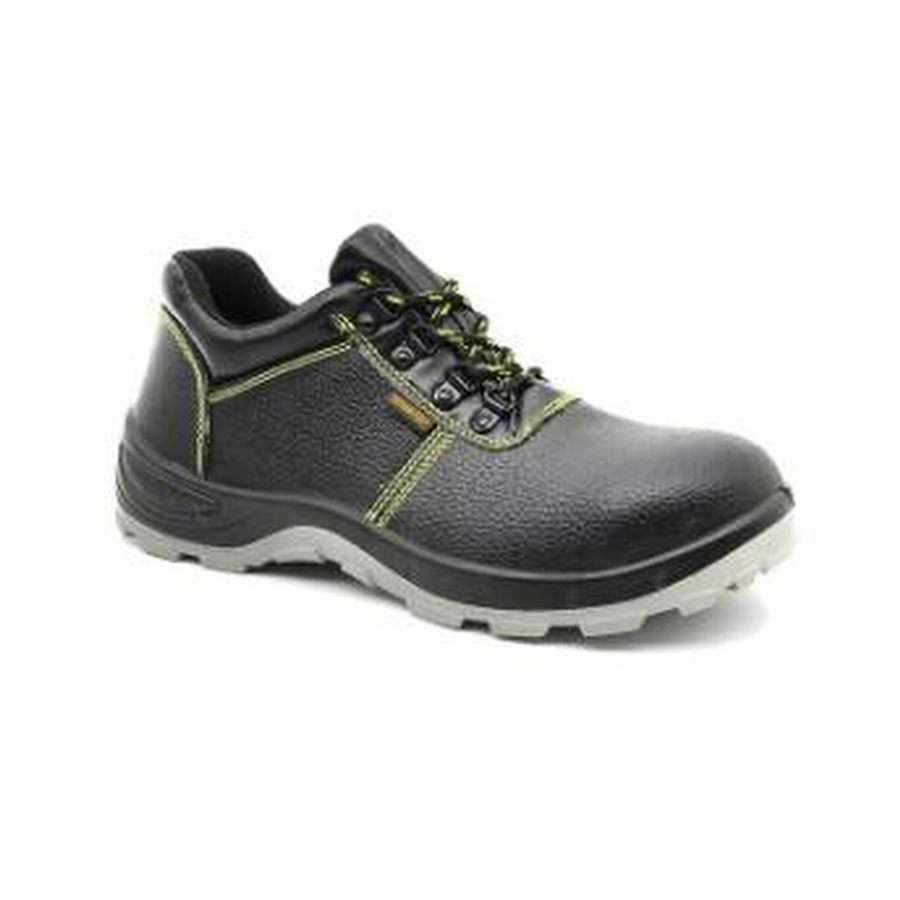
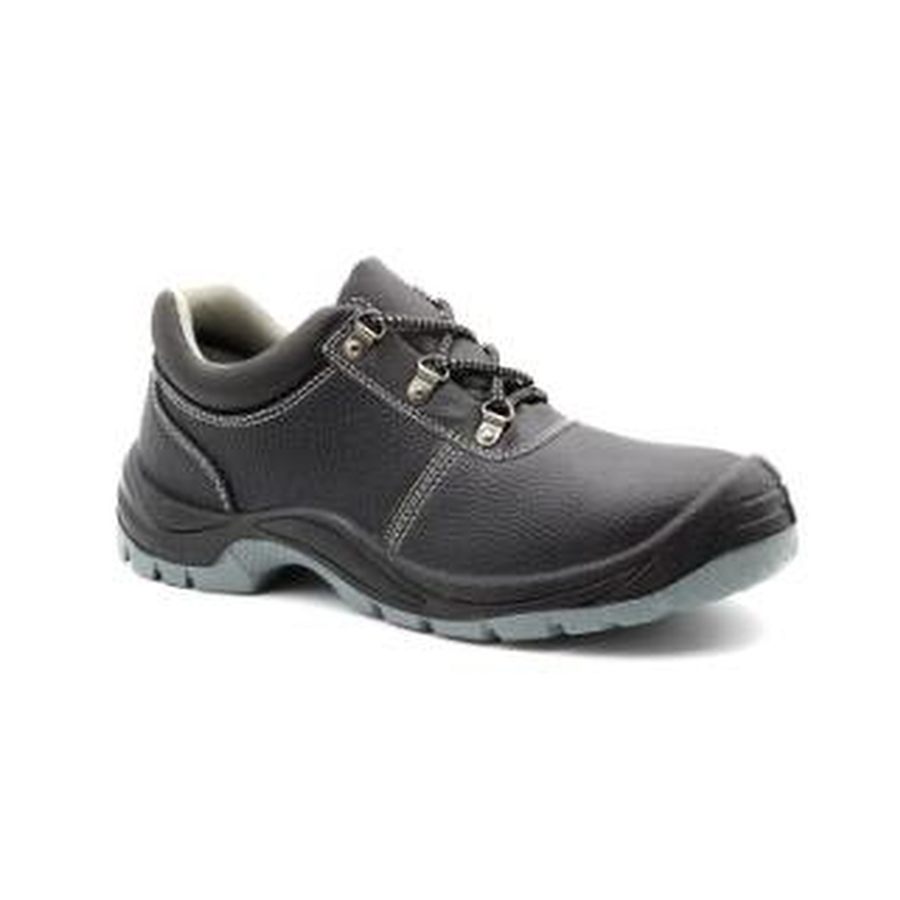
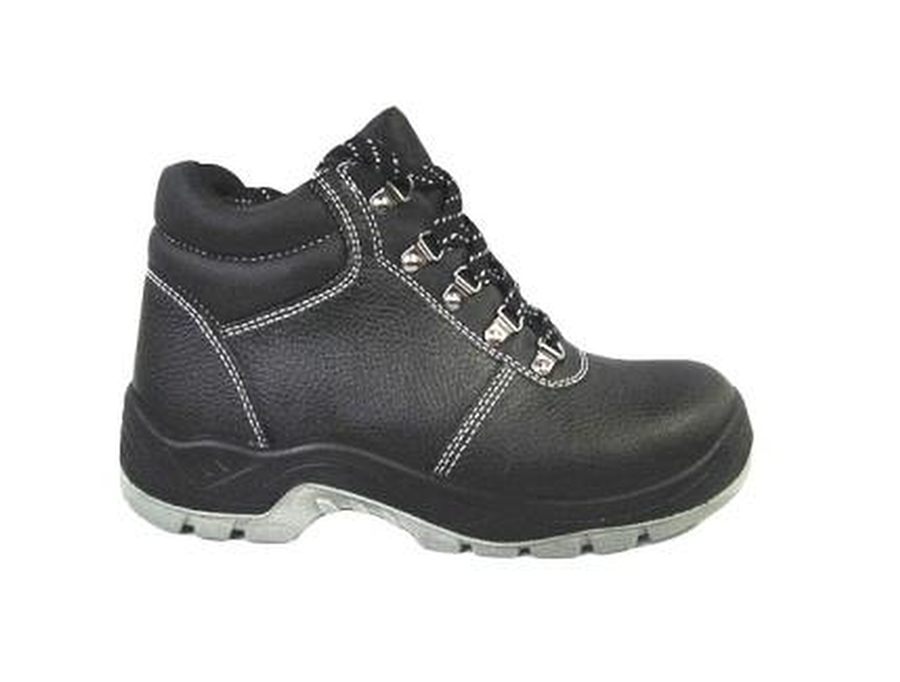
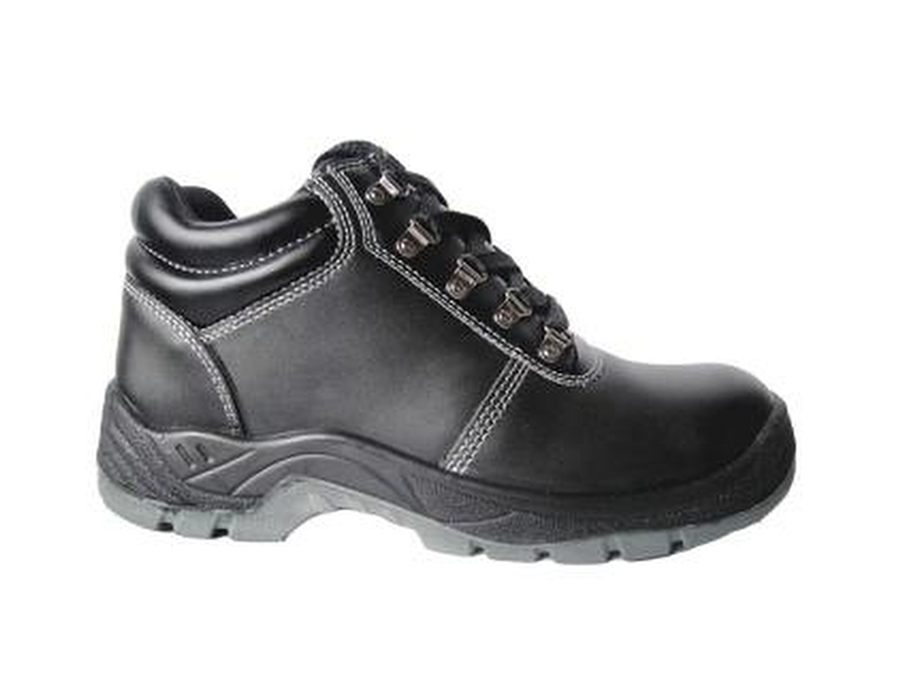
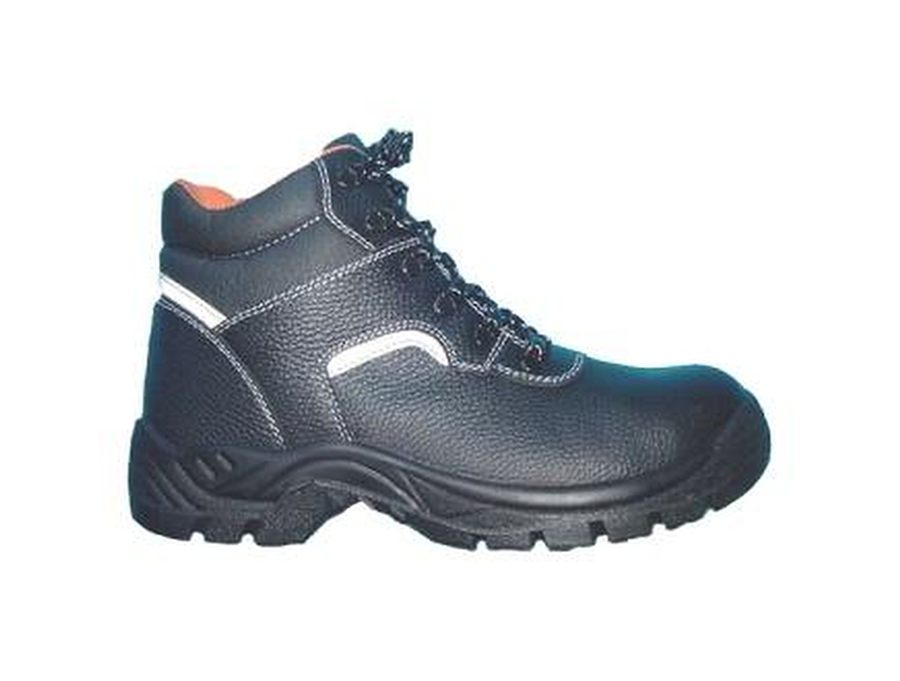
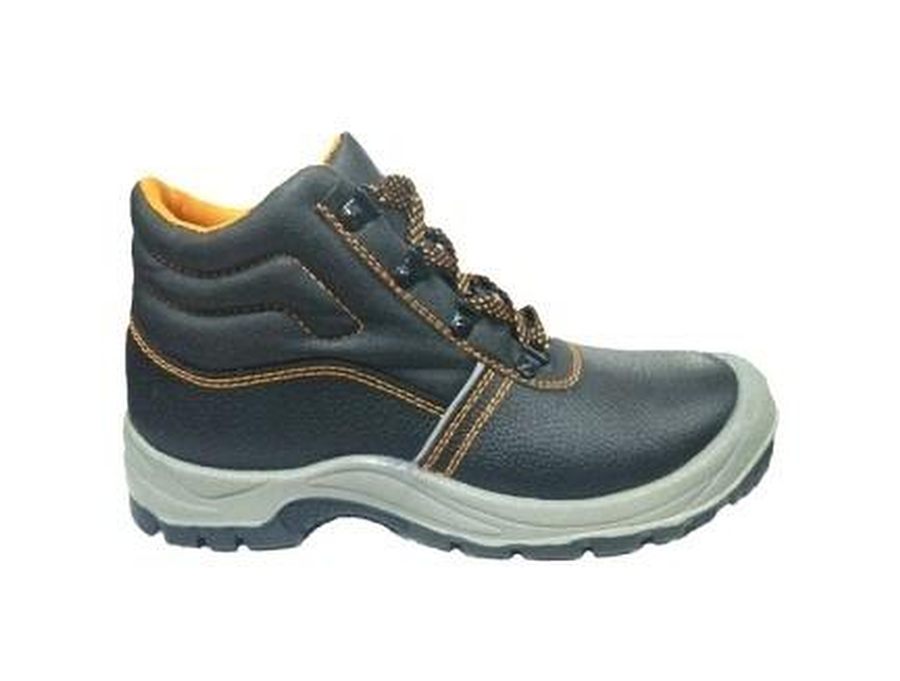
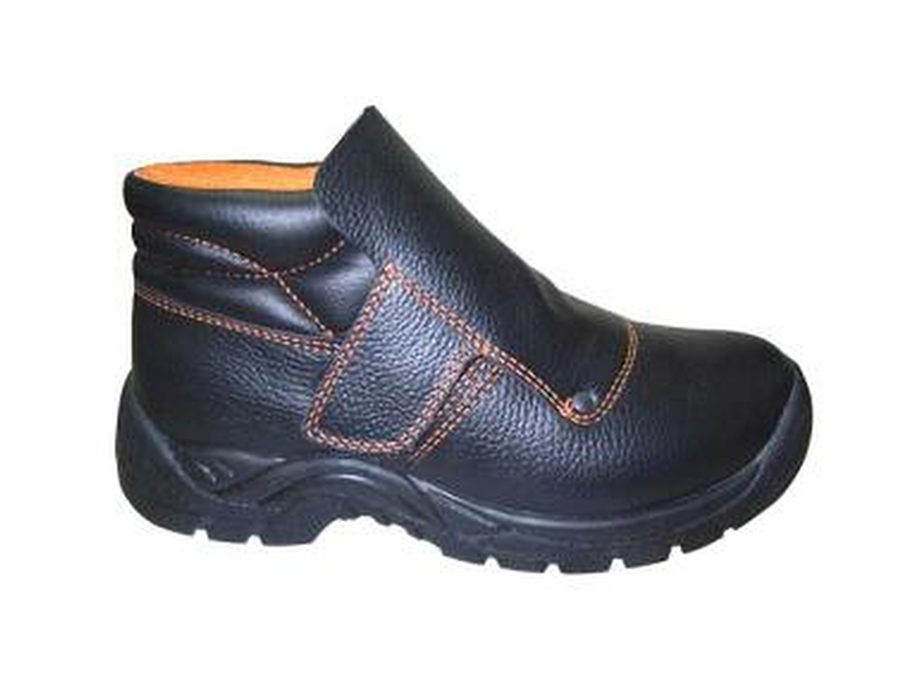
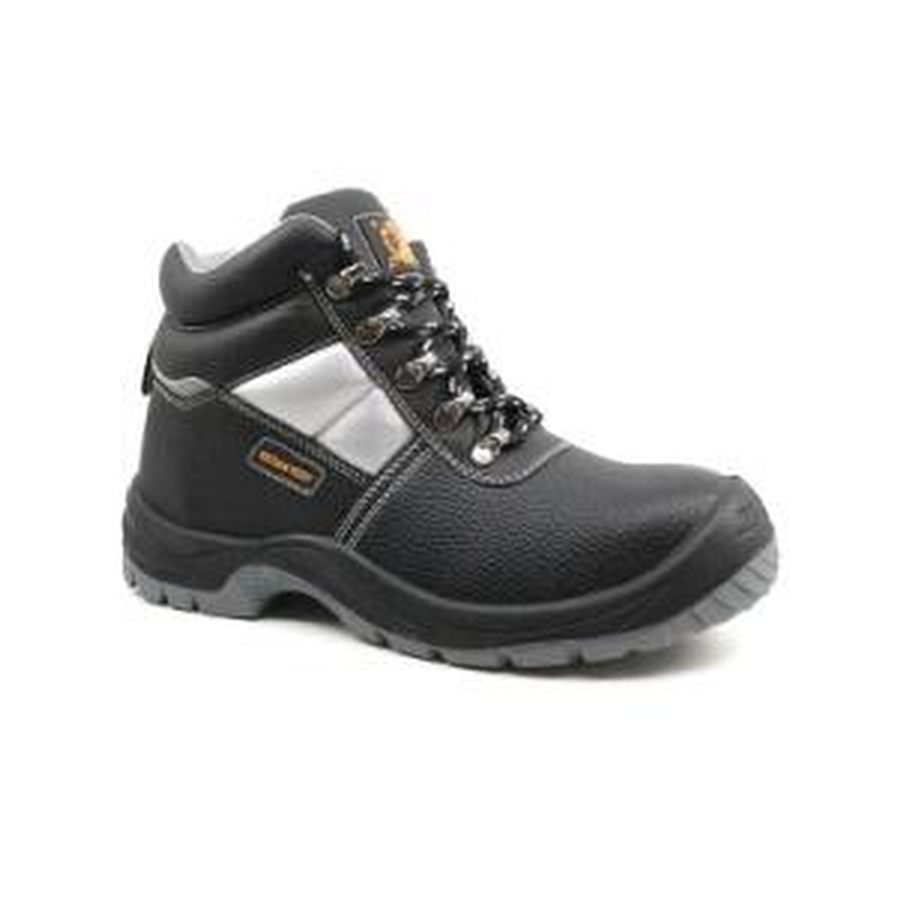
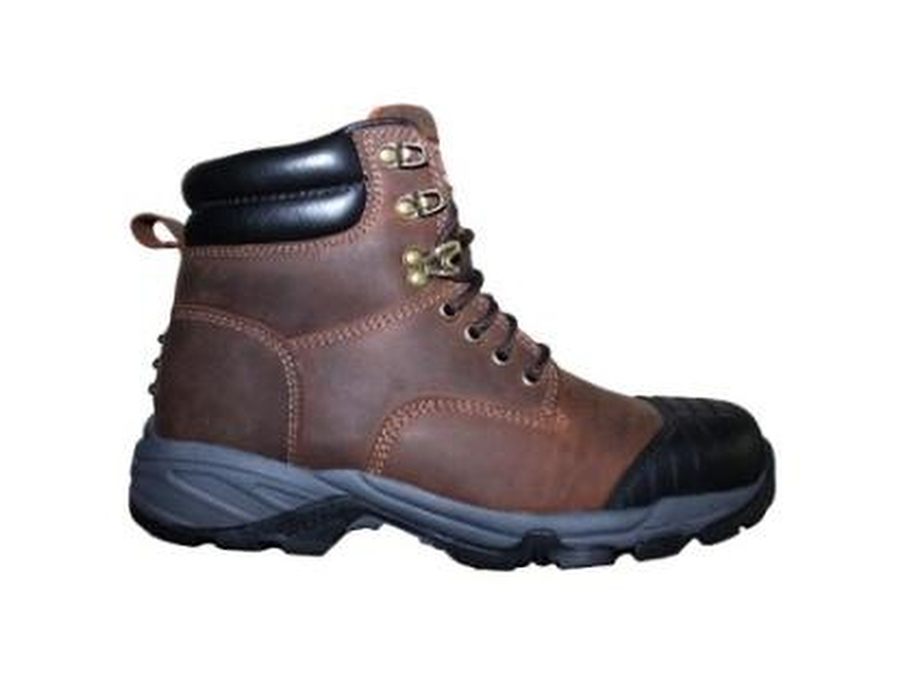
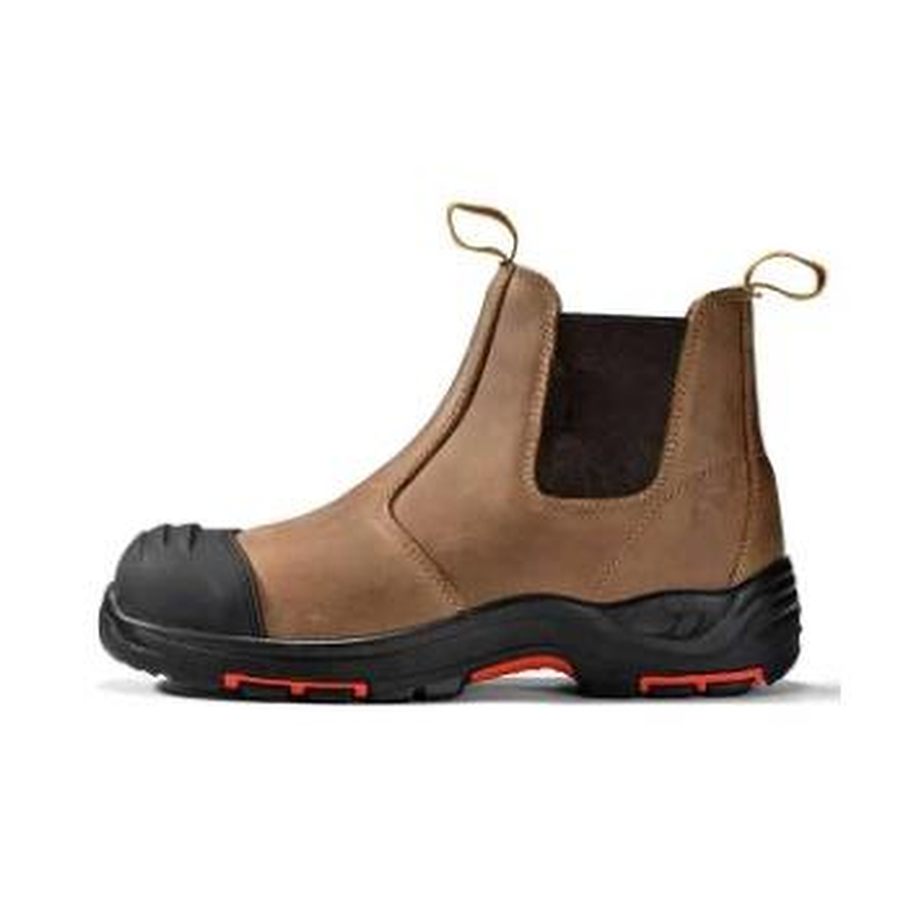
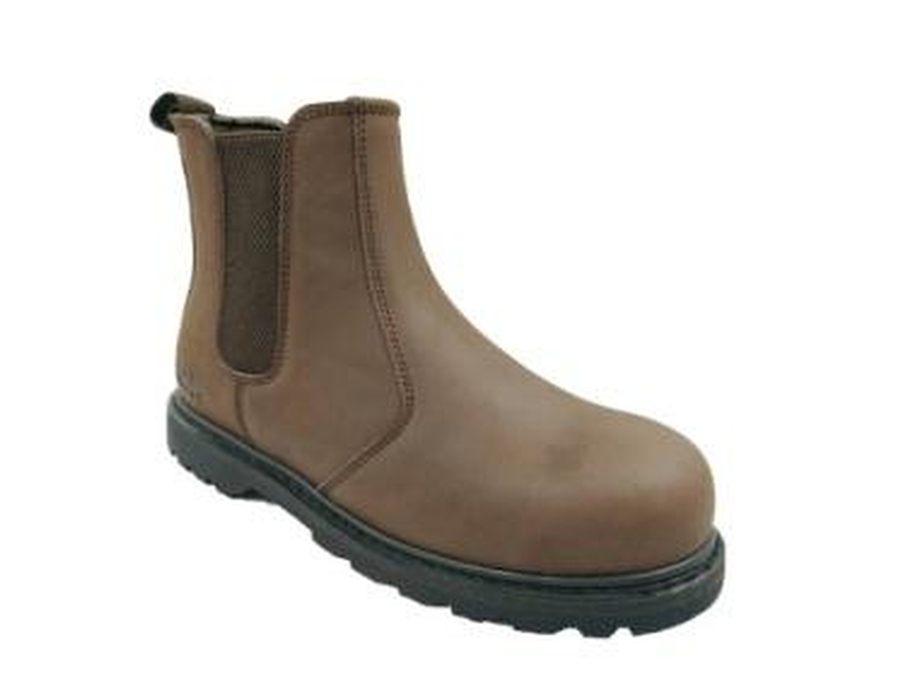
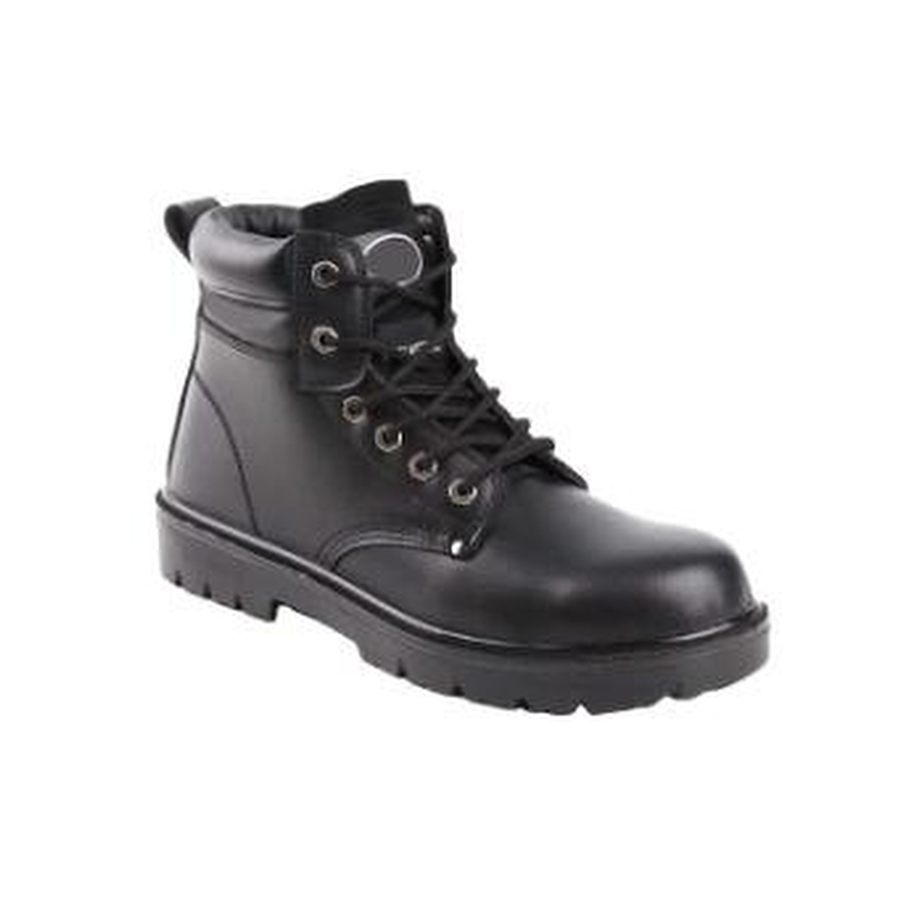
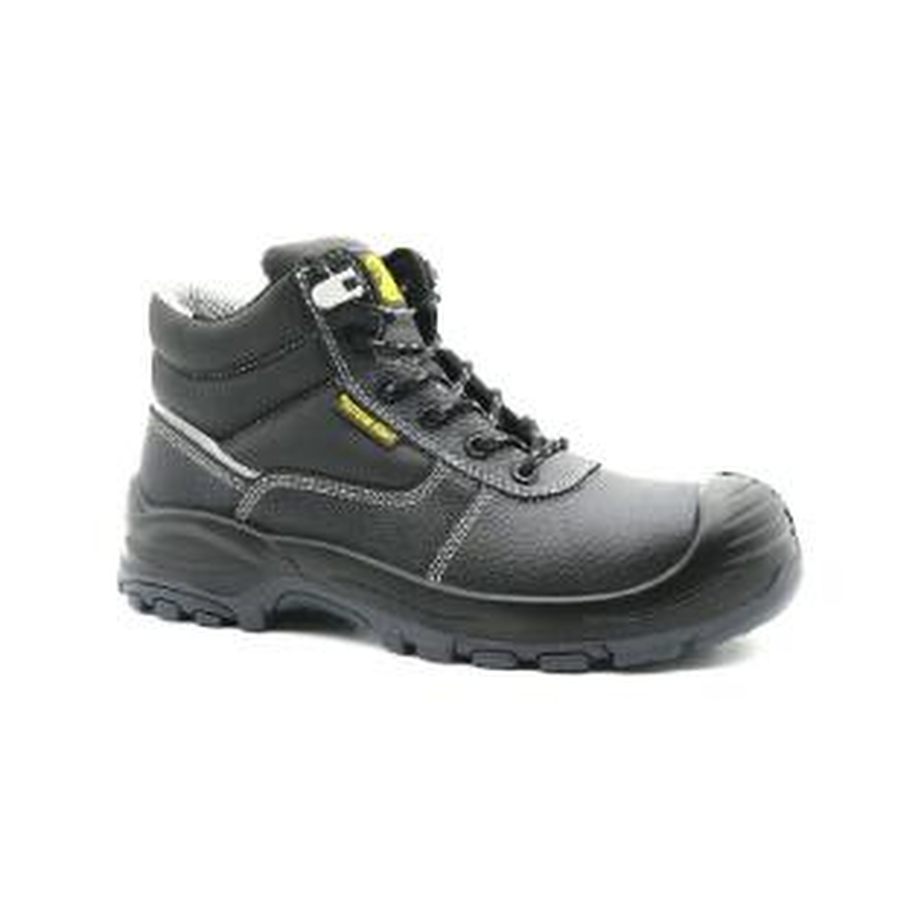
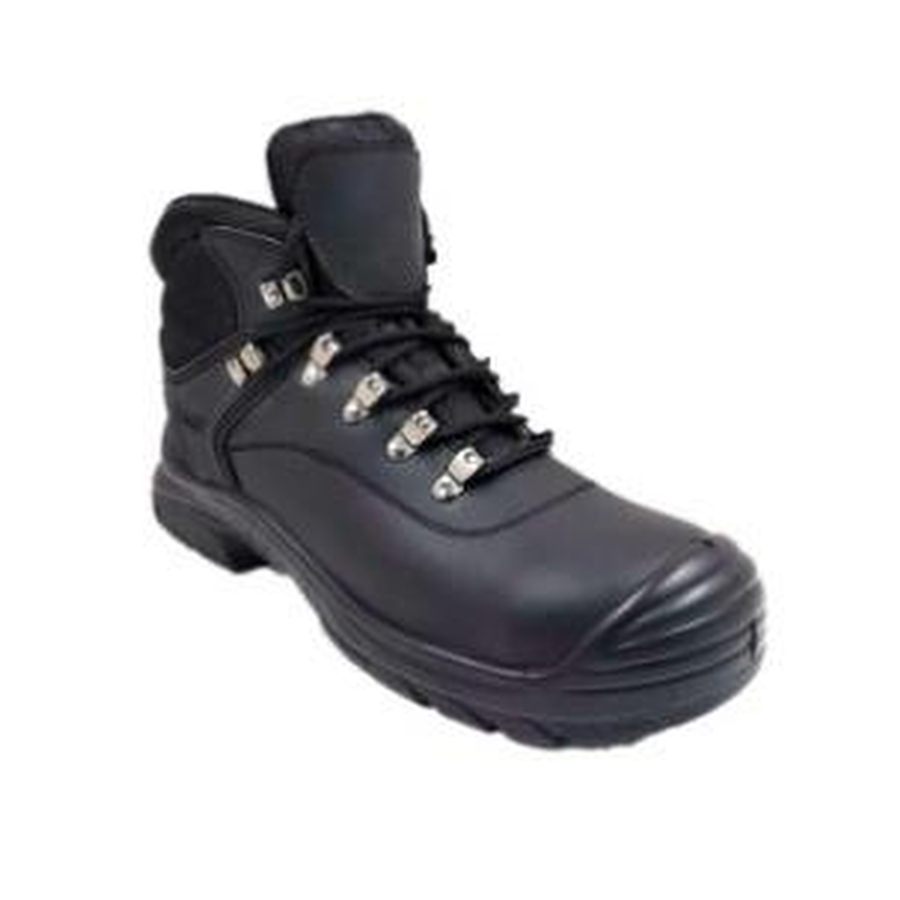
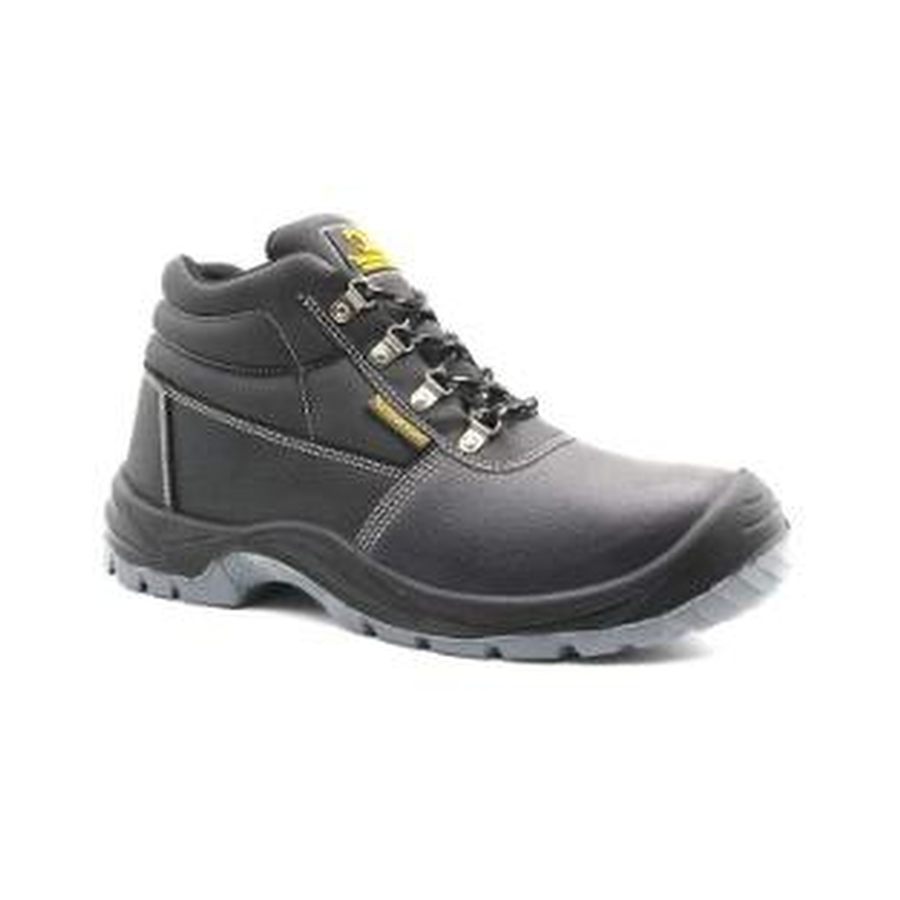
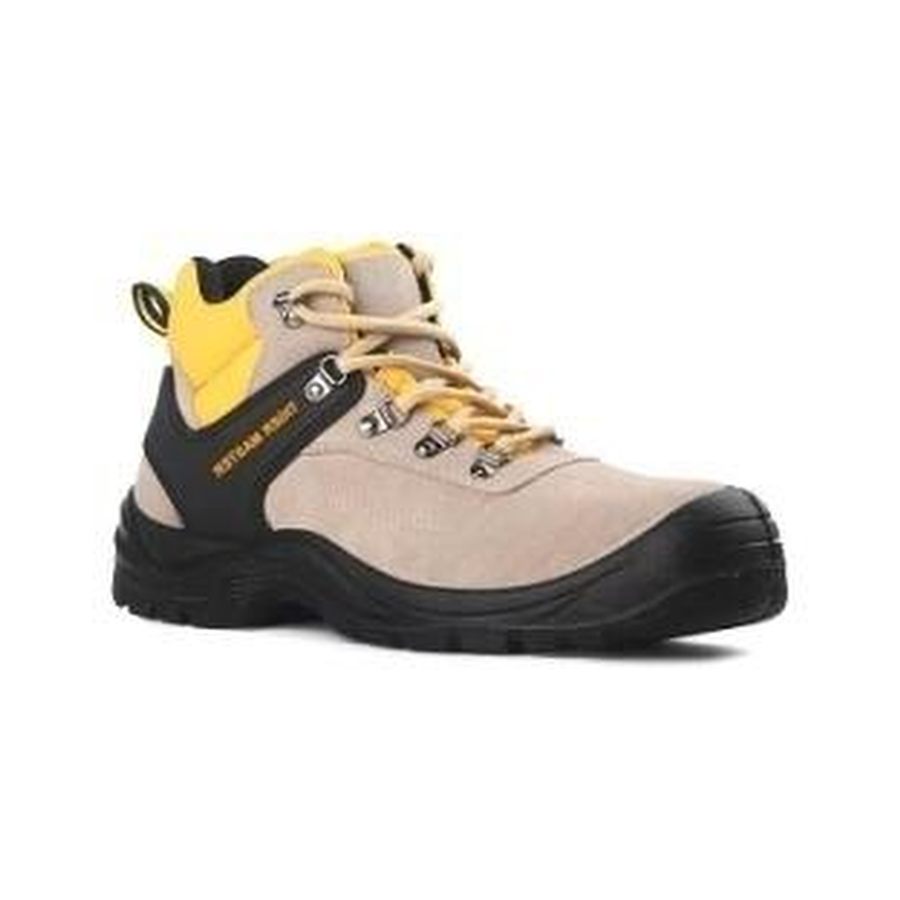
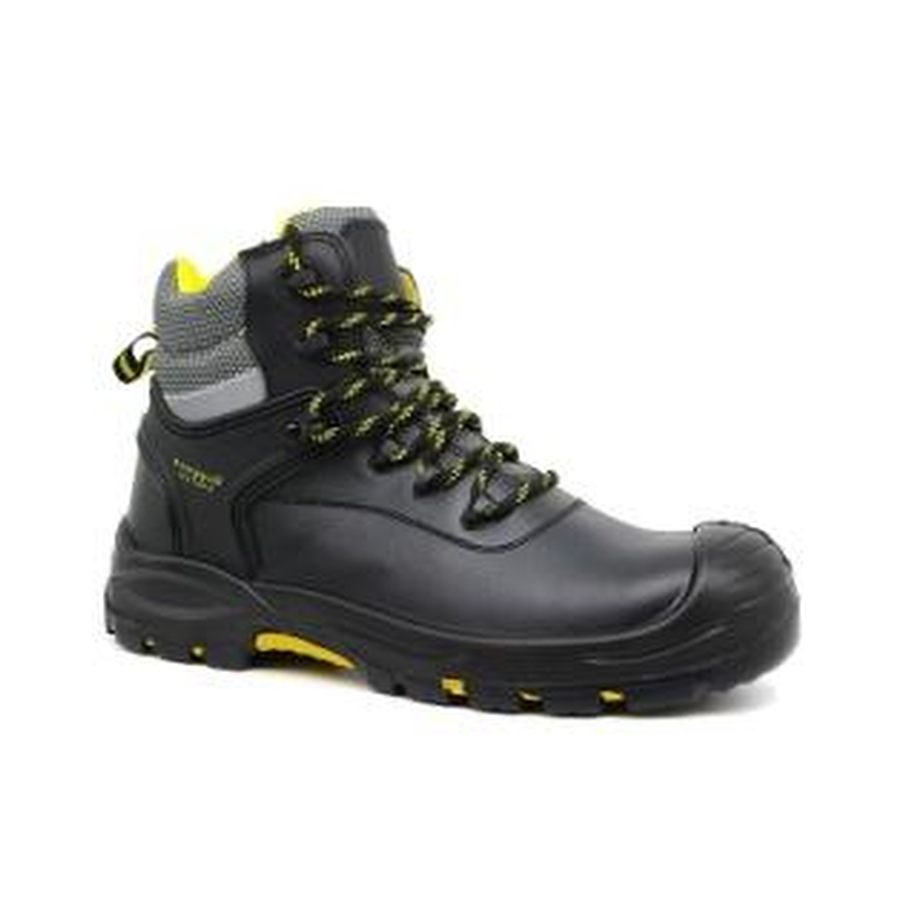
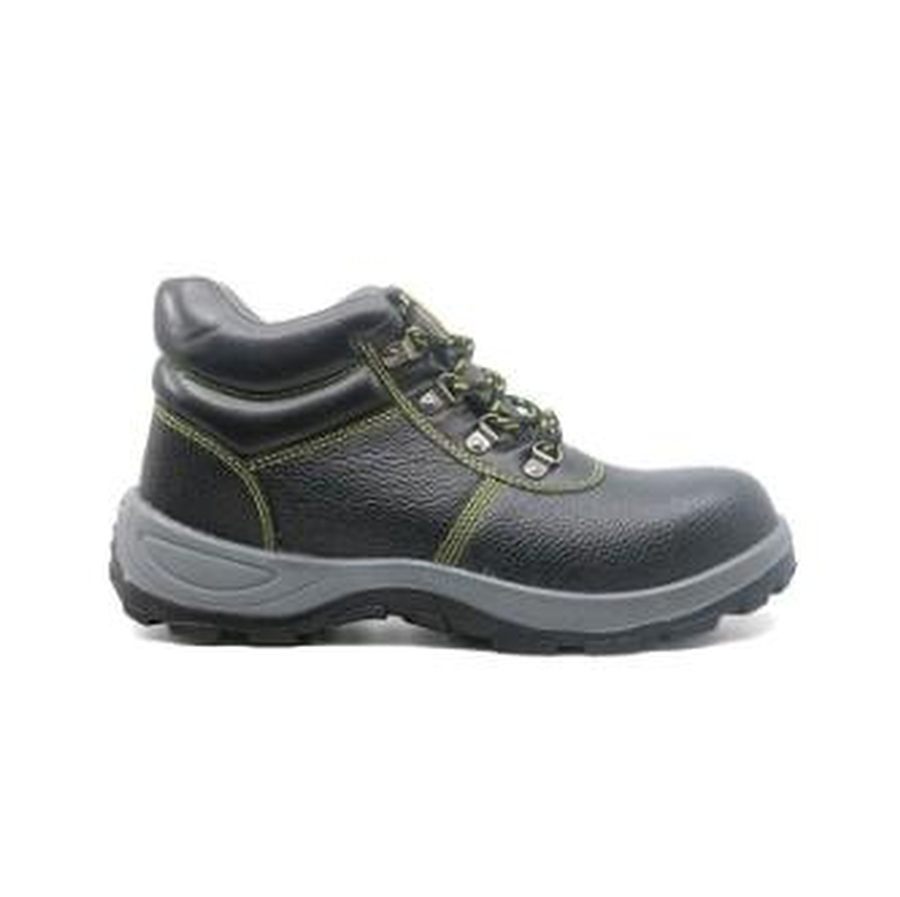
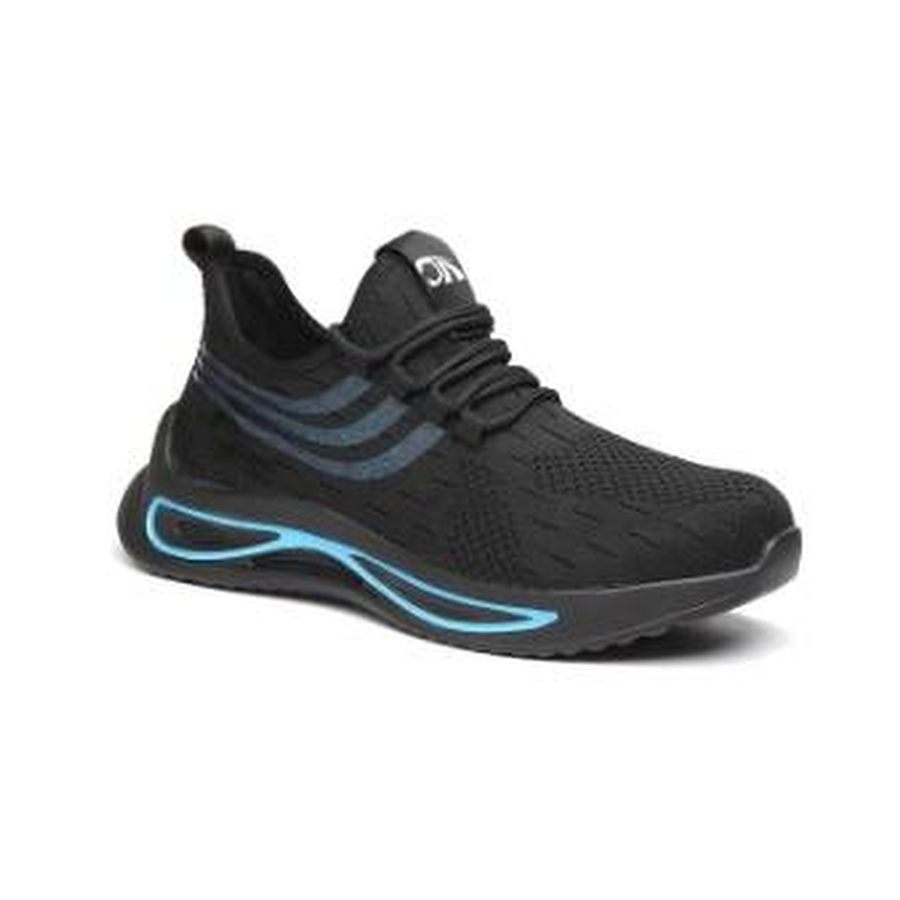
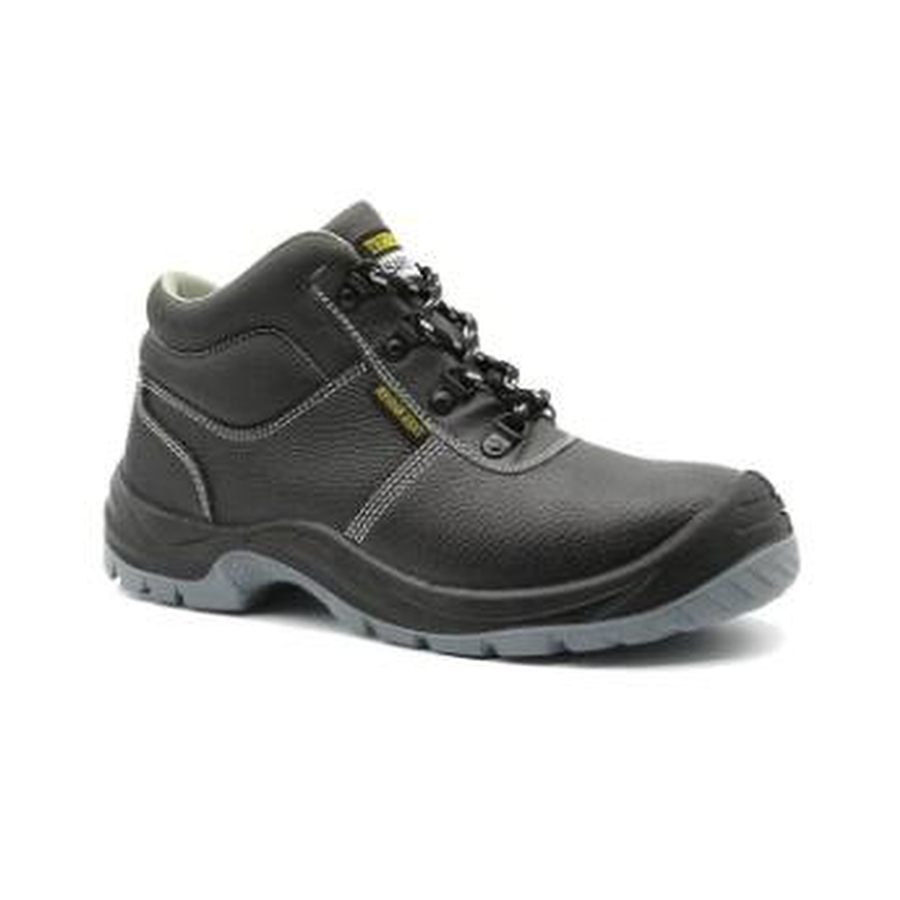
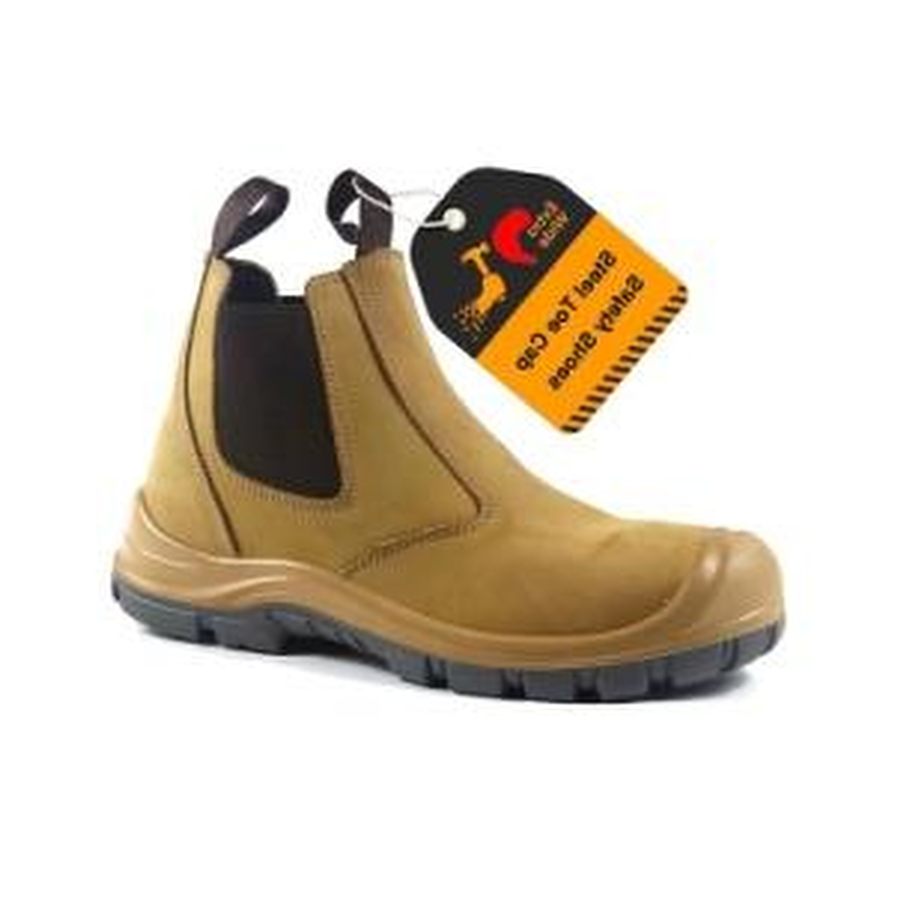
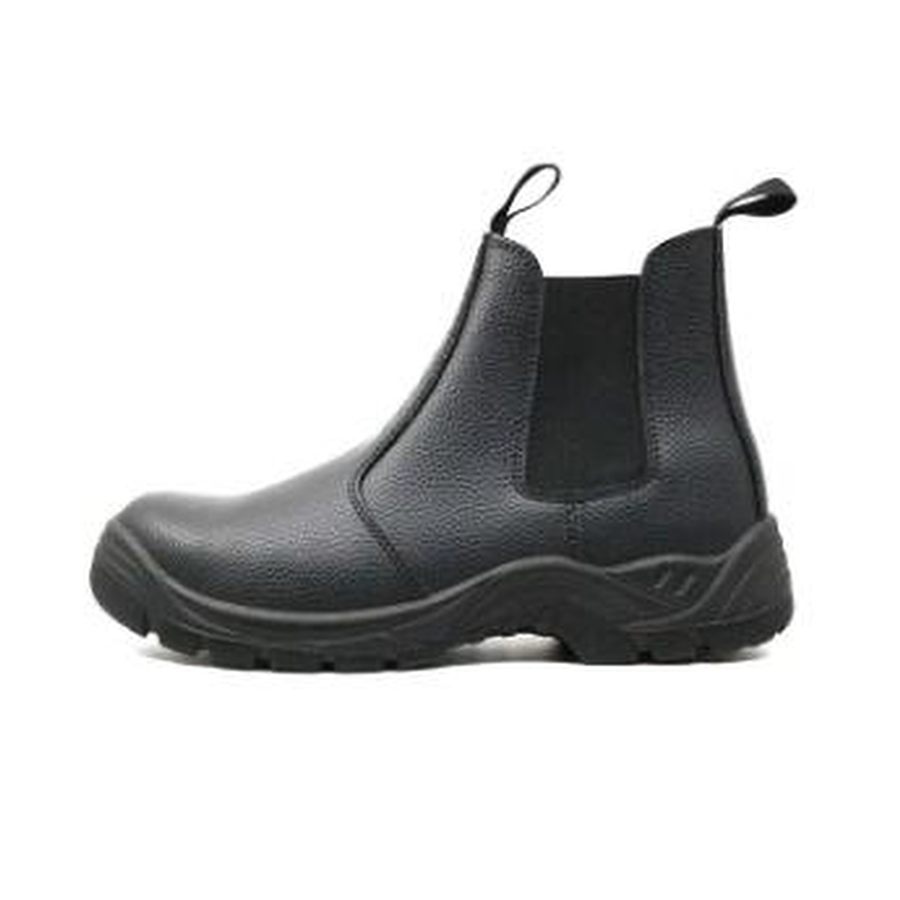
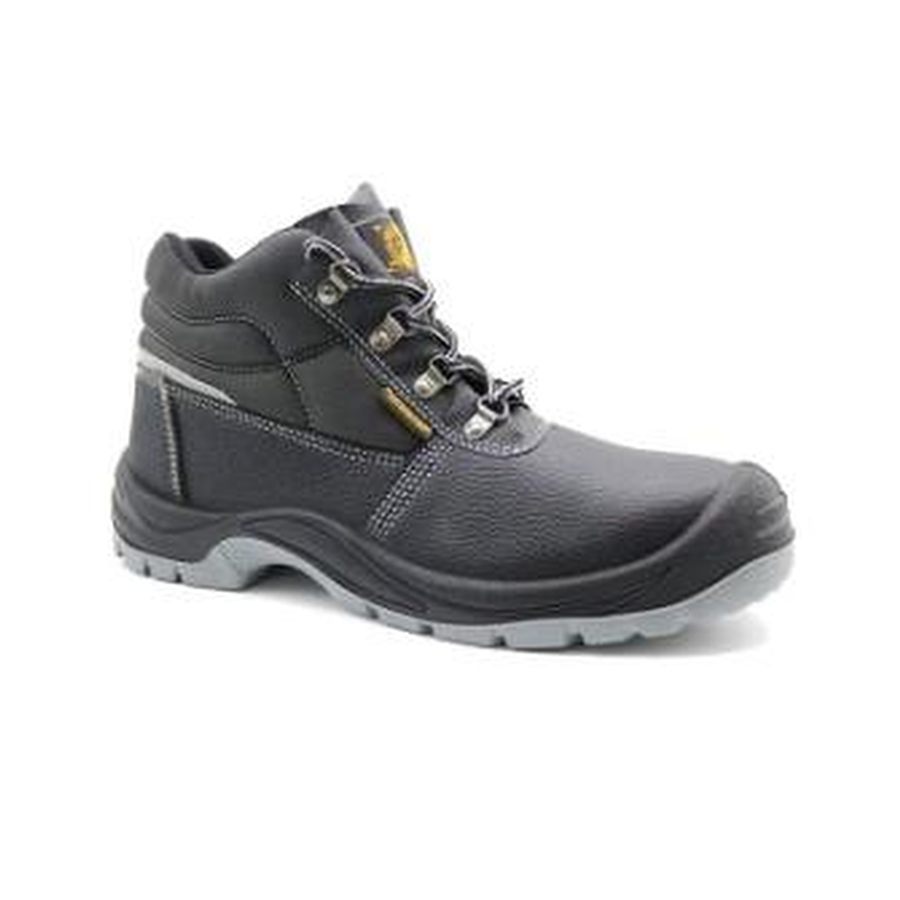
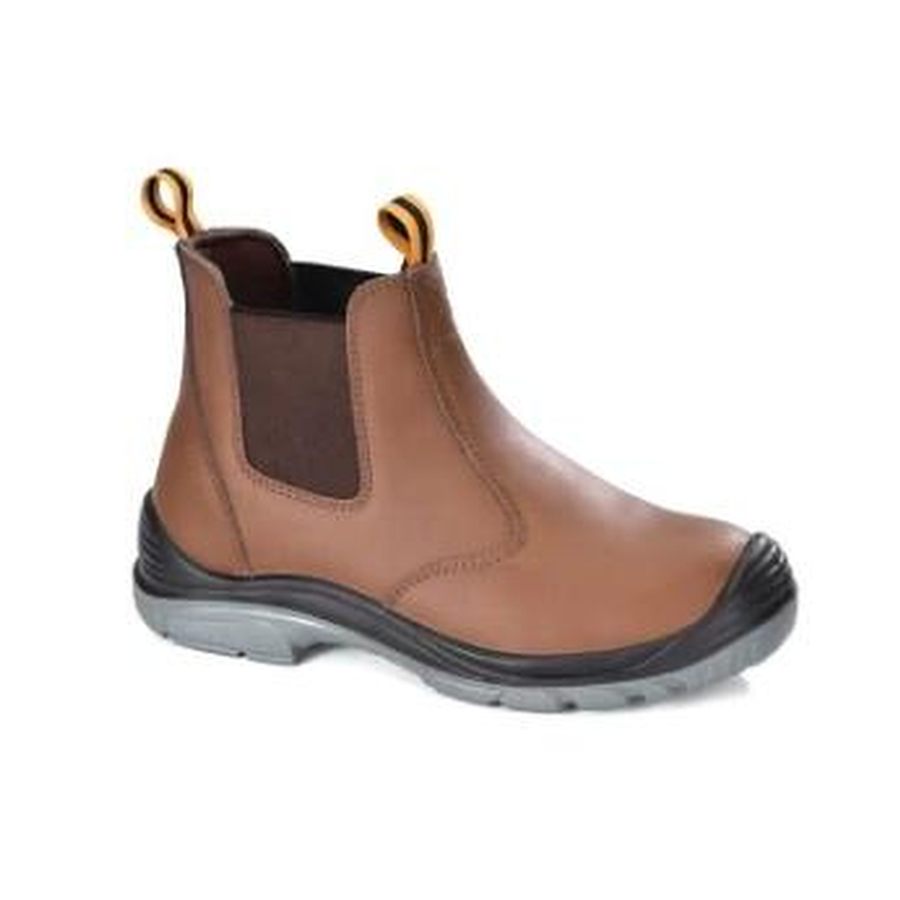
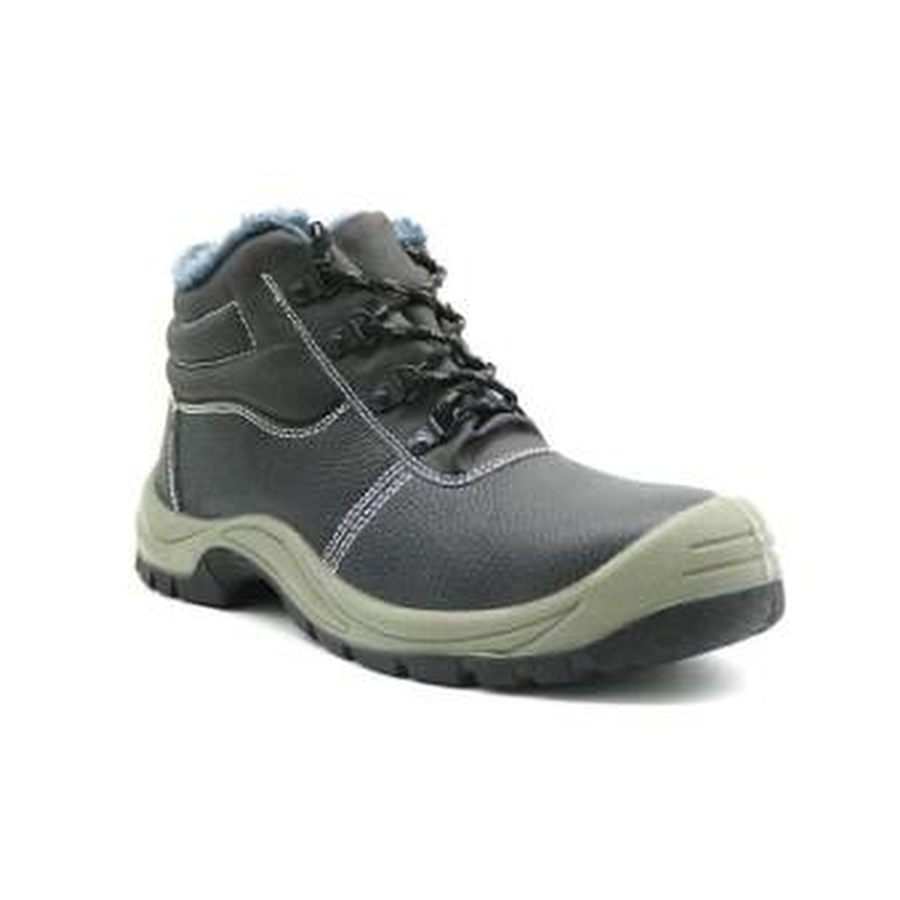
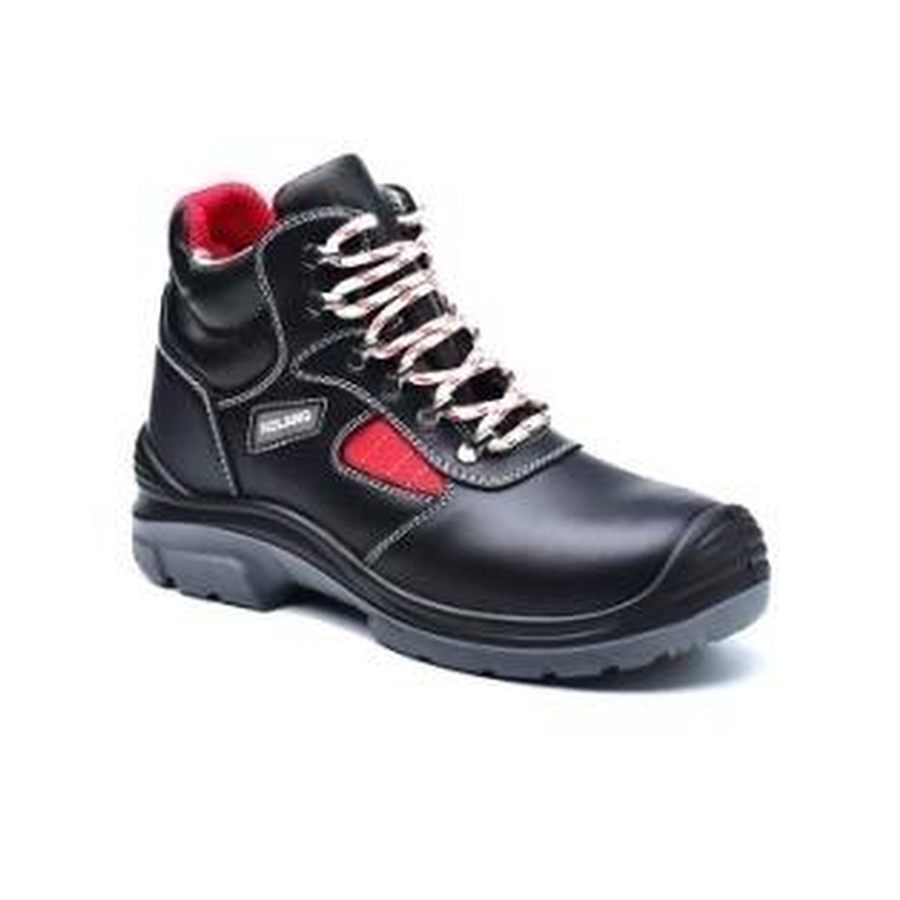
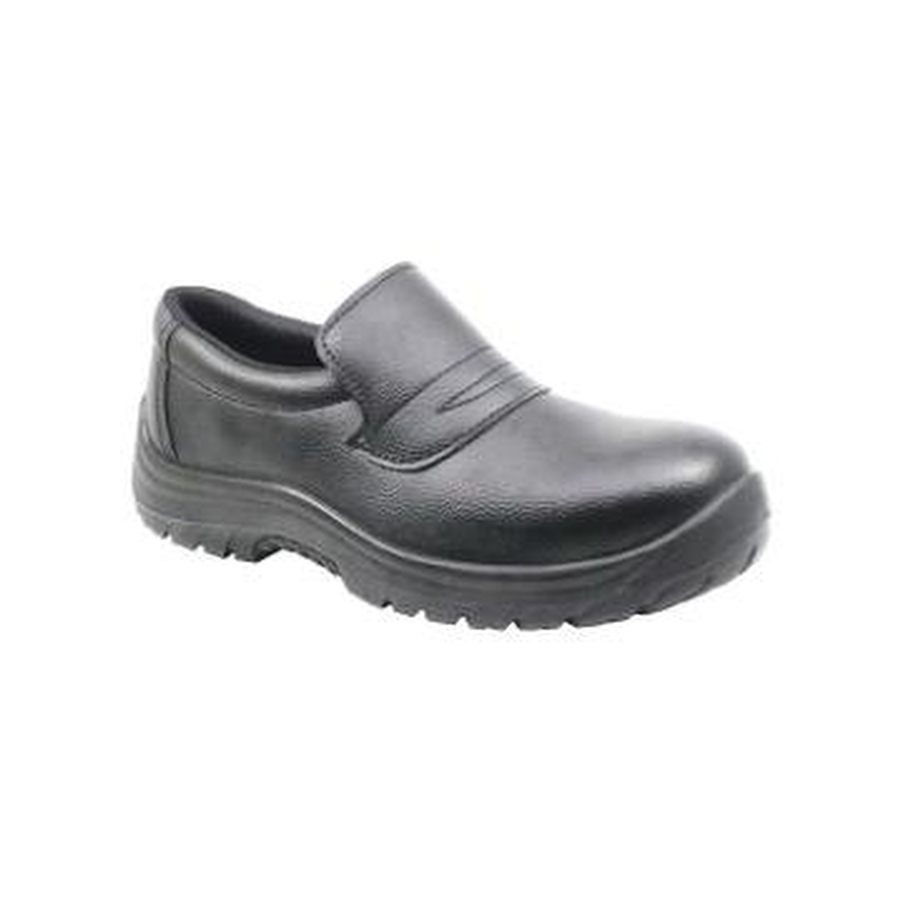
Sets the minimum performance bar for safety toe caps and add-on protections like electrical hazard and puncture resistance.


| Feature | Notes |
|---|---|
| Steel Toe | Traditional toe cap, meets I/75 C/75 impact and compression rating. |
| Composite Toe | Lighter, non-conductive: kevlar, carbon fibre, or fibreglass; same protection tier as steel. |
| EH (Electrical Hazard) | Sole and heel insulate up to 18,000 V AC under dry conditions; protection drops sharply if wet or contaminated. |
website
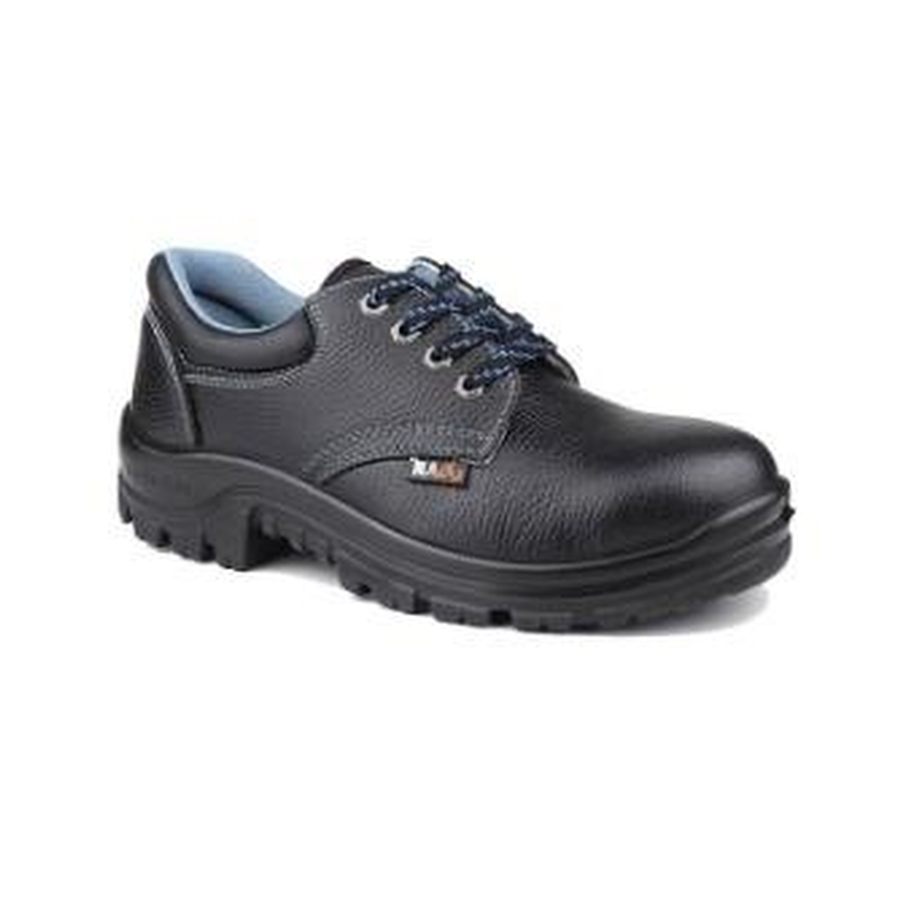
- Warehousing
- Light manufacturing
- Retail and facilities work
website
- Construction sites
- Mining and quarrying
- Electrical and utility work
- Heavy industrial plants
website
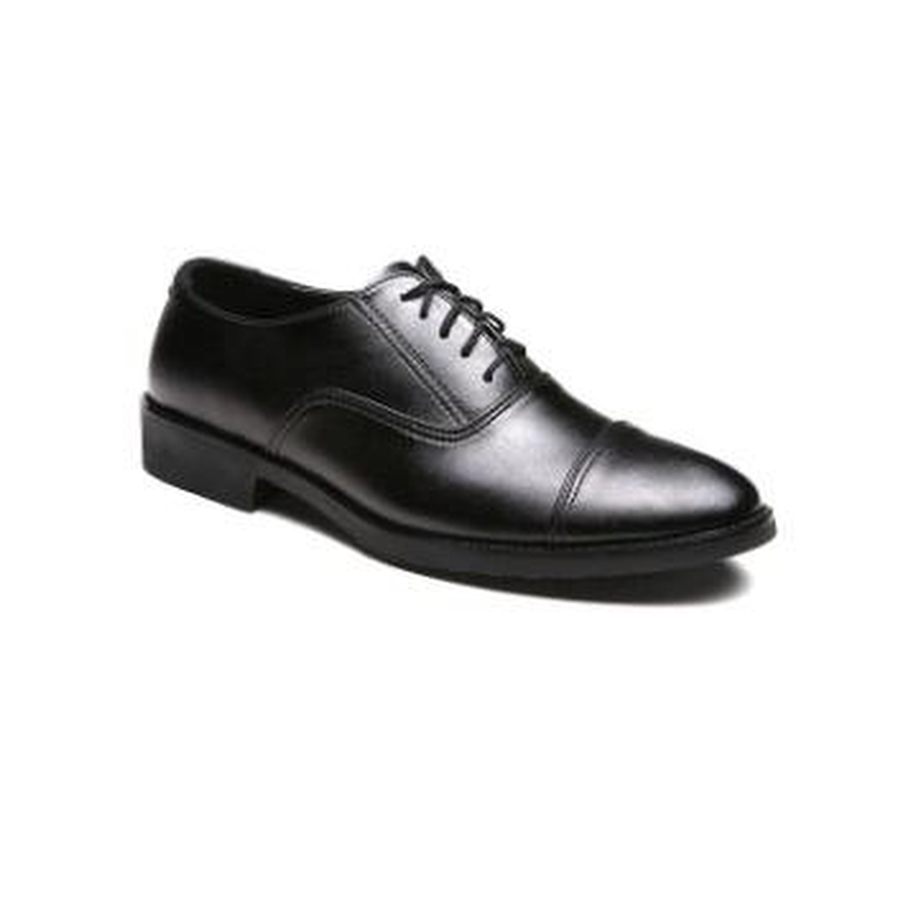
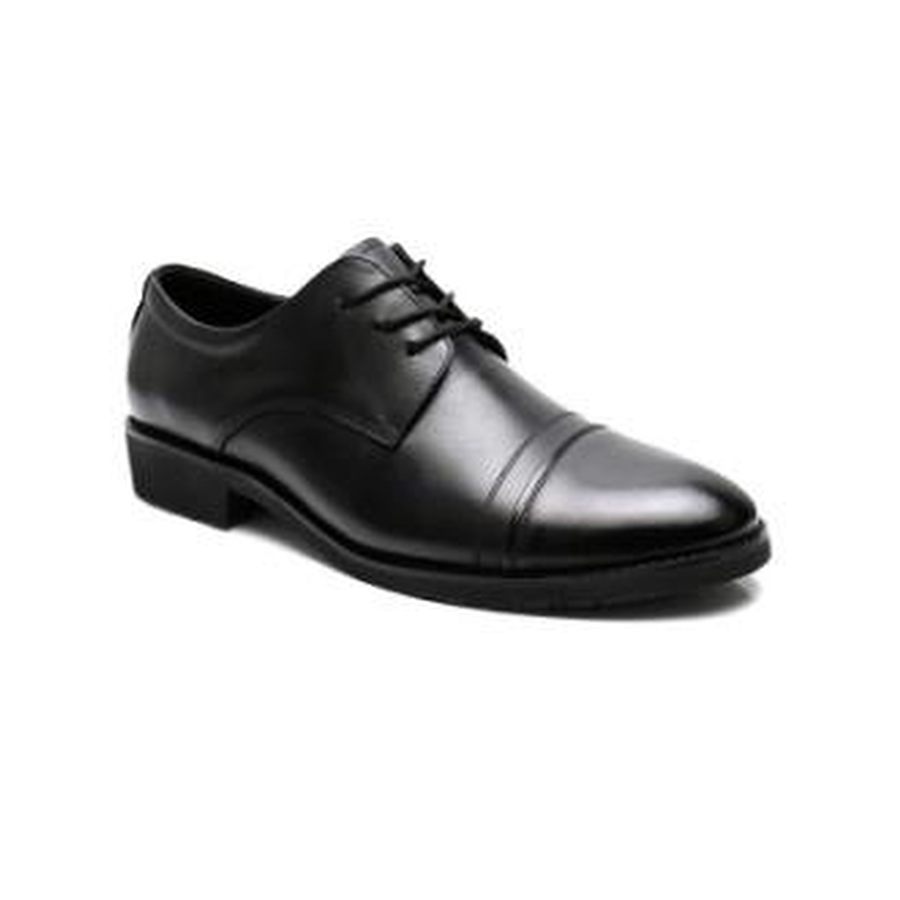
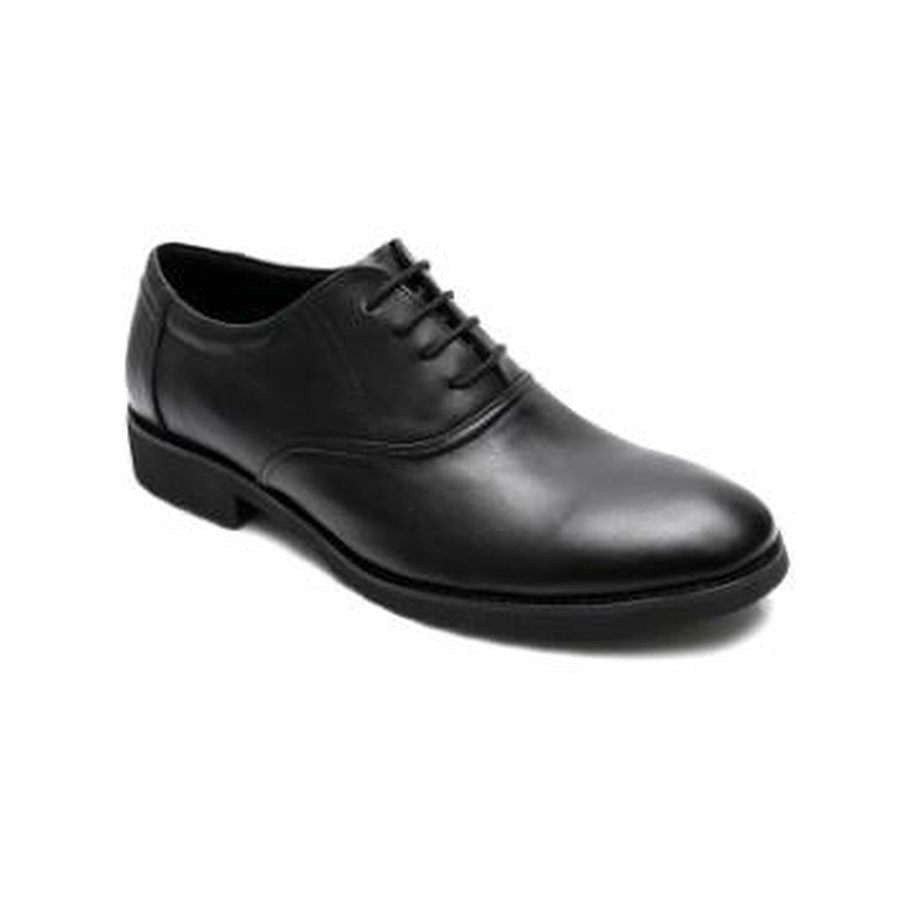
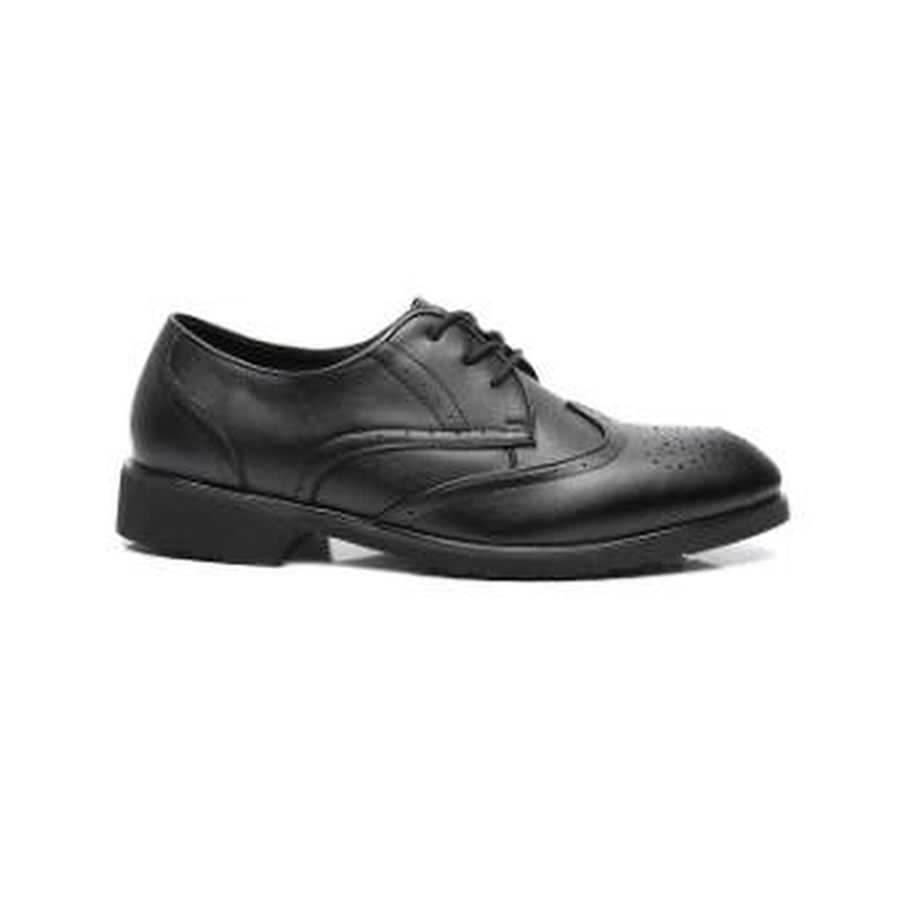
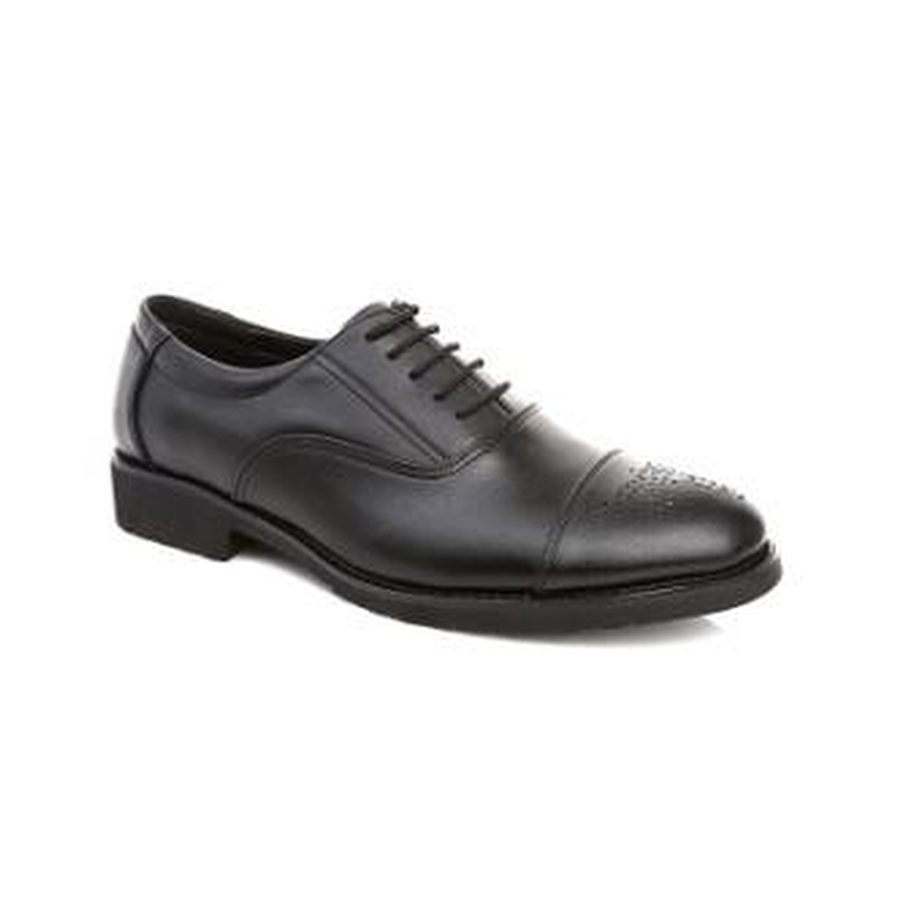
- Site supervisors and managers
- Client and inspection visits
- Office-to-site roles
website
Fall Protection
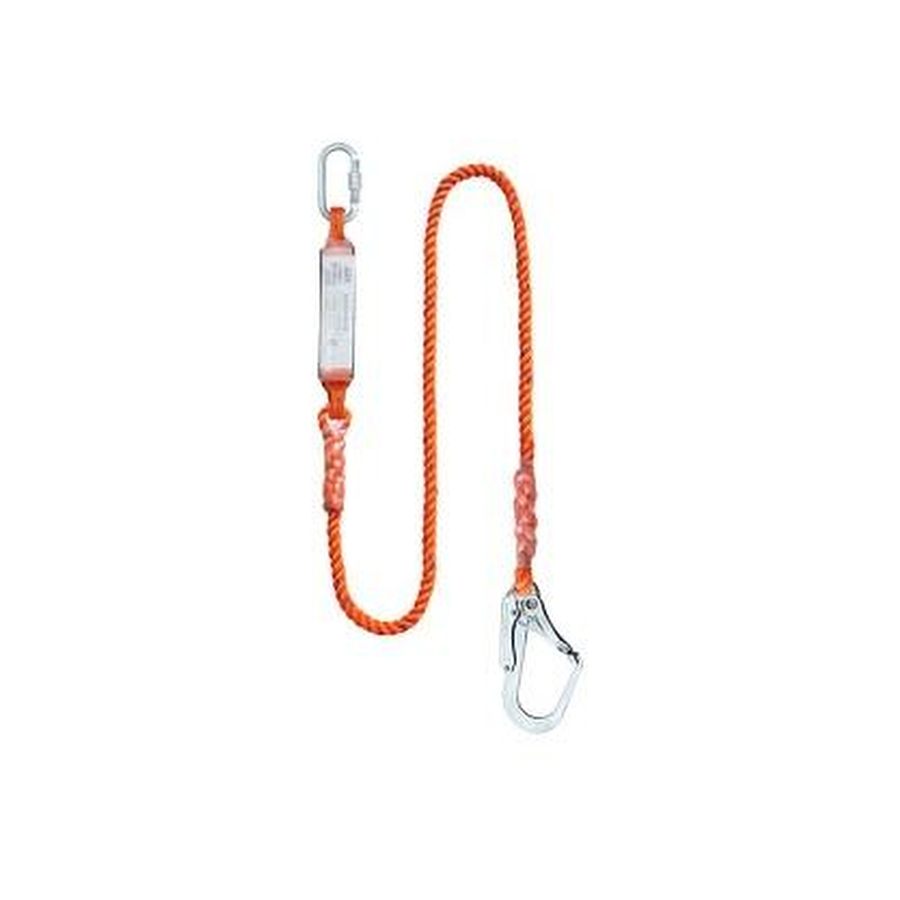
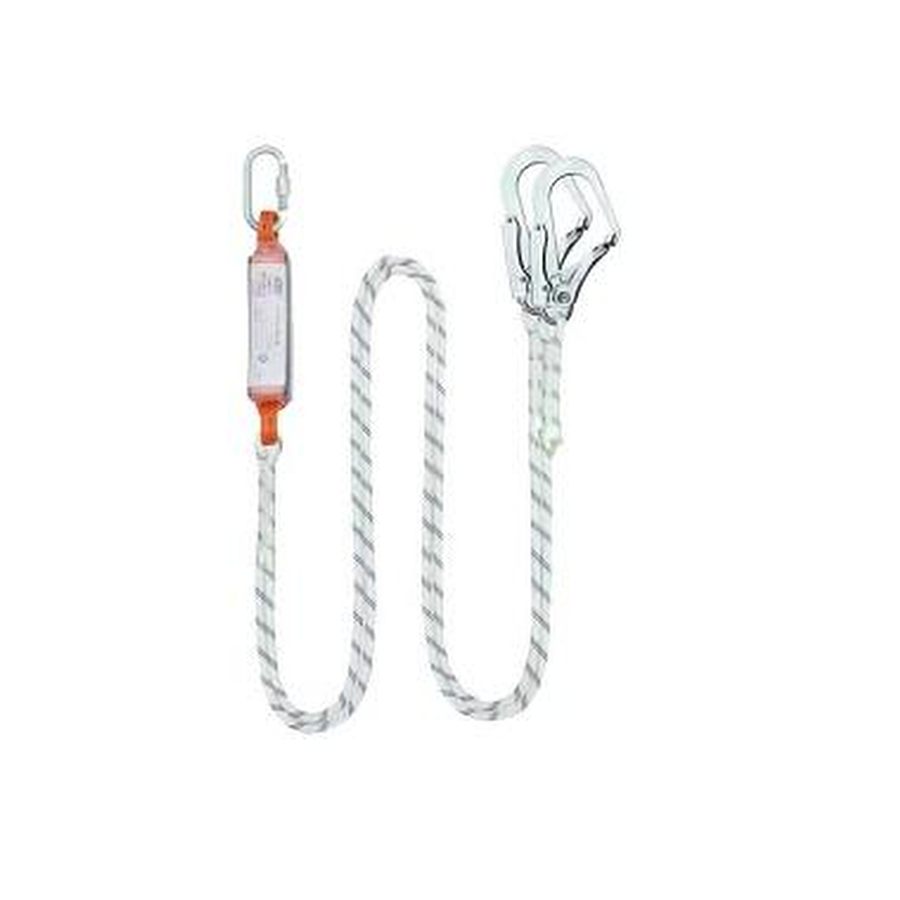
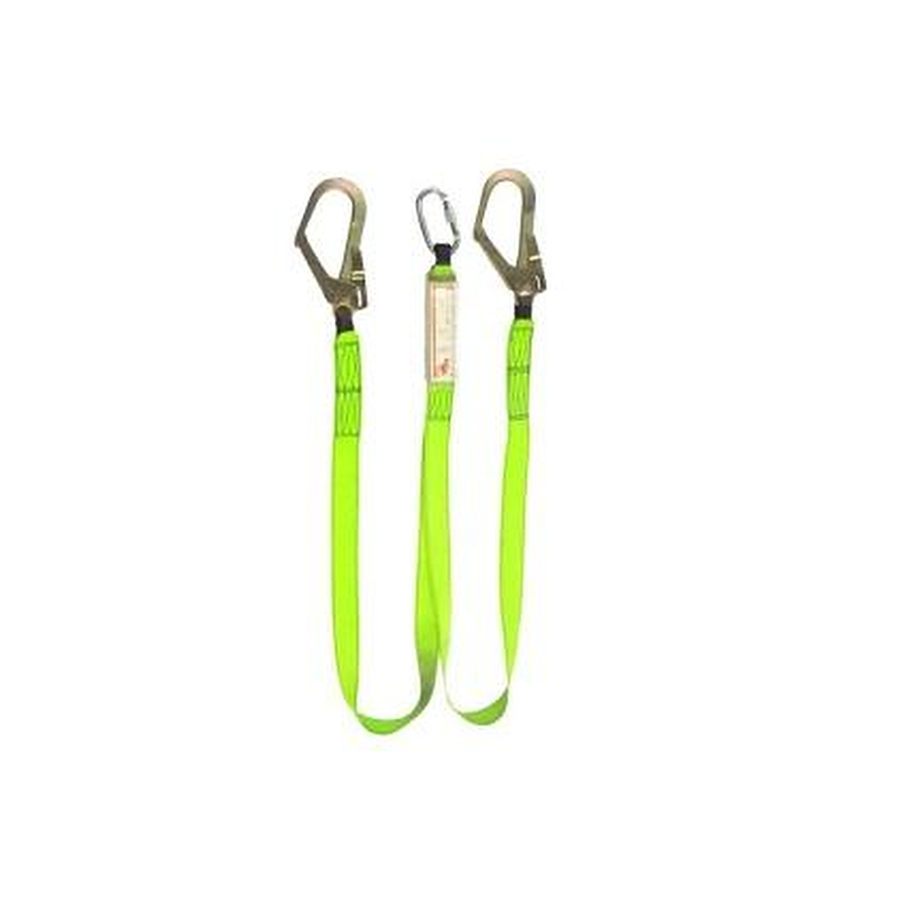
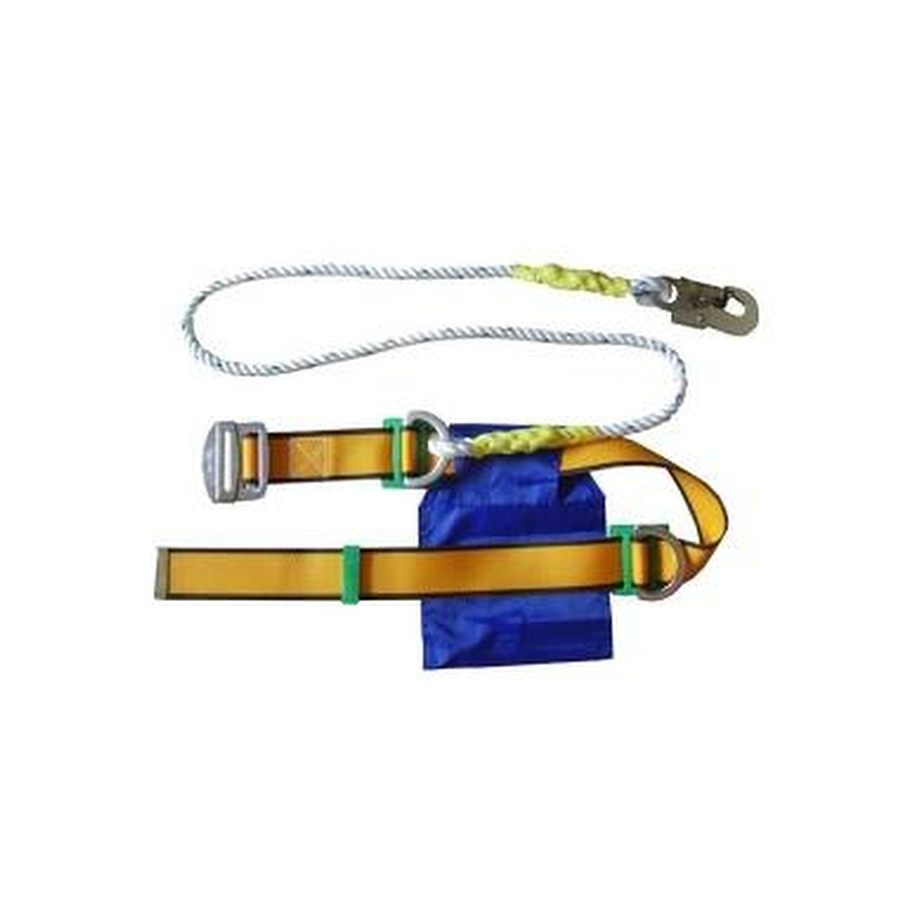
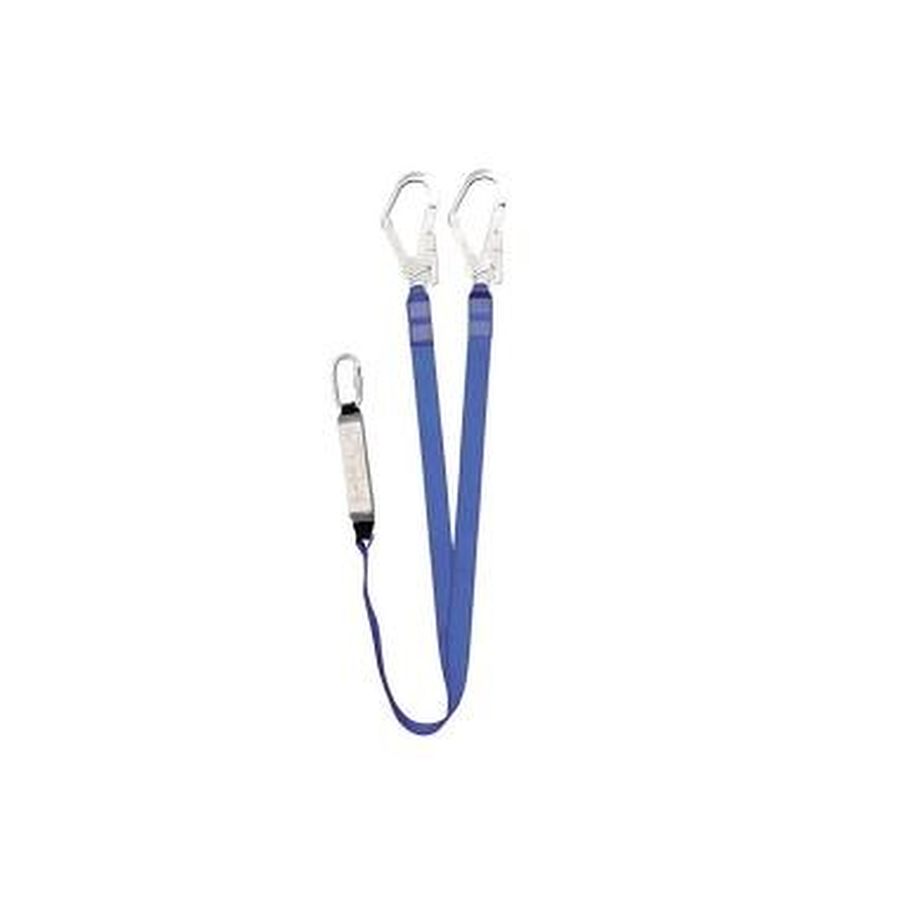
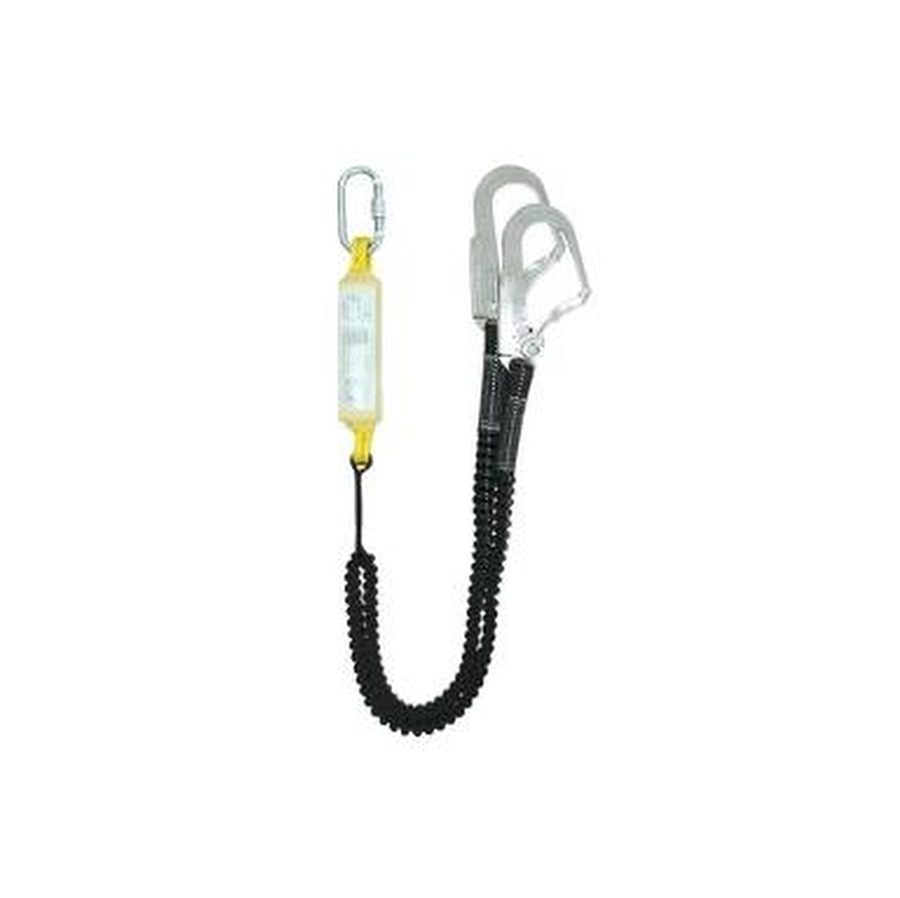
Z359 is a family of standards covering every component of a personal fall arrest system, not a single document.


| Standard | Covers |
|---|---|
| Z359.11 | Full body harnesses, the only fall-arrest connection point OSHA permits. |
| Z359.13 | Energy-absorbing lanyards, which limit arrest forces on the body. |
| Z359.14 | Self-retracting lanyards (SRLs), retractable lines that lock on a fall. |
website
- Scaffolding and structural work
- Tower climbing
- Roofing
website
Site Safety & Emergency
Covers first aid kits, fire extinguishers, and the signage that ties a site's safety system together.


First Aid Kits (ANSI/ISEA Z308.1)
| Class | Meant For |
|---|---|
| Class A | Basic range of supplies for common workplace injuries: major/minor wounds, minor burns, eye injuries. |
| Class B | Broader range and larger quantities for higher-risk, more populated worksites; adds a splint and tourniquet. |
Fire Extinguisher Classes (NFPA 10)
| Class | Fire Type |
|---|---|
| A | Ordinary combustibles: wood, paper, cloth. |
| B | Flammable liquids: petrol, oil, grease. |
| C | Energised electrical equipment. |
| D | Combustible metals: magnesium, titanium. |
| K | Cooking oils and fats (commercial kitchens). |